
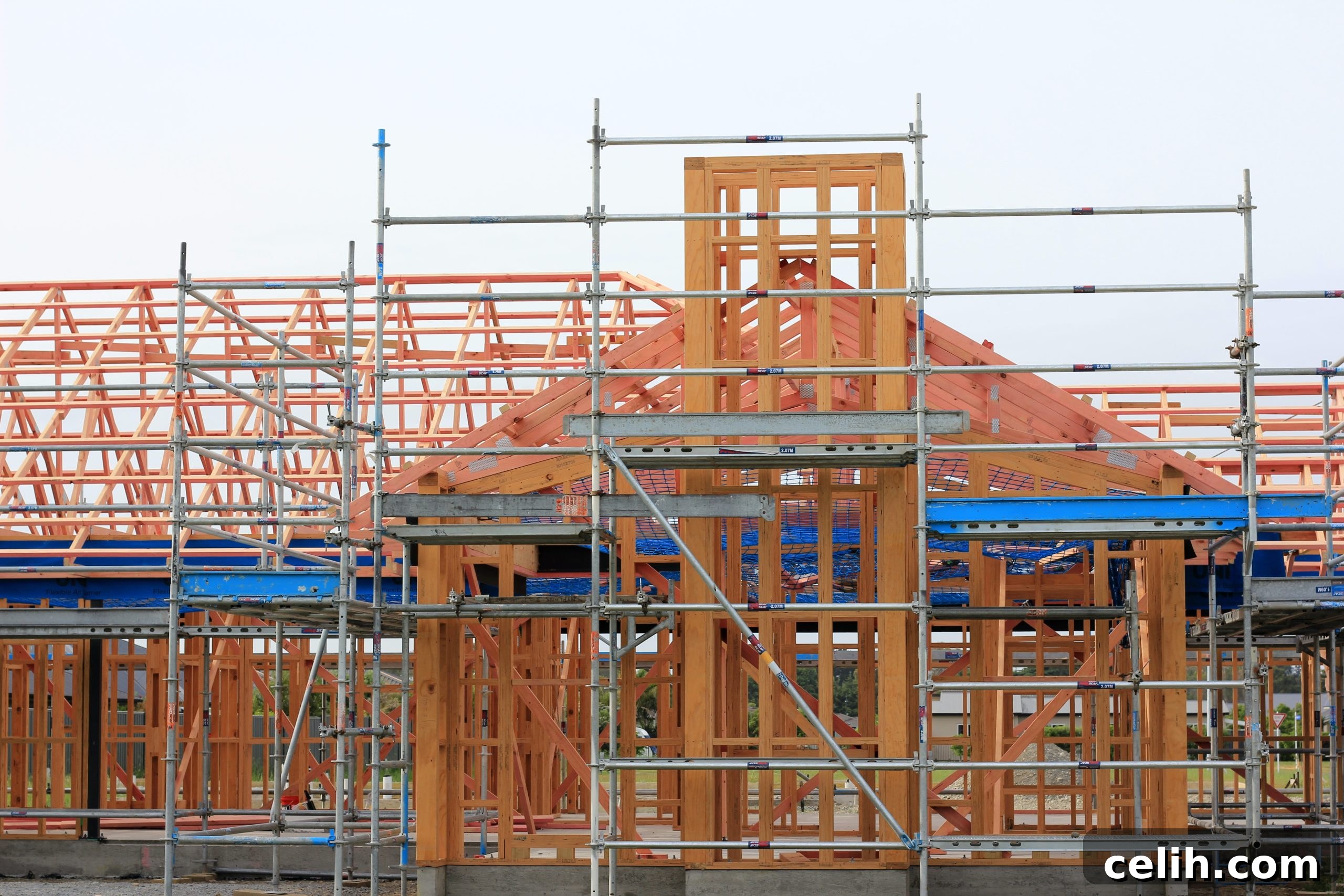
The Future is Now: How Innovation is Reshaping UK Construction and Boosting the Housing Market
The construction sector in the United Kingdom is currently experiencing an unprecedented period of transformation. This dynamic evolution, driven by a powerful confluence of technological innovation, a renewed focus on environmental sustainability, and a buoyant resurgence in market demand, is truly remarkable to witness. Particularly encouraging is the positive trajectory of the UK housing market, which, after periods of stagnation, is now seeing robust demand once again.
This industry-wide evolution is fundamentally altering every facet of how structures are conceived, designed, built, and maintained across the nation. It presents a wealth of opportunities for professionals within the field, simultaneously posing new challenges. Crucially, however, the balance has shifted, with opportunities now significantly outweighing the hurdles, paving the way for a more efficient, sustainable, and high-quality built environment. This article delves into the key drivers and innovations that are shaping the construction of new homes in the UK, creating a landscape rich with potential for growth and advancement.
Driving Progress: Innovative Materials and Advanced Building Systems
The development and adoption of groundbreaking materials and sophisticated building systems stand as one of the primary catalysts behind the positive evolution of the UK construction industry. These innovations are not merely incremental improvements; they represent significant leaps forward in enhancing the durability, functionality, and overall performance of modern structures.
Revolutionizing Structural Integrity: Advanced Retaining Wall Systems
Consider, for instance, the remarkable advancements in retaining wall systems. Traditionally deployed to prevent soil erosion, manage ground stability on sloped terrain, and facilitate landscape design, these systems have undergone significant improvements. Modern retaining wall systems now frequently integrate advanced materials such as geogrids. These are sophisticated synthetic materials specifically engineered to reinforce soil, dramatically improving its tensile strength and stability. Beyond geogrids, contemporary solutions often feature modular precast concrete units, gabion walls, and even vegetated reinforced soil slopes, offering greater flexibility in design, faster installation times, and enhanced long-term performance. These systems are critical for maximizing usable land, particularly in urban environments with limited space, and for protecting infrastructure from geotechnical hazards.
Enhancing Comfort and Safety: Soundproofing and Fire-Resistant Technologies
Another area of significant progress lies in the realm of materials designed to improve occupant comfort and safety. Soundproofing materials and fire-resistant technologies are now playing an increasingly vital role in modern construction. Soundproofing solutions have evolved considerably, utilizing an array of sophisticated materials and techniques. These include high-density mass-loaded vinyl, multi-layered acoustic panels, resilient channels to decouple walls and ceilings, and advanced double or triple glazing. Effectively mitigating noise pollution is not just about comfort; it significantly contributes to occupants’ well-being, productivity, and the overall quality of life, a key consideration for high-density urban living.
Parallel to this, advancements in fire-resistant construction materials are dramatically improving the safety standards of homes and commercial buildings. Innovations such as flame-retardant building wraps, intumescent paints that expand when exposed to heat to create an insulating barrier, and fire-rated plasterboards are becoming standard practice. These materials, combined with passive fire protection strategies and active systems like integrated sprinkler technologies, offer enhanced protection against fire spread, affording occupants more time to evacuate and minimizing structural damage. This dual focus on comfort and safety underscores the industry’s commitment to creating healthier and more secure living and working environments.
Introducing Next-Generation Building Materials
Beyond these specific examples, the industry is also witnessing the emergence of other innovative materials. These include high-performance insulation like aerogels, which offer exceptional thermal resistance with minimal thickness, and advanced composites that provide superior strength-to-weight ratios compared to traditional materials. Self-healing concrete, which can autonomously repair minor cracks, and smart glass that can dynamically adjust its opacity and thermal properties, are no longer concepts of science fiction but are slowly making their way into cutting-edge projects. These materials promise to extend building lifespans, reduce maintenance costs, and further enhance performance.
Building a Greener Future: Sustainability and Eco-Friendly Practices
Sustainability has unequivocally moved from a niche concern to a core focus within the UK construction industry. There is a palpable and growing emphasis on implementing building practices that meticulously minimize environmental impact throughout a building’s entire lifecycle, from material sourcing to demolition.
Embracing Green Building Standards and Materials
This profound shift is clearly evidenced by the continuous evolution of green building standards and the widespread adoption of sustainable materials. These practices are pivotal in contributing to enhanced energy efficiency, reducing operational costs, and significantly lowering the carbon footprint of new constructions. The adoption rate of renewable energy sources, particularly solar panels, is a testament to this commitment; over 1.28 million households in the UK have now integrated solar technology, harnessing clean energy directly from their roofs. Furthermore, the use of insulated concrete forms (ICFs), which provide excellent thermal performance and structural integrity, and sustainable timber-frame construction, sourced from responsibly managed forests, are becoming increasingly prevalent.
The industry is also actively exploring and implementing a vast array of other eco-friendly technologies and methods. This includes using recycled aggregates in concrete, specifying low-carbon concrete formulations, and incorporating natural insulation materials such as hemp, sheep’s wool, or straw bales. Emphasis is also placed on passive design principles, which optimize building orientation, natural ventilation, and daylighting to reduce the need for artificial heating, cooling, and lighting. Waste reduction on construction sites, through careful planning and recycling programs, also forms a critical component of these sustainable development goals.
Driving Change Through Regulation and Incentives
Beyond industry volition, regulatory changes and government incentives are playing a crucial role in accelerating this transition. Policies aimed at achieving net-zero carbon emissions, such as the Future Homes Standard, are compelling builders and developers to prioritize eco-efficiency and reduce the energy demand of new homes. Financial incentives for installing renewable technologies or adopting certified green building standards further encourage this shift. This holistic approach, combining innovation, environmental consciousness, and supportive policy, is massively improving the overall sustainability credentials of UK construction, positioning it as a leader in green building practices globally.
The Digital Revolution: Transforming Construction Through Technology
No modern industry remains untouched by the pervasive wave of digitalization, and the construction sector is certainly no exception. The integration of digital technologies is fundamentally reshaping every stage of a construction project, from initial concept to long-term maintenance.
Building Information Modelling (BIM): The Blueprint for Collaboration
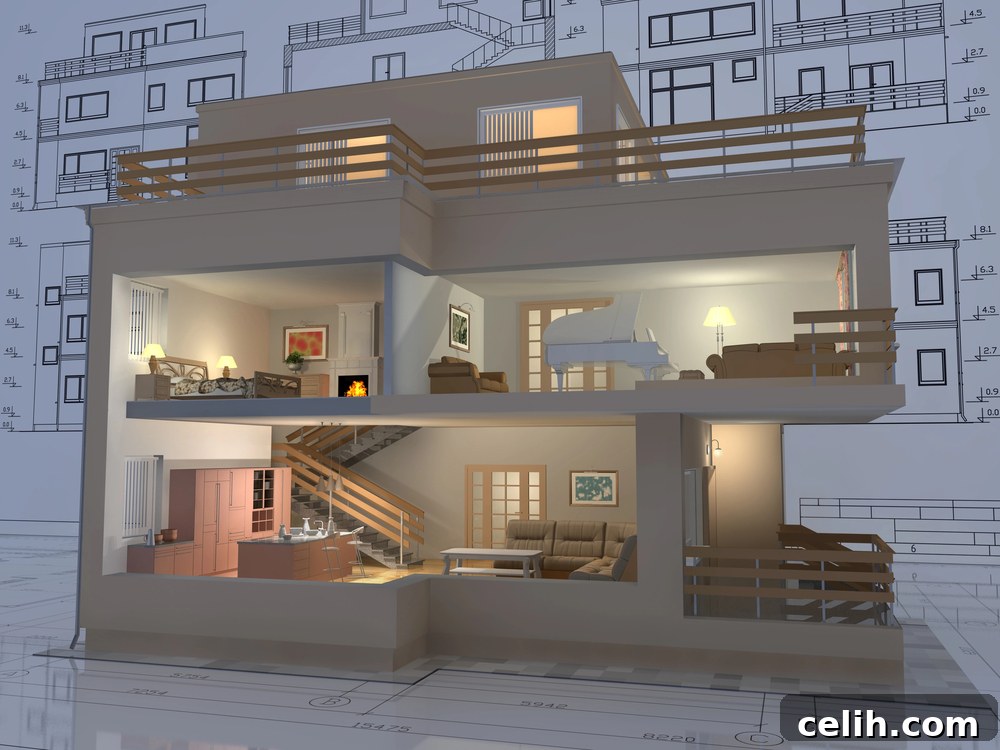
At the forefront of this digital transformation is Building Information Modelling (BIM). This sophisticated process allows professionals to create highly detailed, data-rich digital representations of the physical and functional characteristics of a design. BIM is far more than just 3D modeling; it integrates multi-dimensional data (4D for time, 5D for cost, 6D for lifecycle, 7D for sustainability), facilitating unprecedented levels of project planning, management, and collaboration. By providing a common data environment, BIM ensures that all project stakeholders—architects, engineers, contractors, and clients—are aligned, working from the most current information. This minimizes inefficiencies, reduces costly clashes and rework, and streamlines the entire project lifecycle, making it an indispensable tool for complex modern constructions.
Advanced Tools: Drones, 3D Printing, and Immersive Realities
The application of drones for surveying is rapidly becoming the standard for modern project design and monitoring. Beyond simply mapping topography, drones equipped with high-resolution cameras, thermal imaging, and LiDAR sensors are used for site analysis, progress monitoring, safety inspections, and even defect detection. Their ability to quickly capture comprehensive aerial data provides invaluable insights that improve accuracy, reduce costs, and enhance safety by minimizing human exposure to hazardous areas.
Furthermore, 3D printing is moving beyond novelty and proving its worth in creating complex components for buildings. From printing intricate architectural details and custom fixtures to potentially entire structural elements using specialized concrete or polymer composites, 3D printing offers benefits such as rapid prototyping, reduced material waste, and the ability to produce geometries that would be impossible or prohibitively expensive with traditional methods. While still in its nascent stages for large-scale structural printing, its potential to revolutionize construction speed and design freedom is immense.
Virtual Reality (VR) and Augmented Reality (AR) are also being seamlessly integrated into everyday construction workflows. VR allows architects and clients to conduct immersive virtual walkthroughs of proposed designs, providing a realistic sense of space and identifying potential issues long before physical construction begins. AR, on the other hand, overlays digital information onto the real-world environment, offering on-site guidance for workers, visualizing hidden utilities, or checking design accuracy against the physical build. These immersive technologies enhance design visualization, improve client engagement, and provide invaluable tools for training and quality control.
The Horizon of Digital Construction
And this is truly just the beginning of the digital transformation. Artificial intelligence (AI) and machine learning (ML) are being deployed for predictive analytics, optimizing construction schedules, forecasting material needs, and identifying potential risks. Robotics are taking on repetitive or hazardous tasks, improving safety and efficiency. The Internet of Things (IoT) with embedded sensors is enabling real-time monitoring of building performance, structural integrity, and environmental conditions, leading to truly smart buildings that can adapt and optimize themselves. These digital tools are not just improving existing processes; they are creating entirely new possibilities for what construction can achieve.
Elevating Standards: Enhancing Quality with Advanced Techniques and Materials
The relentless pursuit of quality has seen significant advancements within the UK construction industry, largely driven by the introduction of sophisticated building techniques and the deployment of high-performance materials. These innovations are tackling long-standing challenges and setting new benchmarks for durability, efficiency, and longevity.
Breakthroughs in Material Science: Self-Healing Concrete and Thermal Bridging Solutions
Consider the revolutionary concept of self-healing concrete. This incredible material, once the subject of academic research, is now transitioning into real-world applications. It typically contains embedded capsules or bacteria that, when activated by cracking, release a healing agent or precipitate calcium carbonate, autonomously repairing minor fissures. This innovation promises to dramatically extend the lifespan of buildings, significantly reduce maintenance requirements, and mitigate common issues such as cracks, leaks, and structural degradation caused by water ingress. A material with such capabilities would have been unimaginable a mere decade ago, representing a paradigm shift in material science applied to construction.
Equally critical are the advancements in thermal bridging solutions. Thermal bridging occurs where a gap in the insulation allows heat to bypass the insulated layer, leading to heat loss in winter, heat gain in summer, and potential condensation issues. Modern construction techniques and materials are meticulously designed to eliminate these “cold spots.” This involves continuous insulation layers, thermally broken window frames and structural connections, and advanced junction detailing. By effectively addressing thermal bridges, homes become more energy-efficient, maintaining stable internal temperatures with less energy consumption, which translates directly into lower heating and cooling bills for homeowners and a reduced carbon footprint for the building.
Modern Construction Techniques: Off-site Manufacturing and Lean Principles
Beyond innovative materials, advanced construction techniques are also redefining quality. Off-site manufacturing, encompassing prefabrication and modular construction, is gaining considerable traction. By constructing major components or entire modules in a controlled factory environment, builders can achieve higher levels of precision, quality control, and consistency, often exceeding what is possible on a traditional construction site. This approach also leads to significant reductions in waste, faster project completion times, and less disruption to the local environment. Furthermore, the adoption of lean construction principles, focused on maximizing value while minimizing waste across the entire project, is streamlining processes, improving efficiency, and ultimately delivering higher quality outcomes.
These enhancements in materials and techniques are not merely about structural integrity; they directly contribute to the overall build quality of UK homes, ensuring they are more resilient, more comfortable, more sustainable, and ultimately, more valuable assets for their occupants. As the UK construction industry continues its impressive evolution, it is abundantly clear that the future will be characterized by an even greater integration of sustainable practices, cutting-edge materials, and sophisticated digital technologies. These collective advancements are not only making construction faster, safer, and more cost-effective—addressing persistent challenges within the sector—but are also creating buildings that are more responsive to human needs and environmental imperatives. The outlook for UK construction is exceptionally bright, promising a future of innovation and excellence.