
In the relentless rhythm of modern life, where demands are constant and the digital world never truly sleeps, finding moments of tranquility can feel like a luxurious impossibility. We are often caught in a whirlwind of tasks, believing that constant activity equates to productivity, leaving us feeling overwhelmed and depleted. It’s no wonder that the concept of ‘home’ has evolved beyond mere shelter; it has become an increasingly vital sanctuary, a designated space where we can truly switch off, recharge, and reconnect with ourselves.
Yet, even within the confines of our homes, the to-do list often looms large, with chores like cleaning and tidying vying for our attention. This inherent need for a dedicated escape from both external pressures and internal household duties has given rise to the growing popularity of home wellness spaces. These personal havens offer a crucial opportunity to withdraw, seek respite, and cultivate a sense of calm and balance amidst the chaos.
Crafting Your Personal Wellness Sanctuary: What to Include
The beauty of a ‘wellness space’ lies in its remarkable elasticity. Its form and function are entirely dependent on your personal aspirations, available space, and of course, your budget. While a fully-equipped home gym or an indoor swimming pool remains a dream for many, the reality for most homeowners is far more attainable. Perhaps it’s simply a cozy corner where you can unfurl a yoga mat and light a couple of aromatic candles – a small, yet profoundly impactful, step towards cultivating inner peace.
Your dedicated wellness space doesn’t necessarily demand an entire room. It can be a thoughtfully designed area within an existing room, seamlessly integrated into a bedroom or even a home office. The defining characteristic, regardless of its size or location, is its ability to evoke feelings of serenity, grounding, and restoration. It should be a place where you instinctively feel at ease, a true reflection of your personal quest for well-being.
The Resurgence of Home Wellness Areas: A Deeper Look
The escalating popularity of home wellness spaces is a trend rooted in significant shifts in global lifestyles. The recent pandemic served as a stark, undeniable reminder of the critical importance of having a comfortable, healing, and personal sanctuary within our homes. As external movements were restricted, many discovered the profound value of cultivating an environment conducive to mental and physical well-being right where they lived.
Several years on, this fundamental shift persists. A significant portion of the workforce continues to spend less time in traditional offices, making home environments multi-functional hubs for work, life, and increasingly, personal rejuvenation. This sustained presence at home has solidified the role of dedicated wellness areas, transforming them from a luxury into a necessity for maintaining mental clarity, physical health, and emotional stability in our ever-evolving world.
Inspiring Ideas for Your Home Wellness Space
Let’s explore some creative and practical ways to carve out your unique wellness haven, regardless of your home’s size or layout.
The Serene Mindfulness Nook
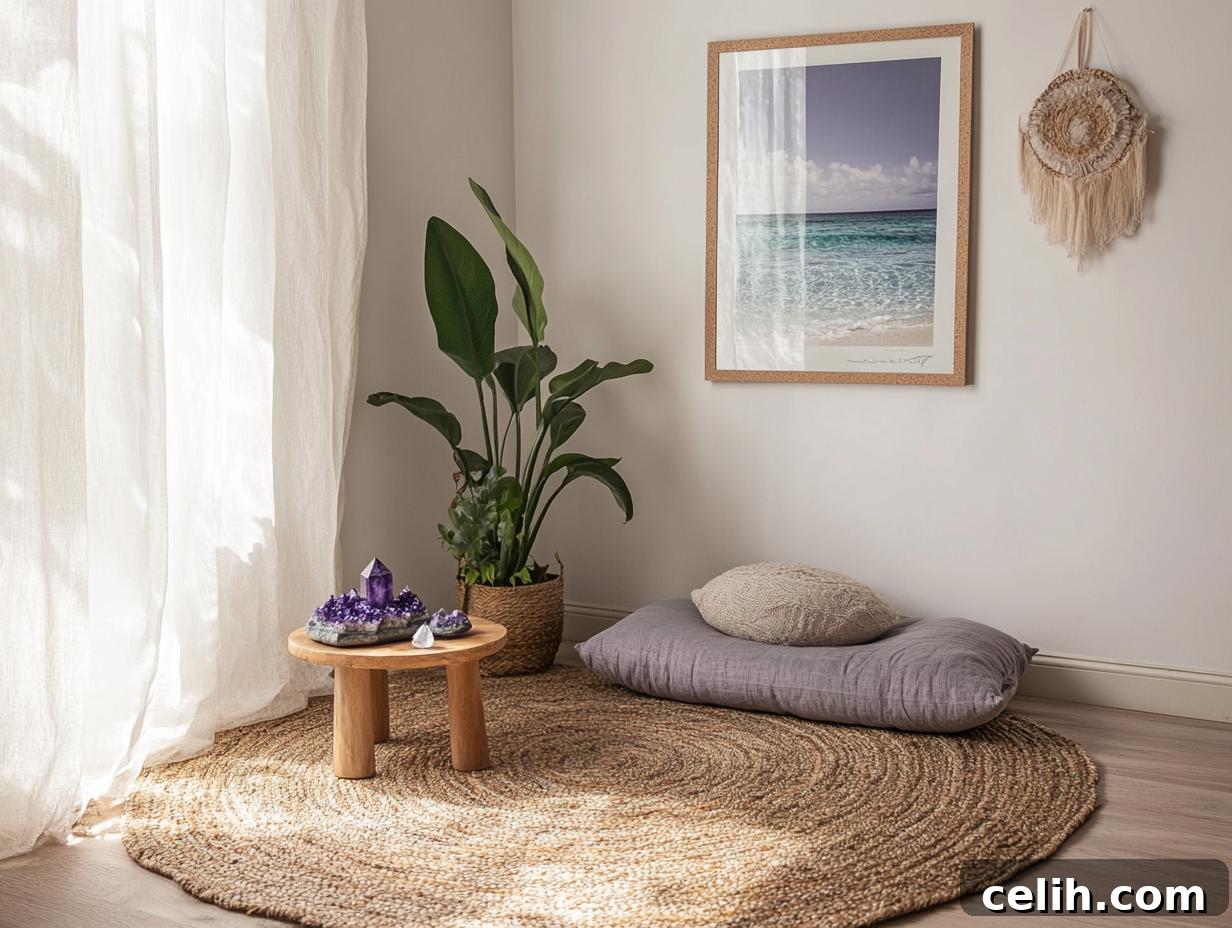
Even in homes where space is at an absolute premium, a dedicated mindfulness nook is surprisingly achievable. By subtly screening off a corner of a larger room – perhaps with a decorative room divider, a tall plant, or even a strategically placed bookshelf – you can instantly create a sense of enclosure and privacy. Focus on incorporating elements that promote tranquility: soft, ambient lighting (think dimmable lamps or fairy lights), natural materials like bamboo or wood, lush houseplants for a touch of nature, and comfortable floor cushions or a plush mat for seating. This small, intentional space becomes an ideal spot for practicing mindfulness meditation, engaging in calming breathing exercises, or simply escaping into the pages of a captivating book.
Transforming Your Bathroom into a Spa Haven
Who says a true wellness space must be separate from the utilitarian areas of your home? Calm and relaxation can be found anywhere, and the bathroom, often overlooked, holds immense potential. If you are fortunate enough to have a bathtub, you’re already halfway to creating a personal spa experience. Elevate the atmosphere by embracing calming, natural color palettes – think soothing blues, verdant greens, and warm earthy browns. Introduce several carefully chosen plants to enhance the natural feel, diffuse uplifting or calming aromatherapy scents, and play soft, ambient music. This mindful approach transforms a routine bath or shower into a luxurious ritual, offering a daily dose of self-care and profound relaxation.
Crafting the Ultimate Sleep Sanctuary
For those with limited additional space, redefining the bedroom as a sleep sanctuary is a highly effective wellness strategy. Prioritizing quality sleep is fundamental to overall well-being, and your bedroom’s environment plays a crucial role. Begin with blackout blinds or curtains to ensure complete darkness, vital for melatonin production. Invest in a truly comfortable mattress and supportive pillows tailored to your needs. A scent diffuser with calming essential oils like lavender or chamomile can help signal relaxation to your brain. Adorn the space with a peaceful, muted color scheme that promotes serenity. Crucially, enforce a strict ‘no mobile phones’ policy within the bedroom. By eliminating digital distractions, you cultivate an environment solely dedicated to rest, allowing for deeper, more restorative sleep.
Embracing Nature: The Indoor-Outdoor Wellness Retreat
The pinnacle of a truly immersive wellness space often involves a direct connection to nature. An ideal scenario, if building from scratch, might be a heated summer house featuring expansive glazed doors that can be fully folded back, seamlessly merging indoor comfort with outdoor fresh air and natural light whenever weather permits. This creates an unparalleled sense of openness and tranquility, blurring the lines between your personal sanctuary and the natural world.
Realistically, such an extensive project is beyond the scope and budget for many. However, you can still harness the power of nature. Position your wellness space near a window to maximize natural light and allow for fresh air circulation. Alternatively, transform a small patch of your garden or balcony into a mini Zen garden, complete with a comfortable spot for sitting and meditating. Enhance this outdoor haven with a small fountain or a gently babbling water feature, allowing the soothing sounds of water to wash over you. Hanging a delicate wind chime nearby provides another layer of auditory tranquility, as its soft tinkling notes drift on the breeze, further enhancing your connection to the outdoors.
Designing Your Personal Wellness Oasis: Practical Steps
If you’re feeling inspired to create a dedicated wellness space within your own home, here are thoughtful considerations and actionable steps to guide your design process:
- Choose Your Focus and Intention. Before selecting items or colors, deeply consider what you need this space to provide. Are you seeking deep calmness, renewed energy, profound peace, or opportunities for gentle movement? Your primary intention will fundamentally shape the design, helping you determine the necessary room, specific elements, and how best to optimize it for your personal well-being.
- Think Achievable and Budget-Friendly. Creating a wellness space doesn’t necessitate a significant financial investment or a complete home renovation. If your goal is primarily meditation or breathing exercises, simply securing a quiet spot with enough room to sit comfortably is often sufficient. For those considering light physical activity, many effective exercises require only a mat and perhaps a few small, versatile pieces of equipment like resistance bands or light weights. Start small, be resourceful, and expand as your needs evolve.
- Utilize What You Already Possess. Before rushing to purchase new items, take stock of what you already have. Many common household items – potted plants, candles, soft cushions, cozy throws – can be repurposed to create a serene atmosphere. Experiment with existing items to “test drive” your space and ensure it truly works for you before making any new purchases. This improvisational approach is both economical and practical.
- Embrace Calming Color Palettes. Color psychology plays a surprisingly powerful role in shaping the mood and energy of a space. Hues that typically foster a sense of calm and balance include soft neutrals (such as beige, cream, or light grey), muted greens (like sage or olive), pale blues, and warm earthy tones. You don’t need to repaint an entire room; introducing these colors through simple accents – a throw blanket, a yoga mat, cushion covers, or a piece of wall art – can effectively transform the atmosphere.
- Incorporate Soothing Textures. A truly inviting wellness space engages multiple senses, and touch is paramount. Think about integrating soft, tactile materials that naturally encourage you to slow down, relax, and fully settle into the environment. Natural fabrics such as organic cotton, breathable linen, and cozy wool are excellent choices. Consider woven rugs underfoot, soft throws draped over a chair, and supportive floor cushions for comfort. Even a simple, comfortable meditation mat or a plush blanket can instantly make the space feel warmer and more welcoming.
- Integrate Natural Elements. Many individuals report a deeper sense of relaxation and connection when natural elements are present in a room. Introduce a few houseplants (even low-maintenance varieties), a small bowl filled with smooth stones or delicate shells, or a simple wooden stool or tray. Materials like unvarnished wood, woven rattan, and natural stone inherently feel grounding and can beautifully soften the lines of modern interiors, creating a more organic and tranquil aesthetic.
- Prioritize a Clutter-Free Environment. Paradoxically, a wellness corner often thrives on simplicity. The fewer objects present, the greater the impact of the space. Strive to limit visual clutter, ensuring the area feels open, spacious, and peaceful rather than busy or distracting. A minimalist approach allows your mind to quiet down, fostering a sense of clarity and focus that is essential for relaxation and introspection.
- Consider Sensory Details: Sound, Scent, and Light. Beyond visual elements, thoughtfully curated sensory experiences can dramatically enhance your wellness space. For sound, consider a small Bluetooth speaker for calming nature sounds or meditation music. For scent, an essential oil diffuser or natural beeswax candles can introduce therapeutic aromas. For light, layering is key: combine soft ambient light with task lighting (if needed for reading) and perhaps natural light from a window. Avoid harsh overhead lighting.
- Personalize Your Space. While aesthetic principles are helpful, the most important aspect is that your wellness space resonates with you personally. Incorporate items that hold special meaning or evoke positive emotions. Perhaps it’s a piece of art that inspires you, a cherished keepsake, or photos of serene landscapes. This personal touch ensures the space feels authentic and deeply supportive of your individual journey to well-being.
Final Thoughts on Creating Your Home Wellness Sanctuary
The journey to creating a dedicated wellness space at home does not demand extensive renovation or a substantial budget. In most instances, it’s about making a conscious decision to set aside a specific area, no matter how small, that intentionally supports the way you aspire to feel. Whether your aim is to cultivate a quiet corner for daily meditation, establish a peaceful spot for gentle stretching before the day begins, or design a calming retreat to unwind in the evenings, the underlying intention behind the space is paramount and ultimately defines its success.
By thoughtfully focusing on fundamental elements such as soothing color palettes, inviting and comfortable textures, subtle natural touches, and a commitment to a clutter-free layout, you possess the power to transform any area into an environment that actively encourages you to slow down and reconnect with your inner self. Over time, even a modest, carefully arranged corner can organically evolve into a cherished haven – a place you instinctively gravitate towards whenever you find yourself in need of a moment of peace, a dose of balance, or a quiet space for reflection.
Ultimately, the most crucial aspect is to create a space that genuinely works for you and your unique needs. Your home wellness sanctuary does not need to conform to a specific aesthetic trend, nor does it require perfection. Its true value lies in its ability to feel supportive, welcoming, and effortlessly integrated into your everyday life. When a space consistently encourages you to pause, take a deep breath, and reset your mind and body, it has unequivocally fulfilled its purpose, becoming an invaluable asset to your overall well-being.