
In a world increasingly cluttered with possessions and demands, embracing a minimalist lifestyle offers a refreshing path to clarity, tranquility, and financial freedom. Designing your home with a minimalist philosophy is more than just decluttering; it’s about creating a space that nurtures your well-being, reduces stress, and aligns with your deepest values. This thoughtful approach to interior design not only simplifies your surroundings but can also significantly reduce your living costs, allowing you to save money for experiences, investments, or causes that truly matter to you. By curating a home that is functional, beautiful, and free from excess, you pave the way for a healthier, more intentional life. Discover five transformative tips to design your home and achieve your goal of living a truly healthy, minimalist existence.
1. Cultivate a Serene Minimalist Bedroom Sanctuary
The journey towards a minimalist lifestyle profoundly begins in your bedroom – the ultimate sanctuary for rest and rejuvenation. A calm, uncluttered bedroom is paramount for achieving quality sleep, which in turn impacts every aspect of your health and productivity. Contrary to popular belief, creating a serene sleep environment doesn’t require a hefty investment. The key lies in strategic choices that enhance comfort, reduce visual noise, and promote relaxation without breaking the bank.
Embracing green bedroom ideas that align with minimalist principles is an excellent starting point. Think about integrating sustainable materials, such as organic cotton bedding, a responsibly sourced wooden bed frame, or natural fiber rugs. The minimalist concept thrives on simplicity and functionality. Focus on essential furniture pieces: a comfortable bed, perhaps a modest nightstand, and sufficient storage to keep clutter out of sight. Prioritize neutral color palettes like soft whites, muted greys, or earthy tones, which create a calming backdrop conducive to sleep. Introduce texture through natural textiles rather than excessive patterns. Evaluate different bedroom decoration ideas, always selecting options that are affordable, durable, and sustainable, ensuring long-term savings and a reduced environmental footprint. By investing in quality over quantity and choosing items with longevity, you create a timeless and tranquil space that supports your minimalist aspirations and significantly improves your nightly rest.
2. Embrace Nature with Thoughtfully Placed Indoor Plants
Incorporating indoor plants into your home design is a powerful yet subtle way to enhance a minimalist aesthetic and foster a deeper connection with nature. Beyond their undeniable beauty, indoor plants offer a myriad of health benefits that perfectly complement a healthy, minimalist lifestyle. They are natural air purifiers, filtering toxins and releasing fresh oxygen, which contributes to improved indoor air quality and overall well-being. Studies have also shown that the presence of greenery can reduce stress levels, boost mood, and even increase focus and productivity, making them invaluable additions to any living or working space.
While some exotic plant species can be quite expensive, many popular and resilient indoor plants are surprisingly inexpensive and easy to care for. For instance, the ubiquitous spider plant is not only affordable but also incredibly simple to propagate. If you know friends or family who have one, you can often get a cutting for free, allowing you to grow a new plant with minimal effort and cost. Other budget-friendly and low-maintenance options include snake plants, ZZ plants, Pothos, and peace lilies, all of which thrive in various indoor conditions and require infrequent watering. When selecting plants, consider their light requirements and choose varieties that will flourish in specific areas of your home. A minimalist approach to plants means selecting a few impactful specimens rather than cluttering surfaces with too many small pots. Use simple, natural pots made of terracotta, ceramic, or concrete to maintain a cohesive and understated look. These living elements add texture, color, and vitality, enriching your home’s ambiance while subtly encouraging a more mindful and nature-integrated way of living.
3. Harness the Power of Natural Sunlight
Maximizing natural light in your home is one of the most effective and eco-friendly strategies for cutting energy costs and enhancing your quality of life. The benefits of abundant sunlight extend far beyond financial savings; it profoundly impacts your mood, health, and the overall atmosphere of your living space. Natural light instantly makes your home feel more spacious, airy, and vibrant, injecting life into every corner and fostering a sense of openness that aligns perfectly with minimalist design principles.
By allowing sunlight to flood your rooms, you reduce your reliance on artificial lighting during the day, significantly lowering your electricity bills. More importantly, exposure to natural light helps regulate your body’s circadian rhythm, promoting better sleep at night and increased alertness during the day. It also boosts Vitamin D production, which is crucial for bone health, immune function, and mental well-being. To harness this free, natural resource, make it a habit to open your windows and curtains wide during spring and summer months, letting fresh air circulate and sunshine pour in. During autumn and winter, when daylight hours are shorter, strategically design spaces in your home where you can still comfortably enjoy natural light. This might involve positioning reading nooks near large windows, choosing sheer curtains that filter rather than block light, or painting walls in light, reflective colors that bounce light around the room. Consider architectural elements like a sunlight awning, which can help keep your home bright by diffusing natural light while simultaneously protecting against harsh UV rays and excessive heat gain, ensuring comfort year-round. Thoughtful window placement, decluttering window sills, and keeping views unobstructed are simple yet powerful ways to transform your home into a bright, energy-efficient, and healthier environment, aligning perfectly with a minimalist, sustainable lifestyle.
4. Master the Art of Minimalist Color Palettes
The strategic use of color is a foundational element in boosting the vibe of your home and subtly encouraging a minimalist lifestyle. A carefully chosen color palette can create an atmosphere of calm, spaciousness, and sophistication, without the need for excessive ornamentation. Generally, a neutral or earthy color palette is ideal for promoting a minimalist aesthetic. Think of shades like crisp whites, warm beiges, soft greys, gentle off-whites, and muted earth tones. These colors serve as a serene backdrop, making spaces feel larger, brighter, and more orderly, which are hallmarks of minimalist design. They also provide a versatile foundation that allows other elements, such as natural textures or a single piece of art, to stand out without competing.
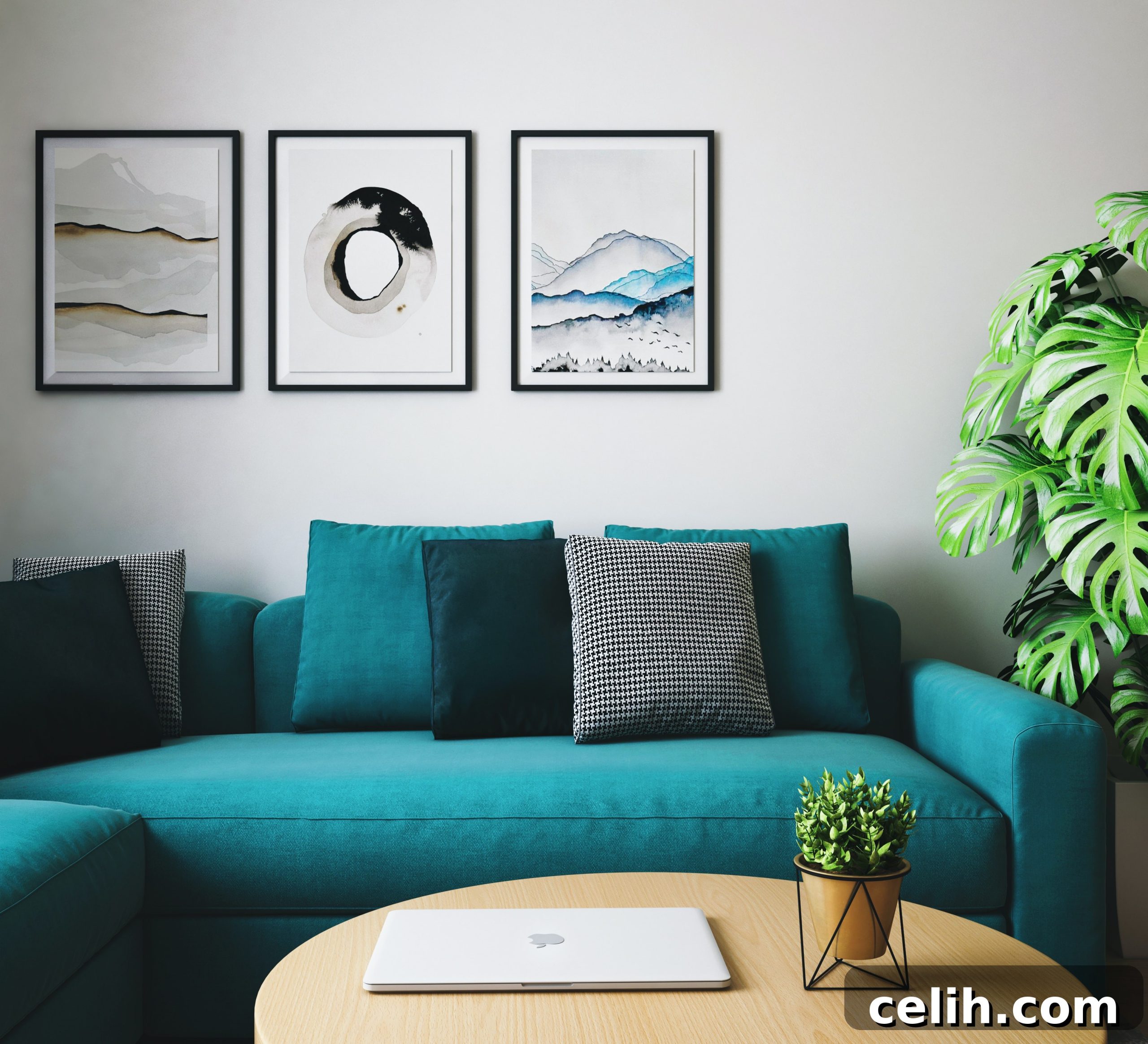
However, minimalism doesn’t necessarily mean a complete absence of color. The judicious addition of an “odd pop of color” can be incredibly effective in lifting spirits, adding personality, and creating visual interest. This accent color should be used sparingly and intentionally – perhaps a vibrant cushion on a neutral sofa, a striking piece of pottery, or a bold artwork. The key is to avoid overwhelming the space. Instead of painting an entire wall a bright color, consider introducing that hue through furniture or soft furnishings. A statement armchair, a set of colorful throw pillows, or a patterned rug can inject personality and warmth without committing to a permanent change. This allows for flexibility and easy updates when your tastes evolve, aligning with the minimalist principle of mindful consumption.
If you’re considering repainting your home, you don’t necessarily have to spend a fortune on professional painters. Embracing a DIY approach can be incredibly rewarding and cost-effective. Many popular platforms regularly share Coupon UK codes and vouchers, allowing you to purchase high-quality painting tools and supplies at significantly reduced prices. Gather your friends and family for a fun painting weekend; it’s a great way to bond while transforming your living space. Before you begin, make sure to research proper painting techniques and follow all safety guidelines – adequate ventilation, protective gear, and careful preparation – to avoid injuries and ensure a professional-looking finish. Painting your home yourself not only saves money but also instills a sense of accomplishment and a deeper connection to your personalized, minimalist environment.
5. Master the Art of Effortless Cleanliness and Decluttering
Maintaining a clean and tidy home is not just about aesthetics; it’s a cornerstone of the minimalist lifestyle, directly influencing your mental clarity, stress levels, and overall well-being. The good news is that keeping your home pristine needn’t involve a significant expenditure of money or time. The minimalist approach to cleanliness focuses on efficiency, sustainability, and preventing clutter before it accumulates.
One of the most impactful ways to save money and embrace eco-friendly habits is to swap expensive, luxury cleaning products for back-to-basics, tried-and-tested natural alternatives. Simple ingredients like white wine vinegar, bicarbonate of soda (baking soda), lemon juice, and essential oils are incredibly effective at tackling most household cleaning tasks. White vinegar is a fantastic disinfectant and degreaser, perfect for streak-free windows and shining countertops. Bicarbonate of soda acts as a gentle abrasive and odor absorber, ideal for scrubbing sinks or refreshing carpets. These natural cleaning solutions are not only significantly cheaper but also reduce your exposure to harsh chemicals, making your home a healthier environment for everyone. The cleaning results are genuinely effective, and the long-term savings are substantial.
Furthermore, you can save even more money by avoiding costly professional cleaning services. Instead, integrate cleaning and tidying into your daily schedule. Dedicate short, consistent bursts of time each day – perhaps 10-15 minutes – to perform quick tasks like wiping down surfaces, doing a load of laundry, or tidying up common areas. This proactive approach prevents overwhelming messes from building up, making the overall cleaning process less daunting and time-consuming. A crucial aspect of maintaining a minimalist home is regular decluttering. Make a conscious effort to regularly go through your belongings and get rid of unwanted or unneeded items. Adopt the “one in, one out” rule: every time you acquire something new, donate or discard an old item. This disciplined approach prevents accumulation and ensures that everything in your home serves a purpose or brings you joy. Being more organized and intentional with your chores not only keeps your home spotless but also frees up valuable time and mental energy, allowing you to focus on activities you truly enjoy, pursue your passions, and fully embrace the enriching experiences that a minimalist life offers.