
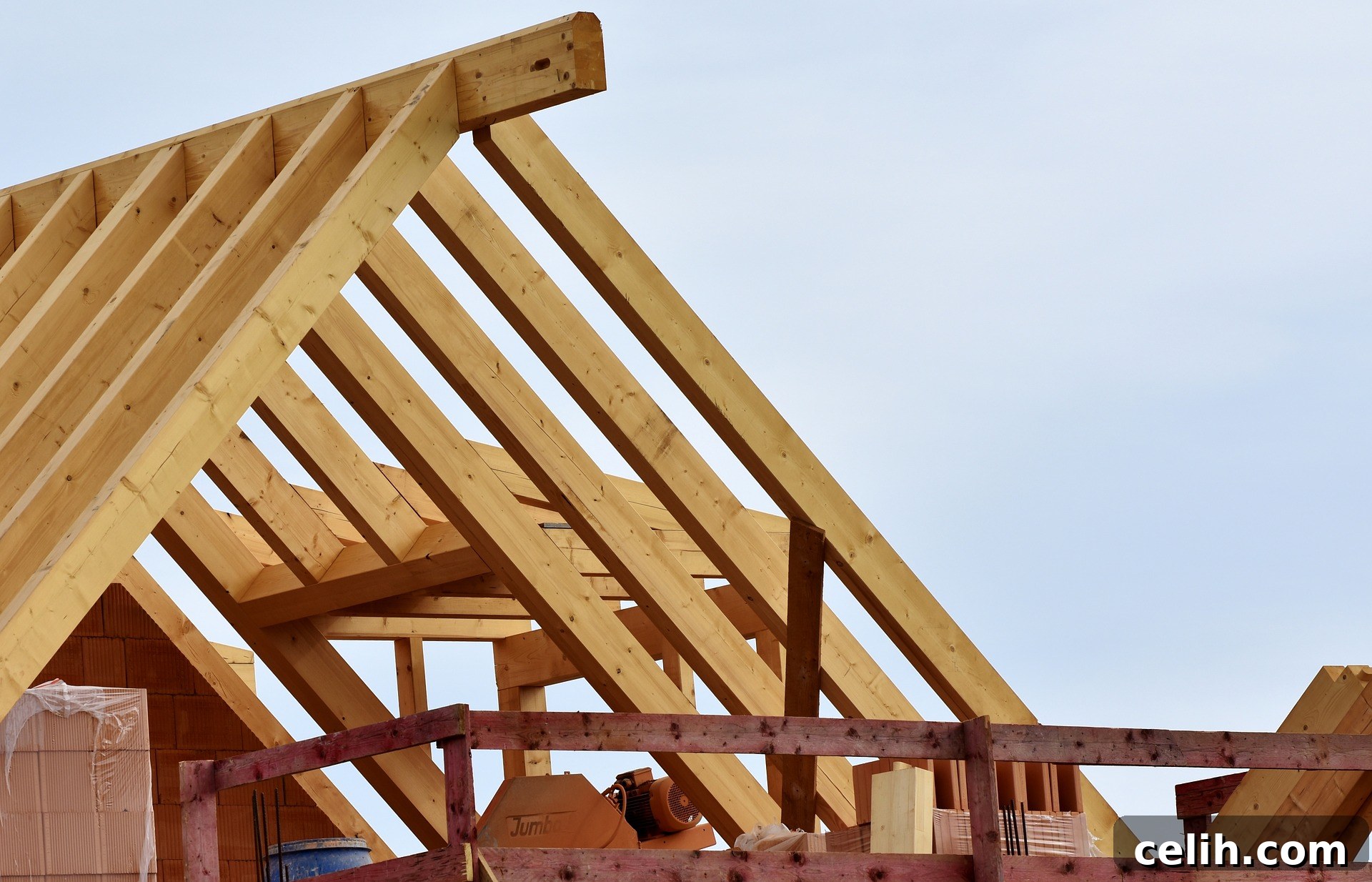
Undertaking a home renovation is an exciting yet daunting endeavor, representing one of the most significant investments a homeowner can make. To ensure long-term satisfaction and a strong return on investment, laying a solid foundation with superior building materials is absolutely crucial. The choices you make today will dictate your home’s performance, aesthetics, and maintenance needs for decades to come. Opting for materials that are not only stylish and contemporary but also renowned for their durability and efficiency can prevent costly repairs and headaches down the road, ensuring your newly renovated space stands the test of time and enhances your daily living experience.
This comprehensive guide delves into seven essential building materials that every thoughtful home renovation should incorporate, highlighting why these selections are considered the gold standard for creating a resilient, beautiful, and energy-efficient home.
1. Uncompromising Insulation: The Foundation of Comfort and Efficiency
Insulation is unequivocally king in the realm of home performance, and it deserves meticulous attention at every stage of your renovation project. Its paramount role extends far beyond merely regulating indoor temperatures. High-quality, well-installed insulation acts as a formidable barrier, effectively preventing drastic temperature fluctuations, which translates directly into significant savings on your heating and cooling bills. Moreover, robust insulation is a powerful deterrent against moisture infiltration, mitigating the risk of mold growth and structural damage. It also plays a crucial role in soundproofing, creating a quieter, more serene indoor environment by dampening exterior noise and minimizing sound transfer between rooms.
When planning your renovation, make it a priority to assess and upgrade insulation throughout your entire home. Focus on selecting the best insulation for exterior walls, which are primary points of heat loss and gain. Don’t overlook the attic; proper attic insulation is vital, as heat rises and can easily escape through an inadequately insulated roof. Furthermore, if your home features a crawl space, seize this renovation opportunity to ensure there is sufficient insulation between your floors and this often-neglected area. Insulating floors above unconditioned spaces not only enhances thermal comfort but also prevents chilly floors, a comfort your feet will undoubtedly appreciate, especially during colder months. Consider various types of insulation, such as fiberglass batts, blown-in cellulose, or spray foam, each offering distinct advantages in terms of R-value (thermal resistance), cost, and installation suitability for different areas of your home. Investing in superior insulation is a foundational step towards a more comfortable, energy-efficient, and durable home.
2. Embracing Sustainability: Eco-Friendly Materials for a Greener Home
The global shift towards sustainability is profoundly influencing consumer choices, with a significant portion of homeowners actively seeking eco-friendly alternatives. Approximately a third of all consumers express a willingness to go above and beyond to purchase products they know are environmentally responsible. If future resale value is a consideration, particularly within the next decade, integrating sustainable building materials into your renovation is a wise strategic move. The construction industry has responded to this demand with an impressive array of green options, ranging from responsibly sourced timber and recycled content drywall to low-VOC paints, energy-efficient windows, and innovative products like roof deck pavers that minimize environmental impact.
While the aspiration to build green is commendable, it’s also practical to acknowledge that balancing eco-friendliness with budget constraints and specific material requirements can sometimes present challenges. It’s crucial to approach this aspect with a balanced perspective, weighing the environmental benefits against practical considerations. You don’t need to overextend your finances to embrace sustainability; instead, focus on making conscious, achievable efforts where possible. Prioritize materials with certifications such as LEED, GreenGuard, or Cradle to Cradle, which guarantee a commitment to environmental responsibility. Consider options like bamboo or cork flooring, reclaimed wood, recycled glass countertops, or high-efficiency water fixtures. Every sustainable choice contributes to a healthier planet, reduces your home’s carbon footprint, and often leads to long-term savings through improved energy and water efficiency, enhancing both your home’s value and its appeal to environmentally conscious buyers.
3. The Apex of Protection: Everything Your Roof Needs and More
The roof is your home’s primary shield against the elements, making its condition and material choice paramount in any renovation. A critical first step is to assess your existing roof’s age and overall state. Older roofs often betray their age through tell-tale signs such as noticeable discoloration, areas of sagging, cracked or curling shingles, and, most critically, visible leaks. Ignoring these warning signs can lead to extensive and costly damage to your home’s interior and structure, so proactive inspection and timely replacement are essential.
When a roof update is necessary, choosing a material like natural slate is often considered one of the best long-term investments you can make. Slate roofing offers an unparalleled combination of benefits: it’s not only an eco-friendly choice, being a natural stone, but it also boasts extraordinary longevity and aesthetic appeal. Its inherent density makes it incredibly sturdy and resistant to virtually all types of severe weather, including high winds, heavy rain, snow, and even fire. When properly installed and maintained, a high-quality slate roof can easily last upwards of a hundred years, dramatically surpassing the lifespan of conventional roofing materials like asphalt shingles, which typically require replacement every 20-30 years. While the initial investment in slate may be higher, its exceptional durability, minimal maintenance requirements, and timeless beauty often result in a lower lifetime cost and significantly enhance your home’s curb appeal and value. Other durable options include metal roofing, known for its longevity and energy efficiency, and clay or concrete tiles, which offer excellent resilience in various climates.
4. Extending Living Spaces: Materials That Invite You Outside
The demand for seamless indoor-outdoor living has surged, making outdoor spaces a key consideration for many homebuyers in today’s market. Home hunters are increasingly seeking properties that offer outdoor areas just as functional, attractive, and well-designed as their interior counterparts. This trend emphasizes utility, aesthetic harmony, and features that maximize enjoyment and versatility.
Incorporating materials that create a welcoming and functional exterior living space can significantly boost your home’s appeal and your quality of life. This might involve installing a high-quality deck or patio constructed from durable materials like composite decking, natural stone pavers, or treated hardwoods that can withstand the rigors of outdoor exposure without excessive maintenance. Alternatively, investing in a sophisticated outdoor entertainment area could be a game-changer, perhaps complete with a fully equipped outdoor kitchen. Imagine cooking and socializing with guests al fresco, enhancing your entertaining capabilities. For such areas, selecting weather-resistant cabinetry, marine-grade stainless steel appliances, and resilient countertops is paramount.
Beyond these, consider elements like fire pits for cozy evenings, pergolas or awnings for shade, and comfortable outdoor furniture made from fade-resistant and waterproof fabrics. The key is to choose materials that are sealed exceptionally well and engineered to handle whatever weather conditions your region experiences, from intense sun and humidity to freezing temperatures and heavy precipitation. Focusing on durability and low-maintenance will ensure your outdoor oasis remains a source of joy and relaxation for many years, effectively extending your home’s usable living space.
5. Siding That Will Stun: Protecting Your Home with Style
Siding, though often taken for granted in home renovations, plays a multifaceted and critical role in your home’s integrity and aesthetic appeal. Many homeowners tend to overlook their siding unless obvious cracks or damage appear, operating under the assumption that if it looks intact, it’s functioning properly. Unfortunately, many types of siding can deteriorate internally or slowly lose their protective capabilities without overt visual cues, only revealing their age and compromise when it’s too late – when moisture penetration or insect infestations have already begun to affect your home’s structure. This makes a thorough evaluation of your existing siding an essential part of any renovation.
Upgrading your home’s siding offers a dual benefit: it provides robust protection against the elements and significantly enhances curb appeal. Consider a stunning material like board and batten siding, which offers a distinctive architectural style, adding depth and a timeless charm to your home’s exterior. Modern siding options, including fiber cement, vinyl, and engineered wood, offer superior durability, require minimal maintenance, and are often designed with enhanced insulation properties, contributing to your home’s overall energy efficiency. Fiber cement siding, for example, is highly resistant to fire, rot, and pests, offering exceptional longevity. Vinyl siding is a cost-effective, low-maintenance option available in a vast array of colors and styles. When selecting new siding, prioritize materials known for their resilience against local weather conditions, UV resistance to prevent fading, and ease of cleaning. A fresh, high-quality siding installation not only revitalizes your home’s appearance but also serves as its primary line of defense, safeguarding your investment for years to come.
6. Elevating Everyday Living: Touches of Luxury and Comfort
While luxury might often be perceived as an unattainable extravagance, many opulent touches are becoming increasingly accessible and affordable, allowing more homeowners to infuse their spaces with enhanced comfort and sophistication. Renovations present a prime opportunity to integrate these desirable features that transform daily routines into moments of indulgence and relaxation. If you’ve ever dreamt of a bathroom mirror that remains crystal clear despite steamy showers, or a heated shower floor that makes chilly morning routines infinitely more pleasant, now is the ideal time to explore these and other innovative upgrades.
Beyond heated floors and fog-free mirrors, consider incorporating smart home technology for effortless control over lighting, temperature, and security. High-end fixtures in kitchens and bathrooms, such as touchless faucets, deep soaking tubs, or rainfall showerheads, can elevate the experience. Upgrading countertops to premium materials like quartz, granite, or marble adds immediate visual appeal and durability. Custom cabinetry not only maximizes storage but also adds a bespoke, luxurious feel to any room. Even seemingly small details, like integrated sound systems, dimmable lighting, or high-quality soft-close hardware on drawers and doors, contribute significantly to a sense of comfort and refinement. These luxurious elements aren’t just about aesthetics; they enhance functionality, improve your quality of life, and create a sense of excitement and welcome every time you return home. Thoughtfully chosen luxury touches can also be powerful selling points, increasing your home’s market value and appeal.
7. Smart and Stylish: Windows That Protect While Looking Great
Natural light has been a highly coveted feature in home design for decades, recognized for its ability to enhance mood, reduce energy costs, and make spaces feel more open and inviting. However, the benefits of abundant natural light are severely diminished if your windows are also allowing drafts, moisture, and external noise to infiltrate your home. During a renovation, meticulously inspecting all existing doors and windows for leaks or unwanted airflow is a crucial step. If cold air is seeping in during winter or warm air escaping in summer, your windows are acting as expensive energy leaks, significantly driving up your monthly heating and cooling bills.
Investing in new, energy-efficient windows is one of the most impactful upgrades you can make to your home. When selecting replacements, consider windows specifically designed for your local climate and appropriate for the architectural style of your property. Look for features such as double or triple-pane glazing, low-emissivity (Low-E) coatings to reflect heat, and inert gas fills (like argon or krypton) between panes to improve insulation. Pay attention to energy performance ratings such as U-factor (which measures heat loss) and Solar Heat Gain Coefficient (SHGC, which measures solar heat penetration). Beyond energy efficiency, modern windows offer enhanced security features, noise reduction capabilities, and a variety of frame materials (vinyl, wood, fiberglass, aluminum) and styles (casement, double-hung, picture) to suit any aesthetic preference. Given that a complete set of high-quality replacement windows can represent a significant investment, often tens of thousands of dollars, it is imperative to choose a reputable company with outstanding customer reviews and a proven track record for professional installation. The right windows will not only dramatically improve your home’s comfort and energy efficiency but also boost its curb appeal and long-term value, offering a compelling return on your investment.
Every Property Can Use a Great Update
Regardless of its current state, every property holds the potential for transformation and enhancement. Sometimes, the most effective approach to revitalizing a home is to reimagine it from the ground up, embracing a comprehensive renovation rather than piecemeal repairs. From reinforcing your home’s envelope with superior insulation and upgrading to a durable, aesthetically pleasing roof, to refreshing its exterior with stunning new siding, the materials you choose are fundamental to the success and longevity of your project. As you embark on your next remodel, give careful consideration to incorporating some of these top-tier materials. They represent not just expenditures, but strategic investments in your home’s comfort, efficiency, beauty, and enduring value, ensuring it remains a cherished and functional space for generations to come.