
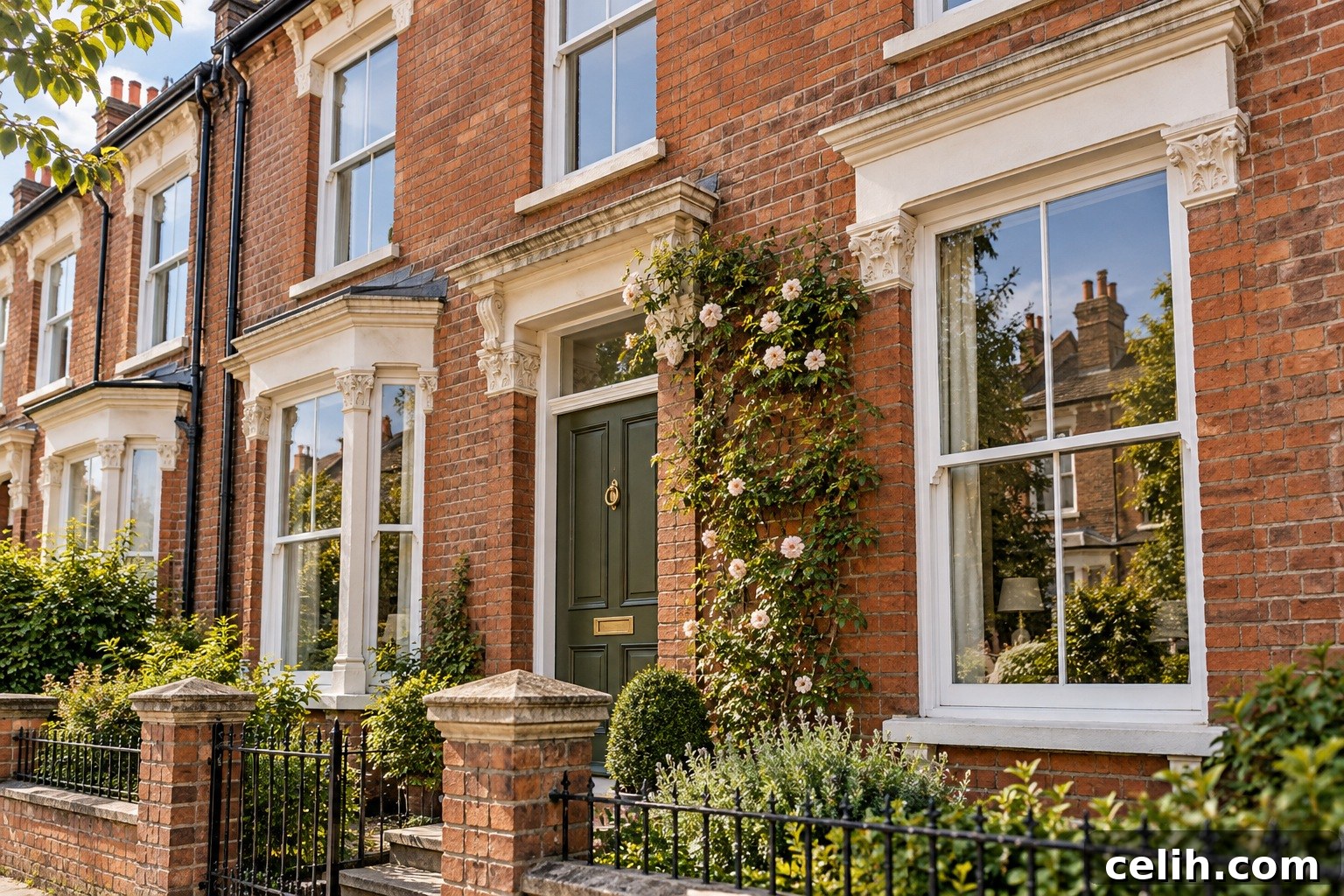
Few features define a period home as clearly as original sash windows. The slim glazing bars, tall proportions and the faint ripple of old glass that catches light differently from modern panes are the details that give Georgian, Victorian and Edwardian facades their character. Yet these same windows are often the first things threatened when a house is renovated.
It’s an easy trap to fall into: decades of paint have clogged the mechanism, the sashes rattle in a winter draught, a cord has snapped, or timber has softened at the bottom rail. The quick solution is to replace everything with sealed, modern units. But doing so sacrifices the very character that made the house special, and often discards windows designed to be repaired.
This guide explains what sash window restoration involves, how to tell whether your windows can be saved, approximate costs, the rules that apply in conservation areas and listed buildings, and when replacement is the better option.
Table of Contents
What Makes a Sash Window Worth Saving
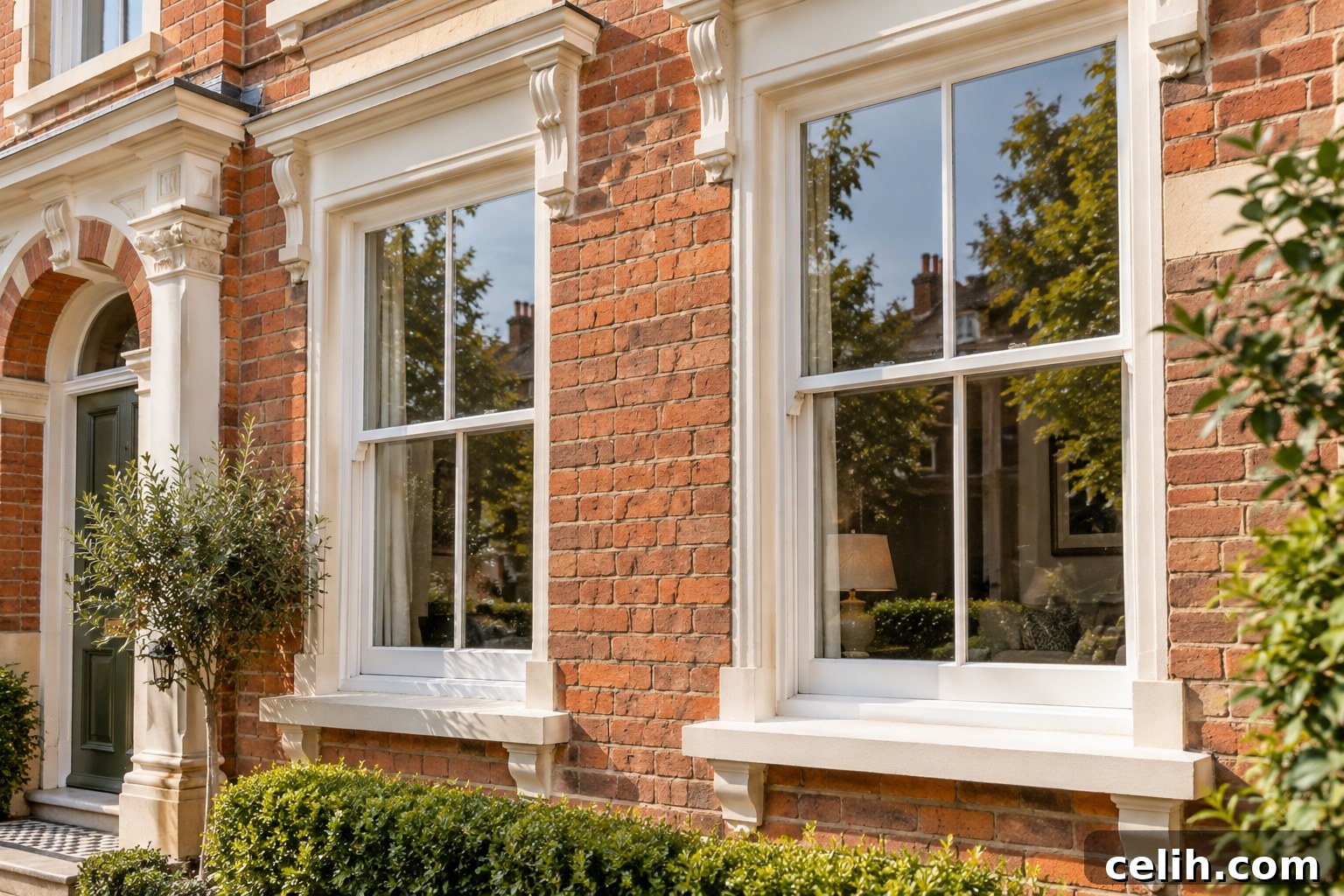
A traditional sash window is an assembly of separate parts: two glazed panels that slide past each other in a hollow timber frame, counterbalanced by concealed weights on cords so each sash glides and stays where left. This modular design is a key reason originals are worth preserving—individual components can be repaired or renewed without discarding the whole window.
Period timber also matters. Many older sashes were made from slow-grown, dense softwood that’s hard to source today, which helps explain why Victorian windows often remain serviceable more than a century on. The glazing patterns matter too: Georgian windows typically show six-over-six panes, Victorian examples often use larger panes (two-over-two or one-over-one), and Edwardian windows commonly combine a plain lower sash with a decorative upper sash. Matching those rhythms preserves the look of the facade.
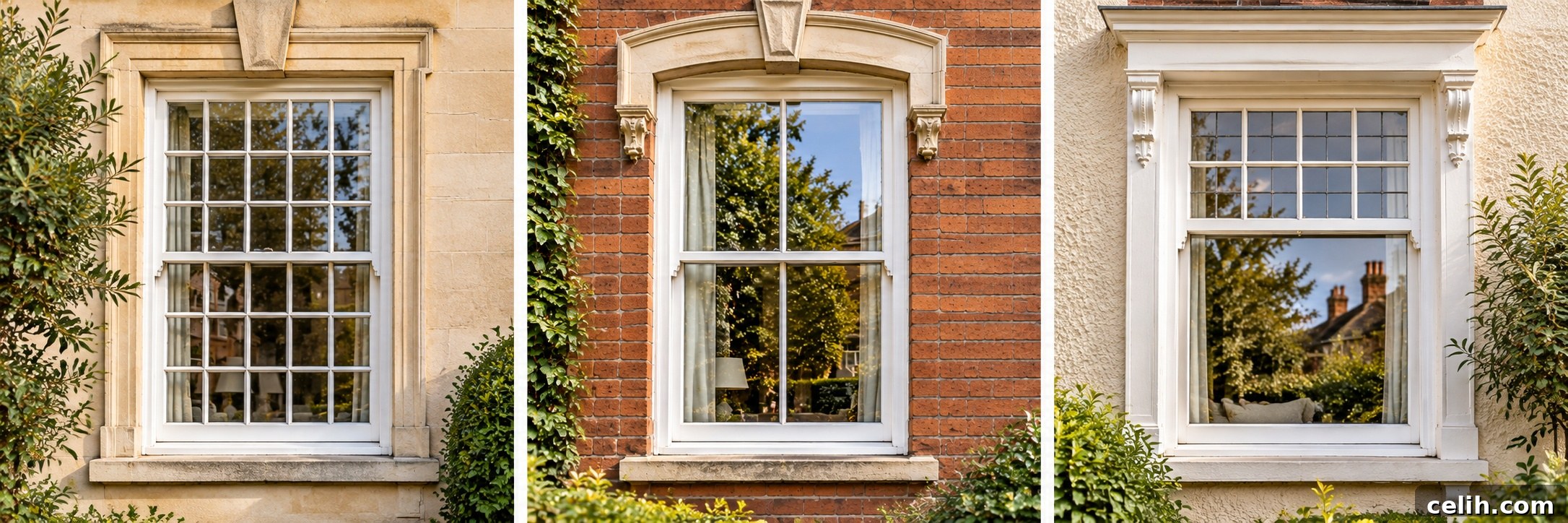
Finally, original crown or cylinder glass scatters light in a way modern float glass cannot convincingly replicate, and slim, genuine glazing bars look far more delicate than the chunky profiles of many replacements. Those subtle qualities are difficult to fake and contribute significantly to a period property’s character.
Assessing the Condition: Can Your Sashes Be Restored?
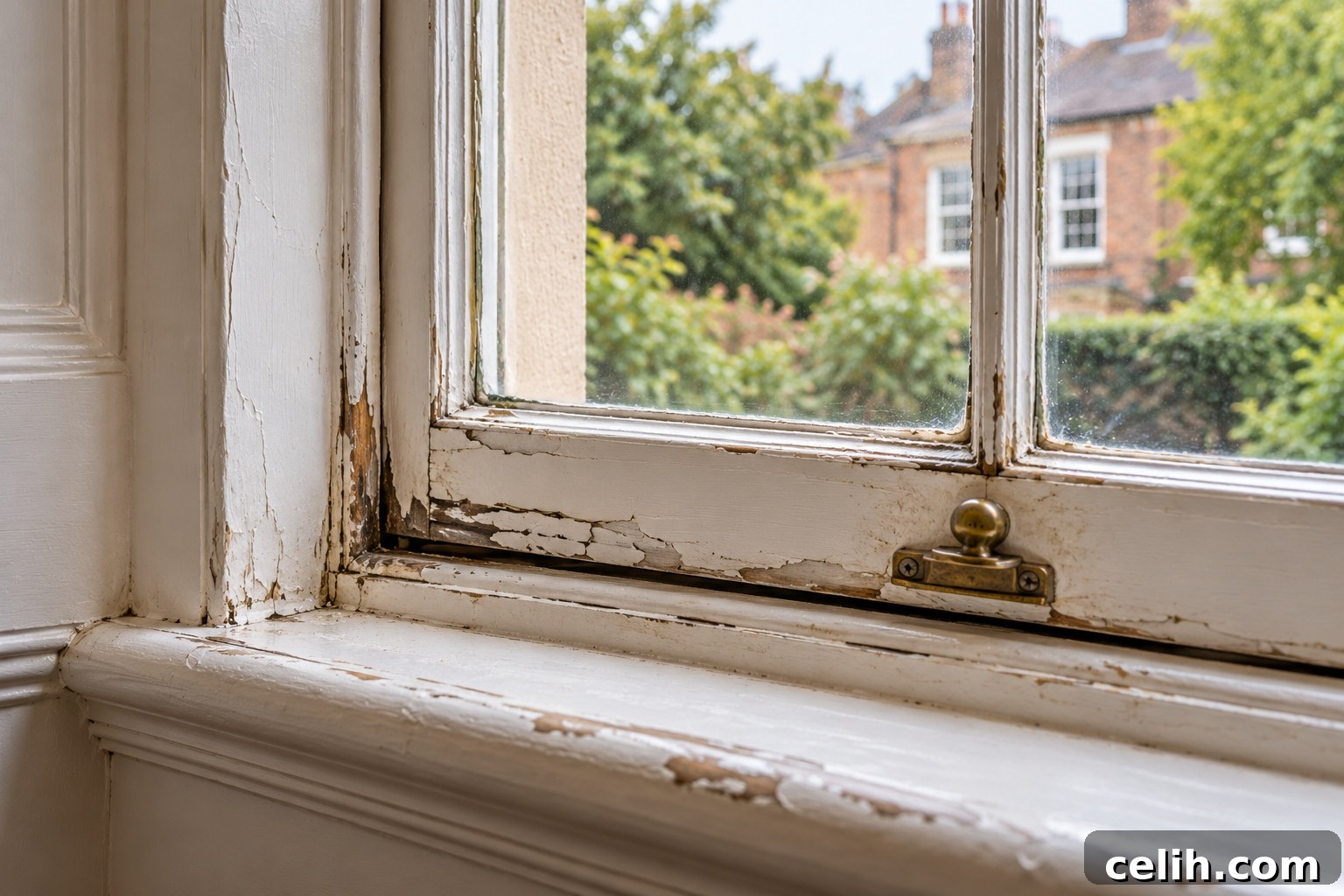
Sash restoration typically involves stripping old paint, overhauling the sliding mechanism, renewing cords and sometimes weights, replacing worn beads, splicing fresh timber into decayed sections, draught-proofing, then re-puttying, re-glazing and repainting. The objective is to retain as much original fabric as possible and replace only what has failed.
Start with a simple inspection, window by window. Do sashes rattle or stick? Has one dropped so it no longer sits square? Can you feel a draught? Press gently on the lower rails and sill: is the timber firm or soft? Look for flaking putty, blistered paint and internal condensation.
Most issues are routine: sticking sashes, draughts, snapped cords, paint build-up and small, localised rot are everyday repairs for a joiner experienced with period windows. Widespread decay—rot through the box frame or along the sill where water collects—changes the picture. A small, coin-sized soft patch is manageable; a frame that crumbles under pressure may not be.
Because internal inspections can miss structural decay, it’s worth having a specialist survey the windows before committing to a plan. An experienced sash joiner can quickly distinguish superficial defects from structural problems and often save windows that appear beyond help to the untrained eye.
What Restoration Actually Involves
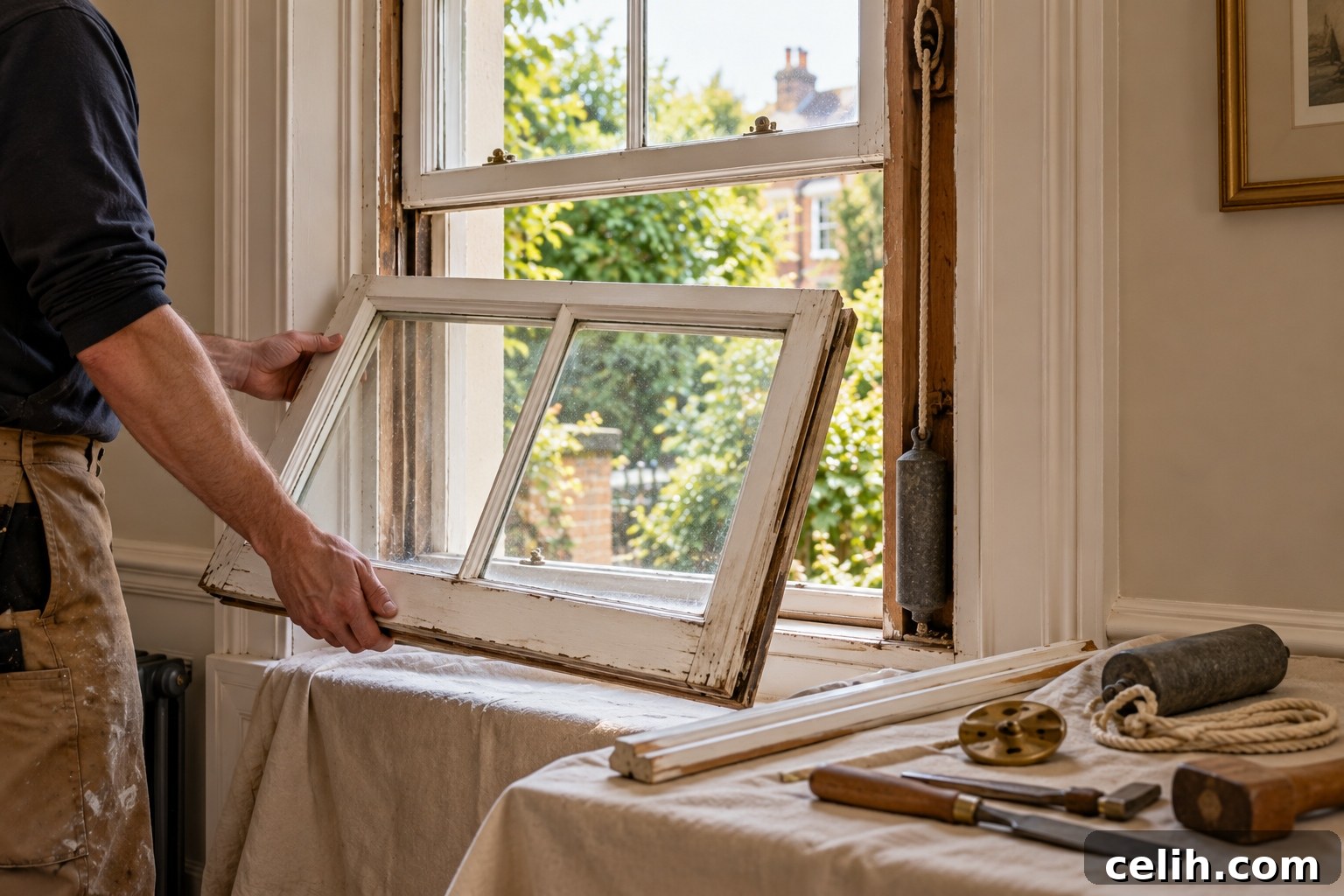
Restoration follows a consistent sequence. Sashes are removed by taking out the beads and releasing the cords. Old paint is stripped back—often the moment that reveals a window’s true condition and frees mechanisms that have not moved in years. The pulley-and-weight system is overhauled: cords are renewed, pulleys cleaned or replaced, and weights rebalanced so each sash glides and stays put.
Where decay is localised, the craft lies in retaining original fabric. Rather than discarding an entire sash for a soft corner, a skilled joiner cuts back to sound timber and splices in a matching piece, shaped so the repair becomes nearly invisible once painted. That attention to detail separates genuine restoration from a simple refit. Beads are renewed where worn, glass is re-puttied and re-glazed, and the whole window is primed and repainted to protect it.
Restoration is also the right time to address draughts and heat loss. Discreet brush or compression seals can be routed into the frame so sashes still slide freely but close more effectively, and slim-profile or vacuum glazing can sometimes be fitted without changing the sash proportions. These measures can substantially reduce draughts and heat loss, though actual savings vary by house.
Costs and What Drives Them
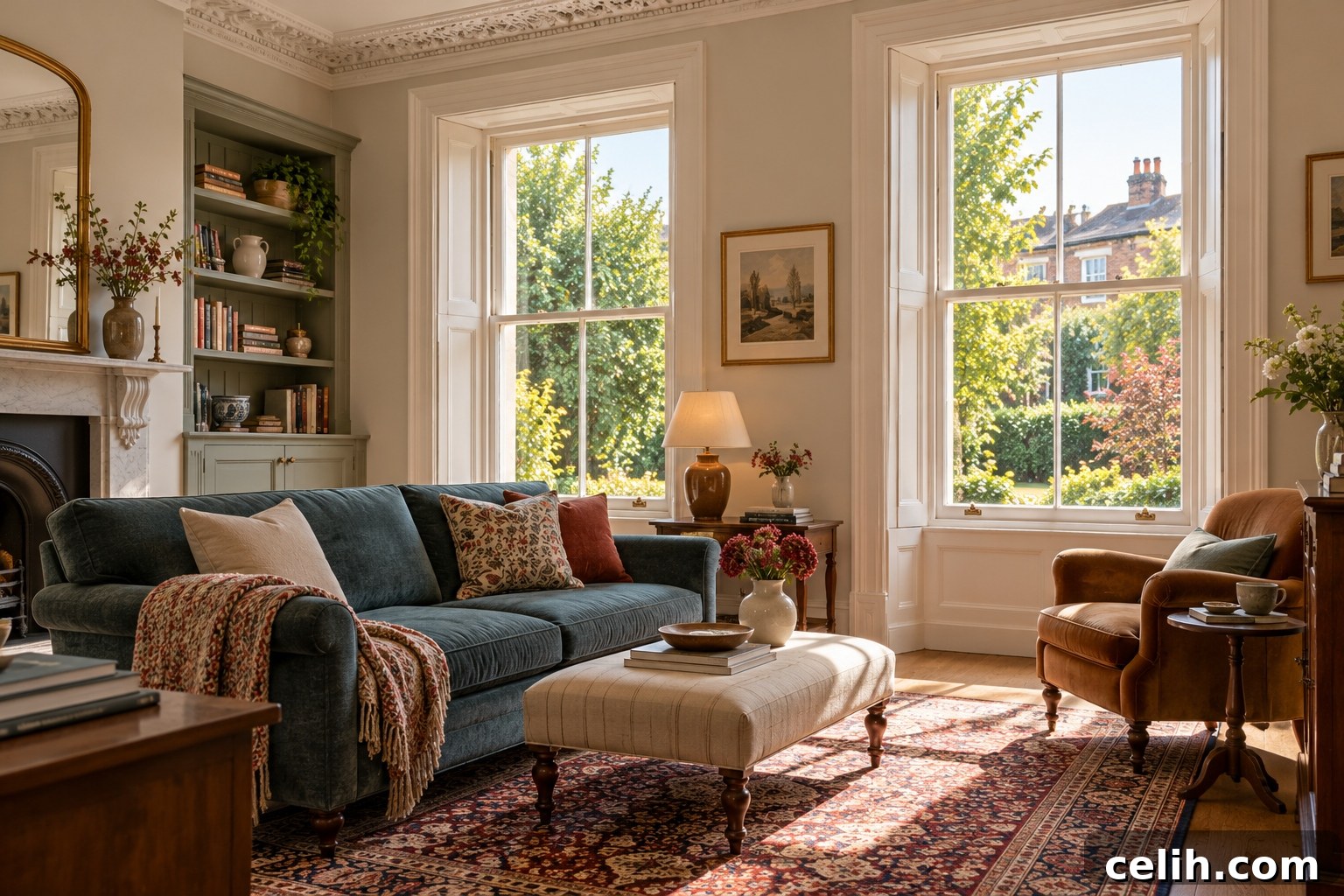
As a guide, a straightforward sash overhaul typically costs a few hundred pounds per window, with prices rising significantly if there is substantial decay to repair or if double glazing is added. These figures are indicative; the true cost depends on window condition, location and the chosen specification, so a surveyed quote is the only reliable way to know.
Key cost drivers include the extent of decay (splicing in timber is time-consuming), the number of windows, whether draught-proofing or double glazing is requested, and access—upper-floor windows may require scaffolding. In listed buildings or conservation areas, using sympathetic materials and approved methods can increase both the work and the price.
Listed Buildings and Conservation Areas
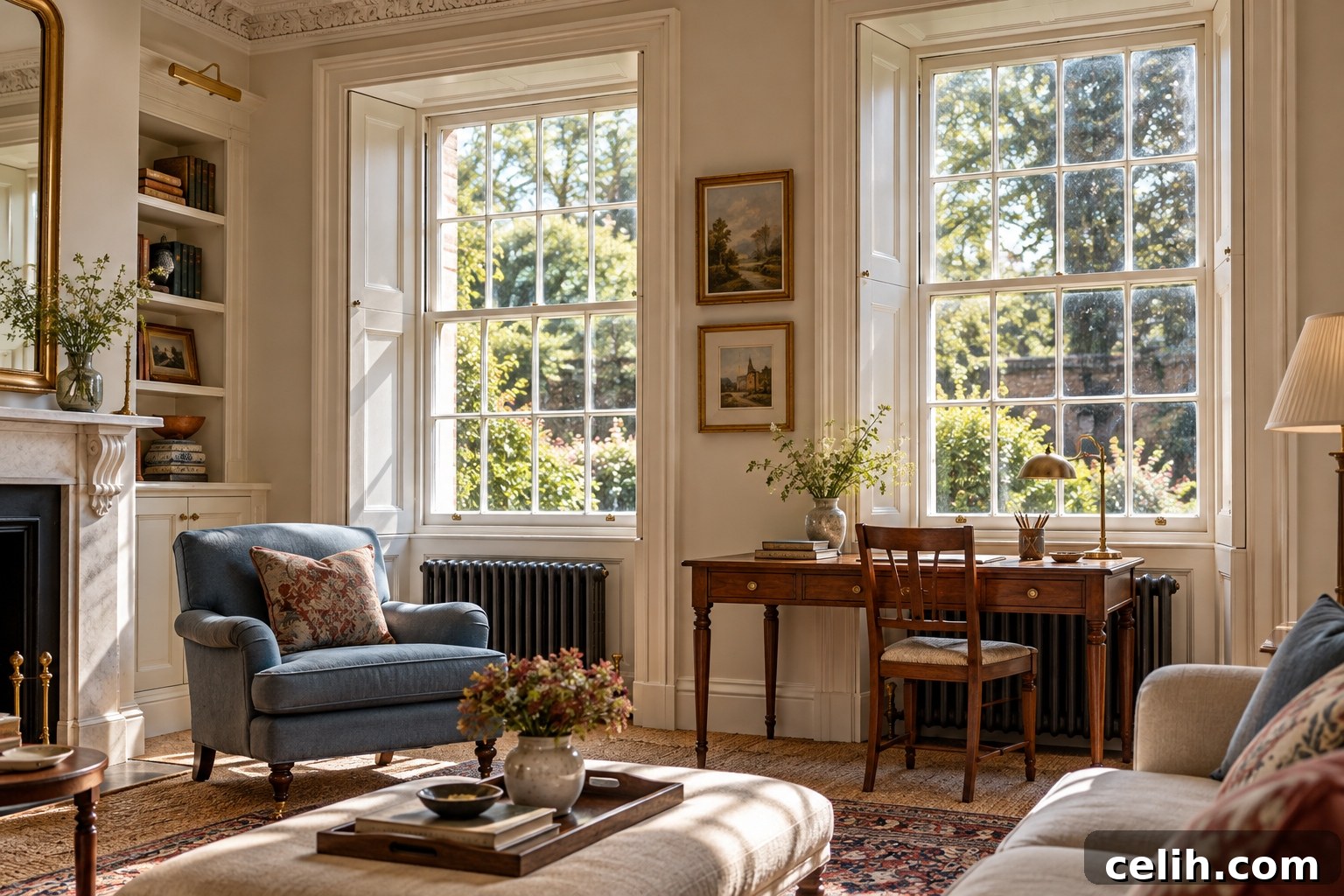
Period windows often come with additional planning constraints. In conservation areas and on listed buildings, replacing or altering windows is commonly controlled, and like-for-like restoration is usually the preferred route because it preserves the building’s appearance.
Guidance and rules vary between authorities and properties, so check with your local planning office about conservation-area and listed-building consent before starting work. What is permitted on one property is not automatically permitted on another, so confirming your position early avoids problems later.
When Restoration Isn’t the Right Answer
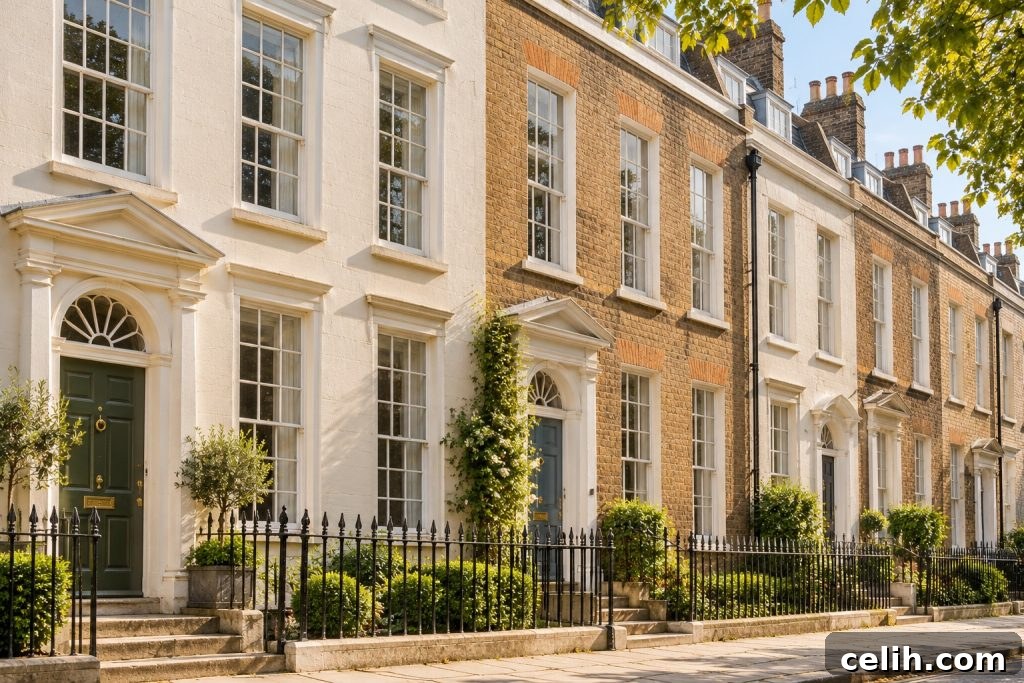
Not every window can be saved. Some sashes are genuinely beyond practical repair: rot that has spread through the box frame and sills, previous repairs using filler that trapped moisture, or frames so decayed that the cost of repair exceeds replacement. A reputable specialist will tell you when you’ve reached that point rather than applying a temporary fix that will fail again.
When replacement is necessary, avoid uPVC on period facades: it rarely sits well and cannot be repaired like timber. The best option is like-for-like replacement—new sashes made to the original profile from durable timber, matching the glazing-bar pattern and proportions of the house. Seek a joiner who produces bespoke timber sashes to the original design so the new windows read as part of the building rather than an intrusion. Done properly, replacement preserves the period look while providing a long-lasting window.
One practical caveat applies to both restored and replacement timber windows: real wood requires maintenance. It’s not maintenance-free. Expect a fresh coat of paint every few years and keep an eye on putty and seals—modest upkeep for windows that, when cared for, can outlast many sealed, synthetic alternatives.
For most period homes, original sashes can be brought back to life, protecting both character and value. Where they cannot, a faithful timber replacement keeps the look intact. Either way, the goal is the same: a window that stays true to the home it belongs to.