
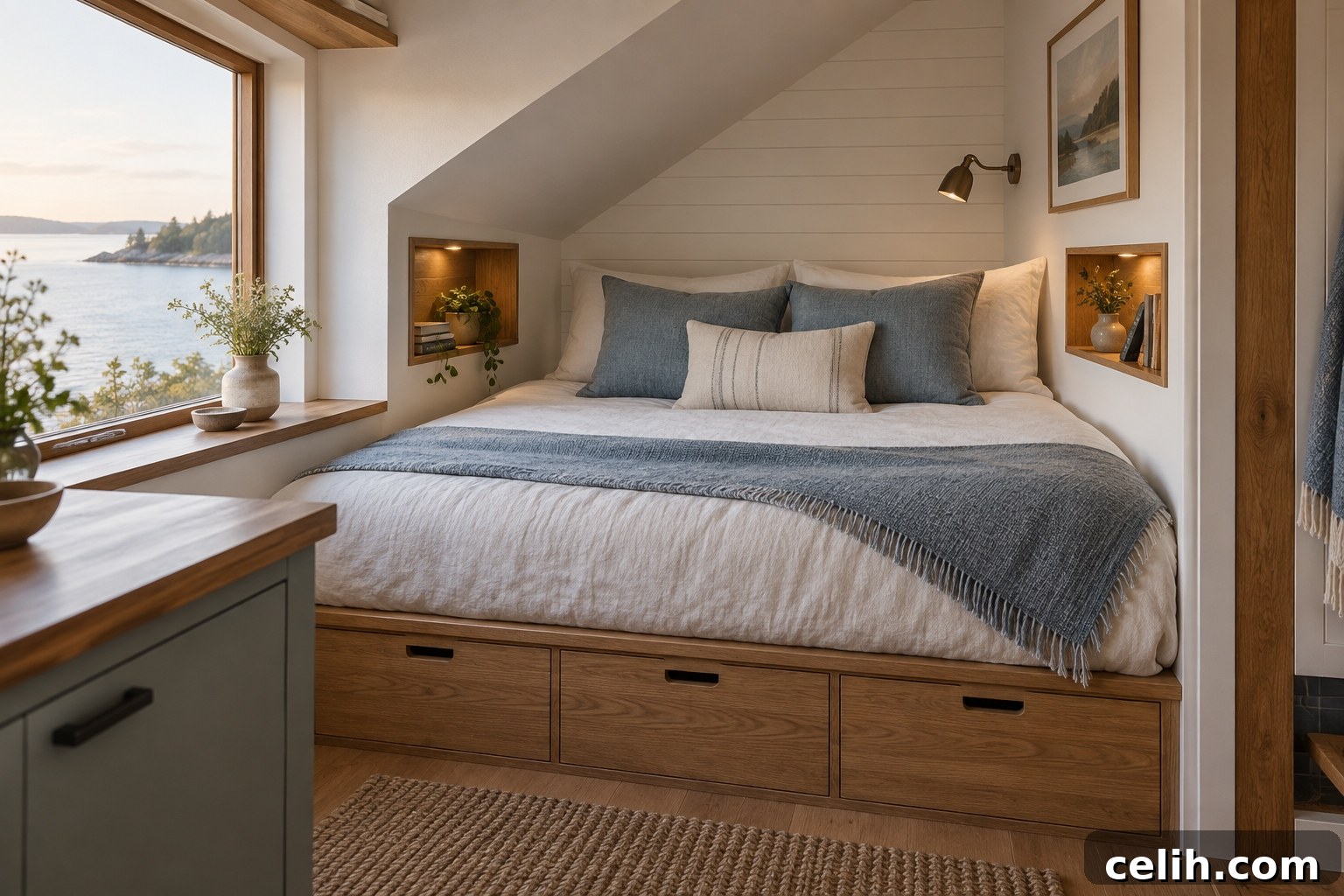
Living in a tiny house reshapes how you approach every piece of furniture, and the mattress is no exception. With limited square footage, tighter circulation paths, and furniture that often must serve multiple purposes, the mattress must balance comfort, fit, and function. In coastal and casual design areas like Huntington Beach, where humidity and compact layouts influence choices, selecting the right mattress for a tiny home is especially important. The right mattress should integrate with your floor plan, support restful sleep, and avoid becoming an awkward, bulky presence in a small interior.
Shop locally when fit and feel are hard to judge online
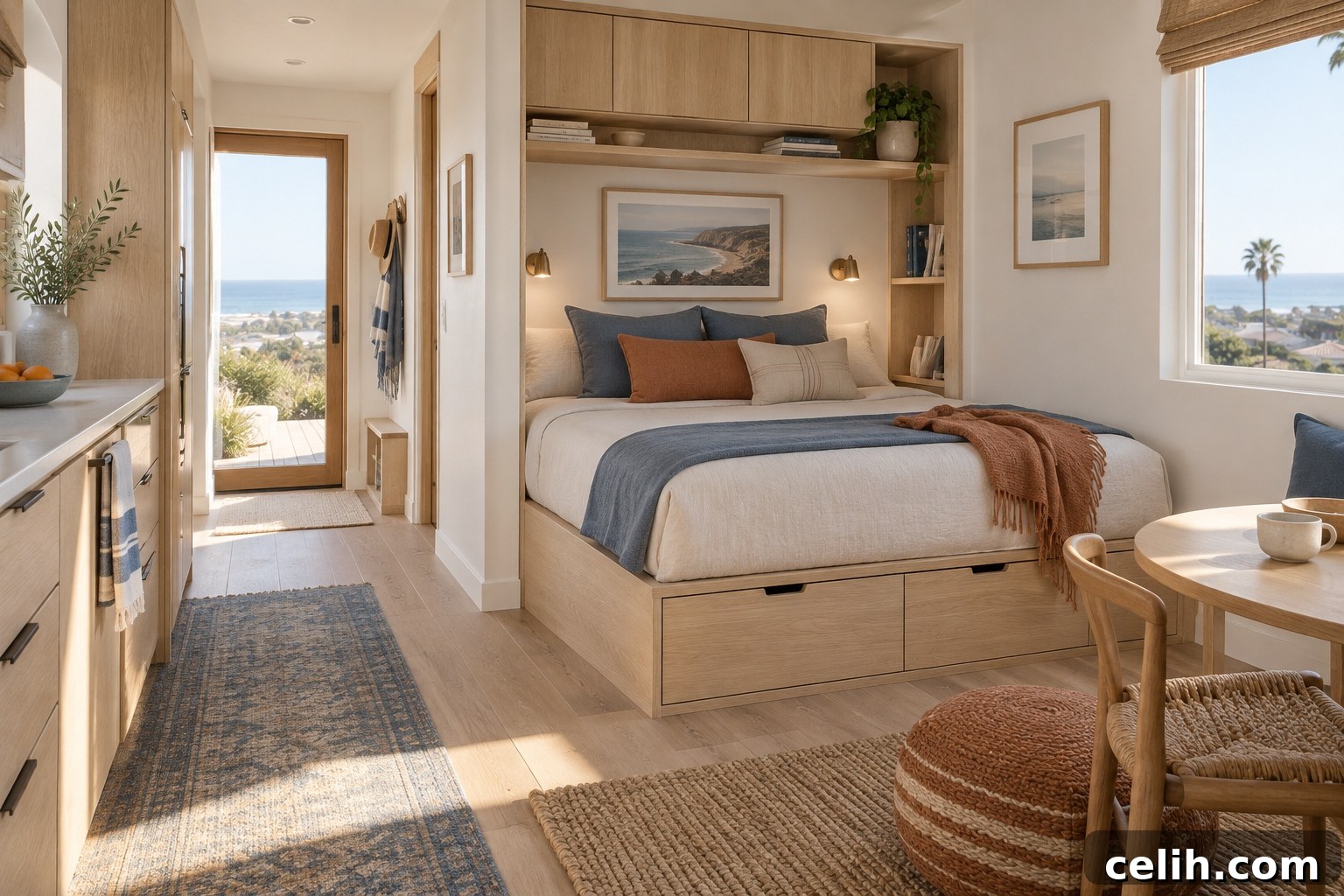
While online mattress shopping is convenient, tiny house layouts make in-person testing far more valuable. In a small home you’re assessing more than softness: dimensions, height profile, edge support, and how a mattress integrates with a compact layout all matter. Visiting a local mattress showroom can let you test different constructions, confirm sizing, and get practical advice about low-profile or custom solutions. Local expertise also helps when coastal humidity and temperature play into performance and durability.
A knowledgeable salesperson can suggest whether a custom size, a thinner profile, or a specific support system will work better than a standard boxed mattress. For tiny houses, practical guidance and hands-on testing usually beat flashy marketing copy.
Why mattress choice matters more in a tiny house
In conventional homes a mattress is often just another bedroom purchase. In a tiny house it becomes a defining element of the floor plan. The mattress influences storage access, movement through the space, airflow, and the overall feeling of openness. Too tall a mattress can make loft entry awkward; too wide a mattress can block built-ins or a necessary walkway. If the bed doubles as seating or daybed, the wrong model can make daily transitions frustrating.
Comfort remains essential, but in compact living comfort must work in harmony with function. That means evaluating factors beyond softness or firmness, including size, weight, and how the mattress behaves in a small-space configuration.
Start with your exact floor plan, not mattress marketing
Before you get drawn into terms like “cooling layers” or “zoned support,” measure your actual sleeping area precisely. Record the platform length and width, ceiling height above the mattress, and any tight corners or narrow openings the mattress must pass through during delivery. In lofted tiny homes, delivery limitations frequently rule out certain mattress types unless they can bend or compress enough to fit upstairs.
If you have built-in storage, folding frames, or under-bed drawers, measure around those features too. Even a two-inch discrepancy can prevent drawers from opening freely or cause bedding to snag on surrounding surfaces. Accurate measurements prevent costly returns and save time.
Pick the right mattress size for compact living
Bigger is not always better in a tiny home. The ideal mattress size depends on how you use the surrounding space. Twin or twin XL models are good for solo sleepers, daybeds, or convertible seating areas. Full-size mattresses give more sleeping room without overwhelming the room, while queens suit many couples but can dominate cramped layouts. Custom sizes often make sense where lofts, trailers, or niche platforms have unusual dimensions. A mattress that fits the structure cleanly makes the interior feel intentional and well-planned.
Think about mattress height, weight, and mobility
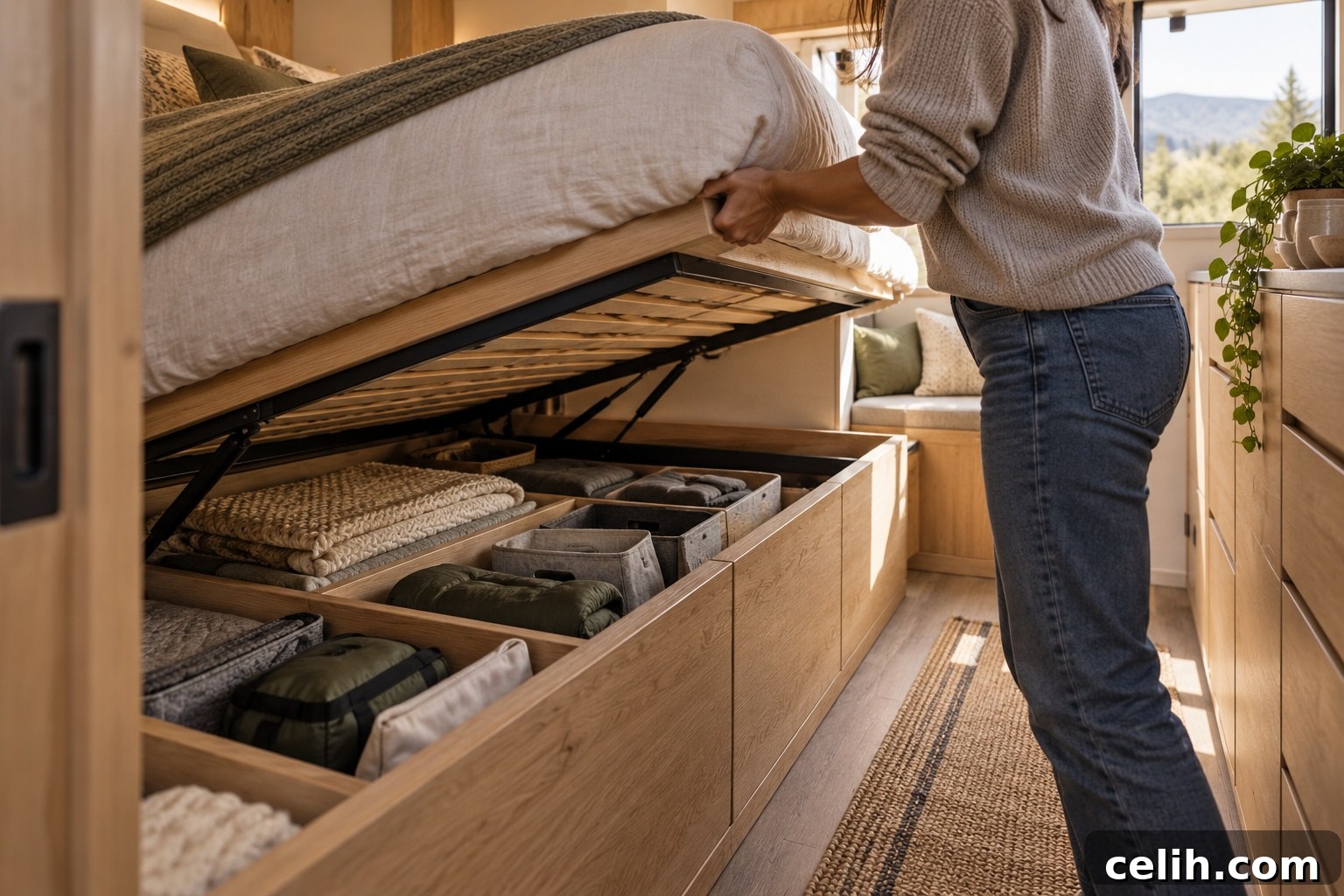
In tiny houses people often focus on footprint and overlook vertical bulk. Mattress height affects how easy it is to sit up, change sheets, and move under low ceilings. Lower-profile mattresses usually suit lofts, bunk areas, and rooms with minimal clearance, while still offering supportive construction. Weight is also critical: heavy mattresses can be hard to lift for cleaning, accessing storage, or rearranging. Choose a model you can reasonably manage for regular maintenance and seasonal tasks.
Material choices can affect comfort, airflow, and maintenance
Material selection depends on climate, ventilation, and how often the space is occupied. Memory foam, latex, innerspring, and hybrid mattresses each have tradeoffs. Foam models are often lighter and more maneuverable, making them useful in lofts where flexibility during setup matters. Latex offers durability, resilience, and better natural airflow than dense foam; hybrids combine support with responsiveness but tend to be heavier and thicker.
Moisture control is important in smaller homes, particularly in coastal or humid regions. Limited airflow can trap heat and dampness, so prioritize breathable materials, slatted foundations, and occasional airing out to prevent mildew and preserve comfort.
Don’t ignore bedding, foundations, and long-term upkeep
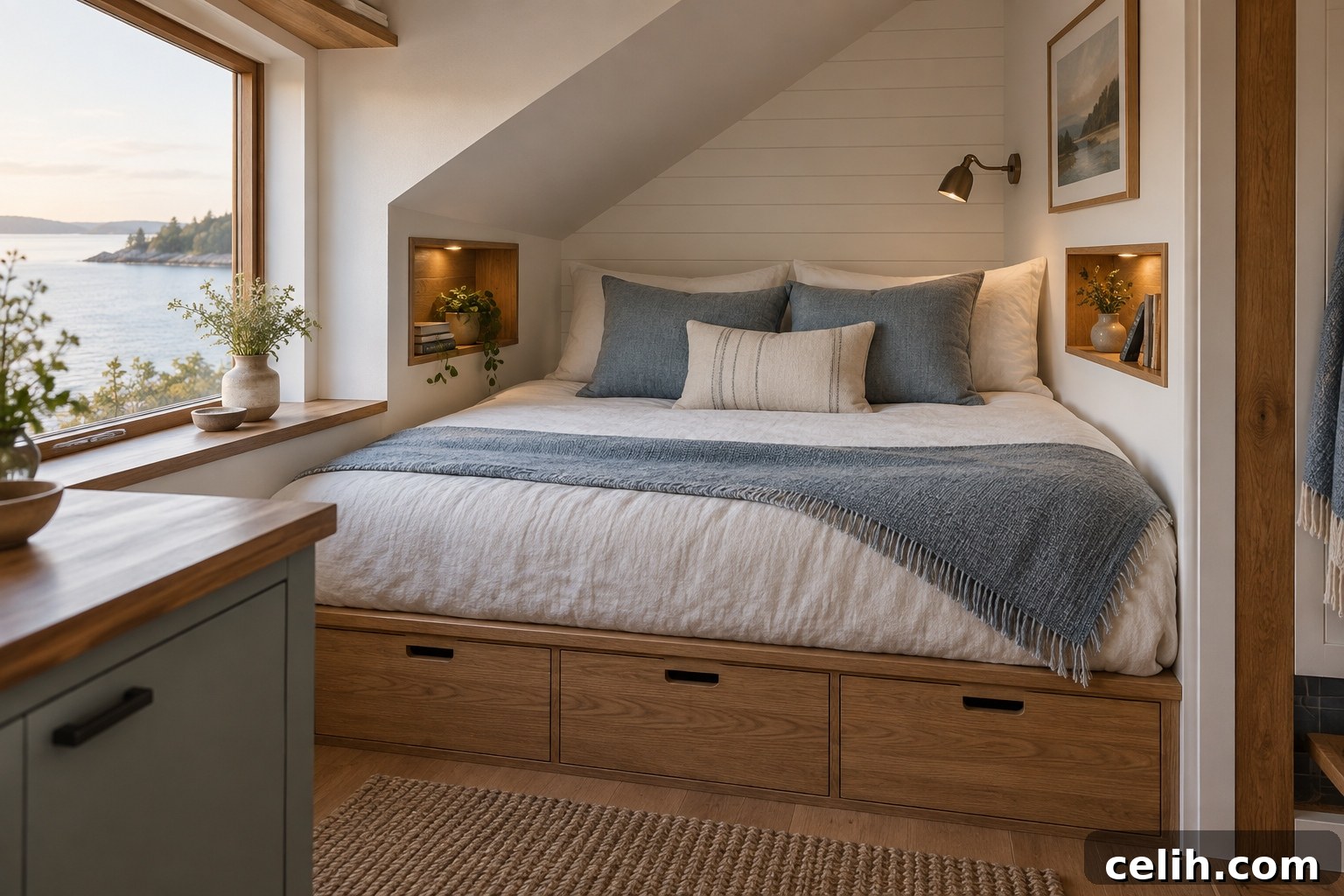
A mattress performs best with the right foundation. In tiny homes, solid plywood bases without ventilation can trap moisture; slatted frames with appropriate spacing usually allow better airflow and prolong mattress life. Choose bedding that matches mattress depth to avoid oversized blankets that clutter the space and make storage harder. Washable mattress covers are practical for travel-ready tiny houses, guest setups, or homes with pets.
Establish a simple maintenance routine: rotate the mattress according to manufacturer recommendations, clean under the bed regularly, and monitor for condensation in colder months. Small-space living rewards preventive care that avoids larger problems later.
Final thoughts on making a smart tiny house mattress choice
Choose a mattress that supports your body, suits your layout, and endures everyday use. Careful measurement, attention to airflow and weight, and honest assessment of how you sleep will lead to a better decision than chasing discounts or buzzwords. When your mattress complements your tiny house design—supporting sleep, storage, and daily routines—the whole space feels calmer and more functional. That makes the investment worthwhile every night.