
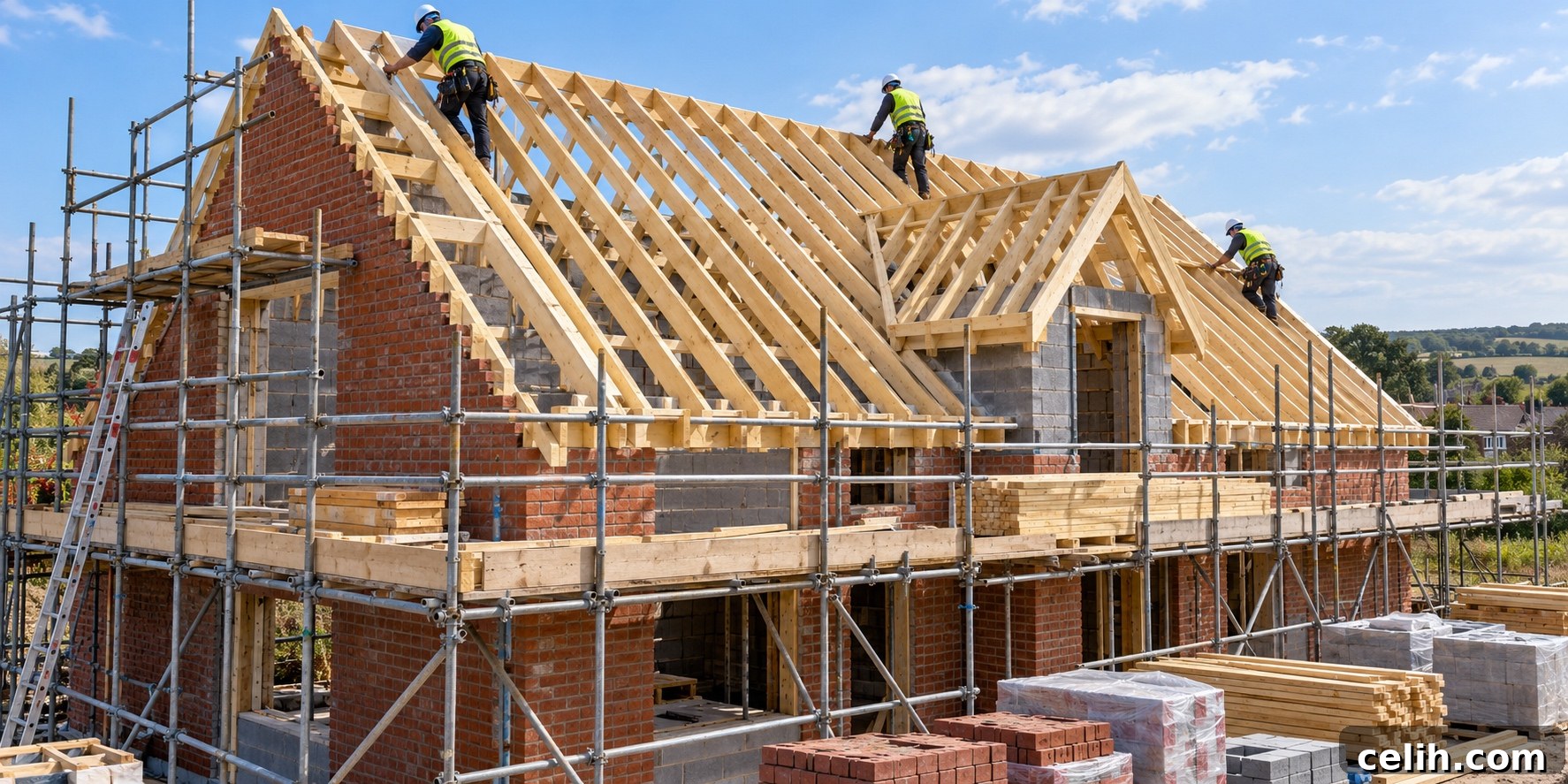
Many roofing contractors discover their exposure only after a claim occurs. Insurers for large-scale roofing projects face different obligations than standard commercial carriers, and the overlap — or gaps — between general liability and builders risk policies can be costly. Proper limits for multi-million-dollar contracts, consistent subcontractor insurance compliance across large crews, and clear handling of weather-related disputes require specialized knowledge. After evaluating leading providers in this area, this guide summarizes five insurers that contractors should consider for commercial roofing work.
The shortlist methodology
Each company was evaluated using publicly available information from official sites, independent review platforms, industry directories, and documented project case studies. Only insurers with a verifiable track record supporting roofing or commercial contractor programs were considered. The aim was to surface carriers that perform reliably in real-world roofing scenarios, not just those with appealing marketing.
- Unlimited Contractors Insurance – Best for roofing contractors seeking specialized construction coverage across all 50 states
- Chubb – Best for commercial property and casualty insurance for small to large businesses
- The Hartford – Best for commercial roofing contractor insurance and small business property coverage
- Progressive Commercial – Best for commercial auto and business liability insurance
- Thimble (Arch) – Best for specialty property and casualty insurance for roofing contractors
Table of Contents
The Stakes Behind Choosing Insurers For Large-Scale Roofing Projects
Large commercial roofing projects expose contractors to risk at every stage — from bidding and contracts through construction and closeout. If policy limits are not aligned with contract values, a single loss can erode margins or trigger dispute-driven delays.
The most damaging problems typically arise where general liability, builders risk, and completed operations protections don’t align. Those gaps are not always obvious in policy language, and they become expensive when a claim tests the program.
Specialized insurers understand common roofing failure modes, subcontractor exposures, and the kinds of documentation large owners expect. That expertise improves underwriting accuracy and usually speeds claim resolution, which keeps projects moving and crews paid.
When choosing a carrier, prioritize sufficient limits for the full contract value, proven claims responsiveness on commercial jobs, and consistent loss performance in roofing or contractor lines. Those three indicators reveal practical fit faster than marketing claims alone.
5 Insurers For Large-Scale Roofing Projects Compared
The summary below reflects publicly available details from company sites and independent review platforms.
| Company Name | Years Operating | Headquartered In |
| Unlimited Contractors Insurance | – | – |
| Chubb | Est. 1792 | Zürich, Switzerland |
| The Hartford | Est. 1810 | Hartford, Connecticut |
| Progressive Commercial | Est. 1971 | Mayfield Village, Ohio |
| Thimble (Arch) | Est. 2001 | Jersey City, NJ |
1. Unlimited Contractors Insurance – Best for Roofing Contractors Seeking Specialized Construction Coverage
How Unlimited Contractors Insurance helps
Built specifically for construction trades, this provider focuses on the coverages roofing contractors rely on: commercial general liability, workers’ compensation, commercial auto, umbrella and excess liability, builders risk, surety bonds, and tools and equipment protection. They serve contractors working across state lines and emphasize underwriting and claims practices tailored to roofing exposures. Industry credentials among their staff indicate practical experience with contractor risks.
Why they stand out
Contractors bidding large jobs need carriers who understand completed operations, subcontractor compliance, and performance bonds. This insurer targets those pain points, offering cohesive programs for firms managing multiple crews and large sites. Reviews highlight quick quotes, personalized service, and competitive pricing — a helpful combination for growing contractors.
2. Chubb – Best for Commercial Property and Casualty Insurance for Small to Large Businesses
How Chubb helps
Chubb brings deep financial strength and global capacity, making them a go-to for high-limit needs. Their ratings from major agencies reflect long-term stability, and their international footprint and large agent network allow bespoke programs for complex projects. Contractors who need high policy limits and risk engineering support often choose Chubb for those capabilities.
Why they stand out
When contract values require unusually high limits or layered programs, Chubb’s capacity and underwriting flexibility can be decisive. Their long institutional history and stable claims handling are important for owners and general contractors that demand reliable carriers on large projects.
3. The Hartford – Best for Commercial Roofing Contractor Insurance and Small Business Property Coverage
How The Hartford helps
The Hartford has long experience serving small and mid-size businesses, including contractors. Their commercial suite—property, casualty, workers’ compensation and specialty lines—fits many roofing operations. They are recognized for ethical business practices and consistent claims handling, traits that matter when disputes or complex claims arise on commercial roofs.
Why they stand out
For contractors who want a single carrier to manage both property and liability needs without excessive layering, The Hartford’s broad portfolio and agent accessibility can simplify placement and claims coordination on many commercial jobs.
4. Progressive Commercial – Best for Commercial Auto and Business Liability Insurance
How Progressive Commercial helps
With deep expertise in commercial vehicle programs, Progressive Commercial is a strong choice for roofing firms that operate large fleets. They offer a wide range of vehicle and liability coverages, and their claims services are designed to reduce downtime for businesses that rely on trucks and crew vehicles to keep job sites running.
Why they stand out
If fleet management and commercial auto exposure are central to your risk profile, Progressive’s capabilities and claims processes address the most common operational pain points contractors face.
5. Thimble (Arch) – Best for Specialty Property and Casualty Insurance for Roofing Contractors
How Thimble/Arch helps
Arch, operating in specialty markets, supports layered commercial programs including management and professional liability, property, and casualty protections. Their financial strength and digital tools can streamline policy setup for complex projects, especially where ownership structures or professional exposures increase placement complexity.
Why they stand out
Specialty projects that require tailored professional liability or hybrid coverage benefit from a carrier comfortable with layered risk and digital policy management. Arch’s product breadth and platform tools reduce administrative friction on large commercial jobs.
Evaluation Criteria and Research Approach
This list was created through a multi-step research process that combined directory listings, verified reviews, case studies, and insurer-published materials. Companies were screened for documented commercial roofing or contractor experience, consistent review patterns, and verifiable financial strength ratings from major agencies.
The First Data Gathering Phase
The initial longlist drew on industry directories, specialist review sites, agency listings, and case studies that referenced commercial roofing placements. Firms appearing across multiple sources moved forward for deeper review.
Initial Selection Criteria Applied
Insurers without verified contractor or roofing experience were removed. Review patterns were analyzed for repeated strengths or weaknesses rather than isolated comments. Firms with thin or inconsistent profiles were set aside.
Authenticating the Selected Items
Claims handling, policy structure, and roofing-specific references in client reviews were cross-checked against each carrier’s stated capabilities. Financial strength ratings were verified through official sources to confirm stability for long-term projects.
The Authority Layer
Beyond ratings, the research considered industry awards, trade publication mentions, original insurer research, and professional affiliations. Those authority signals helped identify carriers with sustained market presence and dependable service delivery.
Insurers For Large-Scale Roofing Projects Case Files
Where possible, the final list prioritized insurers with documented case studies or verified reviews tied to large-scale roofing or commercial construction placements. Clear evidence of roofing-focused programs increased a carrier’s weight in the selection.
Finding the Right Insurers For Large-Scale Roofing Projects for Your Needs
Not every insurer suits every contractor. Use the following checklist to narrow choices for your business and specific projects.
- Industry experience: Prefer insurers with documented contractor and roofing underwriting and claims experience rather than general commercial lines only.
- Product scope: Ensure the carrier can provide all necessary coverages — general liability, workers’ compensation, builders risk, completed operations, commercial auto, and umbrella capacity — without risky gaps.
- Price vs. coverage: Compare premium cost against coverage breadth and exclusions. Lower premiums can hide restrictive terms that trigger costs later.
- Performance metrics: Ask about claims turnaround times and loss ratios for commercial roofing accounts to evaluate real performance rather than marketing claims.
- Regulatory and compliance knowledge: Confirm the insurer understands OSHA requirements, state contractor licensing rules, and subcontractor insurance mandates applicable to your projects.
Final Words
Selecting the right insurer for large-scale roofing work is about fit and capability, not only price. Financial strength, roofing-specific coverage depth, and fast, experienced claims handling determine whether a carrier will protect your business when a loss happens. The five insurers summarized here offer distinct strengths; evaluate them against your project size, fleet exposure, and the complexity of subcontractor relationships to find the best match.