
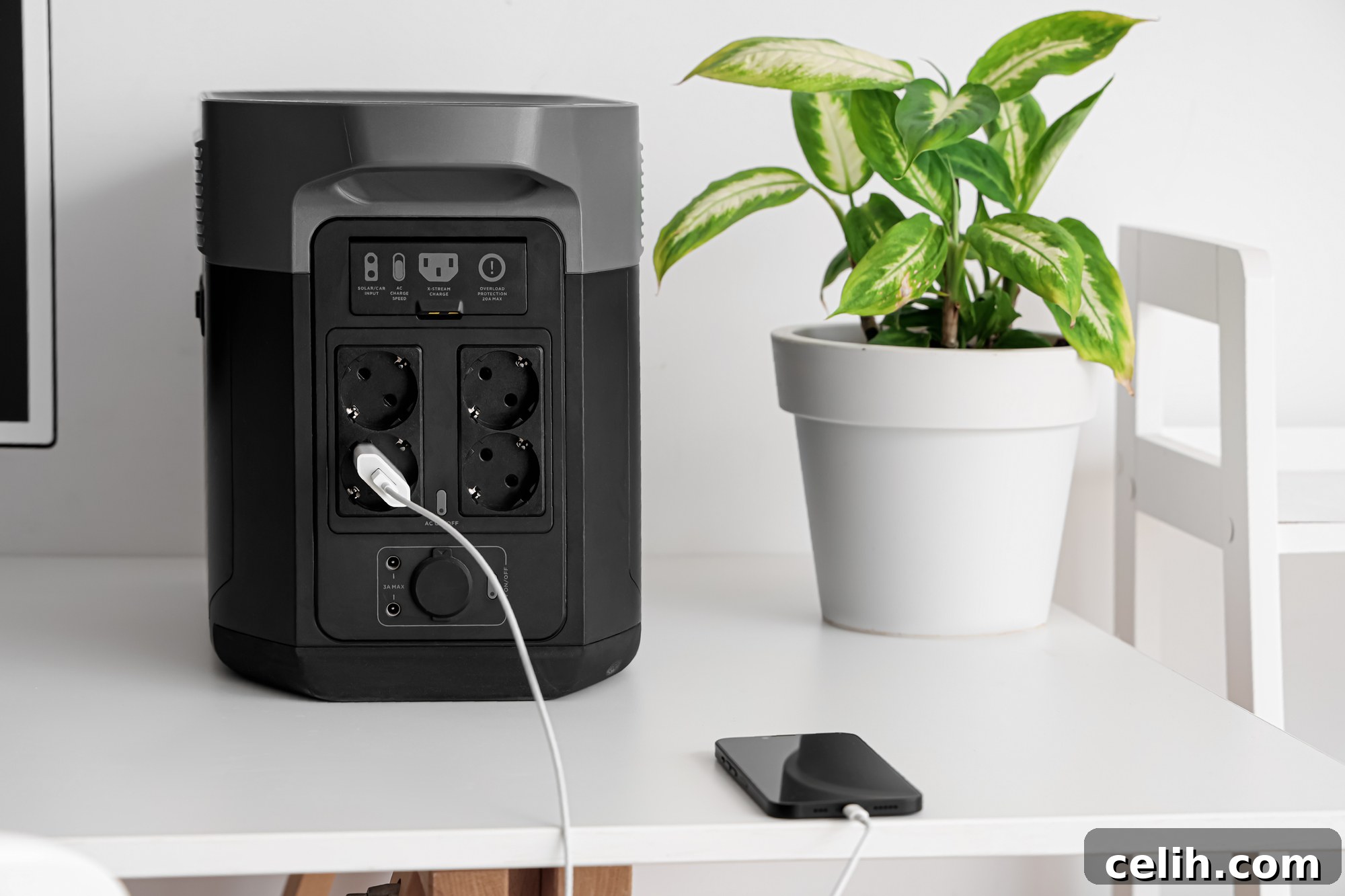
In an increasingly unpredictable world marked by extreme weather events, aging infrastructure, and unforeseen grid failures, ensuring a reliable source of power for your home is no longer a luxury but a fundamental necessity. This is where portable power stations emerge as indispensable tools for modern emergency preparedness. These innovative rechargeable battery-powered devices offer a clean, quiet, and safe solution for backup electricity during power outages or natural disasters, providing peace of mind when the unexpected strikes. Far surpassing the limitations of traditional generators, portable power stations deliver an emission-free, low-maintenance alternative capable of powering everything from essential medical equipment to communication devices and household appliances, all from the comfort and safety of your home. As reliance on consistent power grows, understanding the critical role and superior benefits of these compact energy hubs becomes paramount for every homeowner.
Why Portable Power Stations Are Essential for Home Emergency Situations
Portable power stations are meticulously engineered to address the critical power needs that arise during home power outages. Their suite of advanced features makes them an invaluable asset for maintaining safety, communication, and essential services when the main grid fails.
1. High Battery Capacity and Long-Lasting Power
The core of any portable power station is its battery capacity, typically measured in watt-hours (Wh). This metric directly dictates how long the unit can supply power to your devices. Modern portable power stations boast substantial capacities, ranging from a few hundred watt-hours suitable for charging phones and laptops to several thousand watt-hours capable of running refrigerators, medical devices like CPAP machines, and even essential lighting for extended periods. This generous capacity ensures that during prolonged emergencies, you can maintain critical operations without constant worry about power depletion. Many high-end models utilize advanced battery chemistries like LiFePO4 (Lithium Iron Phosphate), which offer superior longevity, safety, and a greater number of charge cycles, making them a durable, long-term investment for emergency preparedness.
2. Multiple Versatile Charging Options
A key advantage of portable power stations lies in their flexible recharging capabilities, ensuring they can be powered up even when traditional grid electricity is unavailable. The most common charging methods include standard AC wall outlets, which allow for rapid recharging when power is restored. Beyond this, many units support solar panel input, transforming them into a true “solar generator.” This feature is particularly crucial during long-term outages, enabling you to harness renewable energy from the sun to replenish your power station, effectively creating an endless power loop. Additionally, most models can be recharged via a car’s 12V outlet, offering another convenient option for topping up power while on the go or during extended power disruptions. This multi-faceted approach to charging ensures that your portable power station remains a reliable energy source, regardless of the circumstances.
3. A Variety of Outlets for All Essential Devices
To cater to the diverse needs of modern households, portable power stations are equipped with a comprehensive array of output ports. These typically include multiple AC outlets (often pure sine wave, essential for sensitive electronics like laptops and medical equipment), various USB-A and USB-C Power Delivery (PD) ports for fast-charging smartphones, tablets, and other portable gadgets, and DC ports (such as a 12V car socket) for powering automotive accessories or specific DC-powered appliances. This versatility allows users to charge and power multiple devices simultaneously, eliminating the need for bulky adapters or power strips during a crisis. Whether it’s keeping your communication lines open with a charged phone, illuminating your home with LED lights, or preserving perishable food in a mini-fridge, a portable power station offers the necessary connectivity.
4. Unmatched Portability and User-Friendly Design
As their name suggests, portability is a cornerstone of these devices. Designed with convenience in mind, portable power stations are generally lightweight and feature integrated ergonomic handles, making them easy to transport from room to room, relocate outdoors, or even take on camping trips. Their compact footprint means they don’t occupy much space, ideal for storage in apartments or smaller homes. Furthermore, their operation is remarkably straightforward, typically featuring intuitive LCD screens that display crucial information like battery level, input/output wattage, and remaining run time. With simple plug-and-play functionality and minimal setup required, anyone, regardless of technical expertise, can quickly deploy these stations to provide instant backup power when it’s most critically needed, reducing stress during already challenging times.
Transformative Benefits of Portable Power Stations During Emergencies
The advantages of integrating a portable power station into your emergency preparedness plan are numerous and profound, offering a significantly safer, more convenient, and environmentally conscious alternative to traditional fossil-fuel-powered generators for home use.
No Need for Fuel or Gas
One of the most compelling benefits is the complete elimination of reliance on gasoline or other fossil fuels. Unlike gas-powered generators, portable power stations operate purely on stored battery power, meaning there’s no need to store volatile and potentially hazardous fuel containers. This feature drastically increases convenience, especially during prolonged outages when fuel supplies might become scarce or difficult to access. It also removes the messy and often strenuous task of refilling, allowing users to focus on other critical aspects of emergency management.
Whisper-Quiet Operation
Portable power stations operate with virtually no noise, emitting only a faint hum from internal cooling fans. This silent operation is a game-changer, making them perfectly suited for indoor use in any living space—be it a house, apartment, or even a small room—without causing disruption or discomfort. The absence of loud engine noise is particularly appreciated in stressful emergency situations, preserving a sense of calm and allowing for uninterrupted sleep or communication, a stark contrast to the cacophony produced by traditional generators.
Uninterrupted Power for Critical Devices
Designed with emergencies in mind, these stations excel at running essential devices that are vital for health, safety, and communication. This includes life-sustaining medical equipment such as CPAP machines, oxygen concentrators, and insulin coolers. Beyond medical needs, they keep smartphones, laptops, and Wi-Fi routers charged, ensuring you remain connected to emergency services and loved ones. Furthermore, they can power emergency lighting, radios, and even mini-refrigerators to preserve vital medications or food, playing a crucial role in maintaining critical operations and overall well-being during an emergency.
Eco-Friendly and Emission-Free Energy
Portable power stations produce zero emissions during operation. This translates to a significantly safer indoor environment, free from harmful carbon monoxide fumes, making them the only viable indoor power solution. Their eco-friendly design aligns with sustainable energy solutions, especially when paired with solar panels for recharging. By opting for a portable power station, you contribute to a smaller carbon footprint and reduce reliance on fossil fuels, making them an ideal choice for environmentally conscious households during any power disruption.
Versatility Beyond Emergencies
While invaluable for emergencies, portable power stations offer utility far beyond crisis situations. They are excellent companions for outdoor adventures like camping, RV trips, and tailgating, providing convenient power for lights, mini-fridges, and cooking appliances. They can also serve as a portable power source for DIY projects in areas without accessible outlets or as backup power for home office setups, showcasing their incredible adaptability and enhancing their overall value as a multi-purpose investment.
Portable Power Stations vs. Traditional Generators: A Clear Comparison
When assessing backup power solutions for home emergencies, the choice often comes down to portable power stations versus traditional generators. A detailed comparison reveals why portable power stations are rapidly becoming the superior and preferred option for residential use.
1. Emissions, Noise, and Environmental Impact
Portable Power Stations: These devices are a beacon of clean energy. They operate entirely emission-free, producing no carbon monoxide or other harmful fumes. This makes them inherently safe for indoor use. Furthermore, their operation is virtually silent, typically emitting only a faint whir from internal cooling fans, ensuring minimal disturbance to your household or neighbors. This quiet and clean profile is ideal for maintaining a peaceful environment during stressful outages and aligns with modern ecological standards.
Generators: Traditional gas-powered generators burn fossil fuels, leading to significant emissions of carbon monoxide, nitrogen oxides, and particulates. These fumes are highly toxic and necessitate strict outdoor use with proper ventilation, posing severe health risks if not managed correctly. Moreover, generators are notoriously loud, often producing noise levels comparable to a lawnmower, which can be a considerable nuisance in residential areas and during prolonged emergencies, impacting quality of life and potentially violating noise ordinances.
2. Indoor Use, Safety, and Storage
Portable Power Stations: Safety is a primary design principle. Being emission-free, portable power stations can be safely operated inside your home, apartment, or any enclosed space without the risk of carbon monoxide poisoning. This flexibility is critical for comfort and security during adverse weather conditions. Their compact, self-contained nature also makes them safe and convenient to store, requiring no special ventilation or fuel handling precautions.
Generators: Due to the dangerous carbon monoxide emissions, generators absolutely must be operated outdoors, far away from windows, doors, and vents to prevent fumes from entering living spaces. This limitation can be inconvenient during inclement weather or in situations where outdoor space is restricted. Additionally, storing gasoline involves inherent risks of flammability and requires careful management to prevent degradation and ensure safety.
3. Ease of Operation and Maintenance
Portable Power Stations: These units are designed for ultimate user convenience. They are typically “plug-and-play,” requiring no complex startup procedures, fuel mixing, or intricate maintenance routines. Recharging is as simple as plugging into a wall outlet, connecting to solar panels, or using a car charger. Their intuitive interfaces and minimal moving parts mean less hassle and more reliability during critical moments.
Generators: Operating a traditional generator often involves more complex procedures, including checking oil levels, adding fuel, manual pull-starts (or electric start that might fail), and regular maintenance like oil changes, spark plug replacements, and fuel stabilizer treatments. These tasks can be challenging and time-consuming, particularly for individuals not accustomed to engine maintenance, and may require specialized knowledge or tools.
4. Long-Term Cost and Efficiency
Portable Power Stations: While the initial investment can be comparable to or even higher than some smaller generators, the long-term costs are often lower. There are no ongoing fuel expenses, and minimal maintenance is required. When paired with solar panels, the “fuel” is free and renewable, offering significant savings over the product’s lifespan. Battery efficiency is also generally very high, with minimal energy loss during charge and discharge cycles.
Generators: Beyond the purchase price, generators incur significant ongoing costs for fuel, which can quickly add up during extended outages. They also require periodic maintenance parts and service, further increasing the total cost of ownership over time. Fuel efficiency can vary, and a portion of the energy is lost as heat and noise.
5. Reliability and Power Quality
Portable Power Stations: Many portable power stations offer pure sine wave AC output, which is crucial for safely powering sensitive electronics like computers, smart TVs, and medical devices, preventing potential damage. Their solid-state design means fewer moving parts and higher inherent reliability.
Generators: Some generators produce a modified sine wave or square wave output, which can be detrimental to sensitive electronics. While inverter generators offer pure sine wave power, they are often more expensive. Mechanical failures are also more common with traditional generators due to their complex engine components.
In summary, portable power stations offer a safer, quieter, more convenient, and environmentally conscious option for residential use during storms or other emergencies. Their eco-friendly nature, ease of use, and ability to power essential devices indoors make them a modern, reliable alternative to traditional generators, aligning better with the demands of contemporary home emergency preparedness.
How to Choose the Right Portable Power Station for Your Home
Selecting the ideal portable power station for your emergency needs requires careful consideration of several key factors. Tailoring your choice to your specific requirements ensures maximum effectiveness and value during a crisis.
Battery Capacity: The Foundation of Endurance
The battery capacity, measured in watt-hours (Wh), is arguably the most critical factor. It dictates how long your devices can run. For basic needs like charging phones, tablets, and small lights for a short outage, a model with 200-500Wh might suffice. However, for powering essential home appliances like a refrigerator, a CPAP machine overnight, or multiple devices for an extended period, you should aim for a capacity of 1000Wh or more. For instance, a 1500Wh unit could power a standard refrigerator (averaging 100-200W when running) for several hours, or a 60W CPAP machine for over 20 hours. Accurately assessing your anticipated usage is vital for making an informed decision.
Device Compatibility and Output Power Requirements
Before purchasing, create a list of all essential devices you plan to power and note their wattage (power consumption). Ensure the portable power station has sufficient continuous output wattage (AC output) to handle these devices, especially if you plan to run multiple items simultaneously. Critically, for sensitive electronics like laptops, medical devices, or smart appliances, choose a model that provides a “pure sine wave” AC output to prevent potential damage. Verify the availability of diverse ports—multiple AC outlets, USB-A, USB-C Power Delivery (PD), and DC ports—to match your specific charging and power needs.
Flexible Recharging Options for Uninterrupted Power
The ability to recharge your power station in various ways is paramount for prolonged emergencies. Look for models that support fast AC wall charging, allowing for quick replenishment when grid power is available. Solar charging capability is a significant advantage, providing an sustainable and independent power source during extended outages. Check the maximum solar input wattage and consider purchasing compatible solar panels (often sold separately) that align with the power station’s specifications. Car charging (via a 12V adapter) offers another convenient option, particularly useful if you need to travel during an emergency.
Understanding Your Specific Power Needs: A Practical Calculation
To accurately determine the necessary capacity, calculate the cumulative power requirements of your essential devices. Here’s a simple method: identify each device’s wattage (usually found on the device or its power adapter) and estimate how many hours you’ll need to run it. Multiply the device’s wattage by the estimated hours of use to get the watt-hours (Wh) consumed. For example, a 60-watt CPAP machine used for 8 hours will consume 480 Wh (60W * 8h). Sum these up for all your critical devices to get a realistic estimate of the total battery capacity you’ll need. Always factor in a buffer to account for efficiency losses and unexpected usage.
Durability, Safety Features, and Brand Reputation
Consider the build quality and durability of the power station, especially if it might be used in challenging conditions. Look for robust construction and reliable components. Essential safety features such as a comprehensive Battery Management System (BMS) are crucial; this system protects against overcharge, over-discharge, over-current, short-circuiting, and extreme temperatures. Finally, research reputable brands known for their quality, customer support, and warranty offerings. A strong brand reputation often signifies a commitment to reliable performance and safety.
Recommendations for Budget-Friendly and High-Capacity Models
To assist in your selection process, here are some widely recognized and reliable recommendations across different price points and capacity needs:
Budget-Friendly Models (Ideal for smaller power needs and shorter outages):
- Jackery Explorer 240: A highly popular choice, offering around 240Wh capacity. It’s excellent for charging phones multiple times, powering laptops, small fans, or LED lights. Its compact size and ease of use make it a perfect entry-level option for basic emergency kits or camping.
- Anker Powerhouse 200: Similar to the Jackery 240, this model provides around 200Wh. Anker is known for its quality charging solutions, and the Powerhouse 200 offers a solid, reliable power source for small devices, ensuring communication and basic illumination during brief outages.
High-Capacity Models (Suitable for powering larger appliances and extended outages):
- Goal Zero Yeti 1000/1500: Goal Zero is a pioneer in the portable power industry. The Yeti 1000 (around 1000Wh) or 1500 (around 1500Wh) models are robust solutions capable of powering refrigerators, freezers, medical devices, and entire entertainment systems for significant periods. They feature multiple output options and are highly expandable with additional batteries and solar panels, making them excellent for comprehensive home backup.
- EcoFlow Delta 1300/Pro: EcoFlow’s Delta series is celebrated for its incredibly fast charging speeds and high power output. The Delta 1300 (around 1260Wh) can power a wide range of appliances and recharge itself from 0-80% in under an hour via AC. For even greater needs, the Delta Pro offers an unparalleled capacity (up to 3.6kWh base unit, expandable to 25kWh) and output for whole-home backup, making it a top-tier choice for serious emergency preparedness.
Conclusion: Embrace Preparedness with Portable Power
In an era where reliable power is increasingly vulnerable to external factors, investing in a portable power station is more than just a purchase—it’s an investment in safety, comfort, and peace of mind. These versatile devices offer a superior solution for emergency energy by providing quiet, emission-free power for critical devices during unexpected outages or natural disasters. Their inherent portability, straightforward ease of use, diverse range of outlets, and multiple flexible recharging options—including vital solar compatibility—make them an essential component of any robust emergency preparedness strategy. By understanding your specific power needs and selecting the right model, you can ensure that your home remains powered, your essential devices operational, and your family secure, ready to face any crisis with confidence and resilience. Don’t wait for the lights to go out; empower your home today with a portable power station.