
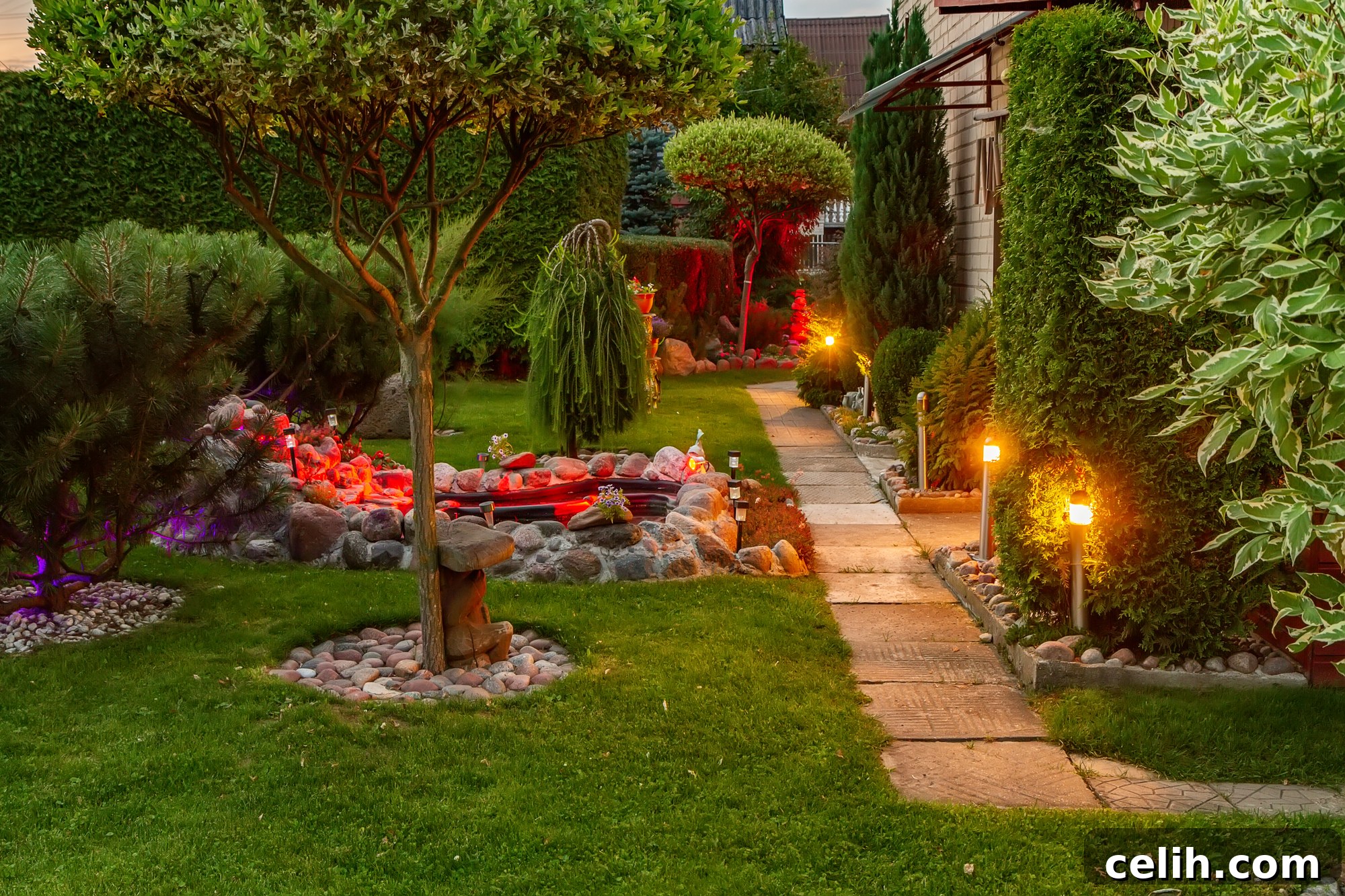
Transforming your backyard into a stunning and functional extension of your home doesn’t always demand a complete overhaul. Often, the most significant impacts stem from subtle yet strategic changes and thoughtful enhancements. Imagine stepping into an outdoor oasis that perfectly complements your lifestyle, whether it’s a serene retreat for quiet mornings, a vibrant hub for entertaining guests, or a safe, stimulating play area for children. The potential to elevate both the aesthetic appeal and the usability of your outdoor space is immense, offering a remarkable return on investment in both personal enjoyment and property value.
This comprehensive guide explores 10 practical and impactful improvements designed to revitalize your backyard. Each suggestion is crafted to help you make informed decisions, ensuring your outdoor space becomes a cherished extension of your living environment, reflecting your taste and meeting your functional needs.
Top 10 Backyard Enhancements for Maximum Impact and Value
Creating your dream backyard is an exciting journey, and these top recommendations are designed to inspire and guide you. From lush greenery to modern amenities, discover how to make the most of your outdoor real estate.
1. Landscaping Overhaul: Cultivating Your Outdoor Sanctuary
A comprehensive landscaping overhaul can dramatically transform the ambiance of your backyard, turning a mundane space into a flourishing retreat. Professional landscaping goes beyond mere aesthetics; it involves strategic planning and a deep understanding of the local ecosystem to ensure your outdoor space is beautiful, sustainable, and low-maintenance. This is an investment that not only enhances curb appeal but also contributes significantly to your property’s overall value and your personal well-being.
When embarking on a landscaping project, the first step is to choose plants that are well-suited to your local climate and soil conditions. Opting for native plants, in particular, can enhance ecological balance, attracting local wildlife such as birds, butterflies, and pollinators, while simultaneously reducing the need for chemical fertilizers and excessive watering. This sustainable approach leads to lower maintenance costs, better growth outcomes, and a healthier backyard ecosystem. Consulting a local horticulturist or visiting a nearby garden center can provide invaluable guidance in selecting the right species for a vibrant and resilient garden. Consider a mix of perennial and annual plants to maintain visual interest and bursts of color throughout the year.
Beyond flora, a landscaping overhaul might also incorporate various hardscaping elements. This includes introducing elegant pathways, charming retaining walls, or designated seating areas seamlessly integrated with the softscaping. Different landscaping styles, from minimalist Zen gardens to lush cottage gardens or sleek modern designs, can be achieved with careful planning of plant selection, garden beds, and layout. The goal is to create a cohesive design that reflects your personal style while maximizing the usability and natural beauty of your outdoor living space.
2. Water Features: Adding Serenity and Sophistication
Water features are exceptionally popular additions to backyards, celebrated for their ability to enhance ambiance with soothing sounds and captivating visual appeal. The gentle trickle of a fountain or the mesmerizing cascade of a waterfall can transform any outdoor space into a tranquil sanctuary, providing a calming backdrop for relaxation and conversation. Beyond their inherent beauty, expertly designed water features can significantly increase property value, making them a wise aesthetic and financial investment.
Each type of water feature brings a unique element to outdoor spaces. Fountains, for instance, are incredibly versatile, available in a vast array of styles, sizes, and materials, making them suitable for yards of any dimension. From small, elegant tabletop fountains that add a delicate touch to grand, multi-tiered structures that command attention, there’s a fountain to match every design aesthetic. Ponds, on the other hand, offer a more immersive experience, potentially covering a larger area and inviting a diverse ecosystem into your yard. They can be stocked with ornamental fish and aquatic plants, creating a naturalistic setting that attracts local wildlife such as birds, insects, and frogs, enriching the biodiversity of your garden.
Waterfalls add a dramatic touch and a dynamic visual element to outdoor spaces. Whether incorporated into a swimming pool design, flowing gracefully over naturalistic rocks into a pond, or as a standalone feature, their continuous movement and sound enhance the serene atmosphere. Waterfalls also play a crucial role in oxygenating the water, which is vital for the health of aquatic life in ponds. When planning any water feature, it’s essential to consider the maintenance required to keep it looking its best and functioning properly. For instance, keeping a healthy pond or lake requires a robust filtration system, regular debris removal, and careful balancing of water chemistry to prevent stagnation and promote a vibrant ecosystem. Proper placement, considering sunlight exposure and proximity to electrical outlets for pumps, is also key for optimal enjoyment and efficiency.
3. Patio or Deck Installation: Expanding Your Outdoor Living Room
The installation of a patio or deck serves as a foundational enhancement for any backyard, effectively extending your indoor living space outdoors. This addition creates a dedicated area for dining, entertaining, and relaxation, significantly increasing the functionality and enjoyment of your home. Moreover, a well-designed and expertly constructed patio or deck is a proven way to boost the resale value of your property, making it a truly worthwhile investment that pays dividends in both lifestyle and equity.
The design of your patio or deck should not be an afterthought; it must thoughtfully complement the architectural style of your home and seamlessly integrate with the existing landscape of your backyard. Crucially, consider the flow from the interior of your home to this outdoor space, ensuring easy access and a seamless transition. A strategically placed awning, pergola, or even mature trees can provide much-needed shade from the sun, making the space comfortable even on the hottest days, while outdoor rugs and comfortable furniture can define different zones within the area. Multi-level designs can add visual interest and delineate separate areas for dining, lounging, or even an outdoor kitchen.
Selecting the right materials is paramount for both aesthetic appeal and long-term durability. Wood, such as cedar or redwood, remains a popular choice for decks due to its natural beauty, warmth, and classic appeal. However, wood requires regular maintenance, including cleaning, staining, or sealing, to prevent weather damage, rot, and insect infestation. Composite decking materials offer an attractive alternative, mimicking the look of wood with significantly less upkeep, as they are resistant to rot, warping, fading, and pests. For patios, durable options like natural stone pavers (slate, bluestone, travertine), concrete pavers, or stamped concrete provide a variety of design possibilities and a sturdy, long-lasting surface. These materials offer diverse textures and colors, allowing for a personalized look that stands up to heavy foot traffic and various weather conditions.
4. Outdoor Kitchen: Elevating Al Fresco Dining and Entertaining
The trend of outdoor kitchens has grown exponentially, transforming backyard spaces into highly functional and sophisticated hubs for culinary adventures and social gatherings. An outdoor kitchen eliminates the constant back-and-forth between the indoor kitchen and the patio, allowing hosts to remain engaged with their guests while preparing meals. This enhancement significantly boosts the entertainment value of your home, making al fresco dining a truly effortless and enjoyable experience, especially during warmer months.
A basic outdoor kitchen typically features several essential elements. Foremost among these is a high-quality cooking station, often comprising a robust grill or barbecue, frequently supplemented with a stovetop burner for additional cooking options like sautéing or boiling. The design should strategically include ample storage space beneath the grill and countertops for cooking tools, utensils, and other culinary essentials, keeping everything organized and within reach. Integrated trash receptacles can also maintain cleanliness and hygiene.
Next, it’s crucial to incorporate generous countertop space for food preparation, plating, and serving. Materials like durable granite, sleek stainless steel, or weather-resistant concrete are excellent choices, capable of withstanding the elements while offering easy cleanup. To further enhance convenience, an outdoor sink with running water is invaluable for washing hands, rinsing produce, and simplifying post-meal cleanup. A compact, outdoor-rated refrigerator is another highly desirable addition, ensuring ingredients stay fresh and beverages remain chilled, keeping everything on hand without needing trips inside. For those looking to expand their outdoor culinary capabilities, specialized features such as pizza ovens, smokers, warming drawers, or even a full bar setup with a kegerator can elevate the outdoor kitchen to gourmet status, catering to a wide range of cooking styles and entertainment preferences.
5. Fire Pit or Fireplace: Igniting Warmth and Connection
The primal allure of a fire feature in the backyard is undeniable. Whether a rustic fire pit or a grand outdoor fireplace, its ability to create a cozy, inviting, and magical atmosphere makes it perfect for extending outdoor activities into the cooler months. A fire feature serves as a natural focal point for gatherings, drawing friends and family together for conversations, storytelling, and the timeless pleasure of roasting marshmallows under the stars. Beyond just warmth, the mesmerizing visual appeal of dancing flames adds a dramatic and captivating touch to any evening event, enhancing the overall ambiance of your outdoor space.
There’s a wide range of options to consider. Portable fire pits offer flexibility and ease of relocation, often fueled by wood or propane. Built-in fire pits, crafted from stone, brick, or concrete, provide a more permanent and integrated design element, which can be custom-shaped to fit your space and fueled by wood, natural gas, or propane. Full outdoor fireplaces offer a more architectural statement, providing a robust heat source and an elegant backdrop, often serving as the anchor for an outdoor living room with comfortable seating.
However, safety is paramount when incorporating fire into your outdoor space. It is crucial to choose a location away from buildings, fences, low-hanging branches, and other flammable materials. Ideally, the fire feature should be situated on a non-flammable surface such as stone, brick, or concrete pavers. Fire pits and fireplaces should always have an appropriate barrier or screen to prevent sparks and embers from escaping and potentially causing wildfires. Always have a water source or fire extinguisher nearby. Furthermore, it is imperative to follow local regulations and codes. Many areas have specific restrictions regarding the construction, size, and use of fire features, including bans on open flames during certain seasons due to elevated fire risk. Always check with your local municipality before installation to ensure compliance.
6. Outdoor Lighting: Illuminating Beauty and Security
Thoughtful outdoor lighting is much more than just a functional necessity; it’s a powerful design element that can dramatically transform the character of your backyard after dusk. Effective lighting enhances safety and security, extends the usability of your outdoor spaces into the evening, and creates captivating ambiance. By strategically layering different types of lights, you can highlight architectural features, accentuate garden elements, and define pathways, truly bringing your landscape to life once the sun sets.
For aesthetic purposes, consider using a diverse mix of lighting types to create depth and visual interest. Spotlights or uplights can artfully accentuate key garden features such as trees, sculptures, or textured walls, drawing attention to their unique beauty. Pathway lights provide both safety and charm along walkways, guiding movement and preventing trips and falls, while small, recessed deck or step lights add a subtle glow. String lights, fairy lights, or lanterns draped across pergolas, patios, and gathering spaces instantly inject a festive, cozy, or romantic atmosphere, making them perfect for entertaining and intimate evenings. Smart lighting systems with dimmers, timers, and color-changing capabilities offer unparalleled control, allowing you to tailor the mood and intensity to any occasion with ease.
From a security standpoint, strategically placed outdoor lighting acts as a strong deterrent against unwanted visitors. Motion-sensor floodlights installed around the perimeter of your home or in dark corners of the yard significantly improve visibility at night, illuminating any unexpected movement. Since these lights are only activated by motion, they are energy-efficient, saving on electricity costs while providing crucial peace of mind. Investing in high-quality, weather-resistant LED fixtures not only ensures longevity and durability but also offers significant energy savings and a wide range of brightness and color temperature options for both functional and decorative applications.
7. Garden Paths and Walkways: Guiding Your Journey Through the Landscape
Garden paths and walkways play a critical dual role in the functionality and aesthetics of outdoor spaces. They are not merely utilitarian routes; they guide movement, protect delicate plantings, and create visual harmony, effectively organizing and defining different “rooms” within the landscape. A well-designed path invites exploration, leading the eye and the foot through various garden features, connecting different areas like patios, gazebos, or a focal point planting, and enhancing the overall flow of your backyard.
When selecting materials for paths and walkways, it’s essential to consider both durability and aesthetic appeal, ensuring they withstand foot traffic and complement your garden’s style. Paving stones are an incredibly popular choice due to their exceptional versatility and wide range of styles, colors, and textures. They can be laid in distinctive patterns like herringbone or basketweave, fitting seamlessly into almost any landscape design, from formal to rustic. Beyond their beauty, paving stones are sturdy, resistant to heavy foot traffic, and offer excellent drainage, making them ideal for high-use garden paths and main walkways.
Gravel offers another attractive option, providing a more natural, informal look that can be incredibly charming. It’s relatively inexpensive compared to other hardscaping materials and easy to install, making it a budget-friendly choice. Gravel provides excellent drainage, reducing puddles and mud, and the satisfying crunch underfoot adds a sensory dimension to your garden. However, gravel can spread outside its boundaries over time, requiring occasional raking and edging maintenance to keep the pathway neat and functional. For a classic and timeless appearance, bricks are an enduring choice. They are exceptionally durable, providing a firm, non-slip surface that can handle all weather conditions. Bricks can be arranged in a multitude of patterns, adding an extra layer of visual interest and craftsmanship to the garden. Other options include natural stepping stones for a whimsical, informal trail, or even decomposed granite for a rustic, permeable surface.
8. Privacy Fences or Walls: Creating Your Secluded Haven
Privacy fences or walls are essential for transforming your backyard into a truly secluded and comfortable retreat. These structures are both functional and decorative, contributing significantly to the overall aesthetic of the landscape while creating a safe, private outdoor environment shielded from prying eyes and external distractions. They define boundaries, offer a sense of security, and can even help to reduce noise from neighbors or busy streets, making your outdoor space a true sanctuary for relaxation and enjoyment.
Material choices for privacy fences or walls vary widely, each offering distinct advantages. Wood stands out for its natural appearance, warmth, and versatility. Options like cedar, redwood, or pressure-treated pine can be stained or painted to match any design aesthetic, from rustic to contemporary, and are relatively easy to install. However, wood requires regular maintenance, including cleaning, sealing, or painting, to prevent decay, warping, and damage from insects. Different styles, such as solid panels, lattice tops, or horizontal slats, can offer varying degrees of privacy and visual appeal.
Vinyl fencing is another excellent option, renowned for its exceptional durability and very low maintenance requirements. Available in a wide array of colors and styles, vinyl can beautifully mimic the look of wood without the need for frequent upkeep. It’s highly resistant to weathering, rot, pests, and fading, making it a long-lasting and cost-effective choice for a privacy barrier. For a more permanent and robust solution, stone or brick walls offer unparalleled durability and a sophisticated aesthetic. While the initial investment may be higher, these materials provide exceptional longevity and a classic, timeless look. Alternatively, for those who prefer green solutions, living walls or tall hedges (such as arborvitae, privet, or bamboo) can serve as dynamic and eco-friendly privacy screens. These living barriers add biodiversity to the garden, create a lush backdrop that changes with the seasons, and contribute to a healthier environment, though they require regular pruning and watering to maintain their shape and density.
9. Pergolas and Gazebos: Defining Outdoor Spaces with Architectural Grace
Pergolas and gazebos are more than just garden structures; they are architectural elements that define outdoor spaces, offering shade, shelter, and a distinct sense of place. These additions extend your usable living area, providing inviting environments for dining, lounging, or simply enjoying the beauty of your garden. Both enhance the visual interest of your backyard, acting as focal points or seamless transitions between different landscape zones.
Pergolas are typically open structures, often crafted from wood, metal, or vinyl, featuring a distinctive lattice roof that can support climbing plants. They are ideal for creating a semi-shaded area, allowing natural light to filter through while providing protection from direct, harsh sunlight. Pergolas are wonderfully versatile and can be placed over dining areas, outdoor lounges, or even walkways, creating a comfortable and cool space for various outdoor activities. Integrating lush climbing plants such as ivy, fragrant roses, wisteria, or grapevines not only adds vibrant greenery and natural beauty but also enhances the shade and creates an organic, living canopy that evolves with the seasons. Modern pergolas can also feature adjustable louvered roofs for customizable shade and rain protection, or integrated lighting and fans for added comfort.
Gazebos, on the other hand, are generally more enclosed, featuring a solid roof and often built-in seating, creating a more sheltered and intimate atmosphere. They serve as stunning focal points in a garden, providing a protected space for people to gather, relax, or entertain, regardless of light rain or intense sun. Gazebos are perfect for intimate settings, such as a quiet reading nook, a peaceful spot for morning coffee, or an elegant venue for outdoor dinners and small celebrations. Their often ornate designs add a touch of classic charm and sophistication to any landscape.
To integrate these structures seamlessly into your existing backyard design, consider their strategic placement relative to the sun’s path, ensuring they provide optimal shade during the hottest parts of the day. Matching the materials and style of the pergola or gazebo with your home’s architecture and the surrounding landscape is crucial for a cohesive look. For example, a rustic wooden pergola might perfectly complement a traditional cottage garden, while a sleek, minimalist metal structure would better suit a modern, architectural aesthetic. Additionally, plan the surrounding landscape, including pathways, plantings, and other garden features, to create a natural flow that leads gracefully to and from these captivating outdoor rooms.
10. Eco-Friendly Additions: Nurturing Your Environment and Your Wallet
Incorporating eco-friendly additions into your backyard design offers a multitude of practical benefits, not only contributing to the preservation of the environment but also leading to significant savings on energy and water bills. Embracing sustainable practices allows you to create a beautiful and functional outdoor space that is also responsible and resource-efficient, aligning with a greener lifestyle.
Rainwater harvesting is a prime example of such an addition. By collecting rainwater, you can significantly reduce your dependence on municipal water supplies, thereby lowering your water bills and conserving a precious natural resource. A simple system consisting of gutters directing water into rain barrels can suffice for small-scale irrigation. For larger gardens or more extensive needs, integrating an underground cistern system can provide a substantial water reserve, ensuring your garden remains lush and vibrant even during extended dry spells. This collected water is perfect for irrigating plants, washing outdoor surfaces, or even topping up water features, reducing your environmental footprint.
Solar panels are another excellent addition for homeowners looking to decrease their energy consumption and carbon footprint. Installing discreet solar panels in your backyard, whether mounted on a shed roof, integrated into a pergola, or ground-mounted in an unobtrusive area, can power outdoor lighting, garden pumps for water features, and even electric garden tools. This direct use of solar energy drastically cuts down on electricity bills and contributes to energy independence. Furthermore, consider other eco-conscious enhancements such as creating a native plant garden to support local biodiversity, installing permeable pavers for better stormwater management, setting up a compost bin for organic waste, or implementing smart irrigation systems that adjust watering schedules based on weather conditions, minimizing water waste. Using recycled or sustainably sourced materials for patios, decks, and furniture further solidifies your commitment to an eco-friendly backyard.
Conclusion: Invest in Your Outdoor Lifestyle
Improving your backyard offers a wealth of benefits that extend far beyond mere aesthetics. A thoughtfully designed and meticulously maintained backyard transcends a simple plot of land; it becomes a beautiful outdoor living space, an inviting extension of your home where you can relax, entertain guests, pursue hobbies, and enjoy cherished leisure activities. It provides a much-needed retreat from the stresses of daily life, offering a personal sanctuary for peace and rejuvenation.
From the tranquility of a new water feature to the culinary delights of an outdoor kitchen, and the cozy warmth of a fire pit, each enhancement contributes to a richer, more fulfilling outdoor lifestyle. These improvements not only elevate your immediate enjoyment but also serve as a tangible investment in your property. A well-designed outdoor space significantly enhances curb appeal and can notably increase the value of your home, making it more attractive to potential buyers should you ever decide to sell. By thoughtfully implementing these backyard enhancements, you’re not just renovating a space; you’re investing in a lifestyle, creating lasting memories, and ensuring your home truly works for you, inside and out.