
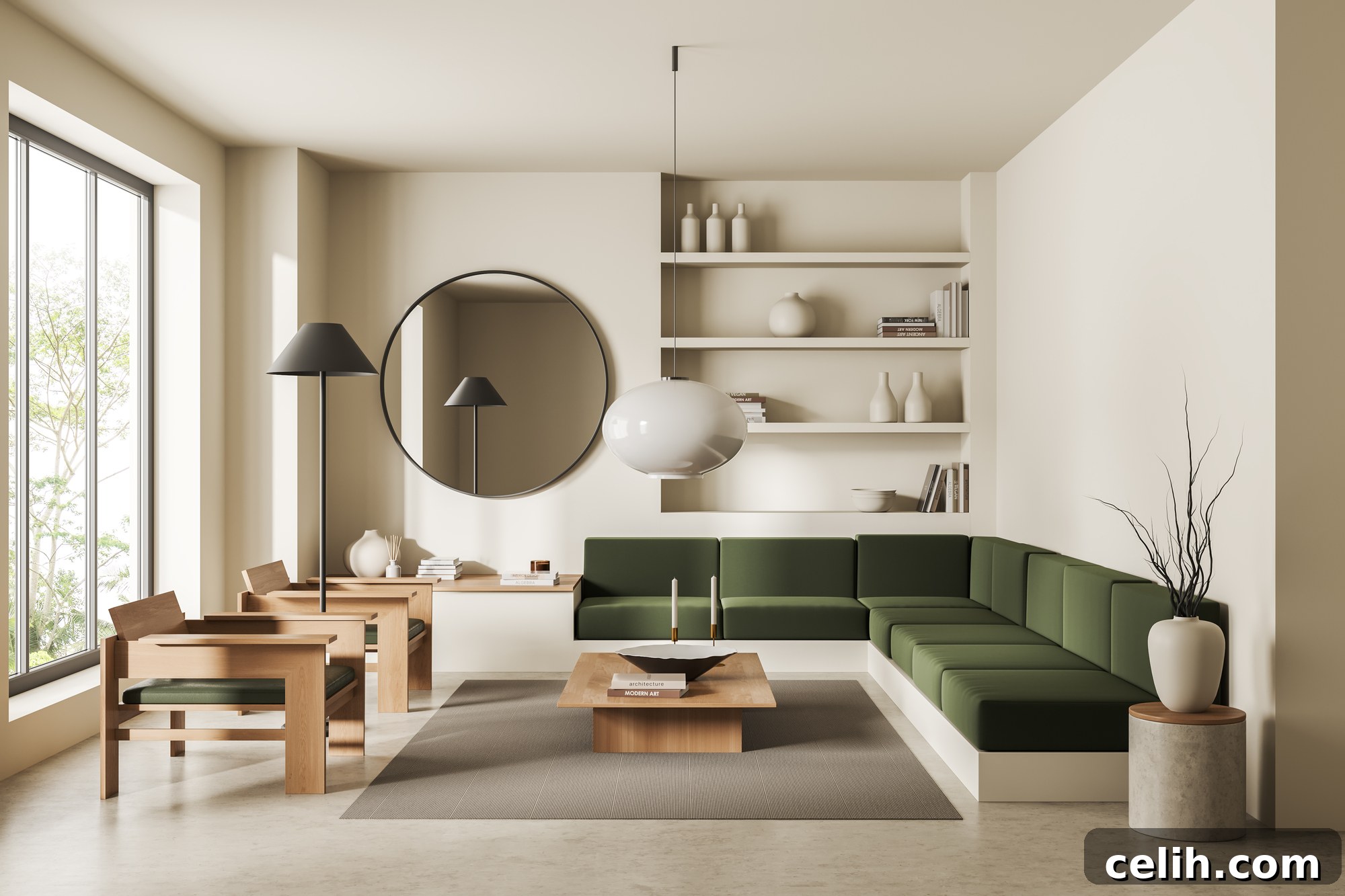
Your home is more than just a place to live; it’s a sanctuary, a haven where you should feel truly relaxed, physically and mentally. The quality of your living environment profoundly impacts your overall well-being and daily life. A healthy home fosters peace, productivity, and happiness, contributing significantly to your long-term quality of life. Achieving this ideal space isn’t always effortless, but it is an incredibly rewarding journey, especially if you envision your current residence as your forever home. Investing time and effort into making your home a vibrant, healthy place can make all the difference, transforming it into a source of comfort and rejuvenation rather than stress.
In our modern lives, where many of us spend a substantial amount of time indoors, the importance of a healthy home environment has never been greater. From the air we breathe to the light that fills our rooms, every element plays a role in our physical and mental health. This comprehensive guide will explore practical, actionable tips designed to help you cultivate a healthier, more harmonious living space. By implementing these strategies, you can significantly enhance your home’s atmosphere, making it a truly restorative and happy place for everyone within its walls.
Embrace Fresh Air and Natural Light: Open Up Those Windows
One of the simplest yet most impactful ways to enhance your home’s health is by regularly opening your windows. This practice, often overlooked, offers a multitude of benefits for both your physical space and your mental well-being, particularly crucial if you work from home. Even thirty minutes of open windows, twice a day, can work wonders. It allows stale indoor air to escape, clearing out accumulated pollutants, volatile organic compounds (VOCs) from cleaning products and furniture, and carbon dioxide (CO2) that builds up from human respiration. This simple act dramatically improves indoor air quality, reducing the presence of allergens, dust mites, and airborne bacteria, which are common triggers for respiratory issues.
Beyond purification, ventilation helps to regulate indoor humidity levels. Excess moisture in the air can lead to condensation, promoting the growth of mold and mildew, which are detrimental to health and can cause structural damage. By encouraging air circulation, you naturally reduce moisture, creating a drier, healthier environment less conducive to fungal growth. Furthermore, inviting fresh air into your home can have a profound effect on your mood and energy levels. The gentle breeze and natural scents invigorate the senses, boosting mental clarity and reducing feelings of stuffiness or lethargy. It’s an easy, natural way to refresh your entire property and connect with the outdoors.
While fresh air is vital, natural light is equally important. If your current windows don’t let in as much sunshine as you’d like, consider simple upgrades. Cleaning your windows regularly can make a surprising difference, maximizing the light penetration. For more significant improvements, evaluate options like replacing heavy drapes with lighter blinds or sheer curtains, or even exploring window replacement to larger or more energy-efficient models. Maximizing natural light not only brightens your interiors but also supports your circadian rhythm, improving sleep patterns and overall mood. It creates a visually appealing and energetically positive living space, contributing to a truly healthy and inviting home.
Prioritize Comprehensive Cleanliness: The Power of Deep Cleaning
While most homeowners strive to keep their living spaces presentable, a truly healthy home requires going beyond surface-level tidiness. The reality is that many homes harbor hidden dirt, dust, and bacteria in nooks and crannies that regular cleaning often misses. These often-forgotten areas—behind appliances, under furniture, in grout lines, or within carpet fibers—become breeding grounds for allergens, dust mites, and microorganisms. When these accumulate, they can diminish indoor air quality, trigger allergies, and even compromise the structural integrity of your home over time.
More alarmingly, these neglected spots create an attractive environment for pests. Mice, rats, cockroaches, and other unwanted creatures are drawn to properties where food crumbs, moisture, and undisturbed hiding places are readily available. An infestation can quickly escalate, posing significant health risks and causing considerable damage to your property. Preventing such issues is far easier and more cost-effective than dealing with them after they occur. Committing to a schedule of regular deep cleaning is your best defense. Unlike daily or weekly tidying, deep cleaning involves a thorough, systematic approach to sanitizing and decluttering every part of your home.
Deep cleaning should be performed seasonally or at least a few times a year. This involves tasks such as scrubbing tile grout, cleaning inside ovens and refrigerators, washing curtains and blinds, disinfecting often-touched surfaces, and thoroughly vacuuming and shampooing carpets and upholstery. If you find yourself consistently short on time or motivation, consider the invaluable benefit of hiring professional cleaners. A reputable cleaning service can provide the meticulous attention needed to reach those hard-to-access areas, using professional-grade equipment and eco-friendly products to ensure a truly hygienic environment. Investing in professional deep cleaning not only maintains a cleaner, healthier home but also significantly reduces the likelihood of pest infestations, saving you potential headaches and expenses related to services like rat removal. A genuinely clean home is a cornerstone of a healthy life, promoting both physical well-being and peace of mind.
Cultivate Greenery: Integrate House Plants for Health and Beauty
Transforming your house into a healthier, more vibrant home can be as simple and beautiful as introducing houseplants. Beyond their aesthetic appeal, indoor plants offer remarkable practical benefits, significantly contributing to the purity of your indoor air and enhancing your overall well-being. Studies, notably by NASA, have highlighted plants’ incredible ability to remove toxins like formaldehyde, benzene, and trichloroethylene from the air, acting as natural air purifiers. They also release oxygen and can help regulate humidity, creating a more balanced and comfortable indoor climate.
The benefits extend beyond air purification. Engaging with nature, even indoors, has been shown to reduce stress, improve mood, and increase focus. This concept, known as biophilia, suggests that humans have an innate tendency to connect with nature, and integrating plants into our living spaces can fulfill this fundamental need. Popular indoor houseplants known for their air-purifying qualities and ease of care include: spider plants, Boston ferns, peace lilies, aloe vera, snake plants, ZZ plants, pothos, and philodendrons. Each offers unique visual appeal and varying levels of care requirements, making it easy to find suitable options for any home and lifestyle.
To get started, consider plants that thrive in your home’s lighting conditions. Low-light tolerant plants like snake plants and ZZ plants are perfect for corners, while peace lilies and pothos adapt well to moderate light. Ensure proper watering – overwatering is a common mistake – and provide adequate drainage. Regularly wipe plant leaves to remove dust, allowing them to photosynthesize effectively. Place plants in areas where they can make the most impact, such as living rooms, bedrooms, and even bathrooms, where they can thrive in higher humidity. By thoughtfully incorporating greenery, you’re not just decorating; you’re actively creating a healthier, more serene, and visually appealing home environment that promotes calm and vitality.
Cultivate Order: The Simple Act of Making Your Bed
It’s often the smallest, most consistent actions that yield the greatest returns, and the simple act of making your bed each morning is a powerful testament to this principle. While an unmade bed might seem insignificant in the grand scheme of things, its subtle yet pervasive impact on the overall tone and energy of your home, and indeed your mindset, should not be underestimated. Leaving your bed unmade can subtly erode the sense of order and care within your personal space, setting a precedent for other imperfections to creep in.
This “broken windows” theory of homekeeping suggests that if one element of your home is neglected, it becomes easier to overlook other areas of disarray. An unmade bed can lead to clothes left on chairs, items left out of place, or surfaces accumulating clutter. Over time, this cumulative effect can create a palpable negative energy, making your home feel chaotic, less inviting, and even stressful. Conversely, making your bed is a simple, achievable victory that starts your day with a sense of accomplishment. It instantly transforms your bedroom from a state of slumber into a tidy, organized sanctuary, influencing your mindset for the rest of the day.
This small habit has a powerful ripple effect. When your bed is made, you’re more likely to maintain other aspects of your room’s cleanliness and organization. It encourages you to put items back in their correct places, contributing to a more orderly and peaceful home environment. This sense of control and order extends beyond the bedroom, fostering a positive mental state that can impact your productivity, focus, and overall mood. By prioritizing this small, daily ritual, you’re not just tidying a bed; you’re cultivating a mindful approach to your living space and your day, paving the way for a more harmonious and healthy home. Start with the bed, and watch how other positive habits naturally follow.
Embrace Self-Sufficiency: Grow Your Own Vegetables
Elevating your home’s health extends to the food you consume, and there’s truly nothing healthier than fresh, organic vegetables grown in your own backyard or on your balcony. The idea of home gardening might seem daunting to some, but it’s surprisingly accessible and profoundly rewarding. Even complete beginners can successfully cultivate a variety of vegetables and herbs that can be incorporated directly into their daily dishes, offering unparalleled freshness, flavor, and nutritional value.
Growing your own produce ensures that you have direct control over what goes into your food. You can eliminate the use of harmful pesticides and herbicides, choosing organic methods that are better for your health and the environment. Homegrown vegetables are picked at their peak ripeness, meaning they retain more nutrients compared to produce that travels long distances to reach grocery stores. Beyond the physical health benefits, gardening itself is a therapeutic activity, providing stress relief, a sense of accomplishment, and a wonderful connection to nature right at your doorstep.
You don’t need a large garden plot to get started. Container gardening is perfect for balconies, patios, and even sunny windowsills. Many vegetables thrive in pots, including tomatoes, peppers, lettuce, spinach, radishes, carrots, and an array of herbs like basil, mint, and parsley. Raised beds are another excellent option for smaller backyards, offering better soil control and drainage. To embark on your home gardening journey, start with easy-to-grow crops that require minimal fuss. Essential supplies include good quality potting mix, suitable containers with drainage, and a sunny spot that receives at least 6 hours of sunlight daily. For guidance on getting started, exploring resources like this list of easy crops to sow can provide invaluable tips and inspiration. Cultivating your own food is a direct investment in your health, your home, and your overall well-being, fostering a sustainable and truly wholesome lifestyle.
Declutter Regularly for Clarity and Cleanliness
A healthy home is also an organized home, and regular decluttering is a cornerstone of achieving this. Clutter, in all its forms, is more than just an aesthetic issue; it has tangible impacts on both your physical environment and your mental state. Physically, excess items accumulate dust, dander, and allergens, making effective cleaning challenging and hindering proper air circulation. Surfaces buried under piles of belongings are rarely truly clean, contributing to a less hygienic living space. Emotionally and mentally, clutter can create a sense of overwhelm, stress, and anxiety. It can make a space feel cramped and chaotic, hindering relaxation and clear thought.
Implementing a regular decluttering routine, even if it’s just 15 minutes a day or an hour once a week, can dramatically transform your home’s atmosphere. Start by tackling one area at a time, asking yourself three key questions for each item: Do I use it? Do I love it? Does it add value to my life? If the answer is no to all three, it’s likely time for the item to go. Consider donating, recycling, or safely disposing of items you no longer need. This practice frees up physical space, making it easier to clean and maintain a dust-free environment. It also creates a sense of spaciousness and tranquility, allowing you to breathe easier and think more clearly.
Beyond the initial purge, establishing systems for organization is crucial for maintaining a decluttered home. Utilize storage solutions like bins, shelves, and drawers to keep items neatly out of sight. Designate a specific “home” for every item, making it easy to put things away after use. A well-organized home reduces the time spent searching for misplaced items, minimizes visual noise, and creates a peaceful backdrop for daily life. Regularly decluttering is a continuous process, but it is one of the most effective ways to foster a clean, calm, and truly healthy living environment that supports your mental and physical well-being.
Mindful Lighting: Beyond Just Brightness
While natural light is paramount, the artificial lighting in your home also plays a critical role in your well-being. Mindful lighting design extends beyond simply illuminating a room; it’s about creating an atmosphere that supports your activities, mood, and circadian rhythm. Harsh, fluorescent lights can contribute to eye strain, headaches, and a sterile, unwelcoming feel. Conversely, poorly lit areas can lead to feelings of gloominess and hinder productivity.
Consider the type of light bulbs you use. Warm-toned LED bulbs (around 2700K-3000K) mimic natural light during the warmer parts of the day and promote relaxation in the evenings, making them ideal for living rooms and bedrooms. Cooler-toned bulbs (around 4000K-5000K) are more energizing and suitable for task-oriented areas like kitchens, home offices, and bathrooms where focus is required. Incorporating dimmers on light switches allows you to adjust the intensity of light according to the time of day and specific needs, from bright light for reading to a soft glow for winding down before bed.
Layering light is another essential technique. Combine ambient lighting (general room illumination) with task lighting (focused light for specific activities) and accent lighting (to highlight features or create mood). Floor lamps, table lamps, under-cabinet lighting, and picture lights can all contribute to a dynamic and functional lighting scheme. By thoughtfully designing your home’s artificial lighting, you can create a versatile environment that supports your mood, productivity, and overall well-being throughout the day, ensuring your home is a healthy space from dawn until dusk.
Enhance Purity: Filter Your Water and Air
To truly optimize the health of your home, it’s essential to consider the quality of the water you drink and use, as well as the air you breathe within your sealed indoor environment. While opening windows helps, additional filtration systems can provide an extra layer of protection against invisible contaminants.
**Water Filtration:** Tap water, while generally safe, can contain various impurities such as chlorine, heavy metals, pesticides, and pharmaceuticals, which can affect taste, odor, and potentially long-term health. Installing a water filter can significantly improve the quality of your drinking and cooking water. Options range from simple pitcher filters and faucet-mounted filters to under-sink systems that provide filtered water on demand, or even whole-house filtration systems that purify all water entering your home. Cleaner water not only tastes better but also reduces your exposure to potentially harmful substances, contributing directly to your family’s health.
**Air Filtration:** Beyond good ventilation and houseplants, an air purifier can be a powerful tool for maintaining superior indoor air quality. Modern homes are often well-sealed for energy efficiency, which can trap pollutants indoors. High-Efficiency Particulate Air (HEPA) filters in air purifiers are designed to capture microscopic particles like dust, pollen, pet dander, mold spores, and even some bacteria and viruses. They are particularly beneficial for individuals with allergies, asthma, or respiratory sensitivities. Similarly, don’t forget your HVAC system’s air filters; regularly changing these to high-MERV (Minimum Efficiency Reporting Value) filters can significantly improve the air quality circulating throughout your home. Investing in these filtration systems ensures that the fundamental elements of life – clean water and clean air – are optimized within your healthy home sanctuary.
Creating a truly healthy home is an ongoing journey that involves attention to detail, conscious choices, and consistent effort across multiple facets of your living space. From the invigorating freshness of natural air and light to the profound impact of cleanliness, greenery, and mindful organization, each tip contributes to a holistic sense of well-being. By embracing these practices – opening windows, deep cleaning, adding houseplants, maintaining daily order, growing your own food, decluttering, optimizing lighting, and filtering your water and air – you are actively investing in a happier, healthier future for yourself and your loved ones. Transform your home into a sanctuary that nurtures your body, calms your mind, and uplifts your spirit, creating a foundation for a life lived to its fullest potential.