
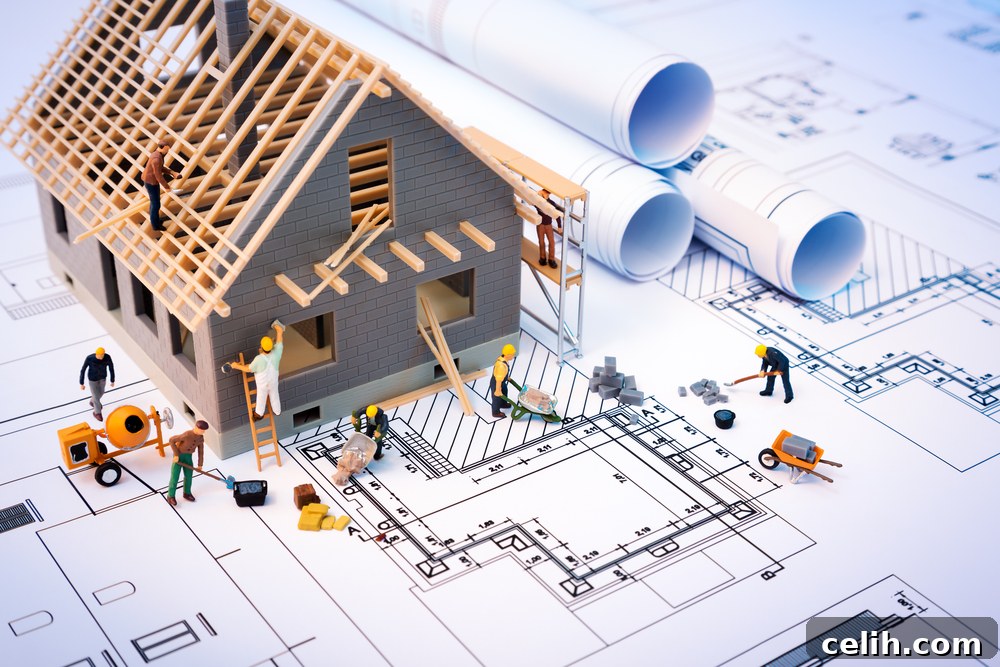
In the intricate world of home construction and renovation, the choices made regarding building materials stand as foundational pillars, influencing everything from structural integrity and long-term durability to aesthetic appeal and ongoing maintenance costs. For anyone embarking on a construction project, whether a grand custom home or a modest DIY endeavor, understanding the nuances of material selection is paramount. It’s a decision that extends far beyond initial purchase price, impacting the comfort, safety, energy efficiency, and ultimate value of a property for decades to come.
Strategic Building Material Selection: A Comprehensive Guide for Sustainable Home Construction
A significant study conducted in 2020 by the National Association of Home Builders (NAHB) shed light on the primary decision-makers in new home construction. As expected, professional builders and general contractors were identified as the key influencers for core structural materials. This trend is particularly evident in large-scale, pre-planned housing developments where standardization and efficiency are prioritized.
However, the landscape shifts considerably for homeowners pursuing more personalized projects. Individuals fortunate enough to commission a custom-built home, design a unique holiday retreat, or undertake a significant renovation of an existing property typically wield more influence over the choice of building materials. This increased involvement offers a unique opportunity to tailor every aspect of the home to personal preferences, lifestyle needs, and specific environmental considerations.
For the enthusiastic DIY homeowner or project manager, the responsibility for material selection rests entirely on their shoulders. It becomes their critical task to meticulously research and ensure that all chosen building materials are perfectly suited for their specific geographical location, anticipated climate conditions, and, crucially, their allocated financial budget. This level of autonomy, while empowering, also necessitates a deep understanding of material properties, performance, and long-term implications.
Navigating the Cost vs. Quality Dilemma: Why Cheap Building Materials Can Be Expensive
When exploring the vast marketplace of building materials, one will inevitably encounter a wide spectrum of prices. While it’s tempting to gravitate towards the most economical options to stay within budget, it is absolutely essential to resist the allure of simply choosing the cheapest items. This common pitfall often leads to greater expenses and frustrations down the line.
The true cost of a material isn’t just its initial purchase price; it’s its lifecycle cost. This includes installation, maintenance, repair, potential replacement, and even its impact on energy consumption. Investing in lesser-quality, inexpensive materials might offer immediate savings, but it frequently results in a higher frequency of repairs, premature replacements, and diminished performance. These recurring costs can quickly accumulate, ultimately surpassing the savings made on the original purchase price. For instance, a cheaper roofing material might require replacement in 10-15 years, while a higher-quality option could last 30-50 years with minimal maintenance, proving more cost-effective over its lifespan.
Moreover, substandard materials can compromise the structural integrity of your home, potentially leading to safety concerns or costly structural remediation. They may also offer poor insulation, leading to inflated energy bills, or lack resistance to local climate challenges, resulting in faster deterioration. Therefore, a more judicious approach is to prioritize construction materials renowned for their proven longevity, robust performance, and minimal maintenance requirements. This strategic choice safeguards your investment, enhances your home’s durability, and ensures a more comfortable and energy-efficient living environment for years to come.
The Strategic Importance of Building Material Availability and Sourcing
Beyond fiscal planning, the accessibility and sourcing of building materials are critical determinants in the smooth execution and timely completion of any construction project. The ease with which materials can be obtained directly impacts project timelines, labor efficiency, and overall budget adherence. Universally, having readily available materials can significantly streamline the entire construction process, minimizing costly delays and keeping your project on track.
Whenever feasible, prioritizing locally sourced construction materials offers a multitude of advantages. Firstly, it substantially reduces both shipping times and associated freight charges, leading to direct cost savings. Secondly, it fosters local economies and often provides materials better suited to regional climate conditions. Thirdly, in the event of unforeseen shortages or the need for additional supplies, local suppliers can typically respond much faster, preventing bottlenecks. Furthermore, choosing local often means supporting sustainable practices and reducing the carbon footprint associated with long-distance transportation.
However, there are instances where specialized or unique materials necessitate procurement from overseas suppliers. In such scenarios, meticulous planning and advanced ordering are imperative to guarantee a seamless workflow and prevent project stagnation. Establishing clear communication channels and understanding international logistics, customs procedures, and lead times are essential. It’s also crucial to consider the long-term support and availability of spare parts or matching materials should repairs or future extensions be needed.
Additionally, material selection must strictly adhere to local building codes and regulations, which often specify requirements for performance, safety, and environmental impact. For any exterior wood used in your area, for example, it is vital to understand the difference between heat-treated vs. pressure-treated lumber. Pressure-treated wood, infused with chemical preservatives, offers superior resistance to rot, fungi, and insects, making it ideal for ground contact or high-moisture environments. Heat-treated wood, on the other hand, is kiln-dried to remove moisture and sometimes subjected to high temperatures to alter its properties for improved stability and pest resistance without chemicals, often favored for indoor applications or where chemical treatments are a concern. Understanding these distinctions ensures compliance and enhances the longevity of your structure.
Prioritizing Performance: Beyond Surface-Level Considerations in Material Selection
The performance aspect of building materials is arguably one of the most critical factors, encompassing everything from structural integrity and energy efficiency to indoor air quality and resilience against environmental stressors. It’s about ensuring your home not only looks good but also functions optimally and safely throughout its lifespan.
Structural Integrity and Load-Bearing Capacity
At its core, a home must be structurally sound. This means selecting materials with sufficient strength and durability to support and maintain the weight of your entire structure, including its occupants, furnishings, and potential snow or wind loads. For instance, when deciding on roofing materials, it’s not enough to consider just the aesthetic or lifespan of the shingles or tiles. It is imperative to ensure that your home’s underlying structural framework – the rafters, trusses, and walls – can fully accommodate the weight of the chosen roofing system, especially in regions prone to heavy snowfall or high winds. Overlooking this can lead to catastrophic structural failure.
Energy Efficiency and Thermal Performance
Modern home construction places a significant emphasis on energy efficiency, and material choices play a pivotal role. Opting for high-efficiency materials can dramatically improve a home’s thermal performance, enabling a comfortable living experience without excessive energy consumption. This includes high-performance insulation for walls, roofs, and foundations, advanced window and door systems with low U-values, and effective air-sealing materials to prevent drafts. These choices translate directly into lower utility bills, reduced carbon footprint, and a more stable indoor temperature regardless of external climate fluctuations.
Indoor Air Quality and Health
Beyond structural and thermal performance, the health and well-being of occupants are increasingly important considerations. Some building materials can emit harmful chemical compounds, known as Volatile Organic Compounds (VOCs), which can negatively impact indoor air quality. Selecting materials that are low-VOC or VOC-free, such as specific paints, sealants, flooring, and composite wood products, is crucial for creating a healthy living environment. Furthermore, choosing materials that are resistant to mold and mildew growth, particularly in damp areas, contributes significantly to respiratory health and prevents structural damage.
Sound Insulation and Comfort
The ability of materials to attenuate sound is another key performance metric, especially in urban environments or homes with multiple occupants. Materials like dense insulation, specific types of drywall, and well-sealed windows can significantly reduce noise transfer both from outside and between different rooms, contributing to a more peaceful and comfortable home environment.
Fire and Moisture Resistance
Materials also need to be evaluated for their resistance to fire and moisture. Fire-resistant materials can slow the spread of flames and provide valuable time for evacuation, contributing to the overall safety of the home. Similarly, moisture-resistant materials are essential in preventing water damage, rot, and the associated problems of mold and pest infestations, particularly in areas like bathrooms, kitchens, and basements, as well as exterior cladding.
Harmonizing Building Materials with Your Residence’s Architectural Design
When selecting materials for your bespoke home, one crucial element that significantly influences the final aesthetic and character is the architectural style you wish to portray. Materials are not merely functional; they are expressive elements that can either enhance and complement your home’s architectural design or detract from it if chosen incongruously. Thoughtful material selection creates visual harmony and reinforces the intended style.
Consider, for instance, a desire for a Mountain Modern aesthetic, which often blends contemporary clean lines with rustic warmth. In this style, combining natural elements like stone and wood accents can profoundly enhance its minimalist yet inviting appeal. Large expanses of glass, exposed structural beams, and natural wood cladding paired with rugged stone foundations or feature walls create a sophisticated balance between modernity and nature. The texture of rough-hewn stone juxtaposed with the smooth finish of contemporary wood panels or metal accents can define the very essence of the design.
Conversely, if you’re leaning towards a more traditional or classic vibe, materials that evoke a sense of timelessness and heritage are more appropriate. For example, materials like circle-sawn flooring, reclaimed timbers, and handcrafted brickwork can powerfully underline the enduring appeal associated with classic timber-frame style homes or traditional farmhouses. These materials often carry a history, adding character and warmth that contemporary finishes might not. Adhering to the traditional norms and palettes of a chosen architectural style ensures your home presents a coherent, authentic, and harmonious look, making it truly bespoke and reflective of its design intent.
Beyond the primary structural materials, finishes and details also play a vital role. The choice of roofing materials (slate, tile, metal, asphalt shingles), exterior cladding (siding, stucco, brick), windows (wood, vinyl, aluminum), and even landscaping elements should all align with the overarching architectural vision. Textures, colors, and patterns of these materials contribute to the overall sensory experience and visual impact of the residence. A well-executed design uses materials to create depth, interest, and continuity, blurring the lines between indoor and outdoor spaces and responding thoughtfully to the surrounding environment and regional building traditions.
The Future of Home Construction: Embracing Sustainable and Innovative Building Materials
As environmental awareness grows and technological advancements continue, the emphasis on sustainable and innovative building materials is rapidly increasing. Homeowners and builders are increasingly looking beyond traditional options to embrace materials that offer reduced environmental impact, enhanced performance, and often, long-term economic benefits.
Sustainable building materials often feature recycled content, renewable resources, or properties that significantly reduce a home’s operational energy consumption. Examples include bamboo flooring, recycled steel, reclaimed wood, low-carbon concrete, and advanced insulation made from recycled denim or plant-based foams. These materials not only lessen the demand for virgin resources but also contribute to healthier indoor environments by minimizing off-gassing and harmful chemicals.
Innovation also extends to “smart” materials, which can adapt to environmental conditions. This might include self-healing concrete, temperature-regulating windows, or phase-change materials that store and release thermal energy. While some of these technologies are still emerging, they represent the future of home construction, promising homes that are more resilient, efficient, and responsive to inhabitant needs and changing climates.
Integrating these forward-thinking material choices requires thorough research and often collaboration with architects and builders specializing in green construction. However, the benefits — from reduced utility bills and a smaller carbon footprint to increased home value and enhanced occupant well-being — make the investment in sustainable and innovative materials a truly worthwhile endeavor for any modern home construction project.
Making Informed Decisions: A Strategic Approach to Building Material Selection
The journey of selecting the ideal building materials for your home is undoubtedly complex, yet it doesn’t have to be overwhelming. By adopting a strategic and informed approach, this critical phase of home construction can transform from a daunting task into an enjoyable and empowering experience. The key lies in understanding that every material choice is a long-term investment in your property’s future, influencing its structural integrity, aesthetic appeal, operational costs, and overall sustainability.
Recapping the essential considerations, it is crucial to:
- Prioritize Long-Term Value Over Immediate Cost: Resist the temptation of cheap materials; instead, focus on durability, maintenance requirements, and lifecycle costs to ensure true long-term savings.
- Consider Availability and Sourcing: Opt for local materials when possible to reduce costs and environmental impact, and meticulously plan for specialized or imported materials.
- Evaluate Performance Holistically: Assess materials based on structural integrity, energy efficiency, indoor air quality, sound insulation, and resistance to fire and moisture to ensure a safe, comfortable, and efficient home.
- Harmonize with Architectural Design: Select materials that complement and enhance your home’s chosen architectural style, creating a cohesive and visually appealing aesthetic.
- Embrace Sustainability and Innovation: Explore eco-friendly, recycled, and smart materials to build a greener, more energy-efficient, and future-proof home.
By diligently researching these aspects and collaborating with experienced professionals – architects, builders, and material suppliers – you can make choices that align with your vision, budget, and values. Purchasing building supplies for your home can indeed become an enjoyable and rewarding process when approached with the right attention and strategic mindset. The result will be a home that is not only beautiful and functional but also built to last, providing comfort and value for generations.