
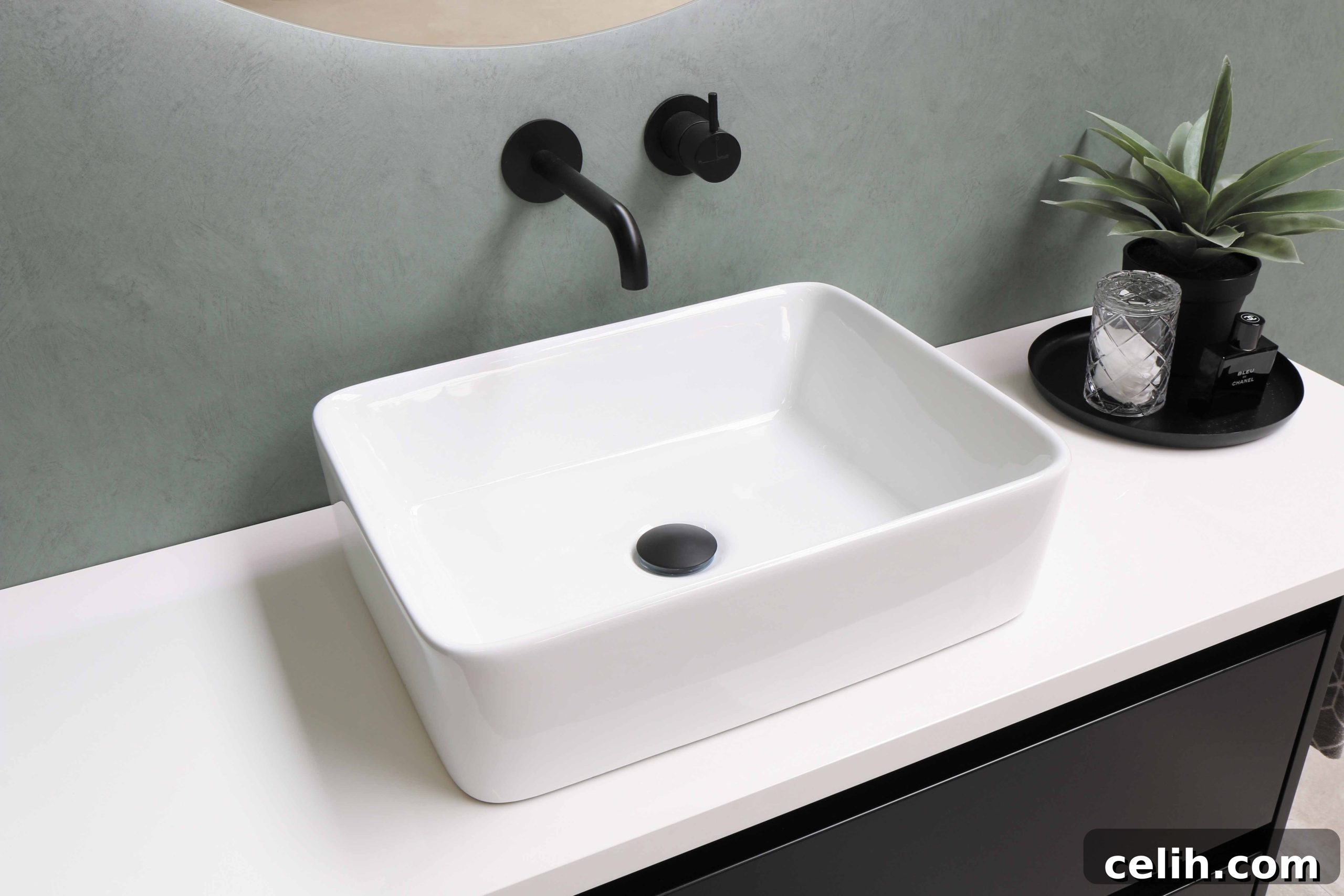
Plumbing problems are a homeowner’s nightmare, often striking when least expected and bringing with them a cascade of stress, inconvenience, and financial strain. From the insidious drip of a leaky faucet slowly inflating your water bill to the sudden deluge of a burst pipe causing extensive water damage, plumbing issues can quickly escalate into costly and disruptive repairs. The thought of being without running water or dealing with sewage backups is enough to make any homeowner anxious. However, the good news is that many of these expensive woes can be proactively prevented or significantly mitigated. By adopting a few simple yet effective strategies, you can maintain your home’s plumbing system in optimal condition, extend its lifespan, and drastically reduce the likelihood of facing exorbitant repair bills. This comprehensive guide will equip you with five essential tips to save money on your plumbing, ensuring peace of mind and a healthier home environment.
Invest in Proactive Plumbing Maintenance to Prevent Costly Repairs
One of the most effective ways to save money on plumbing is to adopt a proactive stance through regular preventative maintenance. Ignoring small signs of wear and tear can lead to a domino effect of more severe and expensive problems down the line. A little effort today can save you hundreds, if not thousands, of dollars tomorrow. Start by making a habit of inspecting your plumbing system regularly.
Regular Pipe Inspections: Your First Line of Defense
Dedicate time, perhaps monthly or quarterly, to visually inspect all exposed pipes in your basement, under sinks, around water heaters, and in utility rooms. Look for any tell-tale signs of trouble: subtle drips, rust-colored stains, green or white mineral deposits (indicating slow leaks), bulges, or corrosion. Even a small damp spot on a pipe or wall can signify a hidden leak that, if left unattended, could lead to significant water damage, mold growth, or even structural issues. Pay particular attention to pipe joints and connections, as these are common areas for leaks to develop. Should you discover any damage, no matter how minor it seems, it’s crucial to address it promptly. A timely repair of a small leak is far less costly than dealing with the aftermath of a burst pipe or extensive water damage.
Keeping Drains Clear and Free-Flowing
Clogged drains are another frequent source of plumbing headaches. To prevent them, be mindful of what goes down your drains. Install drain covers in showers and bathtubs to catch hair and soap scum. In the kitchen, avoid pouring grease, oil, or coffee grounds down the sink, as these substances solidify and build up over time, creating stubborn blockages. Instead, dispose of them in the trash. Regularly flush your drains with hot water, and consider using a natural cleaning solution like a mixture of baking soda and vinegar once a month to break down minor accumulations before they become major clogs. Avoid harsh chemical drain cleaners, as they can corrode your pipes and harm the environment. For significant blockages, a drain snake or a professional plumber is a safer option.
Water Heater and Sump Pump Vigilance
Don’t overlook your water heater. Sediment can build up at the bottom of the tank, reducing efficiency and potentially leading to premature failure. Annually flushing your water heater can remove this sediment, extending its lifespan and maintaining its energy efficiency. If you have a sump pump, particularly in areas prone to flooding, test it periodically by pouring water into the pit to ensure it activates correctly. Clear any debris from the pump’s intake screen to prevent blockages.
Winterization and Professional Assessments
For homes in colder climates, proper winterization of outdoor faucets and exposed pipes is essential to prevent costly freezing and bursting during the winter months. For older homes, or if you have any concerns about your plumbing system’s integrity, consider having a professional plumber conduct a comprehensive inspection every few years. They can identify potential issues before they escalate, such as aging pipes, worn-out fixtures, or underlying structural problems. This proactive professional check can provide invaluable peace of mind and safeguard your investment.
Empower Yourself: Learn Basic DIY Plumbing Skills
The misconception that every plumbing issue requires an expensive professional service call is a common one. While complex installations or major repairs certainly warrant expert attention, countless minor plumbing problems can be resolved by a savvy homeowner with a basic understanding of plumbing principles and a few essential tools. Investing a small amount of time to learn fundamental DIY plumbing skills can translate into substantial savings over the years.
Tackling Common Plumbing Nuisances
Many common household plumbing issues are surprisingly straightforward to fix. For example, a leaky faucet, often caused by a worn-out washer or O-ring, can usually be repaired with a few dollars’ worth of parts and a wrench. Learning how to replace a flapper in a running toilet can prevent hundreds of gallons of water from being wasted and stop that annoying constant flushing sound. Understanding how to properly use a plunger or a hand-held drain snake can clear most minor clogs in sinks and tubs without the need for a service call. Online tutorials, DIY plumbing guides, and even local workshops can be excellent resources for developing these practical skills.
Mastering Your Main Water Shut-Off Valve
Perhaps the single most important piece of plumbing knowledge for any homeowner is the location and operation of your home’s main water shut-off valve. In the event of a severe leak or a burst pipe, knowing how to quickly turn off the water supply can prevent catastrophic water damage to your property. Test this valve periodically to ensure it isn’t seized and that you can operate it swiftly in an emergency. It’s also wise to know the location of individual shut-off valves for toilets, sinks, and other appliances, which can be useful for minor repairs without affecting the entire house’s water supply.
Building Your Essential Plumbing Toolkit
To effectively tackle DIY plumbing tasks, assemble a basic toolkit. Essential items include: a good quality plunger (both cup and flange plungers are recommended), an adjustable wrench, a pipe wrench, a small basin wrench, a pair of tongue-and-groove pliers, a drain snake or auger, pipe tape (Teflon tape), and a sturdy bucket. Having these tools readily accessible means you can often address minor issues the moment they arise, preventing them from escalating.
Invest Smart: Opt for High-Quality Fixtures and Appliances
While the initial outlay for high-quality plumbing fixtures and appliances might seem greater, this investment invariably pays dividends in the long run. Cheap, mass-produced items are often made with inferior materials that are prone to wear, corrosion, and breakdown, leading to frequent repairs and replacements. Conversely, well-engineered, durable products offer superior longevity, greater reliability, and often enhanced efficiency, translating into significant savings over their operational lifespan.
Durability and Longevity: The True Cost of Ownership
Consider the difference between a flimsy plastic faucet and one crafted from solid brass with ceramic disc valves. The former might start dripping within a year, requiring constant maintenance or early replacement, while the latter can provide decades of trouble-free service. High-quality materials like solid brass, copper, and stainless steel are inherently more resistant to corrosion and wear, which are common culprits behind plumbing failures. When shopping for new installations or replacements, look beyond the initial price tag and evaluate the product’s construction, materials, and warranty. A robust warranty often indicates a manufacturer’s confidence in their product’s durability, offering you additional peace of mind.
Embrace Energy and Water Efficiency
Beyond sheer durability, high-quality fixtures and appliances are frequently designed with superior energy and water efficiency in mind. This translates directly into lower utility bills. For instance, an Energy Star certified water heater, while more expensive upfront than a standard model, uses significantly less energy to heat water, leading to substantial savings on your electricity or gas bill each month. Similarly, high-efficiency dishwashers and washing machines use less water per cycle, reducing both your water consumption and the energy required to heat that water. Look for certifications from reputable organizations like Energy Star when making purchases, as these signify that the product meets rigorous efficiency standards.
Fewer Repairs, Less Hassle
A major benefit of investing in quality is the reduced frequency of repairs. A well-built toilet is less likely to leak or clog, a robust garbage disposal less likely to jam, and a high-grade water heater less prone to early component failure. This not only saves you money on plumber call-out fees and parts but also saves you the invaluable time and frustration associated with persistent plumbing issues. When selecting new fixtures or upgrading appliances, always prioritize quality and efficiency over the lowest price point. It’s an investment in your home’s long-term plumbing health and your financial well-being.
Reduce Water Bills with Low-Flow Fixtures
One of the most straightforward and impactful ways to save money on your plumbing bill, and indeed your overall household expenses, is by installing low-flow fixtures. These innovative products are designed to deliver effective performance while significantly reducing water consumption. The benefits extend far beyond just a lower water bill, encompassing environmental advantages and even energy savings.
Significant Water and Sewage Bill Reductions
The primary advantage of low-flow fixtures is their ability to conserve water. Traditional toilets can use up to 3.5 to 7 gallons per flush (GPF), whereas modern low-flow models use a maximum of 1.28 GPF, or even less for high-efficiency dual-flush options. Similarly, older showerheads can easily churn through 5-8 gallons of water per minute (GPM), while low-flow versions limit usage to 2.0 GPM or less, without compromising shower pressure. By dramatically cutting down on your water usage, you can expect to see your monthly water bill drop by as much as 20% or even more. Furthermore, in many municipalities, sewage charges are directly tied to water consumption, so reducing your water usage often leads to a corresponding reduction in your sewage bill as well.
Energy Savings from Less Hot Water Usage
The savings don’t stop at your water meter. A substantial portion of your energy bill often goes towards heating water for showers, dishwashing, and laundry. When you use less hot water, your water heater doesn’t have to work as hard, and consequently, it consumes less energy to heat that water. This direct correlation means that low-flow showerheads and faucets contribute to lower electricity or gas bills, adding another layer of financial savings. It’s a win-win scenario: save water, save energy, save money.
Environmental Benefits and Reduced Environmental Impact
Beyond the financial incentives, low-flow fixtures play a crucial role in environmental conservation. By reducing overall water demand, they help alleviate stress on local water supplies and ecosystems. Less water usage also means less wastewater needs to be treated and transported, thereby reducing the energy consumption and chemical usage at wastewater treatment plants. This contributes to a smaller carbon footprint and a healthier planet. Upgrading to low-flow toilets, showerheads, and installing aerators on all your faucets is a relatively simple and cost-effective home improvement that offers both immediate and long-term returns, both for your wallet and for the environment.
Nip It in the Bud: Fix Minor Plumbing Issues Immediately
Perhaps the most critical advice for saving money on plumbing is also the simplest: address minor issues as soon as they arise. What may seem like an insignificant drip or a slightly slow drain today can rapidly escalate into a catastrophic failure, costing you hundreds or even thousands of dollars in emergency repairs and extensive property damage. Procrastination is truly your enemy when it comes to plumbing.
The Hidden Costs of a Leaky Faucet
Consider the seemingly harmless leaky faucet. While it might only drip a few drops a minute, those drops add up. Over a month, a single persistently dripping faucet can waste hundreds, even thousands, of gallons of water, directly translating to a noticeable increase in your water bill. Beyond the monetary waste, a constant drip can erode faucet components, stain sinks, and, if the leak is hidden within a wall or under a floor, lead to severe issues like mold growth, wood rot, compromised structural integrity, or even attract pests. A simple washer replacement that costs a few dollars and takes minutes to perform can avert these far more expensive and inconvenient scenarios.
From Slow Drain to Major Backup
Similarly, a slow-draining sink or tub is not just an annoyance; it’s a clear warning sign of a partial blockage. If left unaddressed, this partial clog will inevitably worsen, eventually leading to a complete blockage, standing water, and potentially an overflow or sewage backup. What could have been cleared with a plunger or a simple drain snake in minutes can then require a professional plumber with specialized equipment to clear a stubborn, deeply embedded clog, or worse, repair pipes damaged by pressure buildup. Ignoring a slow drain is akin to waiting for your car’s “check engine” light to turn into a full breakdown on the highway.
Detecting Subtle Signs and Taking Action
Be vigilant for subtle indicators of plumbing problems. Listen for dripping sounds, even faint ones, when no water is running. Inspect under sinks for any signs of moisture or water stains. If your water meter is moving when all water fixtures are off, it’s a strong indication of a hidden leak somewhere in your system. Don’t wait for a burst pipe or a complete drain blockage to call a plumber. Many minor issues can be a DIY fix or a relatively inexpensive professional repair if caught early. The longer you delay, the more severe the damage becomes, and the higher the repair cost will inevitably be. Prioritizing immediate action on minor plumbing issues is one of the most effective ways to protect your home and your wallet from unexpected and hefty expenses.
Taking a proactive and vigilant approach to your home’s plumbing maintenance is not just about avoiding immediate emergencies; it’s a fundamental aspect of responsible homeownership that yields significant long-term financial benefits. From performing regular inspections and understanding basic DIY fixes to making smart investments in high-quality, water-efficient fixtures, every action you take contributes to the health and longevity of your plumbing system. Small leaks and drips, while seemingly minor, can accumulate into substantial water waste and lead to much larger, more expensive problems like mold, structural damage, or extensive repairs. By consistently applying these essential tips – investing in preventative maintenance, empowering yourself with basic plumbing knowledge, choosing durable and efficient fixtures, embracing low-flow technology, and promptly addressing even the smallest issues – you can dramatically reduce your plumbing repair costs, lower your monthly utility bills, and enjoy the invaluable peace of mind that comes with a well-maintained home. A little effort today goes a long way in safeguarding your investment and ensuring your plumbing system functions flawlessly for years to come.