
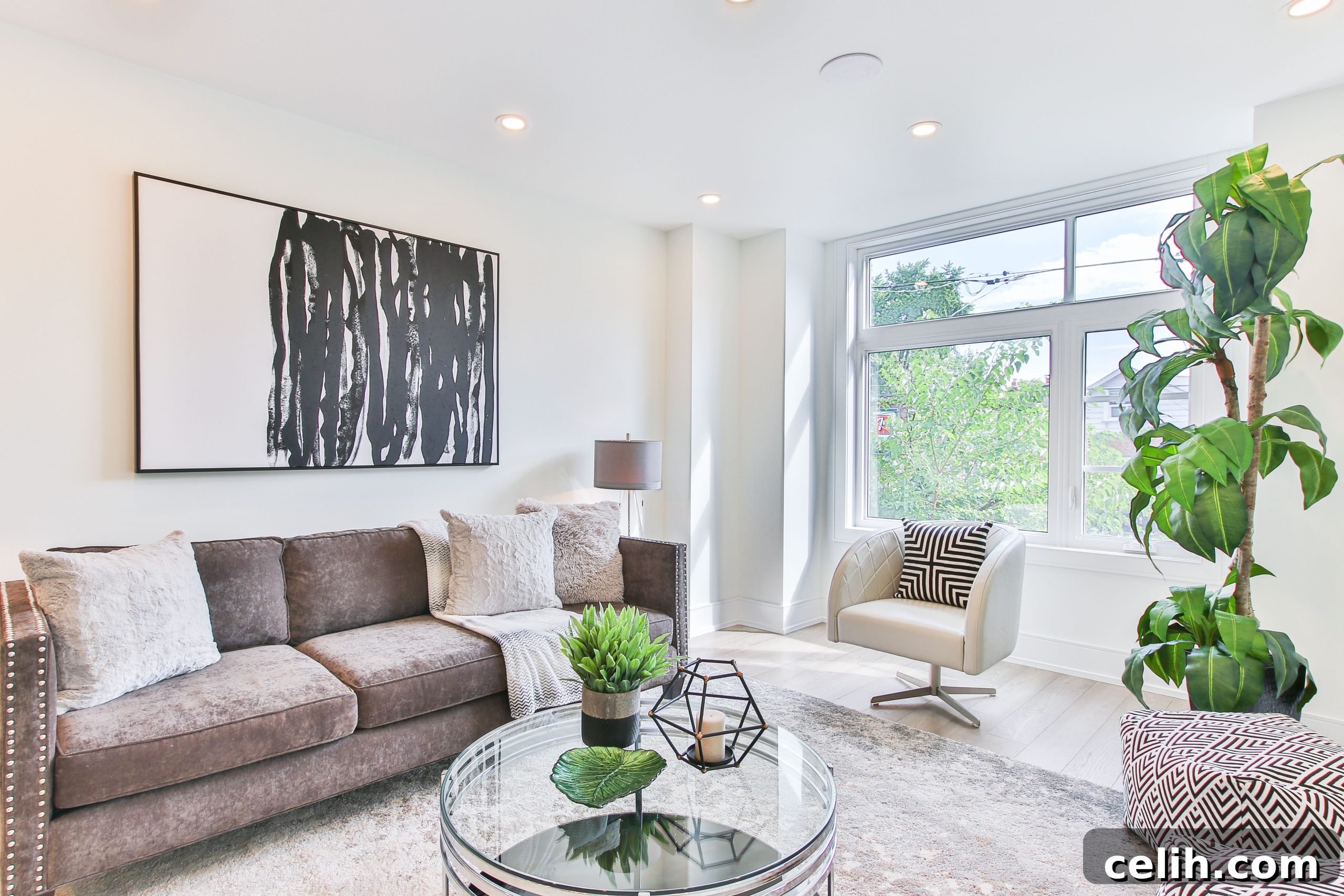
Your living room is more than just a room; it’s the vibrant core of your home. It’s the stage for everyday living, a sanctuary where you can unwind and relax after a long day, a welcoming space for entertaining guests, and a backdrop for creating cherished family memories. While you might meticulously select your furniture, décor, and wall colors to reflect your personal style, there’s one foundational element often underestimated yet possessing immense influence over the entire atmosphere and functionality of your living space: the flooring.
Living room flooring isn’t merely a surface to walk on; it’s a critical component of interior design that can profoundly transform your entire home’s aesthetic and practical appeal. The right flooring choice has the power to elevate a room from ordinary to extraordinary, extending its impact far beyond mere visual appeal. It directly influences the room’s acoustics, contributing to a quieter or livelier environment. It dictates the overall comfort underfoot, impacting how inviting the space feels. Furthermore, your flooring choice significantly affects maintenance requirements, affecting how easily you can keep your home looking pristine. Ultimately, your living room flooring sets the very foundation for your sanctuary—a place where you can truly express your unique style, find solace, and weave the fabric of unforgettable moments.
Join us on an insightful journey as we explore how a thoughtful choice of flooring can truly revitalize and redefine your living room space, turning it into the dream environment you’ve always envisioned.
Exploring Popular Living Room Flooring Materials
The market offers an extensive array of flooring materials, each boasting its own distinct characteristics, benefits, and aesthetic appeal. Understanding these differences is key to making an informed decision for your living room.
- Hardwood Flooring: A perennially popular choice, hardwood flooring exudes timeless elegance and sophistication. Known for its exceptional durability, it can withstand decades of use and traffic. Hardwood ages gracefully, developing a unique patina over time, and can be refinished multiple times to restore its original luster or change its stain, making it a long-term investment that adds significant value to your home. It’s available in various wood species, plank widths, and finishes, allowing for diverse design possibilities from rustic to contemporary.
- Laminate Flooring: Offering a cost-effective and highly versatile alternative to real wood, laminate flooring has evolved considerably. Modern laminates are designed to convincingly mimic the look of hardwood, stone, and even tile, providing a vast array of designs and textures. It’s highly resistant to scratches, dents, and fading, making it an excellent choice for busy households. Its easy installation process (often a click-and-lock system) and minimal maintenance requirements further add to its appeal.
- Tile Flooring: Particularly porcelain or ceramic tiles, are renowned for their incredible durability and resilience, making them an excellent choice for high-traffic living areas. Tiles are resistant to moisture, stains, and wear, ensuring they maintain their pristine appearance for years. They come in an unparalleled variety of sizes, shapes, colors, and patterns, from sleek, large-format contemporary designs to intricate, traditional motifs. While they can feel cool underfoot, this is often a benefit in warmer climates, and radiant heating systems can be installed beneath them for added warmth.
- Vinyl Flooring: Vinyl has experienced a resurgence in popularity, especially in the form of Luxury Vinyl Plank (LVP) and Luxury Vinyl Tile (LVT). This material is celebrated for its exceptional versatility, impressive durability, and remarkable ease of maintenance. LVP and LVT are engineered to convincingly replicate the look and feel of natural materials like wood and stone, often at a fraction of the cost. They are highly water-resistant, making them ideal for homes with children or pets, and offer a softer, warmer feel underfoot than traditional tile.
Each of these flooring materials presents a unique set of advantages. Hardwood floors offer natural beauty and the potential for refinishing, while laminate provides budget-friendly aesthetics and robust durability. Tiles are perfect for those prioritizing extreme resilience and a modern aesthetic, and vinyl offers unmatched practicality and design flexibility. If you find yourself pondering the best fit for your home, a visit to a local flooring showroom is invaluable. Experts at places like the Islington flooring company, for instance, can provide tangible examples and professional guidance tailored to your specific needs and preferences.
The Unsung Hero: Underlay for Carpets
While often overlooked because it’s hidden beneath the surface, carpet underlay is one of the unsung heroes of a comfortable and durable living room floor. This crucial layer of padding beneath your carpet offers a multitude of benefits that significantly enhance your flooring experience. A high-quality underlay provides superior comfort underfoot, transforming a firm surface into a soft, luxurious pathway. It also plays a vital role in noise reduction, absorbing impact sounds and contributing to a quieter, more peaceful home environment. Furthermore, investing in good underlay can significantly extend the life of your carpet by cushioning the fibers against daily wear and tear, preventing premature flattening and fraying.
Various types of carpet underlay are available, each designed with specific advantages. Foam underlay is a common and affordable option, offering a good balance of comfort and insulation, and is particularly suitable for underfloor heating systems due to its thermal properties. Rubber underlay, known for its exceptional density and resilience, excels in durability and noise reduction, making it an ideal choice for busy family living rooms or areas requiring superior sound dampening. Felt underlay, often made from recycled materials, offers an eco-friendly option that provides a dense, luxurious feel and excellent thermal insulation. When selecting underlay, consider factors such as your carpet type, the level of foot traffic in your living room’s specific needs, and whether you have underfloor heating systems. Choosing the appropriate underlay ensures your carpet performs optimally, delivering maximum comfort and longevity.
Choosing the Perfect Flooring for Your Lifestyle
Selecting the perfect flooring for your living room is a decision that requires careful consideration of multiple factors beyond just visual appeal. Begin by clearly identifying your personal style and the desired ambiance you wish to create. Do you envision a living room with a classic, cozy, and rustic charm, or do you gravitate towards a sleek, minimalist, and contemporary feel? Your personal aesthetic preferences should always be a guiding principle in your selection process.
Beyond aesthetics, it’s crucial to balance your design preferences with the practical requirements and realities of your living space. Consider the daily dynamics of your household. For instance, if your home includes active children or playful pets, durability and ease of cleaning become paramount. In such cases, resilient options like high-quality laminate, luxury vinyl plank, or durable ceramic tiles would be highly suitable due as they can withstand spills, scratches, and heavy foot traffic with minimal fuss. On the other hand, if you’re aiming for a more formal, elegant, and quiet living room—perhaps an adults-only space—then classic hardwood or a plush, high-pile carpet with premium underlay might be the ideal choice, offering luxurious comfort and a sophisticated atmosphere. Other practical considerations include the amount of natural light the room receives (lighter floors can make a space feel brighter and larger), the climate you live in (some materials are better insulators than others), and your overall budget for both materials and installation.
Harmonizing Flooring with Your Interior Style
Achieving a cohesive and inviting living space hinges on harmonizing your flooring choice with your overarching interior design style. The flooring acts as the foundation upon which all other design elements are built, so its integration is vital. If your aim is to create a modern, minimalist aesthetic, sleek, large-format porcelain tiles, polished concrete, or light-colored, wide-plank hardwood can work wonders, contributing to a clean, expansive, and sophisticated look. For those drawn to a more traditional, warm, and inviting ambiance, classic oak or walnut hardwood, engineered wood with rich grain patterns, or even a high-quality wood-effect laminate can provide that desired timeless charm and comfort.
Your choice of flooring should seamlessly integrate with and enhance your entire interior design concept. In a Scandinavian-inspired living room, for example, light natural wood or pale grey laminate would complement the clean lines and neutral palette. For an industrial-style space, concrete-look tiles or distressed wood flooring would add to the raw, urban appeal. Don’t underestimate the power of the right flooring to make your other décor elements truly pop. A vibrant area rug, a unique piece of artwork, or a statement piece of furniture can be elevated and highlighted by a complementary flooring choice. Rugs and carpets, beyond their comfort-enhancing qualities, also serve as powerful decorative elements. They can introduce texture, a splash of color, intricate patterns, and define distinct zones within an open-plan living room, adding depth and personality to your design scheme.
Enhancing Comfort and Warmth Underfoot
While visual aesthetics are undoubtedly important in living room design, comfort and warmth are equally, if not more, crucial for creating a truly inviting and livable space. To infuse your living room with an immediate sense of coziness and tactile luxury, consider incorporating area rugs and wall-to-wall carpets. These soft flooring options not only introduce rich textures, intricate patterns, and a spectrum of colors that enhance your style, but they also provide a wonderfully soft and warm surface underfoot, especially appealing during colder months.
When it comes to carpeted living rooms, the underlay, though unseen, plays an absolutely pivotal role in elevating both comfort and longevity. It acts as an essential additional insulation layer, effectively making your floor feel significantly warmer and more comfortable, particularly in chilly climates or during the winter season. Beyond thermal benefits, a quality underlay also provides crucial cushioning that helps to reduce the wear and tear on your carpet fibers. This protective layer ensures your carpet retains its plushness, maintains its aesthetic appeal, and lasts considerably longer, resisting flattening and deterioration. Investing in the right underlay is a smart decision that pays dividends in both the daily comfort it provides and the extended lifespan of your beautiful carpet, transforming your living room into a snug and welcoming retreat.
Maintaining and Caring for Your Living Room Flooring
Once you’ve made the perfect choice and expertly installed your living room flooring, establishing a consistent and appropriate maintenance routine becomes paramount to preserving its beauty, integrity, and longevity. Different flooring materials demand specific care regimens tailored to their unique properties and vulnerabilities.
- Hardwood Floors: These benefit greatly from regular sweeping or vacuuming with a soft brush attachment to remove grit and debris that can cause scratches. Occasional damp mopping with a hardwood-specific cleaner is recommended. Avoid excessive water, harsh chemicals, or steam cleaners, which can damage the finish and warp the wood. Periodic refinishing (every 7-10 years, depending on wear) can restore their original luster and address any deep scratches.
- Laminate and Vinyl Flooring: These are generally considered low-maintenance champions. Regular sweeping or vacuuming is usually sufficient. For deeper cleaning, use a damp mop with a manufacturer-recommended cleaner. Avoid abrasive cleaners, steel wool, or excessive water, as they can damage the top layer or seep into seams. Promptly wipe up spills to prevent staining or moisture damage.
- Tile Flooring: Tiles are incredibly durable but require attention to their grout lines. Regular sweeping and mopping with a mild, pH-neutral cleaner will keep the tiles clean. Grout, however, is porous and can accumulate dirt and stains, requiring periodic specialized grout cleaning and sealing to prevent discoloration and maintain its appearance.
- Carpet: Regular vacuuming (at least once or twice a week) is essential to remove dirt and allergens, preventing them from settling deep into the fibers. Address spills immediately with appropriate carpet cleaners to prevent permanent stains. Professional deep cleaning every 12-18 months is recommended to refresh the carpet, remove embedded dirt, and extend its lifespan.
Regular, proactive maintenance is truly the key to preserving the beauty and longevity of your living room flooring. Always refer to the manufacturer’s specific recommendations for each flooring type, as these guidelines are designed to optimize the performance and appearance of your investment. By adhering to these simple yet effective care practices, your living room floor will continue to be a source of pride and comfort for many years to come.
Current Trends in Living Room Flooring
Like all facets of interior design, flooring trends are continuously evolving, reflecting broader shifts in consumer preferences, technological advancements, and environmental consciousness. In recent years, there has been a significant and growing interest in sustainable and eco-friendly flooring options, as homeowners increasingly seek to minimize their environmental footprint without compromising on style or quality. Materials such as bamboo, known for its rapid renewability and hardness; cork, celebrated for its natural insulation, softness, and sound-absorbing qualities; and reclaimed wood, which adds unique character and history while repurposing materials, are all gaining immense popularity. These options not only contribute to a healthier planet but also offer distinct aesthetic appeals that can complement a wide range of interior styles.
Beyond sustainability, color and finish trends also play a crucial role in shaping the look and feel of contemporary living rooms. While classic neutrals like various shades of grey, soft beiges, and muted off-whites remain popular for their versatility and ability to provide a calm backdrop, there’s a noticeable move towards richer, more complex color palettes. Deep blues, forest greens, and earthy tones such as terracotta and warm browns are making a significant mark in living room flooring, adding depth, warmth, and a touch of sophisticated drama. Finishes are also trending towards more natural, matte, or low-sheen options rather than high gloss, creating a more organic and less reflective surface. Incorporating these contemporary trends into your living space, whether through the material choice, color palette, or finish, can inject a fresh, modern, and highly personal feel into your home.
In conclusion, your living room flooring is far more than a practical necessity; it is a fundamental design element with the immense power to redefine your entire space. It’s the essential foundation upon which comfort, style, and functionality converge, transforming a room from merely ordinary to truly extraordinary. Never underestimate the profound influence of your flooring choice—it is quite literally the ground beneath your feet, and the crucial canvas upon which you can build the living room of your dreams, reflecting your personality and enhancing your daily life.