
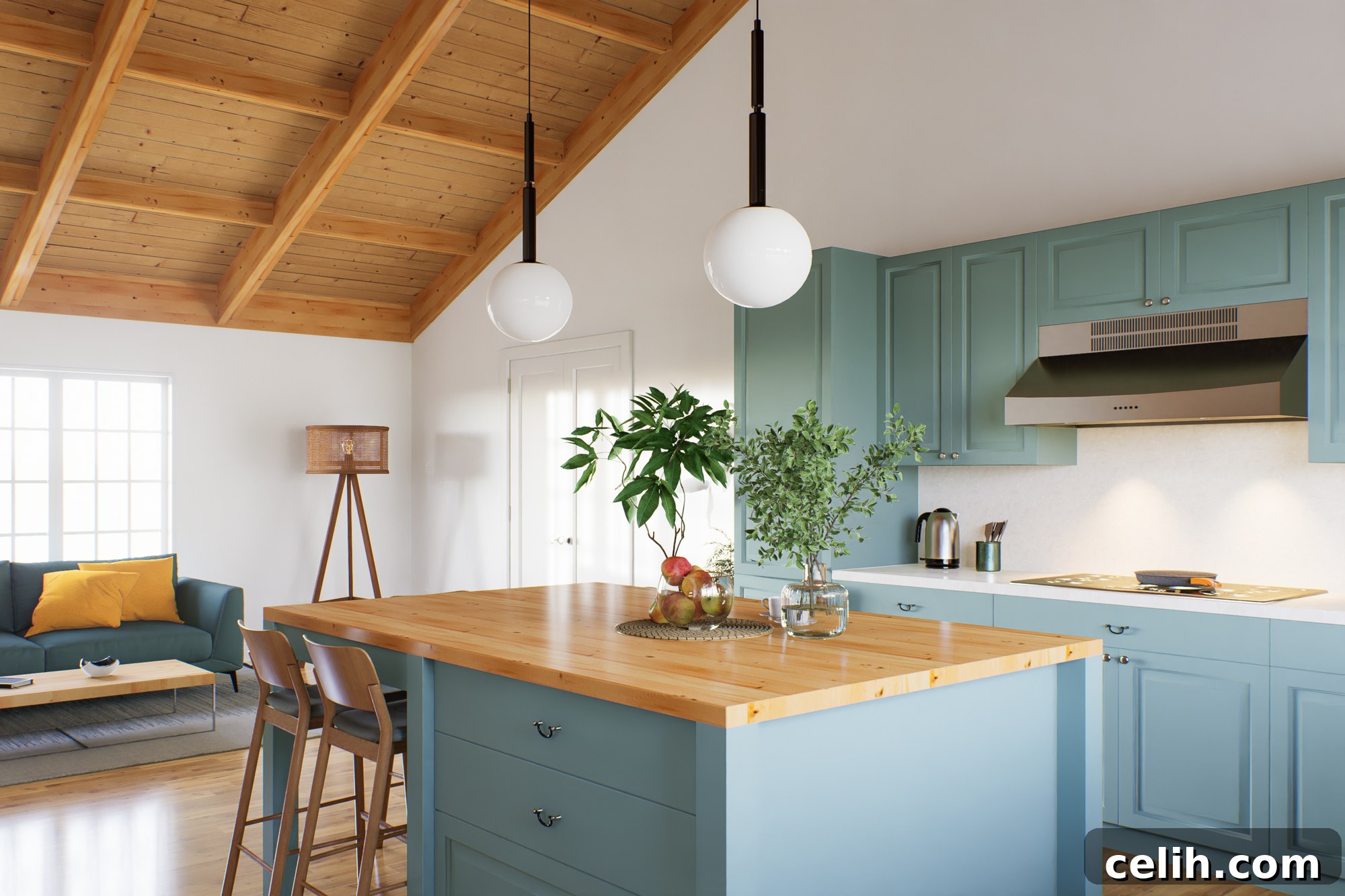
Wooden kitchen worktops are a timeless choice, bringing an unparalleled blend of warmth, natural beauty, and functionality to the very heart of any home. Their enduring classic appeal and remarkable versatility have cemented their place as a staple in kitchen design for centuries, making them an exceptionally valuable choice if you’re looking to create an inviting, practical, and aesthetically pleasing kitchen space. More than just a surface for meal preparation, a solid wood countertop transforms the kitchen into a hub of comfort and style.
However, the appeal of wooden worktops extends far beyond their stunning looks. They offer a wealth of benefits that make them a truly standout choice in modern and traditional kitchen designs alike. In this comprehensive guide, we’ll delve into the numerous advantages of wooden kitchen worktops, exploring why they remain an incredibly popular and wise investment for homeowners today.
1. Aesthetic Appeal: Unrivaled Natural Warmth and Beauty
One of the most compelling reasons homeowners consistently choose wooden worktops is their breathtaking, inherent natural aesthetic. Wood possesses an organic beauty and character that few other kitchen materials can replicate, effortlessly infusing warmth, richness, and unique texture into any kitchen environment. Each individual piece of timber is truly unique, showcasing its own distinctive grain patterns, subtle color variations, and charming imperfections. This intrinsic individuality adds significant character to the worktop, transforming it into a one-of-a-kind focal point and a true conversation starter in the home.
Moreover, the versatility of wood allows it to complement a vast array of kitchen styles, seamlessly transitioning from rustic and traditional farmhouse kitchens to sleek, modern, and minimalist designs. With an impressive selection of wood types available—including popular choices such as oak, walnut, beech, maple, and cherry—homeowners have the freedom to easily find a wood species and finish that perfectly aligns with their personal style preferences and existing décor. For instance, the robust and classic appeal of oak makes it a popular choice for traditional and country-style kitchens, while the deep, luxurious hues of walnut can effortlessly add a touch of sophisticated elegance to a contemporary space. This natural warmth creates an inviting atmosphere, encouraging family and friends to gather and enjoy the heart of the home.
2. Durability: Crafted for Longevity with Diligent Care
While wood might initially appear delicate when compared to harder materials like natural stone or engineered synthetics, when sourced from the right hardwood varieties, it is remarkably durable and highly resistant to the daily wear and tear of a busy kitchen. Hardwoods such as oak, maple, walnut, and beech are particularly resilient materials for kitchen worktops, engineered to withstand the demanding conditions and constant activity found in modern kitchens. Their inherent strength ensures they can endure the rigors of cooking, chopping, and daily use.
It’s true that solid wood worktops may sustain minor dents or superficial scratches over many years of use. However, one of their greatest advantages is how easily they can be restored to their original, pristine condition through simple sanding and refinishing processes. Unlike stone or laminate surfaces, which can be challenging, expensive, and often impossible to repair seamlessly once damaged, wooden surfaces allow for periodic maintenance and refurbishment. This unique characteristic helps them retain their beauty, integrity, and functionality for many decades, making them a long-term asset to your home.
To truly maximize the lifespan and preserve the stunning appearance of a wooden worktop, proper and consistent care is absolutely essential. Regularly oiling the surface is a crucial step; it significantly enhances the wood’s natural resistance to water damage, spills, and unsightly stains, while also protecting it from the effects of heat and humidity. Furthermore, a well-maintained wooden worktop doesn’t just endure; it ages gracefully. Over time, it develops a unique, rich patina that only adds to its character and charm, telling a story of countless meals and cherished memories created in your kitchen.
3. Sustainability: A Truly Eco-Friendly and Responsible Choice
In an era of increasing environmental awareness, finding eco-friendly and sustainable materials for home construction and renovation has become a key consideration for many discerning homeowners. The excellent news is that wood stands out as one of the most sustainable and environmentally responsible options available for kitchen worktops. This is primarily because wood is a renewable resource, especially when it is sourced and harvested responsibly from managed forests. Many reputable timber suppliers proudly offer wood certified by organizations like the Forest Stewardship Council (FSC), which provides assurance that the timber originates from forests managed according to strict environmental, social, and economic standards, ensuring sustainable harvesting practices.
When compared to synthetic worktops, which often rely heavily on petroleum-based materials or demand energy-intensive manufacturing processes, wooden countertops boast a significantly smaller carbon footprint. The production of wood products generally requires less energy and generates fewer greenhouse gas emissions. Additionally, one of wood’s most impressive sustainable attributes is its end-of-life potential. When a wooden worktop eventually reaches the end of its long lifecycle, it can often be readily recycled, repurposed into new items, or even composted, drastically reducing landfill waste and minimizing its overall environmental impact. Choosing a sustainably sourced solid wooden worktop is a profoundly environmentally conscious decision that directly contributes to a healthier planet. By opting for wood for your kitchen countertops, you are not only creating a beautiful and highly functional space in your home but also actively supporting ethical and sustainable forestry practices that benefit ecosystems globally.
4. Versatile Design Options for Every Style
Wooden worktops offer an unparalleled degree of customization and flexibility in terms of design, shape, and finish, making them suitable for virtually any interior aesthetic. Whether your preference leans towards a smooth, seamless, contemporary surface or a more textured, rustic, and reclaimed finish, wood can be meticulously tailored to meet your precise aesthetic and functional requirements. Worktops can also be custom-shaped to fit unique kitchen layouts, including bespoke islands or L-shaped configurations. Furthermore, they can be crafted with various edge profiles, such as elegantly rounded, sophisticated beveled, or crisp square edges, each adding a distinct decorative touch and contributing to the overall design language of the worktop and kitchen.
Beyond their inherent flexibility in shape and style, wooden worktops possess an exceptional ability to pair beautifully with a diverse range of other kitchen materials. They create stunning contrasts and harmonious blends when combined with elements like sleek stainless steel appliances, modern glass splashbacks, or classic ceramic tiles. For example, integrating a warm wooden worktop with cool, industrial stainless steel appliances in contemporary kitchen designs can achieve a perfectly balanced look, seamlessly blending natural warmth with cutting-edge modernity. This incredible versatility ensures that wooden worktops are suitable for an extensive spectrum of design themes, empowering you to experiment with unique interior design combinations that truly reflect your personal preferences and elevate your kitchen’s character.
5. Easy to Maintain and Remarkably Simple to Restore
While hardwood worktops do require a degree of regular maintenance to look their best and ensure their longevity, the upkeep process is remarkably straightforward and incredibly rewarding. Simple, consistent measures, such as oiling the worktop every few months, are key to effectively protecting the wood surface from water penetration, unsightly stains, and general daily wear. By applying a suitable wood oil, you create a robust protective barrier that actively prevents moisture absorption, significantly reducing the risk of swelling, warping, or cracking. The oil also works to deepen and enhance the wood’s natural color and grain, adding a rich, lustrous quality to the worktop’s overall appearance.
Cleaning a wooden worktop for daily spills and messes is remarkably easy: warm water combined with a mild dish soap will suffice for routine cleaning. For periodic disinfection and a deeper clean, a gentle vinegar solution can be used to naturally sanitize the surface. Should the worktop develop minor scratches, scuffs, or stubborn stains over time, it possesses the unique advantage of being easily sanded down and then re-oiled with products like linseed oil, a hard wax oil, or specialist kitchen worktop oils. This simple process effectively restores its smooth, unblemished finish and revives its original beauty.
Unlike many other kitchen countertop materials that often necessitate expensive professional repairs or specialized tools, wooden worktops readily allow for DIY restoration. This makes them an exceptionally practical and cost-effective option for homeowners who appreciate hands-on care for their kitchen surfaces and prefer to maintain the beauty of their home themselves.
6. Hygienic Surface: Naturally Antibacterial Properties
Some individuals express concern that a real wood butcher block counter might be less sanitary compared to non-porous synthetic or stone materials. However, scientific studies have consistently shown that certain types of wood, particularly dense hardwoods like oak and walnut, possess remarkable natural antibacterial properties. Wood contains organic compounds that actively inhibit the growth and proliferation of bacteria, making it a surprisingly hygienic and safe choice for food preparation surfaces in the kitchen.
That being said, regular and thorough cleaning with a clean, lint-free cloth remains absolutely essential to keep any kitchen surface, including wood, safe and hygienic for food contact. Furthermore, by consistently applying a food-safe sealant or oil, you can maintain a non-porous surface on your wooden worktop. This crucial step further minimizes bacterial growth and effectively prevents tiny food particles from becoming trapped within the wood grain, ensuring a clean and safe environment for cooking.
For even greater cleanliness and peace of mind, many homeowners adopt the practice of using different sections of their expansive wooden worktop for various kitchen tasks. Designating specific areas for meat, fresh produce, or dairy products can significantly reduce the risk of cross-contamination, further enhancing the hygienic benefits of a solid wood countertop.
7. Natural Insulator: Enhanced Comfort and Temperature Control
Wood is a remarkable natural insulator, meaning it does not conduct heat or cold as readily as materials like stone, metal, or some engineered surfaces. This inherent insulating property offers a distinct advantage in a kitchen environment, particularly during the colder months, as wood naturally maintains a more comfortable and ambient temperature. Unlike granite or marble, which often feel strikingly cold to the touch, a wooden worktop remains at a neutral, pleasant temperature, consistently providing a warm and welcoming feel to the entire kitchen space. This warmth is not just tactile; it contributes significantly to the overall cozy atmosphere.
Beyond temperature regulation, wood’s insulating qualities also play a vital role in reducing ambient noise within the kitchen. Its natural porous structure allows it to absorb sound waves rather than amplifying them, as harder, reflective surfaces tend to do. This sound-dampening quality can be especially beneficial in modern open-plan kitchens, where sound can easily reverberate and carry into adjacent living areas, potentially disrupting quiet activities. By choosing a wooden worktop, you are not merely adding aesthetic appeal to your home; you are actively enhancing the comfort, tranquility, and overall functionality of your kitchen space, creating a more peaceful and enjoyable environment for everyone.
8. Adds Significant Value to Your Home
Wooden worktops, particularly those crafted from premium hardwoods like solid oak or rich walnut, are widely regarded as a premium and highly desirable feature that can substantially add value to your property. Their classic, timeless appeal makes them incredibly attractive to potential buyers who appreciate the inherent beauty, tactile warmth, and genuine quality of natural materials. A meticulously maintained wooden worktop can effortlessly create a luxurious and high-end look in a kitchen, imparting a sophisticated feel that other materials may struggle to achieve with the same level of authentic charm and character.
Wood’s exceptional ability to blend seamlessly with a diverse array of design styles—from traditional farmhouse to contemporary minimalist—further enhances its broad appeal to a wider audience. Buyers who favor both classic and modern aesthetics can universally appreciate the versatility and adaptability of a beautifully crafted wooden worktop. This makes it a highly sought-after feature in the real estate market, often justifying a higher asking price when it comes time to sell a home. Investing in quality wooden worktops is therefore not just an aesthetic choice, but a smart financial decision for long-term home value.
9. Eco-Conscious Finishing Options for a Healthier Home
When it comes to treating and protecting wooden worktops, homeowners now have access to an ever-growing selection of eco-friendly and non-toxic finishing options. Many modern oils and sealants are formulated from natural ingredients, making them safe for both the people interacting with the surface and the broader environment. Popular and highly effective natural finishes include food-grade mineral oil, durable tung oil, and protective beeswax, all of which are renowned for being food-safe, non-toxic, and biodegradable. These natural alternatives provide peace of mind, knowing that your kitchen surfaces are free from harsh chemicals.
These eco-conscious finishes not only deliver a beautiful, non-toxic, and robust surface, but they also allow the wood’s inherent natural grain, rich texture, and unique color variations to beautifully shine through, enhancing its organic charm. For environmentally-conscious homeowners, choosing these sustainable finishing options aligns perfectly with the principles of utilizing sustainable materials throughout the home, thereby creating a healthier, chemical-free living environment and significantly reducing exposure to potentially harmful synthetic compounds. This holistic approach ensures that your wooden worktops contribute positively to both your home’s aesthetics and its ecological footprint.
10. Comfortable Work Surface for Cooking and Baking Enthusiasts
Unlike much harder and unforgiving work surfaces made from granite, marble, or quartz, wood is a comparatively softer and more resilient material. This inherent quality makes it an exceptionally comfortable and ergonomic surface for various food preparation activities, including chopping vegetables, kneading dough, and rolling out delicate pastries. Because wood offers a slight degree of “give” or forgiveness, it is also significantly less likely to chip, crack, or damage glassware, ceramics, and cutlery that may accidentally be dropped or placed upon it. This makes it an incredibly practical and user-friendly choice for busy kitchens where multiple culinary activities are constantly taking place throughout the day.
The softer, more yielding surface of wood also plays a crucial role in reducing strain on your wrists, hands, and arms during prolonged periods of food preparation, providing a more comfortable and supportive area for cooking. Bakers, in particular, often express a strong preference for wooden worktops when rolling out various types of dough and working with intricate pastries. Wood provides a smooth yet stable surface that is gentle on dough, preventing it from sticking excessively and allowing for precise manipulation, which is vital for achieving perfect results in baking. This comfort factor is a significant, often overlooked, benefit of choosing wood.
11. Adaptability to Different Finishes and Colours Over Time
Wooden worktops are remarkably adaptable in terms of their finish, stain, and overall color palette. They possess the unique characteristic of being able to be lightened or darkened significantly, allowing homeowners to customize their appearance according to evolving personal preferences or changing interior design trends. Options range from the crisp, pale elegance of maple or birch to the rich, deep, and luxurious tones of dark walnut or wenge. This inherent flexibility makes wood an outstanding choice for those who anticipate wanting to refresh or entirely change the aesthetic of their kitchen over time without the costly and disruptive process of full replacement.
With ongoing advancements in wood staining and finishing techniques, you can achieve a vast array of looks, from the bright, airy, and modern Scandinavian light woods that evoke minimalism, to the deep, traditional, and rustic appearance of dark-stained oak that exudes classic charm. The invaluable ability to refinish the worktop with new stains or protective finishes means you can completely update your kitchen’s look and feel without needing to replace the entire worktop. This not only keeps your kitchen surfaces in tip-top condition but also makes wood a highly cost-effective and endlessly customizable option, allowing your kitchen to evolve with your style for decades to come.
12. Emotional Connection: Fostering a Natural, Inviting Space
One of the most understated yet profoundly impactful benefits of integrating a wooden worktop into your kitchen is the powerful emotional connection it can foster within a home. Wood, as a natural material, inherently brings a calming, grounding element into the kitchen, creating an intrinsically cozy and welcoming atmosphere that instinctively encourages gathering, relaxation, and shared moments. It transforms a utilitarian space into a comforting sanctuary.
Unlike colder, more sterile materials such as granite, stainless steel, or laminate worktops, solid wood countertops possess a unique tactile warmth and organic texture that deeply resonates with people. This quality makes the kitchen feel like a true, authentic extension of the home’s main living spaces, blurring the lines between functional and familial. The distinct grain patterns, rich color variations, and natural imperfections of each wooden worktop contribute significantly to this effect, serving as a constant, gentle reminder of the innate beauty and calming influence of the natural world, brought indoors.
Many homeowners consistently report finding that the presence of wood fosters a profound sense of peace, tranquility, and connection within their domestic environment. This transforms their kitchens into much more than just a place to cook; they become cherished spaces to unwind, reconnect, and enjoy precious time with loved ones, making every meal preparation and shared moment a more enriching experience.
13. Compatibility with Biophilic Design Principles for Well-being
For those deeply interested in biophilic design—an innovative concept focused on seamlessly incorporating natural elements and processes into modern living spaces to improve human well-being—wooden worktops are an absolutely ideal choice for achieving that desirable natural look. Biophilic design is rooted in the idea that humans have an innate tendency to connect with nature, and bringing natural elements indoors can profoundly benefit mental and physical health.
Numerous studies have compellingly demonstrated that engaging with biophilic design principles can significantly improve overall well-being by effectively reducing stress levels, enhancing mood, and even boosting creativity and cognitive function. Wood, as an authentic and organic material, is one of the foundational elements that powerfully supports this concept. Incorporating a natural material such as wood into a kitchen brings an immediate touch of the outdoors inside, blending harmoniously with other biophilic elements like living plants, abundant natural light, and soothing earthy tones found in paint or tiles. By consciously choosing wooden worktops, you are not merely enhancing the aesthetic appearance of your dream kitchen; you are also actively contributing to the creation of a healthier, more balanced, and incredibly restorative environment that inherently promotes relaxation, focus, and a sense of calm.
Furthermore, in homes featuring expansive open-concept designs, a warm and inviting wooden kitchen worktop can effectively act as a visual bridge between the kitchen and adjacent living spaces. This creates a cohesive and grounded feel throughout the entire home, ensuring visual continuity and a seamless flow that enhances the overall harmony and livability of your interior design.
Conclusion: Why Wooden Worktops Are a Wise and Enduring Investment
Wooden kitchen worktops, with their captivating grain patterns, rich textures, and interesting color variations, offer an almost perfect balance of beauty, durability, and functionality. This makes them a truly valuable and superb investment for any home, promising returns not just in aesthetics but in lasting comfort and utility. Their timeless appeal, remarkable versatility, and a myriad of benefits ensure that wooden worktops remain a top choice for homeowners looking to enhance the heart of their kitchen, transforming it into a space that is both highly practical and deeply cherished.
From their eco-friendly, sustainable origins and surprisingly easy maintenance to their incredible adaptability in design and finish, wooden worktops infuse a unique natural charm into any kitchen design. For those who prioritize comfort, desire genuine warmth, appreciate robust durability, and long for a hint of rustic elegance or sophisticated natural beauty, a solid wooden kitchen worktop is an exceptional choice that will not only meet but exceed expectations, standing the test of time with grace and resilience. Whether you’re embarking on a major kitchen renovation of an old space or meticulously designing a brand-new culinary haven, opting for wood can inject a fresh, inviting, and organic feel into your home, creating a kitchen that is not only highly functional but also an absolute joy to spend time in, day after day.