
Embarking on a significant home renovation project is an exciting journey, brimming with the promise of transforming your living space into something more functional, beautiful, and tailored to your lifestyle. It’s a chance to reimagine your home, enhance its value, and create an environment that truly reflects your vision. However, alongside this immense potential lies a landscape fraught with unexpected challenges and pitfalls that can derail even the most meticulously planned efforts. From budget overruns and timeline delays to safety hazards and legal complications, the path to a dream home renovation can quickly turn into a nightmare if not approached with caution and foresight. Understanding and proactively addressing common renovation mistakes is crucial for ensuring a smooth, successful, and ultimately rewarding outcome. By being aware of these potential traps, homeowners can navigate their projects with greater confidence, avoid costly errors, and ensure their renovation journey culminates in the stunning results they envisioned.
Navigating the Essential Permit Process
Perhaps the most critical, yet frequently overlooked, aspect of home renovation is the comprehensive understanding and strict adherence to local building codes and permit laws. The permit process is not merely bureaucratic red tape; it serves as a fundamental safeguard for homeowners, residents, and the wider community. Its primary purpose is to ensure that all remodeling work complies with stringent safety standards, structural integrity requirements, and zoning regulations. Bypassing this vital step can lead to severe repercussions, including substantial fines, mandatory work stoppages, costly project delays, and even the unfortunate necessity of demolishing illegally constructed work. Such penalties not only drain your budget but also undermine the safety and legality of your entire project.
Permits are typically required for any renovation that involves structural changes, electrical work, plumbing modifications, or significant alterations to the existing footprint of the home. This widely encompasses common projects such as kitchen remodels, which often entail moving or adding new lighting fixtures, relocating sinks, or reconfiguring layouts by removing non-load-bearing or load-bearing walls to create open-concept spaces. Even seemingly minor improvements, like enlarging window openings, adding a new deck, finishing a basement, or converting a garage, may trigger permit requirements in various jurisdictions. The specific regulations can vary significantly from one municipality to another, making local research indispensable.
Understanding the intricate complexities of these local codes and the permit application process can be daunting for the average homeowner. This is where the expertise of licensed professionals becomes paramount. Engaging qualified engineers, architects, or general contractors who possess in-depth knowledge of local regulations is not just advisable; it’s often essential. These professionals can expertly guide you through every stage, from preparing accurate, code-compliant designs and submitting complete applications to liaising with city inspectors. Their involvement significantly minimizes the risk of application rejections due to incomplete plans or non-compliance, thereby ensuring your project proceeds legally, safely, and without unnecessary interruptions. Always remember, when in doubt about whether a permit is needed, it’s always best to consult with local authorities or a licensed professional.
Unraveling the Hidden Complexities of Renovations
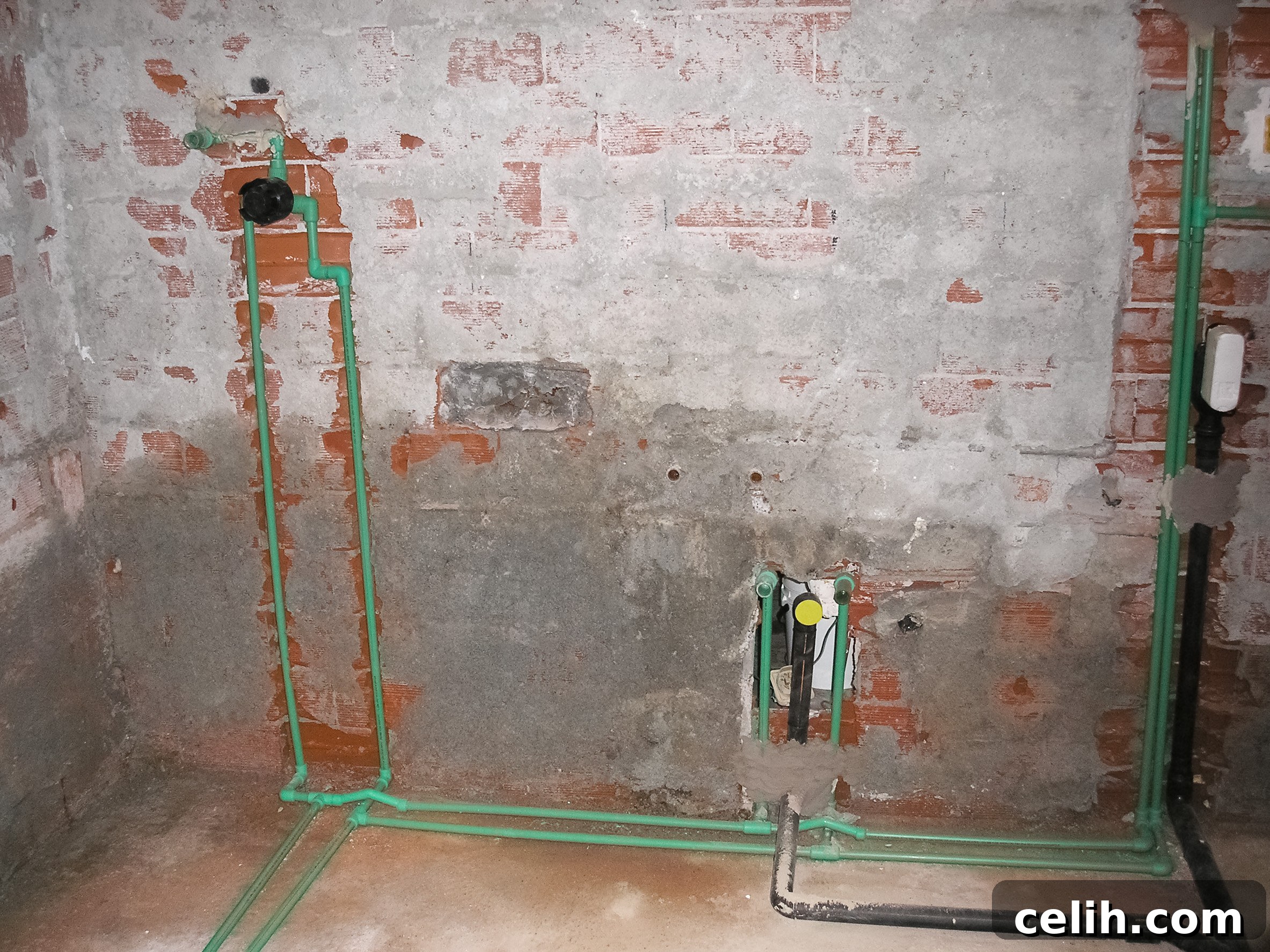
Many homeowners eagerly dive into renovation projects with an immediate focus on aesthetics—the perfect paint color, the latest fixture styles, or elegant finishes. However, they often overlook the intricate and interconnected systems that lie beneath the surface, behind the walls, and beneath the floors. A kitchen renovation, for example, is far more than just cabinets and countertops; it involves careful planning and integration of complex electrical wiring, efficient plumbing systems, and ensuring the integrity of load-bearing structures. Neglecting these foundational elements during the planning phase can lead to a cascade of expensive and dangerous problems, such as overloaded electrical circuits, fire hazards, or extensive water damage from improperly routed or leaking pipes, jeopardizing both your home and its inhabitants.
The challenges intensify significantly in older properties, where the existing infrastructure may not be compatible with modern updates or increased demands. For instance, a homeowner might dream of installing a high-end, professional-grade gas range, only to discover that the home’s existing gas lines are inadequate to support the appliance’s BTU requirements, or the electrical panel lacks the capacity for the additional amperage needed by new, powerful appliances. Older homes also present unique hidden dangers such as lead paint, asbestos in various building materials, outdated knob-and-tube or aluminum wiring, and corroded galvanized plumbing, all of which require specialized and often costly remediation.
Industry experts strongly advocate for a thorough pre-renovation assessment of the home’s condition before any design decisions are finalized. This crucial step involves a comprehensive evaluation of the efficiency and safety of electrical systems, detailed inspections for potential leaks or inefficiencies in the plumbing network, and a meticulous assessment of the structural integrity of the entire property. Engaging specialized professionals, such as structural engineers and master electricians, at this early stage is invaluable. They can identify potential underlying issues, foresee complications, and recommend necessary upgrades or repairs, helping to prevent unforeseen problems that could lead to significant extra costs, unexpected delays, and substantial extensions to the project’s completion timeline. A proactive approach to understanding your home’s infrastructure is key to a problem-free renovation.
The Perils of Compromising on Professional Expertise
In an effort to save money, homeowners sometimes opt for less experienced contractors, rely on unlicensed individuals, or attempt extensive do-it-yourself (DIY) projects beyond their skill level. While this might appear to be a more economical choice initially, it frequently leads to a host of detrimental consequences in the long run. Poor quality workmanship from untrained hands can result in substandard finishes, structural deficiencies, and ultimately, costly repairs or complete redoes down the road. More critically, improper execution can lead to serious safety hazards; faulty wiring by an unlicensed individual, for example, poses a significant risk of electrical fires, while incorrectly installed plumbing can cause severe water damage, destroying floors, cabinetry, and potentially leading to mold growth.
Professional contractors offer much more than just technical expertise; they bring a wealth of practical experience, comprehensive knowledge of local building codes, established relationships with trusted vendors and suppliers, and proven project management skills. A reputable contractor acts as a vital liaison with city inspectors, ensuring that every phase of the project meets regulatory compliance and passes necessary inspections without issues. Furthermore, experienced professionals possess the foresight to anticipate potential problems, such as delays due to material availability, unforeseen site conditions, or inclement weather, and can proactively adjust timetables and strategies accordingly. They carry the necessary licenses, insurance, and bonding, protecting both themselves and the homeowner from liabilities and unforeseen circumstances.
Choosing the right professional involves thorough research, checking references, reviewing portfolios, and ensuring clear, detailed contracts. A skilled general contractor orchestrates all aspects of the project, coordinating specialized trades like electricians, plumbers, HVAC technicians, and carpenters, ensuring seamless integration and high-quality work. Investing in professional expertise is an investment in the quality, safety, longevity, and ultimate success of your renovation. It provides peace of mind, adherence to safety standards, and ensures that your transformed home is not only beautiful but also built to last, meeting all legal and quality benchmarks.
Conclusion: Laying the Foundation for Renovation Success
A truly successful home renovation project is not merely a matter of aesthetic choice; it hinges critically on meticulous planning, unwavering adherence to regulatory requirements, and strategic coordination with experienced, reputable professionals. Whether you are undertaking a minor kitchen facelift or embarking on a comprehensive restoration of a historic property, these core principles remain universally applicable and fundamentally essential. The journey to transform your home can be incredibly fulfilling, but only when approached with diligence and an informed perspective.
By consciously avoiding the common pitfalls discussed—such as overlooking the permit process, underestimating the hidden complexities of your home’s systems, and compromising on the quality of professional expertise—you can significantly mitigate risks and enhance the likelihood of a positive outcome. Embrace the renovation process as an opportunity for thoughtful design and responsible execution. This proactive and informed approach will transform your renovation journey from a potential nightmare into a rewarding and seamless experience, adding substantial value, enhanced functionality, and enduring beauty to your cherished home for years to come.