
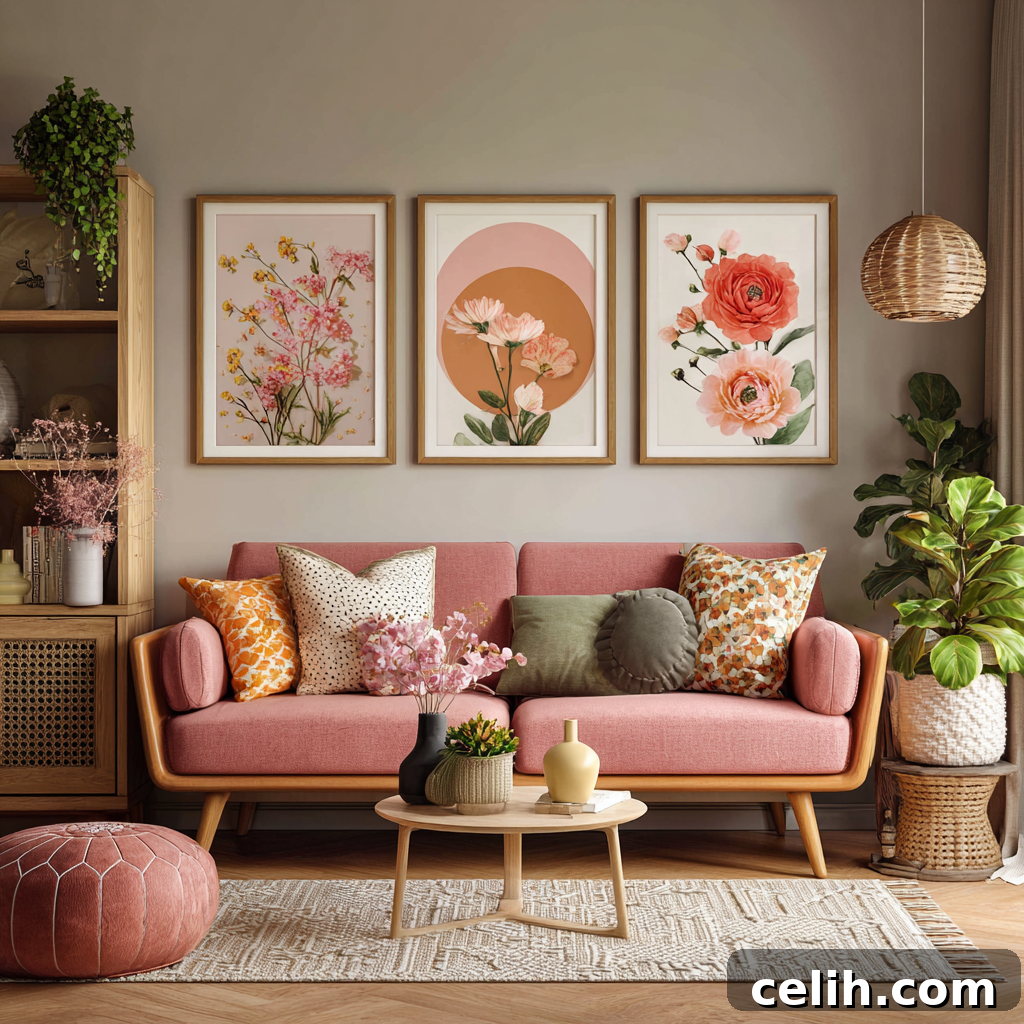
Houseplants have transcended their status as mere decorative items; they have firmly established themselves as an indispensable element of contemporary interior design. From the sleek lines of minimalist apartments to the expansive layouts of open-concept offices, integrating greenery has become a fundamental practice, cherished for both its aesthetic charm and profound wellness benefits. These living accents introduce life, texture, and a sense of calm, transforming ordinary spaces into vibrant sanctuaries.
However, amidst the widespread celebration of indoor plants for their visual appeal and psychological advantages, one critical aspect often receives insufficient attention: consistent and proper maintenance. Neglecting this crucial step can quickly diminish the beauty and purpose of even the most stunning botanical specimen. Without regular trimming and thoughtful care, a magnificent statement plant can swiftly devolve from an elegant focal point into an unruly, distracting presence, undermining the overall design intent of a space.
Plant trimming extends far beyond the simple act of keeping greenery tidy; it is a sophisticated art form that redefines living décor, elevating it into a powerful design element capable of enhancing any environment. Just as a meticulous interior designer carefully selects and arranges furniture, meticulously crafts color palettes, and strategically places accent pieces, skilled plant care professionals precisely shape and maintain greenery to ensure it harmonizes effortlessly with, rather than competes against, the overarching aesthetic and functional goals of a room.
The Undeniable Aesthetic Impact of Overgrown Plants in Interior Design
In the intricate world of interior design, the principle of balance reigns supreme. A carefully chosen and perfectly positioned fiddle-leaf fig, with its bold, sculptural leaves, or a gracefully draping pothos, spilling elegantly from a shelf, can inject profound warmth, visual depth, and rich texture into a room. These plants, when well-maintained, act as natural focal points, grounding the space and connecting it to the natural world.
However, the moment plants begin to outgrow their designated spaces, their inherent beauty quickly diminishes. Unruly, straggly stems that stretch awkwardly, yellowing or dead leaves clinging stubbornly to branches, or a dense, tangled mass of foliage instantly create visual clutter. This disarray disrupts the careful harmony established in a meticulously designed space, drawing the eye away from intentional design features and instead highlighting disorganization. The impact is not merely superficial; overgrown plants can fundamentally alter the perceived quality and comfort of a room.
Furthermore, plants that are allowed to become excessively large often begin to obstruct natural light sources, casting unwanted shadows and making rooms feel darker and smaller. They can physically crowd furniture, making pathways awkward or seating areas less inviting. In smaller rooms, an overgrown plant can quickly overwhelm the space, making it feel cramped and stifling rather than inviting. Instead of subtly enhancing other design elements, untrimmed plants inadvertently pull attention away from them, becoming a dominant, often negative, presence.
This issue is particularly pronounced in minimalist or modern interiors, where clean lines, uncluttered surfaces, and a sense of refined simplicity are paramount. In such environments, untrimmed, unruly plants can feel jarringly out of place, creating a visual discord that directly contradicts the desired aesthetic. The contrast between sleek architecture and chaotic plant growth can be quite stark, highlighting the need for precision and intentionality in plant placement and care.
Plant Trimming: A Sophisticated Interior Design Tool
Far from being a mere chore, plant trimming should be recognized as a sophisticated design technique, integral to achieving a refined and coherent interior aesthetic. Regular and strategic maintenance empowers plants to retain their intended form and size, ensuring they integrate seamlessly into a space’s overarching design scheme. This proactive approach ensures that plants remain an asset, not a liability, to your interior vision. Consider the various ways trimming serves as an artistic intervention:
- Shaping Plants for Sculptural Appeal: Through meticulous trimming, plants can be sculpted into elegant, architectural forms that perfectly complement modern furniture and contemporary décor. This allows for the creation of living sculptures, where the plant’s natural growth pattern is guided to achieve a specific aesthetic effect, adding another layer of artistic expression to the room. For instance, a carefully pruned Monstera can develop a more open, architectural structure, mirroring the clean lines of minimalist furniture.
- Instantly Refreshing Plant Appearance and Ambiance: The removal of dead, yellowing, or damaged leaves instantly revitalizes a plant’s appearance. This simple act makes the entire plant look healthier and more vibrant, which in turn imbues the room with a sense of cleanliness, polish, and freshness. A plant free from decay signals vitality, contributing to a more positive and well-maintained atmosphere. It prevents the visual fatigue that comes from seeing struggling or unhealthy foliage.
- Encouraging Robust and Vibrant Growth: Strategic pruning is not just about removal; it’s about promotion. By cutting back certain parts, you encourage the plant to direct its energy towards new, healthier growth, resulting in a fuller, bushier, and more vibrant specimen. This helps greenery look lush and abundant without becoming sprawling or unruly, maintaining its decorative value and ensuring its longevity. This encourages the plant to fill out, creating a denser, more attractive form.
In this context, plant trimming transcends routine horticulture; it transforms into an act of deliberate styling. It’s a method of treating plants as dynamic, living art pieces that possess the remarkable ability to adapt and evolve with the changing design sensibilities of a space. This ongoing interaction between human intent and natural growth allows for a living environment that is continuously curated and aesthetically pleasing.
Enhancing Biophilic Design Principles Through Diligent Plant Care
Modern interiors increasingly embrace biophilic design, a profound philosophy dedicated to integrating elements of nature into built environments with the specific aim of promoting human well-being. However, truly effective biophilic design is not achieved merely by scattering plants throughout a room. It demands a more thoughtful and deliberate integration, where every piece of greenery feels intentional, harmoniously placed, and impeccably maintained. The essence of biophilia lies in creating a connection, not just a presence.
Trimming is paramount in ensuring that plants remain robustly healthy and vibrantly alive, preventing them from ever detracting from the calming, restorative, and uplifting qualities they are intrinsically meant to impart. A plant that is thriving and beautifully shaped significantly enhances a biophilic space by instilling a palpable sense of vitality, natural order, and respectful coexistence. These specific qualities are directly linked to tangible improvements in mood, heightened productivity, reduced stress levels, and an overall enhanced sense of comfort and belonging within the environment.
When plants are allowed to become sickly or overgrown, they can ironically create a sense of anxiety or neglect, counteracting the very benefits biophilic design aims to achieve. Well-maintained plants, conversely, serve as constant reminders of nature’s perfection and order, fostering a deeper connection and reinforcing the design’s core purpose. This meticulous care reinforces the inherent beauty and therapeutic power of the natural world, actively contributing to the psychological and physiological benefits that define biophilic spaces.
Holistic Health Advantages Beyond Visual Appeal
Beyond their profound aesthetic contributions, proper and consistent trimming also significantly benefits the overall health of the plant itself, which in turn positively impacts the indoor environment and its occupants. Plants that are overgrown or neglected become far more susceptible to a host of issues, including infestations of common houseplant pests, the spread of various plant diseases, and impaired air circulation both within their own foliage and around the plant. These problems can rapidly compromise not only the plant’s visual beauty but also the quality of the room’s ambient air quality, potentially affecting human health.
By engaging in regular trimming, you are not only extending the lifespan and vitality of your cherished plants but also actively preserving and enhancing the myriad wellness benefits that healthy greenery brings indoors. These benefits are well-documented and include improved air purification through the absorption of toxins, a reduction in airborne allergens, and a significant contribution to stress reduction and overall mental well-being. A healthy plant efficiently converts carbon dioxide into oxygen and filters volatile organic compounds (VOCs) from the air, creating a fresher, cleaner breathing environment. Moreover, the very act of tending to plants can be a meditative and stress-relieving activity, further cementing their role as wellness enhancers.
Plant Care and Interior Design: A Perfect Collaboration for Enduring Beauty
The ultimate goal of interior designers is to curate spaces that not only look visually appealing but also actively inspire and uplift the human spirit. Complementing this vision, dedicated plant care professionals specialize in ensuring that the living elements within these carefully designed spaces continue to thrive, maintaining their initial splendor and contributing positively to the environment over time. This synergy forms the foundation of truly exceptional interior design.
Collaborating with a professional plant trimming and care service offers invaluable advantages, guaranteeing that the plants meticulously selected for a space retain their intended elegance, form, and health for years to come. This partnership creates a seamless integration of living elements into the built environment:
- Designers Define the Aesthetic Vision: Interior designers expertly choose plants that perfectly align with the specific aesthetic, functional requirements, and overall mood they aim to create within a space, considering everything from leaf shape to growth habit.
- Plant Trimming Services Maintain Perfection: Professional plant care ensures these living elements are consistently shaped, kept in peak health, and remain visually appealing, preventing any decline that could detract from the design. They understand the specific needs of various plant species and apply appropriate horticultural techniques.
- Together, They Craft Stylish and Alive Interiors: The combined expertise creates interiors that are not only impeccably stylish and sophisticated but also vibrant, dynamic, and genuinely alive, fostering a continuous connection to nature.
This powerful collaboration elevates plants beyond mere static accessories, transforming them into dynamic, evolving design features that grow and adapt gracefully with the space. It ensures that the initial design investment in greenery yields lasting beauty, contributing to an environment that is both visually stunning and biologically enriching, reinforcing the long-term value of integrating nature thoughtfully into our daily lives.
Conclusion: Elevating Spaces with Mindful Plant Maintenance
The remarkable transformation of indoor plants, from potentially overgrown and unruly specimens to elegant, integrated design features, fundamentally hinges on consistent and thoughtful trimming and care. Healthy, meticulously shaped greenery unequivocally elevates interiors, powerfully reinforcing core design principles such as balance, harmony, and inherent beauty. In the realm of modern spaces, where a sense of simplicity, intentionality, and refined aesthetics define the prevailing style, plant trimming is far more than a routine maintenance task; it emerges as an indispensable and integral element of the design process itself.
For discerning homeowners, ambitious business owners, and visionary designers alike, making a dedicated investment in professional plant care ensures that greenery remains a perpetual source of elegance, profound wellness benefits, and ongoing inspiration. This commitment secures the long-term viability and aesthetic contribution of living elements within any indoor environment. Ultimately, in the sophisticated language of modern interiors, plants are not merely decorative embellishments. They are vibrant, living design statements – dynamic entities that warrant and deserve the same meticulous attention, thoughtful consideration, and expert care as every other carefully chosen and placed element within a well-designed space. Their health and appearance directly reflect the attention to detail and commitment to quality inherent in the overall design, making proper plant care an essential component of a truly refined interior.