
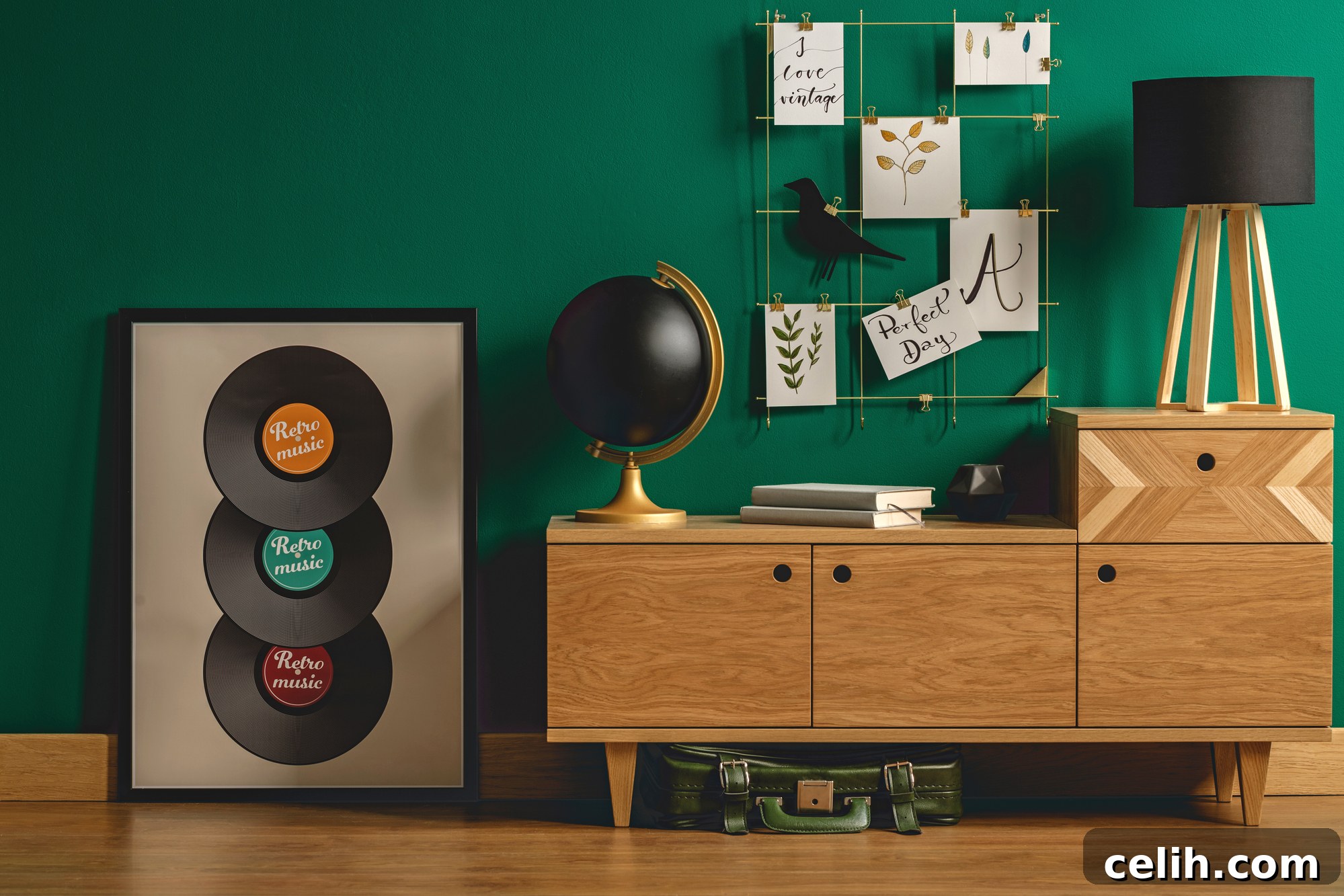
In a world constantly looking forward, there’s an undeniable charm in taking a delightful step back in time. The allure of vintage, retro, and nostalgic styles has permeated fashion, art, and now, more than ever, our living spaces. Embracing a retro aesthetic in your home isn’t just about following a trend; it’s about crafting an environment that feels dynamic, uniquely yours, and infused with a comforting warmth that invites reflection and storytelling. Imagine stepping into a room that immediately transports you to a cherished era, evoking a sense of nostalgia that is both personal and universally appealing. This journey back in time, through thoughtfully curated interiors, allows you to create a sanctuary that celebrates history, personality, and timeless design.
Crafting this distinctive retro feel involves a holistic approach, touching upon various elements that contribute to the overall ambiance. It primarily revolves around the intentional design choices, the decorative accents you select, and the sensory experiences you cultivate within your space. From the visual appeal to the tactile sensations and even the sounds that fill your rooms, every detail plays a crucial role in bringing your vintage vision to life. Here, we explore our favorite and most effective strategies for infusing your home with the perfect vintage vibe, ensuring every corner tells a story from a bygone era.
The Sonic Soul of Retro: Music and Audio
While often overlooked in visual design discussions, the power of sound is paramount in establishing any specific ambiance, and it is especially potent when aiming for a retro aesthetic. Playing nostalgic tunes is arguably the most direct and potent method to instantly evoke memories and reminisce about the good old days. Music has an unparalleled ability to stimulate memories and emotions, making it a cornerstone of a truly immersive vintage experience. Prioritizing our sensory experience within a space, particularly auditory, is the perfect way to truly connect with the past.
To truly enhance this sentimental atmosphere, consider elevating your listening experience by switching from digital streaming to physical formats. The tactile ritual of selecting a record, placing it on a turntable, and gently lowering the needle is an experience in itself – a deliberate act that grounds you in the moment. There are many advantages of using turntables and record players instead of modern speakers, particularly when seeking to lean into a more authentic, hands-on lifestyle. Beyond the sound quality, which many audiophiles argue is superior, the visual presence of a record player and a collection of vinyl records acts as a powerful decorative element. Display your album covers as art, turning your music collection into a curated gallery that speaks volumes about your taste and the eras you cherish. Complement your turntable with vintage-inspired radios, boomboxes, or even a classic jukebox if space allows, further solidifying the auditory journey back in time.
Embrace Bold Patterns and Playful Prints
One of the most defining characteristics of retro interior design is the confident and often audacious use of patterns and prints. To truly capture a daringly retro style, be bold and expressive with your fabric and wallpaper choices. You can create a captivating environment by using a combination of eye-catching designs and vibrant colors to infuse your home with energy and life. Think geometric shapes from the 1960s, psychedelic swirls from the 1970s, bold primary colors reminiscent of the Memphis Group in the 1980s, or the carefree animal prints popular in the 1990s.
The key is to incorporate patterns that truly resonate with you, and never shy away from being playful with your selections. This could manifest as a striking geometric wallpaper on an accent wall, a collection of throws and cushions adorned with abstract designs, or a vintage-inspired rug with an intricate floral motif. Animal prints, such as cheetah, zebra, or leopard, are particularly effective in soft furnishings like cushions, blankets, or even an upholstered armchair, as they effortlessly emit the wild and carefree essence of the 90s, bringing a touch of eclectic chic to your space. Don’t be afraid to mix and match; a carefully curated clash of patterns can add depth and personality, making your home feel truly unique and authentically retro without being overwhelming.
Timeless Functionality: Retro Appliances
It’s a simple truth that the aesthetic of our everyday appliances speaks volumes about a particular era. Machinery and technological design are in constant evolution, meaning that an appliance from today looks starkly different from its counterpart just a few decades ago. For instance, a contemporary toaster, with its minimalist lines and digital interface, contrasts sharply with the rounded, chrome-laden designs popular in the 1950s or the avocado-green models of the 1970s. Modern domestic devices typically prioritize sleek exteriors and seamless integration, which, while practical, can sometimes feel devoid of character or originality.
To truly inject personality and a specific memory into your home, opt for vintage-looking appliances. Many brands today offer newly manufactured appliances with retro aesthetics – think pastel refrigerators, brightly colored stand mixers, or classic dial-operated microwaves. These items seamlessly blend modern functionality with nostalgic design, allowing you to enjoy the best of both worlds. Beyond the kitchen, consider swapping even practical items such as your house telephone for something with more character, like a rotary dial phone. Even smaller elements like an old-fashioned clock radio, a vintage-style kettle, or a brightly colored fan can make a significant impact, turning mundane necessities into charming focal points that evoke a sense of warmth and history.
Curated Comfort: Vintage Furniture Pieces
Furniture forms the backbone of any interior design, and its choice is crucial for establishing a retro vibe. You might have a specific time period in mind, such as emulating the elegant sophistication of the 1940s, the vibrant mid-century modern aesthetic of the 1950s and 60s, or the more eclectic and bohemian styles of the 1970s. Alternatively, you might simply wish to focus on the general aura that your interior design emits, a blend of various vintage influences. Either way, to achieve the full effect of a truly nostalgic space, you will need to incorporate specific period furniture pieces that reflect your chosen era or overall vintage vision.
The most authentic and rewarding way to acquire these special items is by buying your furniture second-hand. Exploring flea markets, antique shops, estate sales, and online marketplaces dedicated to vintage finds allows you to discover unique treasures that no one else will have in their home. Look for iconic silhouettes – a sleek Danish teak credenza, a plush velvet armchair, a classic Eames-inspired lounge chair, or a retro-futuristic lamp. The beauty of second-hand furniture lies not just in its distinctive appearance but also in its history and stories. Prioritize items that genuinely speak to you, pieces that evoke a personal connection or a sense of delight. This meaningfulness will not only bring a unique sense of intrigue and character into your space but will also ensure your home feels genuinely curated and deeply personal, rather than simply decorated.
Illuminate the Past: Retro Lighting
Lighting is an often-underestimated element in interior design, yet it holds immense power to define an atmosphere. For a retro home, choosing the right lighting fixtures is paramount. Think beyond mere functionality and consider the sculptural qualities and specific designs that characterized different eras. Mid-century modern homes were often adorned with Sputnik chandeliers, globe pendant lights, or arc floor lamps that made a bold statement. The 70s brought about lava lamps, Tiffany-style glass lamps, and bohemian macramé shades, creating warm, diffused lighting. Even desk lamps with their distinctive metal forms or bankers’ lamps can add an immediate vintage touch to a home office or reading nook.
Beyond traditional fixtures, explore accent lighting options like neon signs displaying a classic diner phrase or a retro brand logo. These not only provide a distinctive glow but also serve as captivating pieces of wall art. The quality and color of light also play a role; warm-toned bulbs can enhance the nostalgic feel, creating a cozy and inviting ambiance that digital, cool-toned lighting often lacks. Incorporating a mix of overhead, task, and accent lighting, all with a vintage flair, will ensure your retro theme extends into every illuminated corner of your home, truly bringing the past to light.
The Palette of Yesteryear: Color Schemes
Colors are fundamental to setting the mood and defining the era you wish to evoke. Each decade had its signature palette, and understanding these can guide your choices for walls, upholstery, and accessories. The 1950s often featured optimistic pastels like mint green, baby blue, and soft pink, paired with atomic age graphics. The 1960s embraced bolder, psychedelic hues such as tangerine orange, avocado green, mustard yellow, and deep teal, often used in contrasting combinations. The 1970s continued with earthy tones – rust, olive green, burnt orange, and brown – reflecting a connection to nature and a relaxed, bohemian spirit.
Moving into the 1980s, the color scheme shifted dramatically to vibrant, often neon, colors like fuchsia, electric blue, and lime green, frequently combined with stark black and white, indicative of the era’s pop art and new wave influences. The 1990s saw a return to slightly more muted but still distinctive tones, incorporating deep jewel tones, grunge-inspired blacks and greys, and softer pastels. Choosing one of these dominant color schemes for your walls or primary furniture pieces will instantly anchor your retro design. Don’t be afraid to experiment with accent colors from other complementary palettes to create depth and visual interest, making your space feel layered and authentically vintage.
Wall Art and Decor: Galleries of Time
The art and decor you choose for your walls can act as windows into the past, telling stories and establishing specific era references. Instead of generic modern prints, opt for pieces that truly reflect a vintage sensibility. Think about classic movie posters from Hollywood’s golden age, iconic advertising campaigns from the mid-century, or album covers of your favorite retro bands framed as artistic statements. Pop art prints, particularly those inspired by Andy Warhol or Roy Lichtenstein, instantly evoke the 1960s and 70s vibrant art scene.
Beyond framed art, consider incorporating other forms of wall decor. Vintage mirrors with ornate or geometric frames can add elegance and expand your space. Macramé wall hangings or woven tapestries are perfect for a 70s bohemian vibe. Collecting old license plates, vintage signs (think diner or gas station signs), or even old maps can add a quirky, travel-inspired retro touch. The goal is to create a visual narrative on your walls that complements your furniture and color scheme, making every glance a trip down memory lane. Curate your wall decor as if you’ve collected it over decades, reflecting various interests and journeys through time.
Tactile Touches: Textiles and Accessories
The texture and fabric choices in your home can significantly contribute to the retro feel. Certain materials inherently carry a vintage charm. Consider incorporating plush velvet in deep jewel tones for sofas or accent chairs, evoking the luxuriousness of the 1950s and 60s. Corduroy, chenille, or shag rugs are perfect for a cozy 70s atmosphere, adding both visual warmth and tactile comfort. For a bohemian twist, macramé plant hangers, fringed throws, and patterned cushions with embroidered details are ideal. Leather, especially aged or distressed, also has a timeless, classic appeal that can fit various retro aesthetics.
Accessories are the finishing touches that bring a vintage interior to life. Seek out unique trinkets and collectibles: a collection of vintage cameras, a rotary telephone (even if just for display), old board games artfully stacked, colorful glass bottles, or ceramic figurines. Record collections, prominently displayed, double as both decor and a source of entertainment. Pay attention to details like ashtrays (even if you don’t smoke, they make great catch-alls), quirky lamps, and retro clocks. These smaller items, carefully chosen and strategically placed, add layers of personality and authenticity, making your home truly feel like a curated journey through time. Remember, the essence of retro is about creating a space that feels lived-in, loved, and full of character – a place where every item tells a story.
Creating a retro-inspired home is a delightful journey of discovery, blending the charm of the past with the comforts of the present. By thoughtfully integrating vintage elements across music, patterns, appliances, furniture, lighting, colors, wall art, and textiles, you can transform your living space into a unique sanctuary that not only looks good but also evokes a powerful sense of nostalgia and personal connection. So, how will you embark on this exciting adventure to create a sense of nostalgia in your home? Let your imagination travel back in time and craft a space that truly reflects your love for all things vintage.