
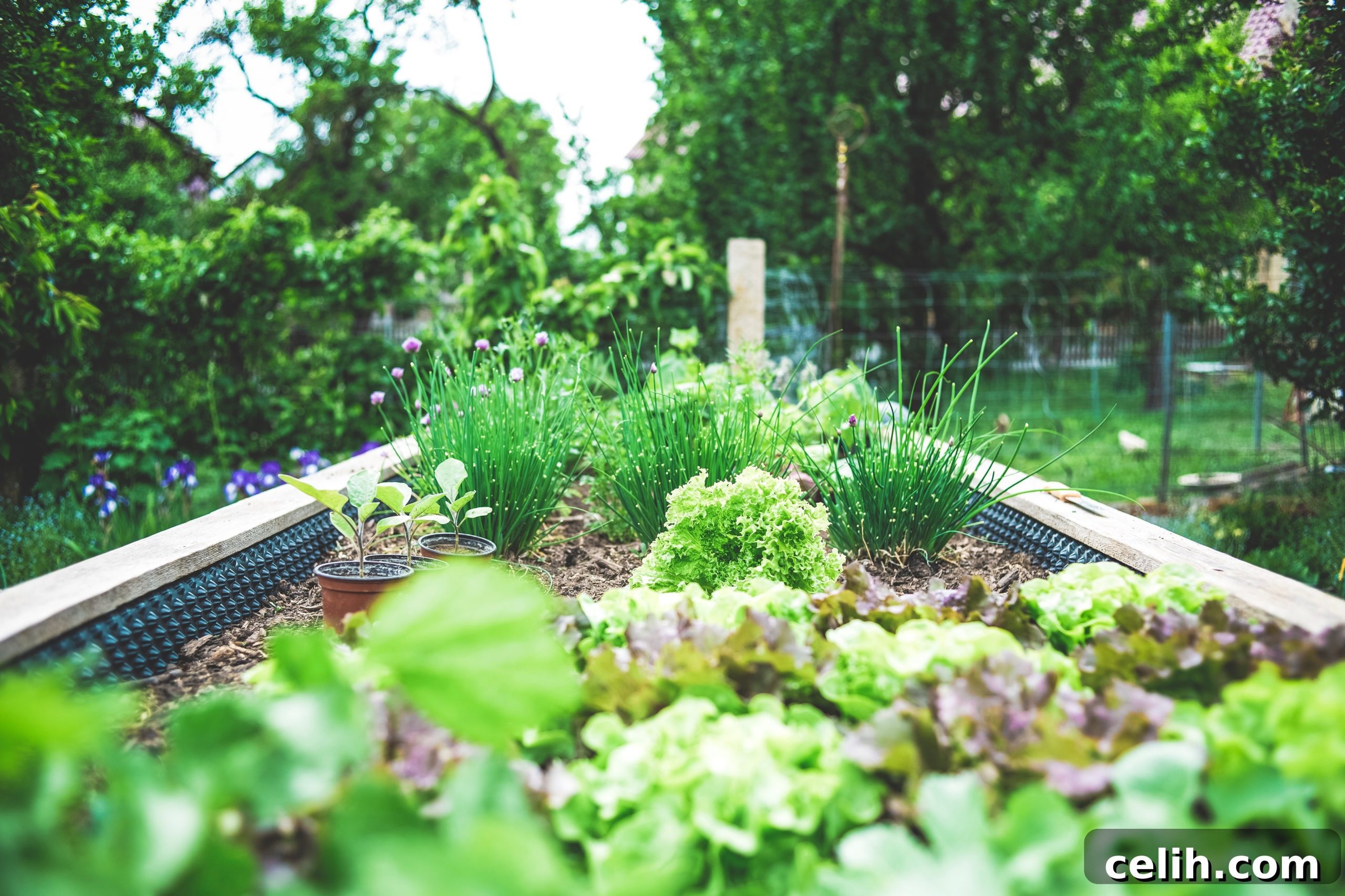
In an era where environmental consciousness is no longer an option but a necessity, many individuals are turning their attention to their own backyards. Transforming your garden or outdoor space into an eco-friendly sanctuary is a powerful step towards sustainable living. As we collectively recognize the profound impact our actions have on the planet, making mindful changes in how we manage our outdoor environments can significantly reduce our carbon footprint, conserve resources, and cultivate a thriving ecosystem. This commitment helps us pave the way for a healthier world for generations to come, starting right at our doorstep. Creating a green garden isn’t just about aesthetics; it’s about fostering biodiversity, promoting natural cycles, and contributing to a more sustainable future.
What is Your Carbon Footprint?
Your carbon footprint represents the total amount of greenhouse gases, primarily carbon dioxide, that are emitted into the atmosphere due to your daily activities. This includes everything from the manufacturing and transportation of the products you purchase, your chosen modes of travel, the food you consume, to the waste you produce. These emissions contribute to climate change and global warming, making it crucial for individuals to understand and actively work towards minimizing their impact.
For instance, in the United States, the approximate carbon footprint of each person is around 16 tonnes, making it one of the highest in the world. This stark figure highlights the urgency for sustainable practices at every level. While the numbers can seem daunting, every small change you make, particularly in your home and garden, contributes to a larger collective effort. By consciously altering your daily habits and choices, you can significantly reduce this number, becoming more environmentally aware and contributing to a healthier planet. Implementing eco-friendly practices in your garden is one such impactful way, creating a more sustainable environment for local wildlife and fostering new, green habits within yourself.
Recycle and Reuse for a Sustainable Garden
One of the most effective ways to lower the environmental impact of renovating or maintaining your garden space is to embrace the principles of recycling and reusing. Instead of buying new, consider sourcing as many pre-loved and recycled products as possible. This approach not only conserves natural resources and reduces landfill waste but also often saves you money. For example, opting for recycled plastic garden furniture diverts plastic from waste streams and offers durable, low-maintenance options.
Explore thrift stores, flea markets, online marketplaces, and community groups for second-hand pots, gardening tools, and decorative accessories. You might be surprised at the unique and charming items you can discover. Beyond ready-made items, consider the art of upcycling. Look online for upcycling tutorials to transform old household items you no longer need into functional and attractive garden features. For instance, old tires can become vibrant planters, broken ceramics can be repurposed into mosaic stepping stones, and wooden pallets can be ingeniously crafted into raised garden beds, compost bins, or even vertical planters. This creative process is not only kind to the environment but also provides a unique, personalized touch to your outdoor sanctuary, fostering a truly sustainable garden.
The Green Power of Trees
While not every garden has ample space, the benefits of adding trees to your garden are immense and far-reaching, making them a cornerstone of any eco-friendly outdoor space. Trees are natural carbon sinks, meaning they absorb carbon dioxide from the atmosphere and release oxygen during photosynthesis, actively combating climate change. Beyond this crucial role, trees contribute significantly to local ecosystems.
Planting native tree species can dramatically enhance local biodiversity by providing essential food and shelter for birds, insects, and other wildlife. They also offer natural shade, cooling your home and garden during hot summer months, which can reduce your energy consumption. Strategically placed trees can also increase privacy from neighbors and act as natural windbreaks, protecting your plants and outdoor living areas. Furthermore, trees help prevent soil erosion, improve air quality by filtering pollutants, and even increase property value. For smaller gardens, consider columnar or dwarf varieties that offer similar benefits without requiring extensive space. A well-placed tree also provides a serene spot for contemplation, reading, or simply enjoying the tranquility of nature. What more could you ask for in your sustainable garden?
Nurturing Wildlife with Animal Shelters
Encouraging local wildlife to thrive in your garden is a hallmark of an eco-friendly outdoor space. Creating little homes or shelters using reclaimed wood, recycled materials, or even natural elements provides crucial refuge and nesting sites for a variety of creatures. This is a fantastic activity for children, offering a wonderful opportunity to learn about local ecosystems and the importance of biodiversity. Birdhouses and bird tables, placed higher up on trees or posts, are excellent options for attracting feathered friends, offering them a safe place to rest and feed.
For ground-dwelling visitors, a hedgehog house made from recycled timber needs to be low to the ground and easily accessible, providing a safe haven for these prickly garden helpers. Don’t forget the insects! An insect hotel, constructed from bamboo canes, hollow stems, and logs, will attract beneficial insects like solitary bees, ladybugs, and lacewings, which are vital for pollination and natural pest control. A bright butterfly tower amidst your brightly colored, nectar-rich plants will be an instant hit with winged visitors, adding beauty and life to your garden. Remember to also provide a clean water source, like a shallow bird bath, for all your wild guests to drink and bathe in. A wildlife-friendly garden is a vibrant, healthy garden.
Mastering Water Conservation
Water is a precious resource, and every drop you can save makes a significant impact on the environment and your utility bills. Implementing water conservation strategies in your garden is a fundamental aspect of creating an eco-friendly space. One of the simplest and most effective methods is installing water butts on your downpipes. These collect rainwater, which is ideal for watering plants as it’s free of the chemicals often found in tap water. If you have more space, consider a larger rain tank to capture and store even more water for drier periods.
Beyond rainwater harvesting, explore gray water systems. Water from washing dishes (without harsh chemicals), laundry, or even bathing can be safely diverted and reused for flushing toilets or watering non-edible plants in the garden. Always be mindful of the soaps and detergents used if you plan to reuse this water on plants. Furthermore, adopt smart watering techniques: water your plants in the early morning or late evening to minimize evaporation, use drip irrigation systems for efficient delivery, and apply a thick layer of mulch around plants to retain soil moisture, reducing the need for frequent watering. Choosing drought-tolerant plants native to your region can also drastically cut down on your garden’s water requirements, ensuring your garden thrives with minimal environmental impact.
Cultivating Your Own Vegetable Patch
Few practices embody self-sufficiency and eco-friendliness quite like growing your own food. Establishing a vegetable patch in your garden not only provides you with fresh, organic produce but also significantly reduces your carbon footprint by cutting down on food miles and packaging. Start by identifying a small, sunny spot with suitable soil composition. You can always amend your soil with compost to improve its fertility and drainage, creating the perfect environment for growth.
Begin your gardening journey with easy-to-grow options that are forgiving for beginners, such as tomatoes, carrots, lettuce, radishes, and beans. These hardier vegetables offer quick rewards and build confidence. As your “green thumb” develops, you can expand to a wider variety of vegetables, fruits, and even perennial herbs. Herbs, in particular, are incredibly versatile; many can be grown all year round in small pots on a sunny window ledge or balcony, providing a constant supply for your culinary needs. Ensure they receive adequate sunlight and consistent hydration. Growing your own food is a deeply rewarding experience, connecting you directly to nature’s cycles and fostering a truly sustainable lifestyle. It also ensures you know exactly what goes into your food, free from unwanted chemicals.
Embracing a Chemical-Free Garden
Perhaps one of the most critical transformations you can make for an eco-friendly garden is to eliminate the use of synthetic chemicals. While often marketed as quick fixes for pests and weeds, these pesticides, herbicides, and artificial fertilizers can cause significant long-term damage to the environment. They can leach into the soil, contaminating groundwater, harming beneficial insects (like essential pollinators such as bees and butterflies), impacting local wildlife, and even posing risks to human health.
Fortunately, there are numerous effective and natural alternatives to manage pests and enhance plant health. For instance, a simple jet wash or high-powered water sprayer can effectively dislodge unwanted insects like aphids from plants. Manual removal of larger pests, such as caterpillars or slugs, is another direct and chemical-free solution; simply pick them off and relocate them to a less sensitive area. Introducing beneficial insects, like ladybugs, can naturally control aphid populations. Companion planting, where certain plants deter pests or attract beneficial ones, is an ancient and effective method. For example, marigolds are known to repel nematodes and other harmful insects. Maintaining healthy soil with organic compost and practicing proper plant care will also make your plants more resilient to pests and diseases naturally. Opting for organic fertilizers like compost, manure, or worm castings enriches your soil without introducing harmful substances. By choosing these natural methods, you create a healthier, safer environment for yourself, your family, your pets, your garden’s ecosystem, and the wider world.
Go Natural: Cultivating Biodiversity
A truly profound way to enhance the eco-friendliness of your garden is to embrace its natural tendencies and encourage native flora and fauna. Allowing certain areas to grow more naturally, mimicking local landscapes, creates vital habitats for local insects and wildlife. Focus on filling your garden with native wildflowers or plants indigenous to your local area. These plants are perfectly adapted to your climate and soil conditions, meaning they require significantly less water, fewer fertilizers, and little to no chemical intervention to thrive.
Native plants also play a critical role in supporting the local food web, providing essential nectar, pollen, and seeds for pollinators and other creatures that have evolved alongside them. By choosing native species, you reduce the environmental impact associated with transporting plants from distant nurseries and support the ecological balance of your region. Consider creating a dedicated wildflower meadow area or simply letting a section of your lawn grow wild. This low-maintenance approach not only saves you time and resources but also transforms your garden into a dynamic, living ecosystem that hums with natural life. Embracing the wild beauty of nature in your own garden is a powerful statement of sustainability and a gift to local biodiversity.
Making eco-friendly changes to your garden doesn’t have to be an overwhelming overhaul. You can start small, perhaps by introducing a single water butt or planting a patch of wildflowers, and gradually build upon these efforts over time. Many of the resources and materials you need can be sourced affordably, often for lower costs than buying brand new items, or even obtained for free through community donations and upcycling projects. The journey towards a greener garden is continuous and rewarding.
As you cultivate your plants and attract beneficial wildlife to your garden, always ensure you are using appropriate, non-toxic measures to keep unwanted pests at bay. The long-term benefits of an eco-friendly garden extend far beyond its visual appeal; it contributes to a healthier planet, supports local ecosystems, and provides a peaceful, vibrant sanctuary for you and your family. Start your sustainable gardening journey today and witness the transformation of your outdoor space into a thriving haven for nature.