
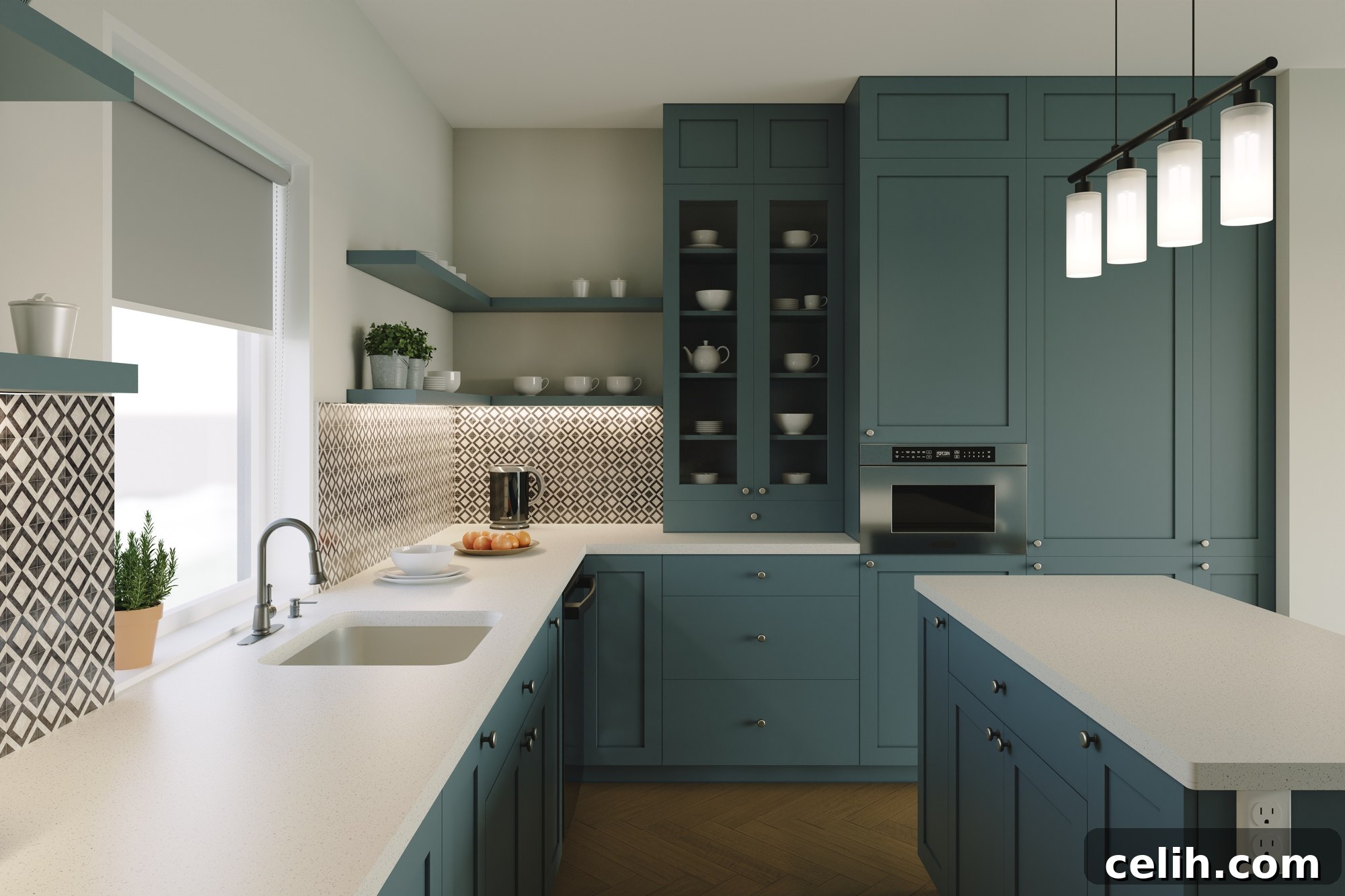
Is your kitchen starting to feel a little tired and outdated? While the idea of a complete kitchen overhaul, involving demolition and a brand-new installation, might seem appealing, it often comes with a hefty price tag, a lengthy timeline, and significant disruption to your daily life. The good news is that achieving a stunning kitchen transformation doesn’t always require starting from scratch. Many impactful changes can be made swiftly and affordably, breathing new life into your culinary space without the need for a full replacement.
In this comprehensive guide, we’ll explore five transformative kitchen upgrade ideas that promise to revitalise your space efficiently and economically. From fundamental surface changes to clever design additions, these strategies will help you create a kitchen that feels fresh, functional, and perfectly tailored to your style, all while avoiding the complexities and costs of a full-scale renovation.
1. Elevate Your Kitchen with Upgraded Sinks and Worktops
Among the myriad kitchen ideas available, upgrading your sinks and worktops stands out as a high-impact modification. These elements are not only central to your kitchen’s functionality but also heavily influence its overall aesthetic. If your current worktops are showing signs of wear and tear, or if your sink feels dated, a simple replacement can dramatically refresh the entire room.
Choosing the Perfect Worktops: Blending Style and Durability
Worktops are often the first thing people notice in a kitchen, acting as a crucial design statement. When considering an upgrade, think about both durability and design:
- Stainless Steel Worktops: Renowned for their exceptional durability, hygiene, and modern, industrial aesthetic. They are highly resistant to heat and stains, making them a practical choice for busy kitchens, though they can show fingerprints and scratches over time.
- Composite Worktops: Offer superb versatility in design and color, providing a seamless look when integrated with a composite sink. They are non-porous, making them highly resistant to stains and bacteria, and are generally durable, though less heat-resistant than granite.
- Granite Worktops: A timeless choice, granite brings natural beauty and luxury to any kitchen. Each slab is unique, offering distinct patterns and colors. Granite is incredibly durable, heat-resistant, and can last a lifetime with proper sealing and care.
- Laminate Worktops: An excellent budget-friendly option, laminate worktops come in an astonishing array of patterns, mimicking natural stone, wood, and abstract designs. They are easy to clean and install, providing significant aesthetic value for their cost, though they are less resistant to heat and deep scratches than other materials.
- Quartz Worktops: An engineered stone alternative to granite, quartz offers superior non-porosity, making it highly stain-resistant and easy to maintain without sealing. It provides a consistent appearance and comes in various colors and patterns, blending durability with modern elegance.
- Solid Wood Worktops: Impart warmth and a classic, natural charm to the kitchen. They are beautiful and durable but require regular oiling and maintenance to protect against water damage and stains.
Selecting Your Sink and Taps: Functional Elegance
The sink is a focal point of kitchen activity. Pairing it correctly with your worktop and taps is key:
- Stainless Steel Sinks: The most popular choice due to their durability, affordability, and ease of cleaning. They complement various kitchen styles and are highly resistant to heat and corrosion.
- Composite Sinks: Often made from granite or quartz particles mixed with resin, these sinks are incredibly durable, heat-resistant, and available in a wide spectrum of colors to match or contrast with your worktops.
- Ceramic Sinks: Offer a classic, often farmhouse-style aesthetic. They are robust and resistant to high temperatures, though they can be prone to chipping if heavy objects are dropped into them.
- Taps: Don’t underestimate the power of a new tap. Options range from sleek stainless steel and polished chrome to modern matte black and antique brass finishes. Consider features like pull-out nozzles, sensor activation, or integrated filtered water systems for added convenience and a touch of luxury.
Whatever combinations you choose, ensure your new installations work harmoniously from both a practical and aesthetic standpoint. Always consider your budget, lifestyle, and the overall design scheme of your kitchen when making these significant upgrade decisions. Consulting with a professional can help you navigate the myriad options and ensure a flawless installation.
2. Transform Your Kitchen with a Fresh Coat of Paint
Few upgrades offer such a dramatic transformation for a relatively low cost and minimal time investment as a fresh coat of paint. In most cases, painting a kitchen can be completed within 1 to 3 days, making it one of the quickest and most cost-efficient ways to drastically alter the space’s ambiance and appearance.
The Power of Color: Influencing Mood and Perception
The average cost for professional kitchen painting typically ranges between £200 and £800 in the UK, though this can vary based on factors like kitchen size, paint quality, regional labor rates, and the complexity of the job. Choosing the right color is paramount, as it can significantly impact the mood, perceived size, and overall style of your kitchen.
Some of the most popular and effective paint colors for kitchens include:
- White: Creates a sense of cleanliness, spaciousness, and timeless elegance. It brightens the room and provides a versatile backdrop for any decor.
- Cream: Offers a warmer, softer alternative to pure white, adding a cozy and inviting feel. It’s a classic choice that pairs well with natural wood tones.
- Greys: From light dove grey to deep charcoal, greys are incredibly versatile, lending a sophisticated, modern, or even industrial look. They can serve as a neutral base or a bold statement.
- Sage Green: Evokes a sense of nature and tranquility, bringing a calming and refreshing vibe to the kitchen. It pairs beautifully with natural materials and light wood.
- Dark Blues: Offer a touch of drama and elegance. Navy or deep sapphire can create a luxurious and grounded feel, especially when balanced with lighter elements.
While these are popular choices, personal preference plays a huge role. Warmer colors such as sunny yellow, vibrant red, or energetic orange can infuse a kitchen with personality and a lively atmosphere, making the space feel more inviting and stimulating. However, careful consideration is needed to ensure these bolder tones don’t overwhelm the space or clash with existing elements.
Key Considerations for Kitchen Painting
Beyond personal taste, it’s crucial to assess how a chosen paint color will interact with other elements in your kitchen, such as cabinetry, countertops, flooring, and natural light. A color that looks great in a swatch might appear different under your kitchen’s lighting or alongside existing finishes. For instance, a cool grey might clash with warm-toned wooden cabinets, or a dark blue might make a small kitchen feel even smaller if not balanced with ample light and reflective surfaces.
Before committing, test paint samples on your walls. Observe them at different times of day to see how natural and artificial light changes their appearance. If you’re uncertain, consulting with an interior designer or a professional painter can provide invaluable guidance, helping you select a color scheme that enhances your kitchen’s unique characteristics and aligns with your vision.
3. Opt For New Flooring: Grounding Your Kitchen’s New Look
While potentially more disruptive than painting or upgrading surfaces, installing new flooring can provide a profound transformation, breathing a new lease of life into an old, worn-down kitchen. The floor is the foundation of your kitchen’s design, impacting its feel, durability, and even safety. Swapping out tired flooring for a fresh, new material can redefine the space entirely.
Exploring Ideal Flooring Types for Kitchens
When selecting kitchen flooring, durability, water resistance, ease of cleaning, and aesthetic appeal are paramount. Here are some of the best-suited flooring types for a kitchen:
- Vinyl Floors (Luxury Vinyl Tile/Plank): Highly versatile and incredibly popular, modern vinyl flooring (LVT/LVP) is waterproof, durable, and comes in an astonishing array of designs that convincingly mimic real wood and stone. It’s comfortable underfoot, easy to clean, and relatively simple to install, making it an excellent choice for busy households seeking both style and practicality.
- Laminate Floors: Offering a cost-effective alternative to real wood or stone, laminate floors provide impressive aesthetics and reasonable durability. They are resistant to scratches and fading but are less water-resistant than vinyl or tile, making prompt cleanup of spills essential.
- Tiled Floors: A classic choice for kitchens, tiles (ceramic and particularly porcelain) are exceptionally durable, waterproof, and easy to clean. Porcelain tiles are highly resistant to chips and scratches and come in an enormous variety of sizes, shapes, colors, and patterns, including options that replicate wood or natural stone. The main consideration for tiles can be coldness underfoot and the need for grout maintenance.
- Real Wood Floors: Real wood floors, including solid hardwood and engineered wood, bring unparalleled warmth, natural beauty, and a sense of luxury to a kitchen. They add significant value to a home and can be refinished multiple times. However, wood is susceptible to moisture damage and scratches, requiring careful sealing and maintenance. Cork flooring, a sustainable and softer wood option, offers excellent insulation and comfort.
- Polished Concrete Floors: For a strikingly modern and industrial aesthetic, polished concrete is an increasingly popular choice. It’s incredibly durable, easy to clean, and can be customized with various colors and finishes. While it offers a unique look, concrete is a hard surface, which can be less forgiving on dropped items and can feel cold without radiant heating.
Making the Right Flooring Choice
The decision for new flooring should be guided by your budget, desired aesthetic, and the practical demands of your household. Consider factors such as foot traffic, the presence of pets or children, and how the new flooring will integrate with your existing kitchen design. Each material has its unique set of pros and cons regarding cost, durability, maintenance, and installation complexity.
As with other major kitchen updates, it’s highly recommended to consult with a flooring professional. They can provide expert advice on suitable materials, assess your subfloor conditions, and ensure a high-quality installation that will last for years to come. Don’t hesitate to ask questions or seek clarification on any uncertainties you may have – a well-informed decision leads to a more satisfying outcome.
4. Consider a Kitchen Island: The Heart of the Home
If your kitchen layout allows, installing a kitchen island (or upgrading an existing one) is a transformative step that can drastically enhance both the aesthetic and functionality of your space. A well-designed kitchen island often becomes the true focal point of the home, serving multiple roles beyond simple food preparation.
More Than Just a Countertop: The Multifaceted Island
A kitchen island offers immense practical value, acting as:
- An Expanded Prep Space: Providing additional counter space, it makes meal preparation more efficient and enjoyable.
- A Dining Area: With integrated seating, an island can serve as a casual breakfast bar, a spot for quick meals, or an informal gathering point.
- A Social Hub: Islands naturally draw people together, making them ideal for entertaining and fostering interaction during cooking.
- Additional Storage: Most islands incorporate cabinets, drawers, or open shelving, significantly increasing your kitchen’s storage capacity.
- Appliance Integration: Islands can house sinks, cooktops, dishwashers, or even wine fridges, further streamlining your kitchen workflow.
- A Workspace: A comfortable perch to use a laptop, read a cookbook, or help with homework while remaining connected to the household activities.
Designing Your Perfect Island
The market offers a vast array of kitchen island types and designs, from sleek, minimalist structures to rustic, freestanding pieces. When considering an island, think about:
- Size and Shape: Ensure the island is proportionate to your kitchen, allowing for adequate clearance around all sides for comfortable movement and cabinet access. Standard walkway clearances are typically 36-42 inches.
- Functionality: Determine its primary purpose. Will it be solely for prep, or will it include seating, a sink, or a cooktop? This will dictate its design and necessary utilities.
- Storage Solutions: Incorporate drawers for utensils, deep cabinets for pots and pans, or open shelving for cookbooks and decorative items.
- Materials: Choose materials that complement or intentionally contrast with your existing kitchen cabinetry and worktops. Options range from matching stone and wood to butcher block or stainless steel.
- Lighting: Pendant lights above the island not only provide essential task lighting but also serve as a key design feature, highlighting the island as a focal point.
- Electrical Outlets: Essential for small appliances, charging devices, and overall convenience.
Given the complexities of integrating plumbing and electrical services, or even simply ensuring structural stability for a fixed island, hiring a professional for installation is highly recommended. Unless you possess considerable DIY experience and a thorough understanding of building codes and safety precautions, professional installation guarantees safety, functionality, and a polished finish. A well-planned and professionally installed kitchen island can significantly boost your kitchen’s appeal, efficiency, and overall property value.
5. Go With Open Shelving: A Fresh Perspective on Kitchen Storage
Introducing open shelving into your kitchen is a clever and stylish way to give it a fresh, airy, and contemporary look and feel. Beyond just adding more storage space, open shelving transforms utilitarian items into decorative displays, injecting personality and openness into the room. This design choice can make a kitchen feel larger and more inviting, breaking up the visual weight of traditional wall cabinets.
The Aesthetic and Functional Appeal of Open Shelving
Open shelving offers several compelling advantages:
- Enhanced Visual Space: By removing bulky upper cabinets, open shelves create an illusion of greater space and light, making smaller kitchens feel much larger and airier.
- Personalized Display: They provide a fantastic platform for showcasing items that double as ‘display pieces’. This could include elegant wine glasses, a vibrant collection of herbs and spices, cherished cookbooks, unique kitchen decor, or stylish cups and mugs.
- Easy Access: Frequently used items are always within reach, streamlining your cooking process and making daily tasks more efficient.
- Modern Appeal: Open shelving is a hallmark of modern and minimalist kitchen design, instantly updating the look of an older kitchen.
- Cost-Effective: Generally, open shelving is less expensive to install than traditional cabinetry.
Designing with Open Shelving: Tips for Success
To successfully integrate open shelving into your kitchen, consider these design tips:
- Curated Collections: The key to successful open shelving is curation. Choose items that are visually appealing and cohesive. Mix functional items with decorative pieces to create an interesting display. Think about color, texture, and height variations.
- Strategic Placement: Open shelves can be installed above countertops, flanking a range hood, or in a specific corner to create an accent. Consider replacing a single run of upper cabinets with shelves to maintain balance with closed storage.
- Material Harmony: Select shelf materials that complement your kitchen’s existing palette. Wood shelves can add warmth, metal shelves can lend an industrial edge, and glass shelves can enhance a sleek, modern look.
- Maintain Tidiness: Open shelving encourages a certain level of tidiness, as everything is on display. Regular dusting and keeping items organized are crucial to prevent a cluttered appearance.
- Mix and Match: Don’t feel obligated to go entirely open. Combining open shelves with some closed cabinets offers the best of both worlds – the airiness of open display balanced with hidden storage for less aesthetically pleasing items.
By thoughtfully integrating open shelving, you can achieve a kitchen that feels not only refreshed and stylish but also highly functional and reflective of your personal taste. It’s an elegant solution for those looking to maximize space and infuse their kitchen with a unique character without embarking on a full renovation.
Transforming your kitchen doesn’t have to be a daunting or overly expensive endeavor. As we’ve explored, strategic upgrades to key elements like worktops and sinks, a fresh coat of paint, new flooring, the addition of a kitchen island, or the embrace of open shelving can each make a significant impact. These targeted renovations offer cost-effective, time-efficient ways to revitalize your space, enhancing both its functionality and aesthetic appeal. By carefully considering your needs, budget, and desired style, you can achieve a kitchen that feels brand new, a space where memories are made and culinary adventures thrive, all without the disruption of a full-scale overhaul. Embrace the possibilities and enjoy creating the kitchen of your dreams!