
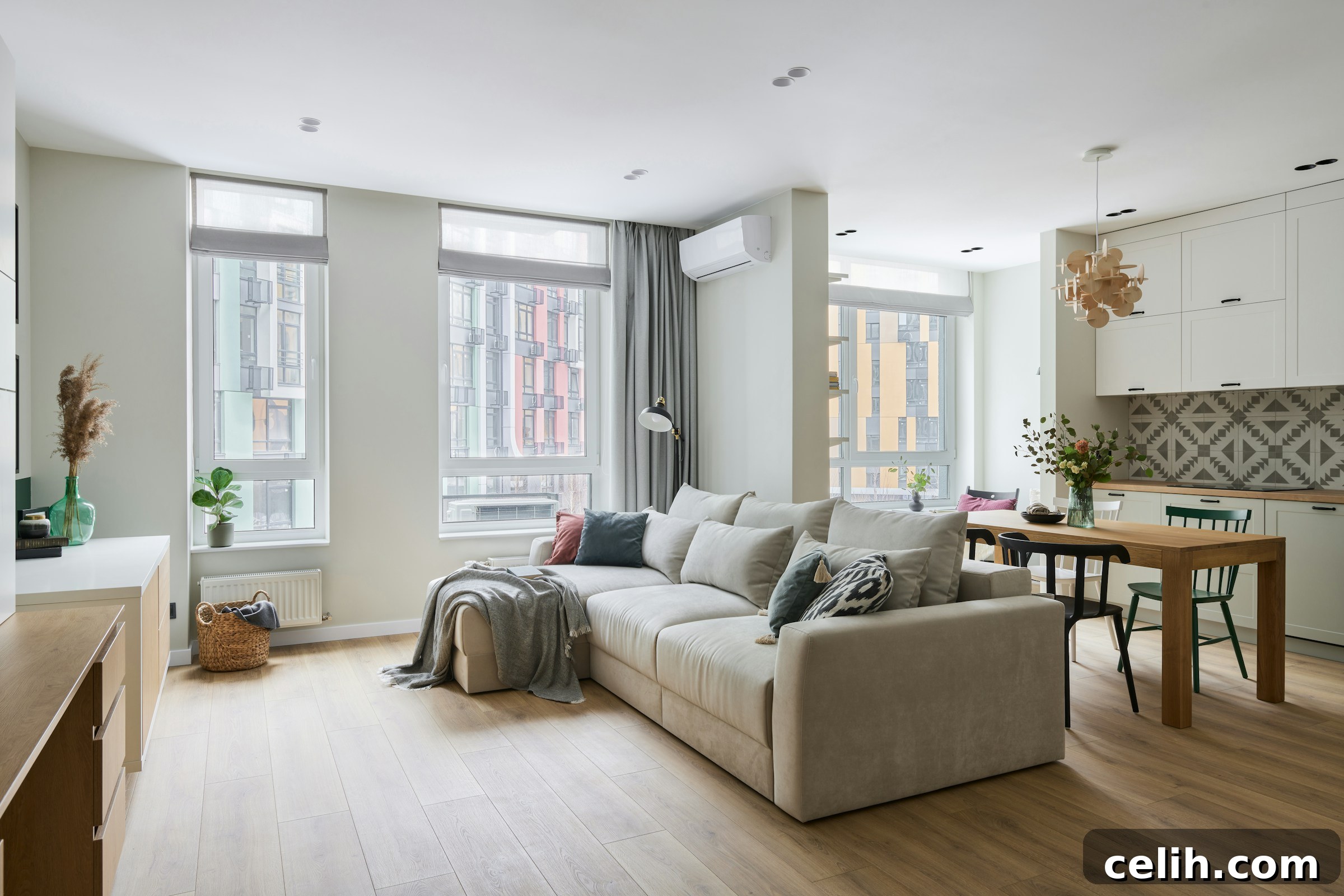
When the chill of winter sets in, there’s an instinctive longing for spaces that exude warmth, comfort, and serenity. It’s no wonder that in the world of interior design, Scandinavians are globally celebrated as true masters of crafting inviting and harmonious homes. But what exactly is it that makes the Nordic style so universally beloved and enduringly popular? This comprehensive guide will delve deep into the core philosophy behind this iconic interior design approach, revealing its timeless appeal and practical beauty. Prepare to discover how to transform your living spaces into havens of style and comfort, embracing a design ethos that stands the test of time.
Defining Modern Scandinavian Interior Design: A Fusion of Function and Aesthetics
The distinctive Scandinavian style, often synonymous with Nordic design, first emerged in the late 19th and early 20th centuries across Denmark, Finland, and Sweden. Its origins are deeply rooted in the practical necessities of living through long, dark winters with limited daylight. This environmental context naturally led to a design philosophy prioritizing functionality, practicality, and the creation of bright, uplifting interiors. At its heart, Scandinavian design is a celebration of utility combined with understated beauty, ensuring every element serves a purpose while contributing to an aesthetically pleasing environment.
This enduring design school is characterized by its clean lines, minimalist forms, and an unwavering commitment to natural materials. Muted color palettes dominate, creating a serene and spacious feel, while a strong emphasis on comfort and human-centered living ensures that spaces are not just beautiful but also eminently liveable. The approach, which began to gain significant international recognition and widespread popularity in the 1950s, has since evolved into one of the most influential and beloved interior design styles worldwide. It embodies a blend of modern simplicity, timeless elegance, and a profound connection to nature, making it ideal for creating serene sanctuaries in any climate.
Crafting Calm with Scandinavian Color Palettes: Light, Serenity, and Subtle Accents
The foundation of any inviting Scandinavian interior lies in its carefully chosen color palette. This style predominantly favors soft whites, warm greys, and muted beiges as the primary base colors for walls, large furniture pieces, and textiles. These light, neutral tones are not merely aesthetic choices; they are functional, serving to maximize the illusion of space and reflect ambient light, which is crucial for brightening rooms, especially those that receive less natural daylight. Shades of écru, cream, and off-white are particularly effective in making a room feel more expansive and welcoming, preventing it from appearing cold or stark.
While neutrals form the backbone, Scandinavian design encourages the judicious use of subtle color accents to inject personality and depth without overwhelming the tranquil palette. Think soft pastels like dusty pinks, pale blues, or mint greens, or deeper, grounding tones such as forest green or deep navy, often introduced through decorative elements like cushions, throws, artwork, or ceramics. These thoughtful color choices are known to positively impact mood and spatial perception, making living areas feel more pleasant and spacious. The key is to layer multiple complementary shades within the chosen palette, creating visual interest and ensuring the space feels inviting and warm, rather than flat or sterile. The goal is a cohesive, harmonious environment that radiates calm and natural light, fostering a sense of well-being.
Furniture Choices: The Art of Balancing Comfort and Simplicity in Scandinavian Design
In Scandinavian interior design, furniture is selected with a clear purpose: to serve the inhabitants and their guests, rather than to merely fill space or make a grand statement. The philosophy here is rooted in practicality and everyday usability. When choosing furniture, it’s crucial to maintain balanced proportions, ensuring that no single piece overwhelms the room. While incorporating a few thoughtfully chosen statement items can add character, the overarching principle remains simplicity and equilibrium. Each item should feel essential, contributing to the room’s functionality and aesthetic harmony without creating clutter.
Comfort is paramount. Every sofa, armchair, and seating solution must be genuinely comfortable and inviting. Likewise, tables and storage units are valuable additions, but only if they don’t impede movement or make the space feel cramped. Scandinavian furniture often features clean lines, gentle curves, and light-colored woods like birch, ash, or pine, which contribute to an airy and open feel. Multi-functional pieces, such as coffee tables with hidden storage or modular shelving units, are particularly prized for their ability to maximize utility in a discreet manner. The ultimate goal is to create a room that feels spacious, airy, and inherently comfortable, truly embodying the welcoming and practical essence of the Nordic approach to living.
Textures and Materials: Infusing Warmth into Minimalist Scandinavian Spaces
While Scandinavian design often embraces minimalism, it skillfully avoids feeling cold or stark by an artful incorporation of textures and natural materials. Textures are vital for adding depth, visual interest, and a palpable sense of warmth to an otherwise streamlined interior. Consider mixing and matching upholstery fabrics – from smooth linen and crisp cotton to inviting plain knits and rich corduroy – to create a sensory diverse environment that engages the eye and the touch. This layering prevents surfaces from appearing monotonous and injects character into the room.
Natural materials are foundational to this style. Wood, in its lighter, often untreated or gently finished forms (like birch, oak, or ash), brings organic warmth and connection to nature. Stone, while used more sparingly, can provide a grounding, tactile element. Beyond structural components, soft furnishings play a crucial role. Plush wool rugs underfoot, chunky knit throws draped over sofas, and woven baskets for storage all add layers of texture and comfort. Wall decorations, such as framed art with natural themes or simple, textured hangings, can further enhance the room’s character without overwhelming it. The beauty lies in blending these diverse elements and colors to add expression and personality. A truly Scandinavian room strikes a perfect balance: it can be both minimalist and profoundly welcoming, but only when it avoids being either overly pristine or excessively adorned. The space should feel lived-in, authentic, and comfortable, much like a true “living” room rather than an impersonal gallery or clinical environment.
Illuminating Scandinavian Homes: Strategic Lighting for Enhanced Mood and Function
Given the geographical realities of the Nordic region, where daylight can be scarce for extended periods, lighting is arguably one of the most critical elements in Scandinavian interior design. Harsh winters significantly reduce the amount of natural sunlight, and improper lighting choices can make an interior feel dark and even depressing. The strategy begins with maintaining bright, reflective color palettes for walls and major surfaces to maximize the diffusion of any available light. However, artificial lighting is where the true artistry lies.
A key principle is to layer various light sources. Instead of relying on a single overhead fixture, incorporate multiple sources of light from different positions and heights. This includes ambient lighting (general room illumination), task lighting (for reading or cooking), and accent lighting (to highlight artwork or create mood). Think floor lamps, table lamps, wall sconces, and even candles or fairy lights, all contributing to a rich, layered glow. If overhead lighting is necessary, choose fixtures that diffuse light softly rather than casting harsh glares. Pay close attention to the light’s hue or color temperature; warmer hues (lower Kelvin values) are generally preferred in Scandinavian spaces as they add depth, coziness, and a welcoming atmosphere. When purchasing lightbulbs, always check the parameters – both hue (Kelvin) and lumens (brightness) can vary significantly between models and will directly impact the desired effect. Furthermore, consider smart lighting solutions, which offer unparalleled flexibility to adjust color temperature and brightness, allowing you to fine-tune the ambiance for any time of day or mood.
Adapting Scandinavian Interiors to Real-Life Living: Functionality Meets Family Life
The allure of Scandinavian design extends beyond its aesthetic appeal; it’s profoundly about creating spaces that are truly functional for real life, not just for a photoshoot. Homes are dynamic environments where we live, work, relax, entertain, and grow. This means that while the minimalist aesthetic is appreciated, it must be balanced with practical considerations for daily living. Overly focusing on “perfect”, pristine interiors can lead to a space that feels unwelcoming or impractical for the modern family.
One of the most crucial aspects is integrating ample storage in a discreet and smart manner. Families, whether with children or not, accumulate a significant amount of belongings – from toys and sports equipment to hobby gear and clothing. Scandinavian design excels at clever storage solutions: think sofas with built-in storage compartments, elegant floor-to-ceiling wardrobes that blend seamlessly into walls, or minimalist shelving units that double as display areas. It’s also important to consider the layout. Keeping the center of a room open is a hallmark of Scandinavian design, fostering a sense of spaciousness and encouraging movement. This layout is particularly beneficial for families with children, providing ample play area, and is equally advantageous for those who frequently host parties or gatherings. Thoughtful furniture placement can dramatically open up a room or, conversely, make it feel constrained. Don’t be afraid to experiment with different arrangements to find what truly works best for your household’s unique rhythm and needs.
Common Mistakes to Avoid in Scandinavian Inspired Interiors
While the principles of Scandinavian design are straightforward, it’s easy to fall into common traps that can detract from its intended warmth and livability. Having experienced harsh winters firsthand, I understand the profound impact a lack of light can have on mood. The temptation might be to over-optimize for extreme minimalism, which can inadvertently create a cold, sterile, or “liminal” space – one that feels transitional rather than a comfortable home. To counteract this, always remember to infuse personality.
A key mistake is failing to introduce sufficient visual interest. While neutral palettes are characteristic, avoid making everything precisely the same shade of white or grey. Introduce multiple colors, even subtle ones, that offer a degree of contrast. This could be through varying shades of white and beige, or by adding pops of muted blues, greens, or even a bold, warm accent like an orange desk lamp, which can brilliantly create a moody and inviting atmosphere. Such details prevent the space from feeling flat and uninspired. Furthermore, never sacrifice comfort in the pursuit of design perfection. Scandinavian design, at its core, is about creating a cozy and functional living environment. A beautifully styled but uncomfortable room misses the entire point. There’s truly nothing more satisfying than sinking into a comfortable Scandi sofa after a long day’s work, a testament to design that prioritizes human well-being above all else. Strive for balance: minimalism with a soul, simplicity with a warm heart.
Scandinavian Interiors: A Timeless and Adaptable Choice for Modern Homes
The enduring appeal of Nordic style continues to resonate strongly in contemporary homes, proving its relevance across a multitude of climates and lifestyles. Its human-first approach to design – prioritizing comfort, functionality, and a connection to nature – consistently wins the hearts of homeowners seeking both cozy and stylish living environments. This philosophy, encapsulated by concepts like *Hygge* (Danish for coziness and contentment) and *Lagom* (Swedish for “just the right amount”), fosters spaces that promote well-being and a balanced lifestyle. The universal principles of bright spaces, natural materials, and unfussy elegance make Scandinavian design incredibly versatile.
Its widespread popularity also means that it is relatively easy to source matching furniture, decor, and accessories that align with its aesthetic. This accessibility allows individuals to decorate their homes thoughtfully, customizing the style to reflect their personal taste while staying true to the core tenets. Ultimately, Scandinavian design stands as a testament to adaptability, comfort, and timelessness. It’s a design language that speaks to our innate desire for beautiful, functional, and calming surroundings. After all, we are all human beings, and we collectively deserve to live in a *hygge* space that is thoughtfully designed for actual people to live, thrive, and find peace within.