
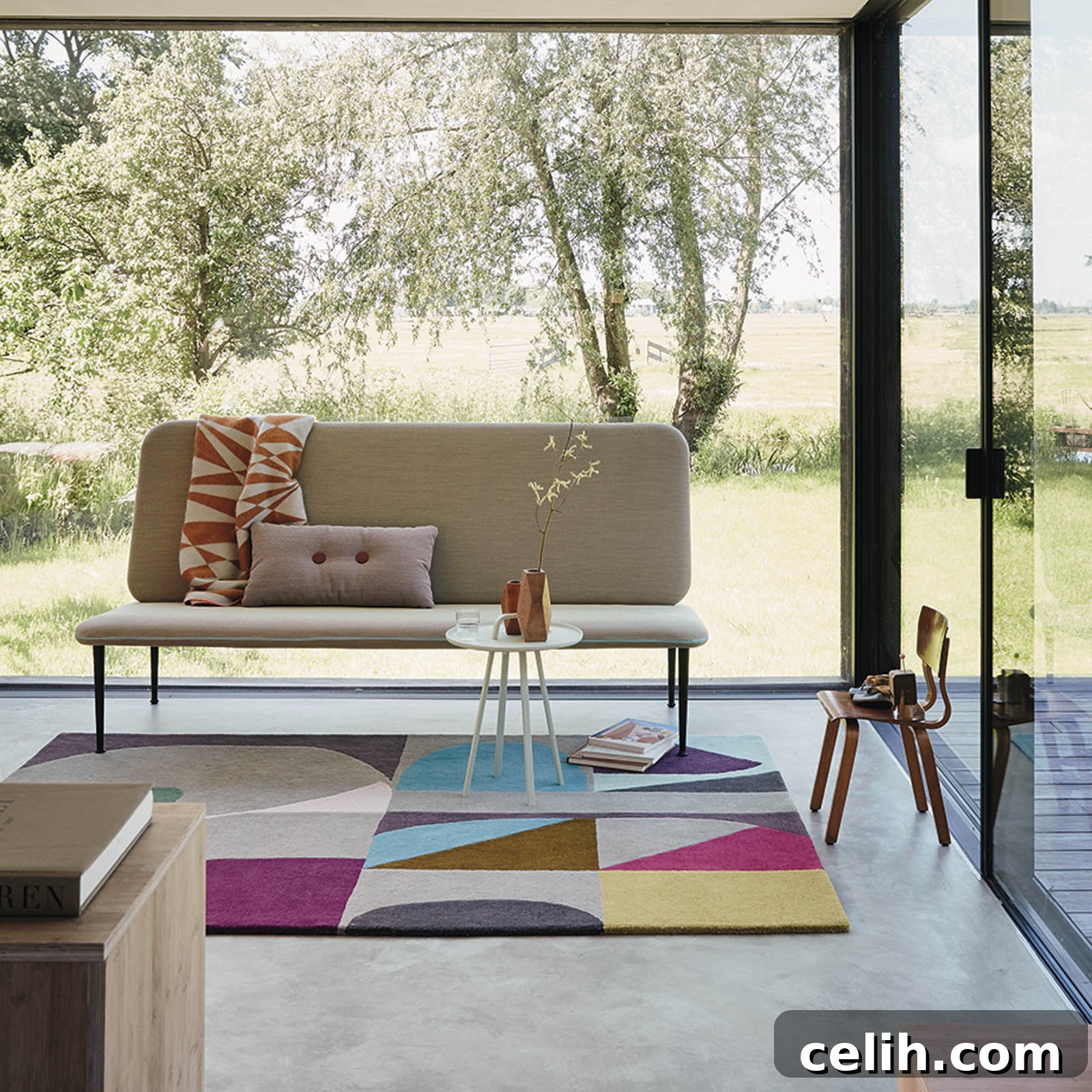
Transforming your living space with the perfect area rug is an exciting prospect, but the sheer variety available can make the selection process feel overwhelming. A well-chosen rug does more than just cover your floor; it defines zones, adds warmth, injects personality, and ties together your entire interior design scheme. From subtle textures to bold patterns, the right rug can elevate a room from ordinary to extraordinary. However, like any significant home purchase, selecting a rug requires careful consideration to ensure it meets your needs, complements your style, and withstands the test of time. To help you navigate the vast world of rugs and make an informed decision, we’ve compiled a comprehensive guide featuring five essential tips. By addressing these key factors, you’ll be well-equipped to find a beautiful, functional, and durable rug that perfectly enhances your home.
-
Define Your Rug’s Purpose and Placement
Before you even begin to browse, a crucial first step is to clearly define where your rug will be placed and its primary function within that space. This foundational decision will profoundly influence the type of rug you should consider, from its material and construction to its durability and ease of maintenance, ultimately impacting your budget. Think about the unique characteristics of each room.
For instance, if you’re looking for a rug for a high-traffic area such as a busy hallway, an entryway, a family room, or a child’s playroom, durability and easy cleaning should be paramount. In these environments, rugs are subjected to frequent footfall, potential spills, and general wear and tear. You’ll want to opt for materials like wool, synthetic fibers such as polypropylene or nylon, or durable natural fibers like jute or sisal. Flat-weave or low-pile rugs are often excellent choices for high-traffic zones because they are less prone to matting and easier to vacuum and spot clean. The last thing you want is a beautiful rug that quickly shows signs of distress and requires expensive professional cleaning every few weeks.
Conversely, for lower-traffic areas like a master bedroom or a formal dining room, you might prioritize comfort, softness, or a more luxurious aesthetic over absolute ruggedness. Here, you could explore options like plush, high-pile wool rugs, elegant silk or viscose blends, or even delicate cotton weaves that offer a softer underfoot feel and contribute to a serene atmosphere. Understanding the intended use and location allows you to narrow down your choices significantly, ensuring your investment is both practical and aesthetically pleasing.
-
Master the Art of Rug Sizing and Placement
The size and placement of your rug are arguably two of the most critical factors in achieving a cohesive and balanced interior design. A rug that is too small can make a room feel disjointed and diminish its overall impact, often becoming a common design mistake. While budget naturally plays a role in rug size – larger rugs typically command higher prices – opting for a smaller rug to save money can often be a false economy if it fails to fulfill its intended purpose of defining and unifying a space.
Consider the room’s dimensions and the furniture arrangement. In a living room, for example, a general rule of thumb is to choose a rug large enough so that at least the front two legs of all major furniture pieces (sofas, armchairs) rest comfortably on it. This creates a cohesive anchor for the seating arrangement and prevents the furniture from looking like it’s floating. Alternatively, for a truly grand and unified look, opt for a rug that allows all furniture legs to sit entirely on the rug, leaving a consistent border of exposed flooring around the room’s perimeter. If you have an open-plan living and dining area, a generously sized rug can effectively delineate the living zone, creating a sense of intimacy and structure without the need for physical walls.
For a dining room, the rug should be expansive enough to accommodate the dining table and all chairs, even when they are pulled out from the table. This typically means adding at least 24-30 inches to each side of your dining table’s dimensions. For bedrooms, consider a rug that extends beyond the sides of your bed by at least 18-24 inches, or opt for two smaller runners placed on either side of the bed for a similar effect. Always measure your space carefully, considering the furniture layout, and even use painter’s tape to outline potential rug dimensions on your floor to visualize the impact before making a purchase. This thoughtful approach to sizing ensures your rug serves its purpose, enhances the room’s scale, and contributes to a harmonious design.
-
Seek Expertise at a Specialist Rug Store
While many general home furnishing stores offer a selection of rugs, making a trip to a specialist rug store can significantly enhance your buying experience and lead to a more satisfactory purchase. These dedicated establishments provide a level of expertise, variety, and quality that mass-market retailers often cannot match. A reputable specialist rug store is typically brimming with an extensive range of rugs, showcasing diverse styles, materials, weaves, and price points. This allows you to explore an unparalleled selection, comparing different textures, patterns, and colors in person.
Beyond the sheer volume of options, the true value of visiting a specialist lies in the knowledgeable staff. Unlike general sales associates, employees at a dedicated rug store are often experts in their field. They possess deep insights into the nuances of various rug materials, such as the benefits of different types of wool, the durability of synthetics, or the care requirements for delicate silk rugs. They can explain the intricacies of hand-knotted versus machine-made constructions, advise on the best rug types for specific room conditions, and even suggest options tailored to concerns like allergies, pet-friendliness, or specific maintenance needs.
Furthermore, specialist stores often carry higher-quality rugs and may even offer custom sizing or design services. They can provide invaluable guidance on how a rug’s color or pattern will interact with your existing decor, helping you to visualize the final look. The ability to see, touch, and feel the rugs in person, combined with professional advice, ensures you’re investing in a piece that is not only beautiful but also perfectly suited to your home and lifestyle. This hands-on experience and expert consultation are invaluable, helping you avoid common pitfalls and make a confident, well-informed decision.
Thoughtfully Consider Color, Pattern, and Design
The aesthetic elements of a rug – its color, pattern, and overall design – are paramount in shaping the mood and style of your room. With specialist rug shops often overwhelming visitors with countless options, it’s incredibly helpful to have a preliminary idea of the visual impact you wish to achieve before you even begin browsing. This strategic approach helps you filter through the vast selection and focus on what truly complements your vision.
Consider the existing color palette of your room. Are you seeking a rug that harmoniously blends with your current decor, creating a serene and cohesive backdrop? In this case, opt for colors that are present in your existing furniture, artwork, or wall paint, or choose neutral tones that provide a calming foundation. Alternatively, if your room feels a little understated, a rug can serve as a powerful focal point. A rug in a bold, contrasting color or an eye-catching pattern can inject energy, personality, and a dynamic visual interest, drawing the eye and anchoring the space. Think about whether you prefer a contemporary geometric pattern, a timeless traditional motif, an abstract art-inspired design, or a simple solid texture.
Beyond mere aesthetics, there are clever design principles related to color that can influence the perception of your space. If your goal is to make a room appear larger and more open, lighter-colored rugs, especially those with minimal patterns, are an excellent choice. They reflect more light, contributing to an airy and expansive feel. Conversely, if you’re aiming to create a sense of warmth, coziness, and intimacy, a deeper, richer colored rug can work wonders. Darker hues absorb light, making a space feel more enclosed and inviting. Don’t forget the power of texture; a plush, high-pile rug adds softness and warmth, while a flat-weave or jute rug introduces a tactile, natural element. Taking samples home to see how colors and patterns appear under your room’s specific lighting conditions is always a wise step before committing to your final selection.
Prioritize Safety and Longevity with Rug Pads
While the beauty and comfort of a rug are undeniable, it’s crucial not to overlook essential safety and practical considerations during your purchase. The last thing you want is for your gorgeous new rug to become a tripping hazard or to prematurely wear out. A key aspect of rug safety, particularly for rugs placed on hard flooring like wood, tile, or laminate, is preventing slippage.
Many modern rugs come equipped with special non-slip backings designed to help them stay securely in place when walked upon. These integrated features are incredibly practical and highly recommended for areas with high footfall, such as hallways, entryways, or living rooms, where the risk of a rug shifting and causing a fall is greater. Always check the product specifications for this feature when browsing. However, even rugs with some backing can benefit from an additional layer of protection and stability.
This is where a high-quality rug pad becomes an indispensable accessory. Rug pads are specifically designed to be placed underneath your rug, providing a multitude of benefits. Primarily, they create a friction layer that firmly grips both the rug and the floor, effectively preventing slips, slides, and troublesome bunching. This dramatically enhances safety for everyone in your household. Beyond safety, rug pads offer significant long-term advantages. They provide an extra layer of cushioning, making your rug feel more luxurious and comfortable underfoot. More importantly, they act as a protective barrier, shielding your hard floors from scratches, scuffs, and the abrasive wear that can occur from the rug’s backing rubbing against the surface. By absorbing impact and reducing friction, a good rug pad also helps to extend the life of your rug itself, preventing premature wear and tear on the fibers. There are various types of rug pads available, including felt, rubber, or a combination, each offering different levels of cushioning and grip. Investing in the right rug pad is a small but vital step that ensures both the safety of your home and the longevity of your beautiful rug.
Choosing the perfect rug is a blend of art and science. By thoughtfully considering its intended use, ensuring correct sizing, leveraging expert advice from specialist stores, aligning its design with your aesthetic vision, and prioritizing safety with the right rug pad, you’ll embark on a rewarding journey. A well-selected rug is more than just a floor covering; it’s an investment in comfort, style, and the overall ambiance of your home, transforming your space into a reflection of your unique taste and personality.