
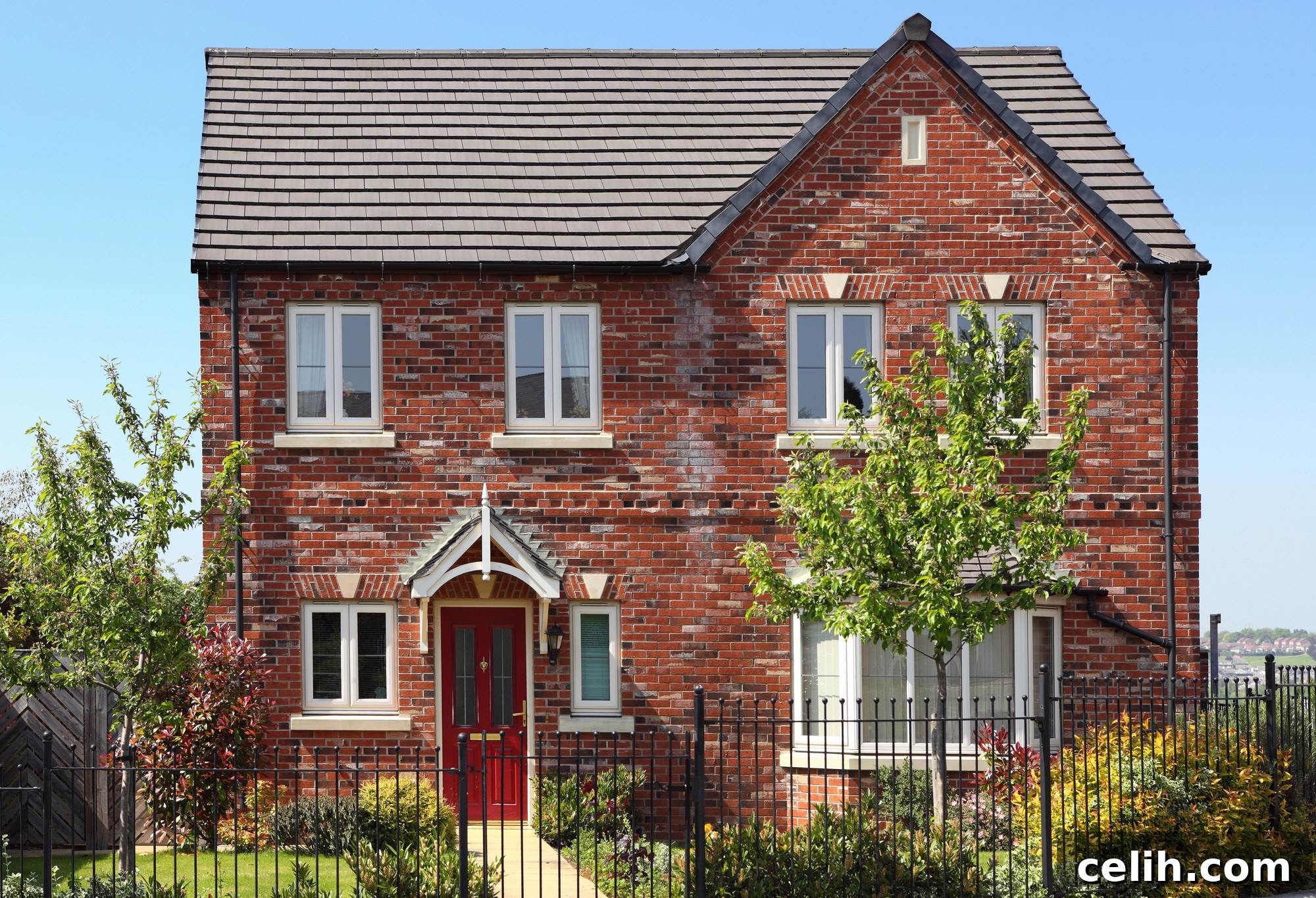
There’s a moment when you look up, perhaps while lounging on your couch, and a shadow crosses your mind. Was that a missing shingle? A dark patch? It’s easy to dismiss such observations as mere illusions, but often, these are the early, subtle warnings from the silent sentinel protecting your home: your roof.
Whether it was a fierce storm that swept through while you were away, or simply the relentless march of time catching up with your property, you’re now likely facing a common homeowner’s dilemma: “Can I get away with a quick fix?” or “Is it finally time for a complete roof replacement?”
Making the right decision about your roof is critical, not just for the immediate health of your home, but for its long-term value and your peace of mind. This comprehensive guide will equip you with the knowledge to make the smartest, most cost-effective choices, helping you avoid unnecessary expenses, wasted time, and future headaches.
The Indispensable Role of Roof Maintenance: Why It Matters So Much
Let’s pause for a moment and consider a fundamental question: When was the last time your roof received some genuine tender loving care? If your honest answer is, “Hmm… maybe never?” or “Does just looking at it count?”, then it’s definitely time to reconsider your approach to roof care.
Your roof is arguably the most crucial component of your home’s exterior, working tirelessly, day in and day out, to shield you and your family from the elements. Yet, it’s often the most overlooked part when it comes to routine maintenance. Neglecting your roof is akin to ignoring a persistent cough; a small, manageable issue can quickly escalate into a severe and expensive problem. Regular, proactive roof maintenance offers a multitude of benefits that extend far beyond simply keeping the rain out.
Firstly, consistent roof maintenance can significantly **prolong the lifespan** of your roofing system. By addressing minor issues like loose shingles, clogged gutters, or developing moss early on, you can prevent them from causing widespread damage that necessitates a premature and costly full roof replacement. A well-maintained roof can easily meet or even exceed its projected lifespan.
Secondly, a properly cared-for roof plays a vital role in **improving your home’s energy efficiency**. Damaged or compromised roofing can lead to poor insulation, allowing heated or cooled air to escape through your attic. This forces your HVAC system to work harder, resulting in higher energy bills. Regular inspections ensure that insulation remains intact and that there are no leaks or gaps compromising your home’s thermal envelope.
Finally, maintaining your roof contributes significantly to the **perennial look and curb appeal** of your house. A clean, intact, and well-maintained roof enhances the aesthetic appeal of your entire property, making it more inviting and visually pleasing. This is especially important if you ever consider selling your home, as a healthy roof is a major selling point and a critical factor in a home’s overall value.
Essential Roof Care: Top Tips for Homeowners
1. Accurately Assessing Your Roof for Damage
Before you even think about calling a professional roofing contractor, taking the time to conduct a preliminary assessment of your roof’s condition can be incredibly insightful. While safety should always be your top priority – never climb onto a roof unless you are properly trained and have the right safety gear – many initial checks can be done safely from the ground with binoculars or from inside your attic. Here’s what to look for during your inspection:
- Missing or Curling Shingles: These are often the most obvious signs of wear. Missing shingles leave the underlayment exposed to water, sunlight, and wind, accelerating damage. Curling shingles, whether cupping (edges turn up) or clawing (edges lay flat, center lifts), indicate that the shingle has passed its prime due, often to heat exposure and age. A few missing shingles can typically be replaced, but if large sections of your roof resemble a “bad hair day” with widespread curling, buckling, or numerous missing pieces, it’s a strong indicator that a full replacement might be necessary.
- Water Leaks and Damage: Head up to your attic, if accessible, during daylight hours. Look for any signs of water stains on the underside of your roof decking or insulation. Check for mold growth, a musty odor, or sagging spots on your ceiling inside the house. Even small water stains can signal a persistent leak that, if left unaddressed, can lead to significant structural damage, rot, and unhealthy mold infestations. Pay particular attention around chimneys, skylights, vents, and other roof penetrations, as these are common leak points.
- Granule Loss: If you notice an unusual accumulation of sand-like particles in your gutters or at the bottom of your downspouts, these are likely asphalt shingle granules. Granules protect the asphalt core of shingles from harmful UV rays and add color. Excessive granule loss indicates that your shingles are losing their protective layer, becoming more vulnerable to deterioration and suggesting they are nearing the end of their functional life. While some granule loss is normal, a significant amount is a red flag.
- Sunlight Through Roof Boards: This is an unmistakable sign of severe damage. If you can see rays of sunlight piercing through your attic ceiling or between roof boards, it means there are significant gaps or holes in your roof deck. This not only allows water and pests into your home but also severely compromises your roof’s structural integrity. When you see light, it’s not a question of repair; it’s definitely time for a complete roof replacement.
- Sagging Roofline: Stand back from your home and observe the roofline. Does it appear straight and even, or are there noticeable sags or dips? A sagging roofline can indicate structural issues with the roof deck or framing, often caused by long-term water damage or heavy loads, and requires immediate professional assessment.
- Moss, Algae, or Fungi Growth: While not always a sign of immediate structural failure, extensive growth of moss, algae (dark streaks), or lichen can trap moisture against shingles, leading to premature deterioration. It can also indicate a shaded area that retains moisture, potentially affecting the roof’s lifespan.
2. The Crucial Decision: Repairing Your Roof vs. Full Replacement
Once you’ve assessed the current state of your roof, the next critical step is to weigh the options: pursue targeted repairs or invest in a complete roof replacement. This decision is not always straightforward; a simple fix can sometimes resolve an issue effectively, while other times it merely delays an inevitable, and potentially more costly, outcome. Understanding when to choose each option is key to smart homeownership.
Consider **repairing your roof** under these specific conditions:
- Minor, Localized Damage: If the destructive impact is confined to a singular, small area, such as a few missing shingles due to wind uplift, a minor leak around a vent pipe, or damaged flashing, a repair is usually the most economical and sensible solution. The integrity of the rest of the roof must be generally sound.
- Younger Roof: If your roof is relatively new, typically under a decade old, and the damage isn’t widespread, opting for a repair makes sense. A young roof still has a significant portion of its expected lifespan remaining, making a repair a worthwhile investment to extend its overall service.
- Cost-Effectiveness: The financial outlay for repairs remains significantly lower than the cost of a complete replacement, particularly if the repair effectively resolves the issue without compromising the roof’s future performance. If a repair is only a fraction of the cost of replacement and offers a lasting solution, it’s the right choice.
- Matching Existing Shingles: For repairs to be aesthetically pleasing and fully protective, finding matching shingles can be important. If your existing shingles are still readily available, repairs are often more feasible.
Conversely, you should seriously consider a complete **roof replacement** under the following, more significant circumstances:
- Widespread Wear and Old Age: The condition of your roof indicates extensive wear and tear, and its age exceeds two decades (for typical asphalt shingles). Signs of widespread deterioration include brittleness, extensive granule loss across multiple areas, widespread curling or buckling, and moss/algae covering a significant portion of the roof. An aging roof becomes less resilient to weather, making isolated repairs temporary and ineffective.
- Frequent and Accumulating Repair Requests: If you find yourself calling for roof repairs every few months, and the expenses for these fixes are accumulating rapidly, it’s a clear signal that the roof is failing. At some point, the cumulative cost of repeated repairs will approach or even exceed the investment in a new roof, without providing the longevity or peace of mind of a fresh installation. This “money pit” scenario usually points to an underlying systemic problem.
- Severe or Structural Compromise: If your home’s structural integrity faces severe compromise due to widespread damage, such as a sagging roof deck, extensive water infiltration leading to rot in the underlying structure, or significant areas where sunlight can be seen through the attic, a full replacement is not just advisable but often imperative. Such damage can lead to health hazards (mold) and safety risks.
- Boosting Home Value for Sale: If you’re planning to sell your home in the near future, a new roof can significantly increase its market value, improve curb appeal, and provide prospective buyers with confidence, often making it a worthwhile investment that pays for itself.
3. Choosing the Right Roofing Material for Your Home
When you’ve decided that a complete roof replacement is the optimal path forward, one of the most exciting — and important — decisions you’ll make is selecting the right roofing material. This choice impacts not only the initial cost but also your roof’s durability, energy efficiency, aesthetic appeal, and long-term maintenance needs. Here’s a closer look at the most common options:
- Asphalt Shingles:
Asphalt shingles remain the most popular roofing material in North America, and for good reason. They offer an excellent balance of economic feasibility, strong longevity (typically 20-30 years, depending on type and quality), and extensive color and style options. You can choose from traditional 3-tab shingles, which are economical, or architectural (laminated) shingles, which offer a more dimensional, premium look and enhanced durability. Asphalt shingles are relatively easy to install, making them a favored choice for many homeowners seeking a reliable and attractive roofing solution without a prohibitive price tag.
- Metal Roofing:
Metal roofing, available in various forms like standing seam panels, corrugated sheets, or even metal shingles designed to mimic traditional styles, delivers enhanced durability and superior energy efficiency. While demanding a greater initial investment compared to asphalt, metal roofs boast an impressive lifespan of 40-70 years, are highly resistant to fire, rot, and insects, and can significantly reflect solar heat, leading to lower cooling costs. They are also increasingly popular for their modern aesthetic and eco-friendly attributes, as they are often made from recycled content and are fully recyclable at the end of their life.
- Clay or Concrete Tiles:
Ideal for hot climates and regions prone to high winds or fire, clay and concrete tiles offer exceptional durability (often lasting 50-100 years) and a distinctive, often Mediterranean or Southwestern, aesthetic. These tiles are highly resistant to fire, rot, and insects, and their thermal mass can help regulate indoor temperatures. However, the substantial weight of these units demands robust roof construction systems and expert installation. They also come with a higher initial cost and can be more brittle than other materials, requiring careful handling.
- Slate Roofing:
For those seeking the pinnacle of luxury and longevity, natural slate stands out as the priciest choice but offers unmatched durability and distinctive appeal. A properly installed slate roof can last well over a century, making it a “forever” roof for many homes. Slate is naturally fire-resistant, impervious to rot and insects, and incredibly beautiful, providing a sophisticated and timeless look. Similar to tile, its significant weight and the specialized skills required for installation contribute to its high cost and make it unsuitable for all roof structures without proper reinforcement.
4. DIY Roofing vs. Hiring a Professional Contractor
While the internet is replete with DIY tutorials for virtually everything, including roof repairs, roofing is one area where practicing your abilities, unless you’re an experienced professional or highly skilled do-it-yourselfer, is not advisable. The risks involved far outweigh the potential cost savings. One misstep on a ladder or an improperly installed shingle can lead to severe injury—or worse, an unscheduled visit to an emergency room. Beyond personal safety, the ramifications of improper roofing work can be costly and extensive.
When you choose to work with a professional roofing contractor, you are investing in several critical assurances:
- Safety: Professional roofers are trained in safety protocols, equipped with the right gear, and insured to handle the inherent dangers of working at heights. They minimize risks to themselves, your family, and your property.
- Expertise and Quality Installation: A professional understands the nuances of different roofing materials, proper installation techniques, and the complex anatomy of a roof system. They ensure that your new roof or repair is done correctly, adheres to manufacturer specifications, and meets local building codes. This expertise is crucial for the longevity and performance of your roof.
- Warranty Protection: Many roofing material manufacturers offer warranties that are only valid if the product is installed by a certified professional. Furthermore, reputable contractors provide their own workmanship warranties, giving you peace of mind that if an issue arises due to their installation, they will address it. DIY work often voids these valuable protections.
- Compliance with Local Building Codes: Roofing projects often require permits and must comply with specific local building codes designed to ensure safety and structural integrity. Professionals are well-versed in these regulations and ensure all work meets the necessary standards, avoiding future legal or structural problems.
- Efficiency and Time-Saving: Professionals have the tools, crew, and experience to complete roofing projects efficiently and effectively, minimizing disruption to your daily life.
If you’re in need of reliable roofing services, whether for a repair or full replacement, always seek out local, reputable professionals. For instance, if you were living in Westbrook and needed a specialist, you would want to contact a qualified Westbrook roofer to ensure the job is done safely and correctly.
5. Wise Budgeting for Roof Repairs or Replacement
Undertaking a new roof installation or a significant repair can represent a considerable investment. However, it’s also one of the finest and most crucial investments you can make for the longevity, safety, and value of your house. Approaching this process with a well-thought-out budget and strategic planning can significantly ease the financial burden and ensure you get the best value for your money.
Begin by **gathering multiple quotations and detailed estimates** from several reputable roofing contractors. Do not settle for the first estimate you receive, as rates can vary significantly based on material costs, labor, and the scope of work. When comparing quotes, look beyond just the bottom line: examine the breakdown of costs, the specific materials proposed, the warranty offered (both for materials and workmanship), and the estimated timeline for completion. Ensure all estimates are comprehensive and include tear-off, disposal, and clean-up.
Next, a critical step is to thoroughly **research your homeowner’s insurance policy**. Many policies cover roof damage resulting from sudden, unexpected events like storms, hail, falling trees, or fire. Understanding what your policy covers—and what it doesn’t—can potentially save you thousands of dollars. If your roof damage is storm-related, contact your insurance provider as soon as possible to file a claim. They may send an adjuster to assess the damage, and a reputable roofing contractor can also help guide you through the claims process.
Consider **financing options** if the upfront cost of a replacement is a concern. Many roofing companies offer financing plans, or you might explore home equity loans or lines of credit, which can make the investment more manageable. Remember, while the initial cost may seem high, a new roof is a long-term asset that protects your entire home and avoids more catastrophic expenses down the line.
Finally, understand the **long-term value proposition**. A new, energy-efficient roof can lead to savings on utility bills over its lifespan, and it significantly boosts your home’s curb appeal and resale value. Thinking of your roof as an investment rather than just an expense can help frame the budgeting process more positively.
The Final Verdict: Fix It or Flip It?
The decision to repair or replace your roof ultimately hinges on a thorough assessment of its condition, your future plans for the home, and your budget. Replacing an old, worn-out roof can dramatically increase your home’s market value, making it far more attractive to potential buyers if you plan to sell in the near future. Conversely, ignoring persistent roofing concerns will almost inevitably lead to more costly and extensive repairs down the line, potentially affecting the structural integrity of your entire home.
Whether it’s a minor patch or a complete overhaul, your prompt and informed actions will be your greatest savior, safeguarding your investment and your family’s comfort. If your intention is to remain in your current home for years to come, investing in a quality, robust roof now can prevent future leaks, structural damage, and, perhaps most importantly, countless future headaches. At the end of the day, your roof is far more than just a collection of shingles and boards; it is the primary shield that protects you and your loved ones, keeping them safe, comfortable, and sheltered within the sanctuary of your home.