
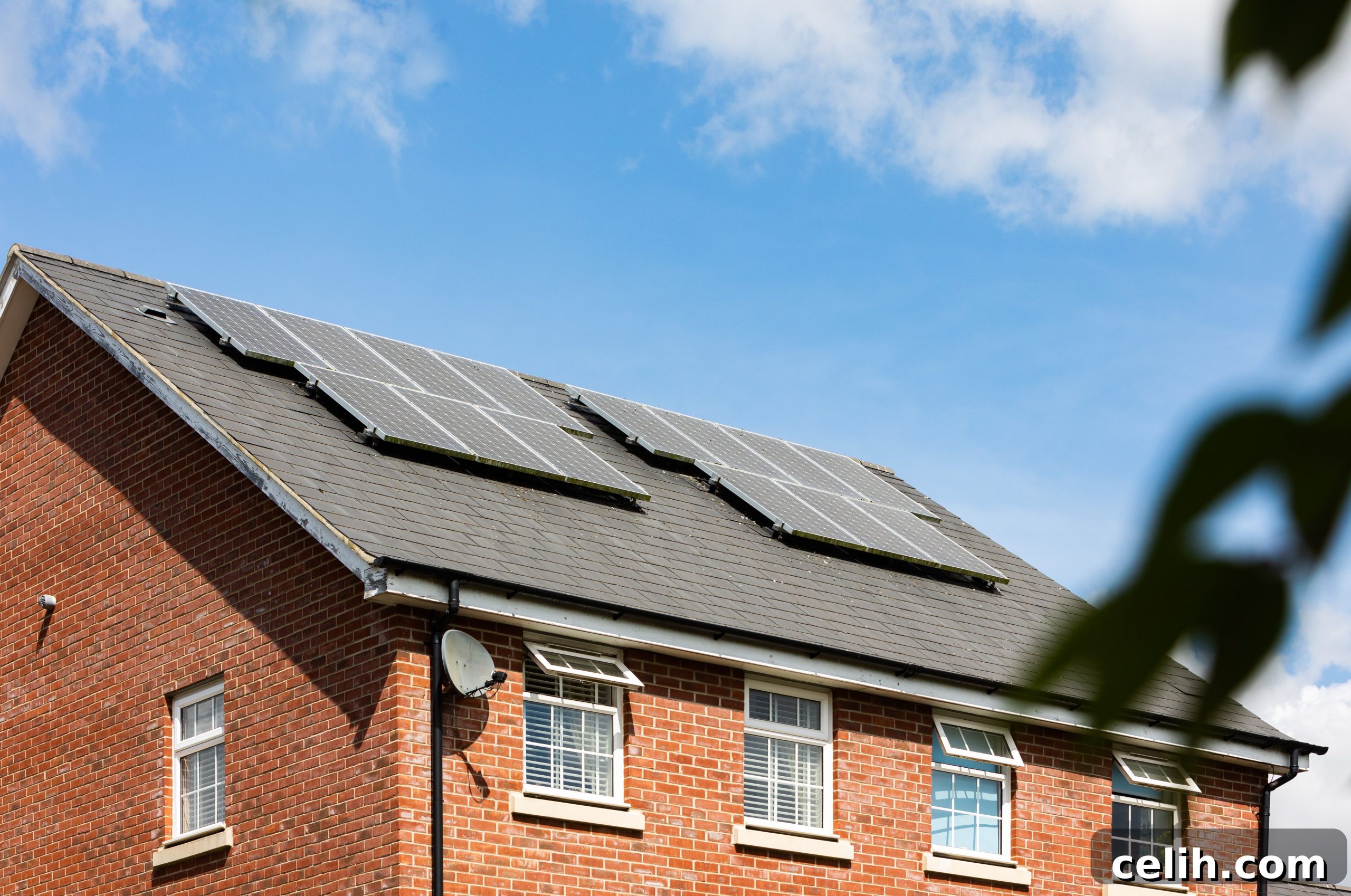
The global shift towards sustainable living has made solar panels an increasingly popular and impactful solution for generating renewable energy. Every year, a growing number of homeowners and businesses are embracing solar power, driven by environmental consciousness and economic benefits. However, a common query for those considering this transition is, “How long does the entire solar panel installation process typically take?” This comprehensive guide aims to thoroughly answer that question, providing you with all the essential information needed to understand the journey of going solar, from initial consultation to flipping the switch.
1. Understanding Solar Panels: What They Are and How They Work
At their core, solar panels are sophisticated devices designed to harness the sun’s abundant energy and convert it into usable electricity. This remarkable process, known as the photovoltaic (PV) effect, occurs when sunlight strikes silicon cells within the panels, releasing electrons and generating a direct current (DC) of electricity. This DC power is then fed into an inverter, which transforms it into alternating current (AC) – the standard electricity used to power homes and businesses.
The electrical energy produced can be immediately consumed by your appliances, stored in a solar battery system for later use, or, in many regions, sold back to the local utility company through schemes like net metering. While solar panel technology has existed for decades, its recent surge in popularity is largely attributable to the escalating costs of conventional electricity and a collective urgency to transition towards sustainable, alternative energy sources. Advancements in efficiency, durability, and aesthetics have made solar power an increasingly attractive and accessible option for homeowners and commercial entities alike.
2. Unpacking the Solar Panel Installation Timeline: How Long Does It Really Take?
The exact duration for installing solar panels can vary significantly, primarily depending on the size and complexity of your solar energy system, as well as local regulations and installer schedules. While the physical mounting of panels on your roof might only take a few hours to a couple of days, the entire end-to-end process, from initial inquiry to generating electricity, is a multi-stage journey.
Typically, the actual on-site installation of the solar panels and associated equipment (inverters, wiring, mounting racks) for a standard residential system can be completed within 1 to 3 days. However, the comprehensive timeline for a successful solar project usually spans several weeks, sometimes extending to a few months, encompassing the following critical phases:
- Initial Consultation & Site Assessment: This involves a solar professional evaluating your energy needs, roof suitability, sun exposure, and local regulations. This phase can take a few days to a week.
- System Design & Proposal: Based on the assessment, a customized solar system is designed, outlining panel types, inverter specifications, estimated energy production, and detailed costs. This typically takes 1-2 weeks.
- Permitting & Approvals: One of the most time-consuming steps, this involves obtaining necessary permits from local authorities and utility companies. Depending on your municipality, this phase can range from 2 weeks to 8 weeks or even longer.
- Equipment Procurement: Once permits are secured, your chosen installer will order the specific solar panels, inverters, and mounting hardware for your system. This usually adds another 1-2 weeks.
- On-Site Installation: This is the physical work of mounting the racking, panels, wiring, and inverters. As mentioned, for most residential systems, this takes 1-3 days. Larger commercial installations might require more time.
- Inspections: After installation, your system must pass inspections by both the local building department and the utility company to ensure compliance with safety and grid connection standards. This can take an additional 1-3 weeks.
- Utility Interconnection & Permission to Operate (PTO): Once all inspections are cleared, the utility company grants permission to operate, allowing your system to be safely connected to the electrical grid. This final step can take a few days to a couple of weeks.
Therefore, while the hands-on installation is relatively swift, the entire process, including planning, permits, and inspections, generally takes between 4 to 12 weeks. If you are considering installing solar panels, it is crucial to consult with a reputable, professional solar installer. They can provide a more accurate and personalized timeline based on your specific location, system size, and the current permitting climate in your area, ensuring a smooth transition to solar power.
3. The Multifaceted Benefits of Installing Solar Panels
Beyond simply generating electricity, embracing solar power offers a profound array of advantages, impacting your finances, the environment, and even your sense of personal contribution. The decision to install solar panels is an investment that yields significant returns in various forms.
Tangible Financial Benefits:
- Substantial Savings on Electric Bills: One of the most compelling reasons to go solar is the dramatic reduction, and often elimination, of your monthly electricity bill. By generating your own power, you become less reliant on the grid and its fluctuating utility rates, leading to predictable and lower energy expenses for decades.
- Increased Home Value: Homes equipped with solar panel systems are proven to sell faster and at a higher price than comparable non-solar properties. Solar installations are considered a valuable upgrade, attracting environmentally conscious buyers and those seeking long-term energy savings.
- Eligibility for Government Incentives & Rebates: Many governments and local authorities offer generous incentives, such as tax credits, grants, and rebates, to encourage solar adoption. These programs can significantly offset the upfront cost of installation, making solar power more affordable. For example, in the UK, the Smart Export Guarantee (SEG) allows homeowners to earn money for excess electricity exported back to the grid.
- Protection Against Rising Energy Costs: Solar power acts as a hedge against future increases in electricity prices. Once your system is installed, your “fuel” (sunlight) is free, providing long-term energy price stability.
Profound Environmental Benefits:
- Significant Reduction in Carbon Footprint: By replacing fossil fuel-generated electricity with clean solar energy, you directly contribute to lowering greenhouse gas emissions, a primary driver of climate change. This makes solar power a cornerstone of sustainable living.
- Combating Climate Change: Every kilowatt-hour of solar energy produced helps mitigate the environmental impact of traditional power generation, supporting the global effort to combat climate change and protect our planet’s ecosystems.
- Reduced Reliance on Finite Resources: Solar energy taps into an inexhaustible resource – the sun – reducing our dependence on finite fossil fuels and promoting a more sustainable energy future.
Empowering Emotional & Social Benefits:
- A Sense of Personal Accomplishment: Knowing that you are actively generating clean energy and reducing your environmental impact can instill a deep sense of pride and satisfaction.
- Contributing to Future Generations: Installing solar panels is a tangible way to invest in a healthier, more sustainable future for your children and grandchildren. It’s a statement of commitment to environmental stewardship.
- Being Part of the Solution: In an era of increasing environmental challenges, going solar positions you as a proactive participant in creating positive change, rather than passively contributing to environmental problems.
Installing solar panels can truly have a transformative impact on your life and the world around you. Not only will you contribute significantly to environmental preservation, but you’ll also enjoy substantial savings on your electricity bills month after month. To get a personalized estimate of your potential savings, consider utilizing a reliable solar calculator. Furthermore, the immense satisfaction of knowing you are making a meaningful difference for future generations is an invaluable emotional benefit that transcends monetary value.
4. The Cost of Installing Solar Panels: An Investment in Your Future
The cost of installing solar panels is a key consideration for prospective buyers and is influenced by a range of factors. It’s important to view this as a long-term investment, not just an expense. The average cost can vary widely depending on the country, region, and specific requirements of your property. Key factors influencing the total investment include:
- System Size (kW): This is the most significant factor. Larger systems with more panels, designed to meet higher energy demands, will naturally cost more.
- Panel Type and Efficiency: High-efficiency panels, while sometimes having a higher per-panel cost, can generate more power in less space, potentially reducing the number of panels needed.
- Inverter Technology: Central inverters are generally less expensive than microinverters or power optimizers, though the latter can offer better performance in shaded conditions.
- Battery Storage: Adding a solar battery to store excess energy for nighttime use or grid outages significantly increases the initial cost but offers greater energy independence.
- Labor Costs: These vary by region and the complexity of the installation (e.g., roof type, pitch, accessibility).
- Permitting and Interconnection Fees: Local regulations often involve fees for permits and connecting to the utility grid.
- Roof Condition and Complexity: If roof repairs or modifications are needed before installation, these will add to the overall cost. Complex roof lines or steep pitches can also increase labor expenses.
For context, in the UK, the average cost for installing a 4.2 kilowatt-peak (kWp) residential solar panel system is approximately £6,500. However, this upfront investment is often mitigated by various financial incentives. The Smart Export Guarantee (SEG) scheme in the UK, for instance, allows homeowners to earn a set tariff for each kilowatt-hour of surplus electricity they generate and export back to the national grid. The specific tariff rates vary between different energy suppliers, so it’s highly advisable to research and compare offers to secure the best deal, ideally opting for a fixed tariff to ensure predictable returns. Similar net metering or feed-in tariff programs exist in many other countries, significantly improving the return on investment and shortening the payback period for solar energy systems.
When evaluating costs, always consider the long-term savings on electricity bills, potential earnings from exporting power, and available government incentives that can collectively make solar a financially sound decision over its 25+ year lifespan.
5. Navigating the Selection Process: How to Choose a Qualified Solar Contractor
Choosing the right solar contractor is paramount to the success, safety, and longevity of your solar panel system. A reliable and experienced installer ensures that your investment performs optimally for decades. The National Renewable Energy Laboratory (NREL) provides excellent foundational advice, which can be expanded upon to ensure you make the best choice:
- Request References and Review Past Projects: Always ask for contact information from previous customers and take the time to speak with them. Inquire about their experience with the contractor’s communication, adherence to timelines, quality of work, and post-installation support. Visiting a completed project or viewing photos can also provide valuable insights.
- Verify Licensing, Certifications, and Insurance: A reputable contractor will be fully licensed to operate in your region. Crucially, they should carry comprehensive insurance, including liability and workers’ compensation, to protect both their crew and your property in case of any unforeseen incidents during the installation. Look for industry certifications like NABCEP (North American Board of Certified Energy Practitioners) or equivalent local accreditations, which demonstrate a commitment to high standards and expertise.
- Obtain Multiple, Detailed Estimates: Never settle for the first quote. Contact at least three different contractors to get comparative bids. Ensure each estimate is comprehensive, breaking down costs for panels, inverters, labor, permitting, and any additional services. This allows for an apples-to-apples comparison and helps you identify any hidden fees.
- Confirm Familiarity with Local Building Codes and Regulations: Solar installations must comply with stringent local building codes, electrical codes, and zoning regulations. Your chosen contractor must be intimately familiar with these requirements in your specific municipality to ensure a smooth permitting process and avoid costly delays or rework.
- Assess Their Warranty on Workmanship: Beyond the manufacturer’s product warranty, inquire about the contractor’s warranty on their installation work. A strong workmanship warranty indicates confidence in their installation quality and provides peace of mind.
- Evaluate Communication and Transparency: Throughout the consultation and quoting process, observe their communication style. Are they responsive, clear, and transparent about every aspect of the project? A good contractor will clearly explain the process, answer all your questions, and keep you informed.
- Check Online Reviews and Reputation: Utilize platforms like Google Reviews, Yelp, and industry-specific forums to gauge the contractor’s reputation. Look for consistent patterns in positive or negative feedback.
Once you’ve meticulously chosen a qualified and trustworthy contractor, they will typically manage the remainder of the solar installation process, from permit acquisition to final inspections. As discussed, the actual physical installation usually spans one to three days for most residential projects, though larger or more complex commercial installations might extend to a week or more. Upon completion, your contractor should provide a comprehensive final report, detailing the work performed, system specifications, and instructions for operation and maintenance. This meticulous selection process is crucial for ensuring a high-quality, efficient, and reliable solar energy system for your property.
6. Key Considerations When Buying Solar Panels: Making an Informed Choice
When embarking on the journey to power your home with solar energy, understanding the different factors that influence panel performance and longevity is critical. Choosing the right solar panels involves more than just aesthetics; it’s about efficiency, durability, and a robust warranty that secures your investment for the long haul.
- Solar Panel Efficiency: This is arguably the most crucial technical specification. Panel efficiency refers to how effectively a solar panel converts direct sunlight into usable electricity. Measured as a percentage, it typically ranges from 15% to 22% for most residential panels. Higher efficiency panels generate more power from a smaller footprint, which is particularly advantageous for roofs with limited space or those aiming for maximum energy production. The leading-edge solar panels on the market today can boast efficiencies of up to 24% or even slightly higher, representing significant technological advancements.
- Warranty: A comprehensive warranty provides peace of mind and protects your investment. Most reputable solar panel manufacturers offer two types of warranties:
- Product Warranty (or Equipment Warranty): This covers defects in manufacturing, materials, or workmanship. Standard product warranties typically last 10-12 years, but premium brands are increasingly offering longer terms, sometimes extending to 25 years.
- Performance Warranty: This guarantees that the solar panels will produce a certain percentage of their rated power output over a specified period. A common performance warranty guarantees 90% power output after 10 years and 80% after 25 years. Some leading manufacturers now extend their performance warranties to 30 or even 40 years, often guaranteeing a higher percentage of the original output over these extended periods.
Always compare warranty terms carefully, as they reflect the manufacturer’s confidence in their product’s durability and long-term performance.
- Panel Type: While all solar panels convert sunlight, there are primary types to consider:
- Monocrystalline: Known for their high efficiency and sleek, uniform black appearance. They perform well in standard conditions but can be slightly more expensive.
- Polycrystalline: More affordable and easily recognizable by their blue, speckled appearance. They are slightly less efficient than monocrystalline but offer good value.
- Thin-Film: These are flexible and lightweight, suitable for certain niche applications, but generally less efficient for residential rooftop use compared to crystalline silicon panels.
Your choice will depend on your budget, available roof space, and aesthetic preferences.
- Temperature Coefficient: This specification indicates how well a panel performs in high temperatures. Solar panels lose some efficiency as temperatures rise above a certain threshold. A lower (more negative) temperature coefficient means the panel maintains its efficiency better in hot climates.
- Durability and Certifications: Ensure panels are certified to withstand local weather conditions, including high wind loads, hail impact, and snow loads. Reputable panels undergo rigorous testing to meet international standards (e.g., IEC standards).
- Manufacturer Reputation: Research the brand’s history, financial stability, and customer service reviews. A well-established manufacturer is more likely to honor their warranty obligations for decades to come.
Installing solar panels represents a significant stride towards reducing your carbon footprint while simultaneously achieving substantial savings on your energy bills. While the process may initially seem intricate, armed with the right knowledge and resources, it can be a surprisingly straightforward and rewarding endeavor. We trust that this comprehensive article has equipped you with all the necessary information to confidently begin your journey towards installing a high-performing and sustainable solar energy system for your home or business.