
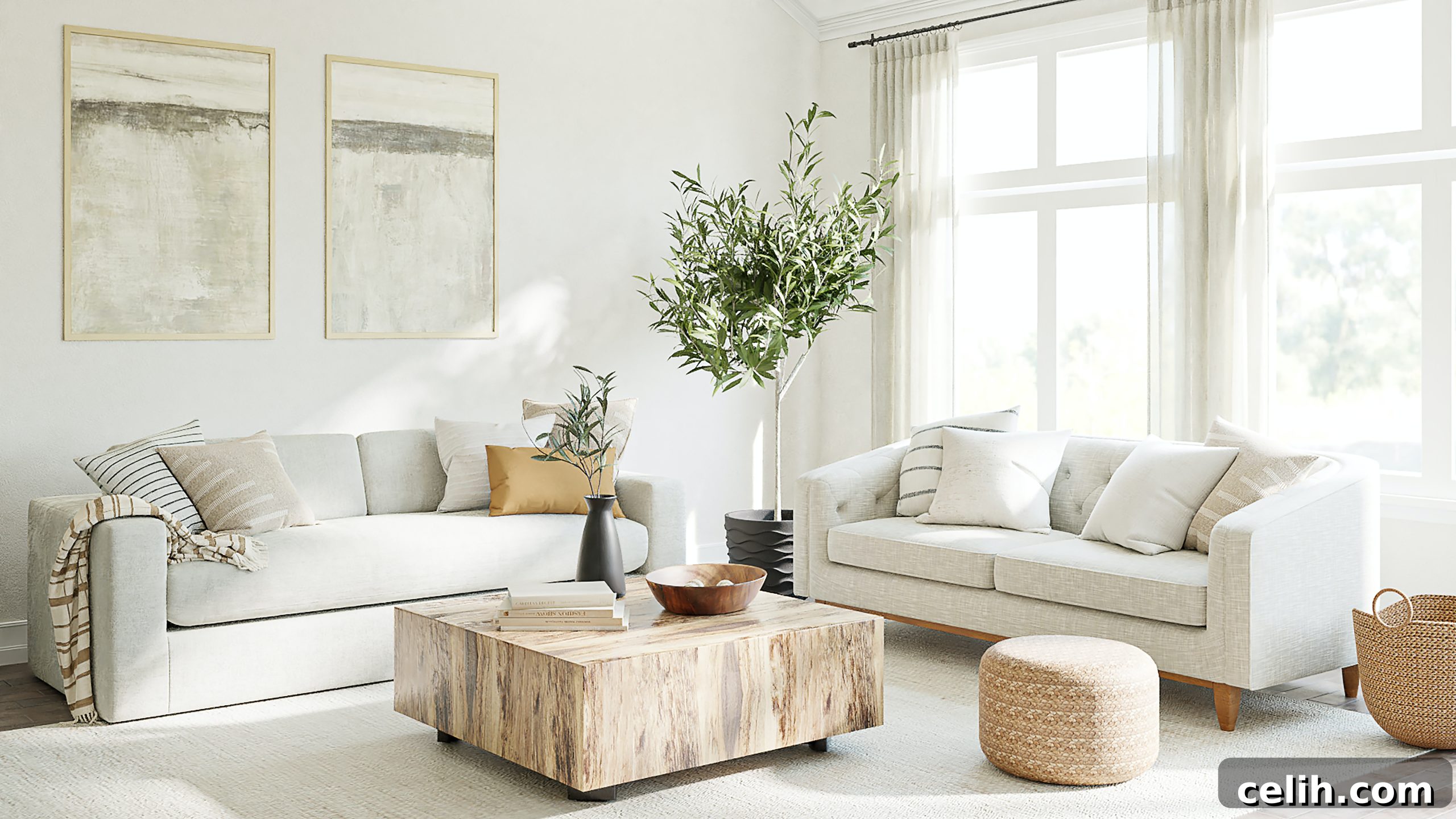
Transforming your living space into a minimalist sanctuary is an art form that strikes a delicate balance. On one hand, excessive sparseness can render a home cold and uninviting, lacking the warmth essential for comfort. On the other, veering too far into the realm of adornment can quickly lead to clutter and visual chaos, defeating the very purpose of minimalism. The essence lies in cultivating a serene environment that fosters peace, clarity, and functionality without sacrificing personality or coziness.
Achieving this harmonious equilibrium requires intentional design choices and a disciplined approach to decor. This guide is crafted to walk you through the core principles of minimalist interior design, offering actionable advice to help you create a home that is both elegantly simple and deeply welcoming. Discover how to curate your space with purpose, ensuring every element contributes to a sophisticated, clutter-free, and truly minimalist aesthetic.
Establishing a Serene Foundation with a Neutral Base
The cornerstone of any successful minimalist interior is a thoughtfully chosen neutral color palette. This isn’t merely a design preference; it’s a strategic decision that underpins the entire aesthetic, creating a sense of calm, openness, and timeless elegance. Neutral tones like crisp whites, muted greys, and warm beiges serve as a clean canvas, allowing the architectural lines of your home and the textures of your furnishings to truly shine.
Opting for a primary base color and extending it across significant surfaces such as walls, ceilings, and even flooring establishes a cohesive and expansive feel. Imagine the seamless flow created when your walls, ceilings, and large furniture pieces like sofas or beds share a similar, harmonious hue. This unity prevents visual fragmentation, contributing to the tranquil and uncluttered atmosphere that minimalist homes are celebrated for. When selecting your neutral shades, consider the undertones; a warm white can create a cozy ambiance, while a cool grey might lend a more modern and crisp edge. This intentional selection of your base color provides the perfect backdrop, allowing future accent pieces to introduce subtle splashes of personality without overwhelming the serene core of your design.
Choosing Your Dominant Neutral Tone
While white is often synonymous with minimalism, the spectrum of neutral colors offers a wealth of choices. Beyond pure white, consider ivory, cream, off-white, and various shades of grey, from a soft dove grey to a deeper charcoal. Beiges and taupes bring earthy warmth and sophistication. The key is to select a primary color that resonates with you and establishes a consistent, unifying presence throughout your space. This consistent base not only enhances the minimalist aesthetic but also creates a restful visual experience, allowing your mind to feel uncluttered, much like your physical environment.
Extending the Neutrality Beyond Walls
To truly embed your chosen neutral base, consider incorporating it into your flooring and larger furniture pieces. Light-colored hardwood, polished concrete, or subtle, textured carpets in grey or beige can ground your design. When it comes to furniture, a sofa upholstered in a neutral linen or cotton blend, or wooden pieces with light, natural finishes, will seamlessly integrate into your minimalist theme. This approach ensures that the fundamental elements of your room contribute to the calm and cohesive environment, setting the stage for thoughtful layering and purposeful accessorizing later on.
Mastering the Art of Decluttering and Organized Living
Clutter is unequivocally the arch-nemesis of minimalism. Even the most meticulously planned minimalist design can be instantly undermined by surfaces strewn with mail, forgotten trinkets, or miscellaneous items lacking a designated home. A truly minimalist environment thrives on order and intentionality, where every object serves a purpose or evokes joy, and everything has its place. Cultivating a clutter-free home is not just about aesthetics; it’s about fostering a sense of peace and mental clarity, reducing visual noise that can contribute to stress.
Maintaining a clean and organized living space is paramount in a minimalist home. This commitment necessitates thoughtful storage solutions, especially for items you cherish but don’t wish to display. Investing in stylish, functional storage units that seamlessly blend into your existing decor is a smart strategy. Think built-in cabinetry that mirrors your wall color, sleek media consoles with hidden compartments, or elegant baskets and bins made from natural materials. These solutions allow you to keep your cherished possessions without compromising the spacious, open feel of your minimalist design. The goal is to ensure that even the items not in immediate use are neatly tucked away, preserving the tranquil and uncluttered essence of your home.
Strategies for Effective Decluttering
Embarking on a decluttering journey can be liberating. Start by evaluating each item in your home. Ask yourself: “Does this item serve a practical purpose?”, “Does it bring me joy?”, or “Do I truly need this?”. Methods like the KonMari method, which encourages keeping only what “sparks joy,” can be incredibly effective. Consider the “one in, one out” rule, where for every new item you bring into your home, one old item must leave. This mindful approach prevents new clutter from accumulating and helps maintain the integrity of your minimalist space.
Embracing Smart and Hidden Storage Solutions
For a truly minimalist look, closed storage is your best friend. Look for furniture pieces that offer dual functionality, such as ottomans with internal storage, beds with built-in drawers, or benches with lift-top compartments. Wall-mounted shelving can be used sparingly for carefully curated decorative items, but for everyday essentials, drawers and cabinets keep surfaces clear and visually calm. Choosing storage solutions that match your neutral base color or are made from complementary natural materials will ensure they blend harmoniously into your decor, becoming an integral part of the design rather than an eyesore.
Harnessing the Illuminating Power of Natural Light
The strategic incorporation of natural light is a hallmark of exceptional minimalist design, transforming interiors from merely functional to profoundly inviting. While minimalist homes often lean into white and off-white tones for their primary palette, relying solely on artificial, cool-toned lighting can inadvertently create a sterile or clinical atmosphere. Natural light, with its inherent warmth and dynamic quality, acts as a vital counterpoint, softening crisp edges, highlighting textures, and injecting life into every corner of your home. Embracing abundant natural light ensures your minimalist sanctuary feels expansive, energetic, and genuinely welcoming.
To maximize the influx of natural light, consider your window treatments carefully. Minimalist blinds, crafted from light-filtering voile or dimout materials, are ideal choices. They offer privacy while still allowing a soft, diffused glow to permeate your space, preventing harsh direct sunlight and creating a serene ambiance. Beyond blinds, the strategic placement of mirrors can dramatically amplify natural light, reflecting it across rooms and visually expanding smaller areas. By consciously harnessing daylight, you can cultivate a brighter, more open, and less clinical home environment, embodying the serene and airy essence of true minimalist living.
Choosing the Right Window Treatments
When selecting window coverings for a minimalist home, simplicity and functionality are key. Opt for treatments that are sleek, understated, and allow for maximum light control without drawing undue attention. Roller blinds, cellular shades, or slim-profile Venetian blinds in neutral colors like white, grey, or natural wood tones are excellent choices. Materials such as sheer linen, cotton voile, or light-filtering synthetics will soften direct sunlight while maintaining a bright, open feel. Avoid heavy drapes or overly ornate valances, which can introduce visual clutter and block precious light. The goal is to frame your windows elegantly, not to obscure them.
The Transformative Power of Mirrors
Mirrors are not just for checking your reflection; they are powerful tools in minimalist design for manipulating light and space. Strategically placed, a large mirror can reflect natural light from a window, making a room feel significantly brighter and more spacious. Consider positioning a mirror opposite a window or in a corner that receives direct light. Opt for mirrors with simple, thin frames—or even frameless designs—to maintain the clean aesthetic. This thoughtful placement not only enhances illumination but also adds depth and an interesting visual element to your minimalist interior.
Creating Depth and Interest Through Contrast
In the realm of minimalist design, simplicity doesn’t equate to blandness. Instead, it offers a sophisticated backdrop against which thoughtfully chosen elements can truly shine. The final, yet crucial, step in crafting a minimalist masterpiece is the strategic use of contrast to draw the eye and infuse your home with personality and depth. This is where you can introduce carefully curated splashes of color, texture, or unique forms, breaking the monotony of a neutral palette without sacrificing the core principles of minimalism. The key is judiciousness; remember, true minimalism champions quality over quantity, ensuring each accent piece is intentional and impactful.
Decor pieces that might blend seamlessly into a busier, more maximalist setting absolutely “pop” and command attention within a minimalist environment. Against a clean, uncluttered background, a single vibrant object, a piece with compelling texture, or an intriguing sculptural form gains immense power. Contrasting elements, whether through bold colors or varied materials, evoke emotion and stimulate visual interest. Therefore, exercise restraint and precision when selecting accessories. A solitary, striking piece of wall art, a lush potted plant in a unique planter, a couple of textured throw cushions, or a natural fiber rug can inject essential life and warmth into your home, transforming it into a dynamic yet serene sanctuary.
Beyond Color: Exploring Textural Contrast
While color is an obvious way to create contrast, texture offers a more subtle yet equally impactful dimension in minimalist design. Introduce varying textures to add richness and warmth without adding visual clutter. Imagine a plush wool rug against sleek, polished concrete floors, or soft linen throw pillows on a smooth leather sofa. Natural materials such as rough-hewn wood, woven jute, smooth ceramic, and cool metal can be juxtaposed to create a tactile and visually engaging experience. This interplay of textures adds depth and sophistication, making your minimalist space feel more inviting and less austere.
Curating Focal Points with Purpose
In a minimalist home, every decorative item should be a focal point, chosen for its beauty, functionality, or sentimental value. Instead of multiple small pieces, opt for one or two larger, more impactful items. This could be a striking piece of abstract art, a beautifully crafted sculptural vase, or a unique floor lamp. These carefully selected elements draw the eye and prevent the space from feeling sparse. When introducing color, use it sparingly in these focal points—a vibrant accent pillow, a colorful book on a coffee table, or a dynamic plant in a distinctive pot. Each item should tell a story or serve a clear purpose, contributing to the overall harmonious aesthetic without overwhelming the space.
Curated Furnishings: Form Meets Function
The selection of furniture in a minimalist home transcends mere aesthetics; it’s a deliberate act of choosing pieces that embody both elegant simplicity and paramount functionality. Each item should earn its place, contributing to the room’s purpose while maintaining uncluttered visual lines. This principle guides the choice towards furniture with clean, simple silhouettes, devoid of excessive ornamentation, allowing the quality of materials and craftsmanship to speak for themselves.
Investing in high-quality, durable furniture is a cornerstone of minimalist living. Rather than chasing fleeting trends, opt for timeless designs crafted from natural materials like solid wood, sleek metal, or quality upholstery. Multi-functional pieces are particularly valuable, maximizing utility without requiring additional items. Consider a coffee table with hidden storage, an ottoman that doubles as extra seating, or a sofa bed for unexpected guests. Pay close attention to scale and proportion, ensuring that each piece fits comfortably within your space, allowing for ample open areas and ease of movement. The aim is to create an environment where every piece of furniture supports a serene lifestyle, enhancing both the beauty and practicality of your home.
Simplicity in Form and Material
When selecting furniture, look for pieces with straightforward designs and natural materials. Think about a dining table with clean lines made from solid oak, or chairs with minimalist frames and comfortable, unembellished seats. Fabrics for upholstery should be natural wherever possible—linen, cotton, or wool in neutral tones. These materials not only contribute to the serene aesthetic but also offer durability and a pleasant tactile experience. Avoiding bulky or overly elaborate furniture helps to maintain the open and airy feel essential to minimalist interiors.
Multi-functional Furniture for Maximized Space
One of the most effective strategies for maintaining a minimalist, clutter-free home is to incorporate multi-functional furniture. A storage bench in the entryway, a coffee table with built-in drawers, or a modular shelving unit that can adapt to different needs are all excellent examples. These pieces help to declutter by providing discreet storage, making every square inch of your home work harder. They embody the minimalist ideal of efficiency and intelligent design, allowing you to live comfortably with fewer items.
Thoughtful Incorporation of Greenery and Art
To prevent a minimalist space from feeling too stark, the intentional introduction of greenery and art is crucial. These elements serve as vital conduits for injecting life, organic warmth, and personal expression into your home, balancing the clean lines and neutral palette with vibrant touches. However, the key lies in thoughtful curation; rather than filling every available space, select a few impactful pieces that truly resonate and enhance the room’s tranquil atmosphere.
Indoor plants, with their natural forms and varying shades of green, are perfect for adding organic softness and a breath of fresh air. They bring life into a room, improve air quality, and can serve as sculptural elements. Similarly, art in a minimalist setting functions as a powerful focal point. A single, captivating piece of wall art—be it abstract, a landscape, or a photograph—can convey emotion and personality without overwhelming the space. The beauty of minimalism allows these carefully chosen elements to truly stand out, making a significant statement through their presence rather than their quantity.
Bringing Nature Indoors with Plants
Plants are an ideal way to introduce life and color into a minimalist home without creating clutter. Opt for varieties with strong architectural shapes like a Snake Plant, Fiddle-Leaf Fig, or Monstera. Place them in simple, understated planters that complement your decor—think ceramic, terracotta, or concrete pots in neutral tones. A single large plant can become a dramatic focal point, while smaller plants can add subtle touches of green on shelves or windowsills. Beyond their aesthetic appeal, plants offer numerous benefits, including air purification and a calming presence, further enhancing the serene environment of your minimalist space.
Curating Art with Intent
In a minimalist interior, art becomes a powerful statement. Instead of a crowded gallery wall, choose one or two significant pieces that resonate with you. This could be a large-scale abstract painting, a serene landscape photograph, or a minimalist print with geometric shapes. Simple, thin frames in black, white, or natural wood ensure that the focus remains on the artwork itself. Art should evoke emotion and add a layer of personal narrative to your space. Similarly, a small, carefully chosen collection of books, arranged neatly, can add intellectual warmth without disturbing the minimalist aesthetic.
Embracing Simplicity in Everyday Living
Adopting a minimalist approach to home decor is more than just a design trend; it’s a profound commitment to an intentional lifestyle. It encourages a shift in perspective, moving away from consumerism and toward appreciating quality, functionality, and the inherent beauty of uncluttered spaces. A minimalist home, therefore, becomes a reflection of a minimalist mindset—a sanctuary designed to foster peace, reduce stress, and enhance clarity in daily life.
This lifestyle choice extends beyond the visual arrangement of furniture and accessories. It’s about being mindful of what you bring into your home, regularly assessing what truly serves you, and letting go of the superfluous. The continuous process of decluttering and refining your space is not a chore but an ongoing practice that reinforces a sense of calm and control. Ultimately, a minimalist home is not just an aesthetically pleasing environment; it’s a living space that actively supports a peaceful, focused, and truly fulfilling way of life.
Creating a minimalist home is a journey of thoughtful choices, from the foundational neutral palette to the final curated accent. By embracing decluttering, maximizing natural light, and strategically introducing contrast and functional furnishings, you can transform your home into a haven of tranquility and style. Start small, be patient, and enjoy the profound sense of peace that an intentional, minimalist living space can bring into your life.