
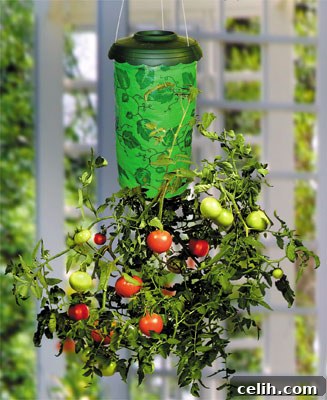
Gardening in small spaces can often feel like a challenge, especially when you dream of harvesting your own fresh produce. However, innovative solutions like the upside-down hanging planter are transforming the way we think about urban and balcony gardening. This ingenious method, which recently caught attention on shows like Gardener’s World, offers a unique and highly effective approach to cultivating various plants, from succulent tomatoes to aromatic herbs and sweet strawberries.
Imagine fresh, vine-ripened tomatoes or fragrant basil leaves, easily accessible right outside your window or on your patio, even if you lack a traditional garden plot. Upside-down planters make this a tangible reality, providing a smart, space-saving alternative for enthusiastic gardeners with limited outdoor room. Their distinctive design not only adds a touch of novelty to your green space but also brings a host of practical benefits that enhance plant health and simplify maintenance.
The Genius Behind Upside-Down Planters
At its core, an upside-down planter is a container designed to suspend a plant with its root system at the top and its foliage growing downwards through an opening at the bottom. This unconventional orientation leverages gravity to the plant’s advantage, directing water and nutrients directly to the roots and creating an optimal growing environment. The image above beautifully illustrates such a planter, ready to bring greenery and fresh produce to your home.
The planter’s clever engineering is evident in its user-friendly design. Once the plant is securely positioned and the potting mix is added, watering becomes incredibly simple. Many models, like the Topsy Turvy, feature a built-in funnel at the top, allowing for easy and direct water delivery. This efficient system ensures that moisture reaches the roots without excessive evaporation, a common issue with traditional ground-level containers.
Key Benefits of Choosing an Upside-Down Planter
Opting for an upside-down planter offers a myriad of advantages, making it an increasingly popular choice for both novice and experienced gardeners:
- Maximized Space Utilization: This is arguably the biggest draw. By hanging plants vertically, you free up valuable ground space, making them perfect for small balconies, patios, decks, or even indoors near a sunny window.
- Reduced Pest and Disease Problems: Elevating plants off the ground significantly reduces exposure to soil-borne pests and diseases that commonly affect crops. Slugs, snails, and certain fungi are less likely to reach your plants when they are suspended.
- Enhanced Air Circulation: Plants growing upside down enjoy better air circulation around their leaves and fruit. This can help prevent fungal issues like powdery mildew, which thrive in stagnant, humid conditions.
- Efficient Watering and Nutrient Delivery: Gravity works in your favor. Water poured into the top slowly seeps downwards, delivering moisture and dissolved nutrients directly to the root zone before reaching the foliage. This minimizes waste and ensures consistent hydration.
- Easier Harvesting: For certain plants like tomatoes, peppers, and strawberries, the fruit hangs down, making it incredibly convenient to pick without bending over or searching through dense foliage.
- Unique Aesthetic Appeal: An upside-down planter creates a visually striking focal point, adding a modern and artistic touch to any outdoor or indoor space. It’s a fantastic conversation starter!
- No Weeding Required: With plants suspended in their own isolated container, you can say goodbye to the tedious chore of weeding.
What Can You Grow in an Upside-Down Planter?
While often associated with tomatoes, these versatile planters are suitable for a surprisingly wide range of plants. Expanding your horizons beyond the typical can yield a bountiful and diverse harvest:
- Tomatoes: The classic choice! Determinate (bush) varieties or smaller cherry tomatoes are ideal due to their more compact growth habit. The fruit hangs freely, avoiding ground contact and making them less susceptible to rot and pests.
- Herbs: Imagine having fresh basil, mint, parsley, rosemary, or cilantro just steps away. Herbs thrive in these conditions, providing easy access for culinary delights.
- Strawberries: Sweet and juicy, strawberries are excellent candidates. Their berries hang down, staying clean and easy to pick, while deterring ground-dwelling pests.
- Peppers: Both sweet bell peppers and spicy chili peppers can be successfully grown upside down. Their fruit develops nicely, often with less support needed than in traditional pots.
- Cucumbers: Opt for bush varieties of cucumbers, which produce fruit on shorter vines. The cucumbers will dangle gracefully, making them simple to harvest.
- Eggplants: Smaller eggplant varieties can also be cultivated upside down, benefiting from reduced pest interaction and good air circulation.
- Small Squash/Zucchini: Compact or bush varieties of summer squash and zucchini can also be grown, though they may require more diligent watering and feeding due to their vigorous growth.
Setting Up Your Upside-Down Planter for Success
Getting started with your Topsy Turvy planter is straightforward, but a few key steps will ensure optimal growth:
- Choose the Right Plant: Select a healthy seedling or young plant with a sturdy stem. Avoid overly leggy plants.
- Prepare the Plant: Gently remove any excess leaves or small branches that might be damaged when threaded through the bottom opening.
- Thread the Plant: Carefully push the plant’s stem (roots first) through the opening at the bottom of the planter. Be gentle to avoid damaging the stem. The root ball should sit snugly inside the planter.
- Add Potting Mix: Fill the planter with a high-quality, lightweight potting mix. Leave a small gap at the top for watering. Avoid using heavy garden soil, as it can compact and impede drainage.
- Water Thoroughly: Water the planter generously immediately after planting, ensuring the soil is moist throughout.
- Hang in a Sunny Spot: Choose a location that receives ample sunlight – most fruiting plants need at least 6-8 hours of direct sun per day. Ensure the hanging point is strong enough to support the planter once it’s full of soil, water, and mature plants.
Maintaining Your Upside-Down Garden
While upside-down planters simplify many aspects of gardening, consistent care is still vital for a flourishing harvest. Here’s what you need to know:
- Watering: Due to increased exposure to sun and wind, upside-down planters can dry out faster than traditional pots. Check the soil moisture daily, especially during hot weather, and water as needed. The funnel system makes this task effortless.
- Fertilization: As plants grow and produce fruit, they deplete nutrients from the potting mix. Begin a regular feeding schedule with a balanced liquid fertilizer once plants start flowering or fruiting. Follow product instructions carefully.
- Pruning: For vigorous plants like tomatoes, occasional pruning can improve air circulation and direct energy into fruit production. Remove any yellowing leaves or suckers (side shoots) that aren’t contributing to the main growth.
- Pest and Disease Monitoring: Although reduced, pest and disease issues can still occur. Regularly inspect your plants for any signs of trouble and address them promptly with organic solutions if possible.
- Support (If Necessary): While many plants thrive hanging freely, exceptionally heavy fruiting plants might benefit from some additional support if their stems show signs of strain near the opening.
The Future of Compact Gardening
The rise of solutions like the Safield Topsy Turvy planter, available for only £9.99, signifies a growing demand for accessible and efficient gardening methods. Whether you’re an experienced gardener looking for new techniques or a beginner eager to grow your own food in a limited space, the upside-down planter offers an exciting and rewarding experience.
I am still contemplating my tomato planting strategy for this year, moving away from the conventional growbag setup, and these ingenious upside-down planters are definitely a strong contender. They offer not just a practical solution to space constraints but also an innovative way to interact with nature and enjoy fresh produce. Embrace the gravity-defying charm of upside-down gardening and discover a new dimension of urban horticulture!