
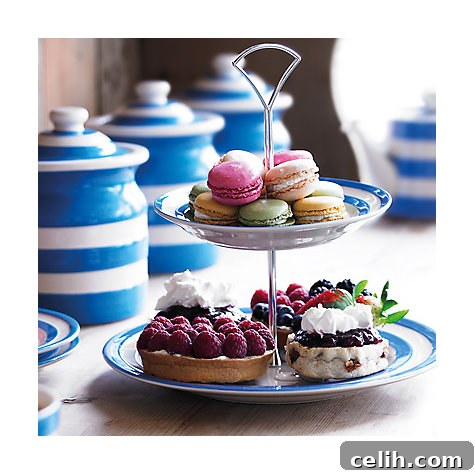
Step into almost any British home from the mid-20th century, and chances are you’d find a piece of distinctive blue and white striped pottery gracing a kitchen shelf or a dining table. You might not have known its name, but its iconic pattern is instantly recognizable. This beloved ceramic ware is, of course, Cornishware – a timeless classic that has captivated hearts for generations.
Launched in the roaring 1920s, Cornishware quickly became a household staple, its cheerful stripes bringing a touch of coastal charm to everyday life. It remained immensely popular through the 1950s, 60s, and 70s, epitomizing British kitchen style. While it briefly fell out of fashion, deemed “old-fashioned” during periods favoring minimalist designs, Cornishware has made a triumphant return. Today, its retro feel, clean lines, and vibrant aesthetic are back in vogue, cherished by collectors, interior designers, and new generations discovering its enduring appeal. This article delves into the rich history of Cornishware, its journey from a humble factory to a national treasure, and how you can incorporate its classic charm into your modern home.
The Enduring Legacy of Cornishware: A British Design Icon
Cornishware isn’t just pottery; it’s a piece of British heritage. Its distinctive blue and white stripes evoke a sense of nostalgia, reminding many of childhood memories spent in their grandparents’ kitchens. But its appeal goes beyond sentimentality. The clean, crisp lines and vibrant colour palette possess a remarkable versatility, allowing Cornishware to seamlessly blend with a myriad of interior design styles, from rustic farmhouse and coastal themes to contemporary minimalist and eclectic décors. It represents a quintessential blend of practicality and aesthetic pleasure, making everyday items feel special.
This timeless appeal has ensured its place in design history, demonstrating that true classics never truly fade. Instead, they adapt, evolve, and re-emerge, finding new ways to charm and inspire. Cornishware’s journey is a testament to the power of a simple, yet brilliantly executed, design concept.
A Glimpse into T.G. Green’s Vision: The Genesis of Cornishware
The fascinating story of Cornishware begins long before its iconic stripes were first painted. The pottery company, T.G. Green, was founded in 1864 by Thomas Goodwin Green. Legend has it that Green, a man with no prior experience in pottery, purchased an existing factory in Church Gresley, Derbyshire, during his honeymoon. This audacious move marked the birth of a company that would, decades later, produce one of Britain’s most beloved pottery ranges.
Initially, T.G. Green produced a variety of utilitarian earthenware, catering to the practical needs of Victorian homes. However, it was in 1924 that a truly revolutionary design emerged from their workshops: Cornishware. This marked a pivotal moment, transforming the company’s trajectory and embedding its name into the fabric of British design. The launch of Cornishware tapped into a burgeoning desire for colourful, cheerful household items that could brighten up kitchens and inject personality into daily routines.
The Inspiration Behind the Stripes: Why “Cornishware”?
Despite the pottery never actually being produced in Cornwall (the factory was in Derbyshire), the name “Cornishware” has a charming origin story. An employee, gazing at the vibrant blue and white striped pattern, was reminded of the picturesque Cornish coast – the brilliant blue skies meeting the dramatic white-crested waves crashing against the shore. This evocative image, coupled with the fact that Cornish clay was indeed used in the production process, provided the perfect moniker for the new range.
The pattern was an instant sensation. Its fresh, clean aesthetic was unlike anything else on the market, quickly capturing the public’s imagination. The iconic stripes soon appeared in contemporary advertisements, illustrations, and catalogues across the country, making Cornishware a familiar and coveted sight in homes nationwide. It wasn’t just crockery; it was a statement of style, a splash of joy, and a symbol of modern British living.
From Kitchen Essential to Cultural Icon: The Golden Era
Through the mid-20th century, Cornishware cemented its status as a British design icon. It was not merely functional; it was a celebrated part of everyday life. Its cheerful disposition brightened countless kitchens, from bustling family homes to quaint country cottages. The durability and timeless design meant that pieces were passed down through generations, accumulating stories and sentimental value along the way.
However, as tastes changed and mass production methods evolved, the original T.G. Green factory in Stoke-on-Trent struggled to keep pace. By 2007, the workshop, unable to compete with more modern manufacturing techniques and shifting market demands, sadly closed its doors. It seemed as though Cornishware, like many other beloved heritage brands, might fade into memory.
The Resurgence of Retro: Cornishware’s Modern Comeback
Fortunately, the story didn’t end there. The deep affection for Cornishware among its enthusiasts proved too strong to let it disappear. A dedicated team of devotees, driven by a passion for preserving this unique piece of British history, banded together to rescue the brand. This collective effort breathed new life into Cornishware, ensuring that its legacy would continue. Hooray indeed!
Today, Cornishware is experiencing a remarkable resurgence, finding its way into contemporary homes and hearts. Its retro charm and clean aesthetic perfectly align with current interior design trends that celebrate authenticity, craftsmanship, and a touch of nostalgic whimsy. Modern production techniques, while respecting the original design principles, have ensured that new Cornishware pieces meet today’s standards for quality and durability.
Beyond Blue: The Evolution of Cornishware
While the classic blue and white stripes remain the quintessential Cornishware look, the brand has also embraced innovation. For the first time, a full range of Cornishware is available in vibrant red stripes, offering a playful alternative to the traditional blue. This expansion allows collectors and home decorators even more versatility, catering to different colour schemes and personal preferences while retaining the unmistakable Cornishware identity. The timeless stripe pattern has proven adaptable, demonstrating its strength as a design motif.
Beyond new pieces, the market for vintage Cornishware continues to thrive. Pieces often surface in charity shops, antique markets, and auctions, with prices ranging from a few pounds for common items to several hundred for rare or exceptionally well-preserved examples. For collectors, spotting genuine pieces is key. Authentic Cornishware pottery will always carry the distinctive Cornishware stamp, or “backstamp,” underneath.
The Art of Collecting: Identifying Authentic Vintage Cornishware
For those drawn to the history and unique character of vintage items, collecting Cornishware can be a rewarding pursuit. The thrill of the hunt, discovering a forgotten gem in an antique shop or an online marketplace, is part of the charm. When seeking out vintage pieces, pay close attention to the backstamp – this is your guarantee of authenticity. While the design of the backstamp has evolved over the decades, its presence is crucial. Early pieces might have a simple T.G. Green & Co. mark, while later pieces clearly state “Cornishware” and sometimes include dates or specific factory codes.
Condition is also paramount. Look for chips, cracks, or significant crazing (a network of fine lines in the glaze) which can affect value. Rarity also plays a role; iconic pieces like teapots, large serving bowls, or unusual shapes will often command higher prices than standard mugs or plates. Remember, each vintage piece carries a story, a testament to its journey through time and the hands that cherished it.
Curating Your Cornishware Collection: Where to Buy
Whether you’re starting a new collection or looking to expand an existing one, acquiring Cornishware is easier than ever. For brand new pieces, the official T G Green website offers a comprehensive range, with prices typically starting around £12 for a classic mug. Many department stores, such as John Lewis, also stock Cornishware, allowing you to purchase online or experience the pottery in person.
For vintage and antique Cornishware, the hunt is part of the fun. Explore local charity shops, antique fairs, flea markets, and online auction sites like eBay or specialist vintage homeware retailers. These avenues offer the chance to discover unique, older pieces that carry a rich history and a unique patina of time. Always ensure to verify authenticity through backstamps when purchasing vintage items.
Complementary Homeware: Enhancing Your Cornishware Aesthetic
Part of Cornishware’s enduring appeal lies in its timeless stripes and bright, cheerful blue, which effortlessly complement almost any decor or colour scheme. Its versatility allows it to be the focal point or a subtle accent in your home. To help you create a fresh, retro, or even a modern coastal feel, we’ve curated a selection of complementary products that echo Cornishware’s charm and design philosophy. These items range from paints to textiles and other ceramic pieces, all designed to enhance your living space with that familiar blue and white serenity.
Cornish Ware Paint No 48, Designers Guild
Capture the essence of Cornishware with this endlessly cheerful paint colour, reminiscent of the famous pottery’s signature blue. This shade would make a truly lovely feature wall in a kitchen or a playful accent in a dining area, instantly infusing the space with a sense of warmth and retro charm. Available in four versatile finishes: matt emulsion for a soft, contemporary look; water-based eggshell for durability in high-traffic areas; oil-based eggshell for a classic, robust finish; and a dedicated floor paint for a truly immersive colour statement. Prices start at an accessible £5 for a sample pot from Designers Guild, allowing you to try before you commit to transforming your space.
Scattered Anchor Paper Napkins, Seasalt Cornwall
Infuse your afternoon tea or casual dining with a charming coastal vibe using these lovely paper napkins. This pack of 20 features unique prints inspired by the very region that gave Cornishware its name – Cornwall itself. The scattered anchor motif beautifully complements the nautical feel often associated with blue and white stripes, making them a perfect foil to your Cornishware mugs and teacups. Priced at just £3.50 for the pack from Seasalt Cornwall, these napkins add a delightful, cohesive touch to your table setting, ideal for informal gatherings and everyday use.
Short Coffee Cup in Blue Stripe, Decorator’s Notebook
For those who appreciate an eclectic mix in their kitchenware, these stripy mugs offer a wonderful way to complement your existing Cornishware pieces. Their design harmonizes beautifully with the classic blue and white aesthetic, while adding a unique, artisanal touch. Importantly, these cups are thoughtfully designed to fit perfectly under most standard coffee machines, making them as practical as they are stylish. Each cup is a testament to global craftsmanship, individually hand-thrown by skilled fair trade partners in India. Available in a range of glaze colours, you can mix and match to create a truly personalized collection. At £8.95 each, these charming cups will soon be available from Decorator’s Notebook, offering a beautiful blend of traditional design and ethical production.
Uka Stripe Bowl in Blue, Nkuku
Add a touch of refined elegance to your table with the Uka stripe bowl from Nkuku. This exquisite bowl is meticulously handmade from durable stoneware, ensuring both beauty and longevity. Each piece is a unique work of art, painted by hand with a delicate stripe pattern that draws inspiration from traditional Japanese designs. The result is a subtle yet striking aesthetic that pairs wonderfully with the bolder lines of Cornishware, creating a layered and sophisticated look. These versatile bowls are perfect for serving soups, cereals, or even as charming small decorative storage pieces around your home. Priced at £12.95 each, they are available in different colours from Nkuku, allowing you to curate a collection that reflects your personal style.
Bistro Napkins in Blue, Ville et Campagne
Elevate your summer dining table with a fresh and inviting touch using these generously sized bistro napkins. Measuring a substantial 50cm x 50cm, they offer both elegance and practicality. Crafted from pure, high-quality cotton, these napkins are designed for durability and a soft feel, making every meal a more luxurious experience. Available in a choice of five vibrant colours, including a classic blue stripe that beautifully complements your Cornishware collection, they allow for flexible styling. Priced at £22 for a set of four from Ville et Campagne, these bistro napkins are an effortless way to add a touch of sophistication and colour to any meal, enhancing the overall aesthetic of your dining space.