
Unlock the Full Potential of Your Home: 40 Expert Tips to Make Small Rooms Look Bigger
Do you ever find yourself gazing at a compact living space, wishing it offered more breathing room? Are you tired of rooms that feel cramped, cluttered, and restrictive? You’re not alone. Many homeowners grapple with the challenge of maximizing small areas, but the good news is that clever interior design and strategic decorating choices can dramatically alter perceptions of space. It’s not about physically expanding your walls, but rather mastering the art of visual trickery to create an illusion of grandeur and openness.
Transforming a small room into a spacious sanctuary is more achievable than you might think. By applying a few fundamental decorating principles and imaginative techniques, you can make any compact area feel significantly larger and more inviting. This comprehensive guide will equip you with 40 practical, budget-friendly, and often simple ways to infuse your small rooms with a sense of expansiveness. From mastering color psychology to optimizing furniture placement, these expert tips will help you create a more comfortable and aesthetically pleasing environment without undertaking costly renovations. Say goodbye to neglected small spaces and hello to a home that feels effortlessly expansive!
Setting the Foundation: Decluttering and Simplification
Before diving into decorative elements, the groundwork for a spacious room begins with organization and visual clarity. These initial steps are crucial for creating a clean slate that allows other design techniques to truly shine.
- Declutter Ruthlessly to Create Open Space: The first and arguably most crucial step in making any small room feel larger is to eliminate clutter. This goes beyond mere tidiness; it’s about curating your space to maximize visual openness. Overstuffed shelves, numerous decorative items, and scattered belongings can quickly make a room feel cramped and chaotic. Embrace a minimalist approach by limiting the number of accessories and knick-knacks you display to only a few cherished, impactful items. Consider rotating your decorative pieces seasonally or as your mood changes to keep things fresh without adding visual noise. A clean, uncluttered environment instantly allows the eye to travel freely, giving the impression of more expansive surroundings.
- Embrace Simple Decor and Minimalist Aesthetics: Intricate patterns, busy prints, and overly complex furniture designs can overwhelm a small space, making it feel even smaller. To foster an airy atmosphere, keep your decor simple and streamlined. Opt for clean lines, understated textures, and a cohesive design scheme. This applies to everything from wallpaper and fabrics to furniture and accessories. A less “busy” environment reduces visual noise, allowing the room to feel more organized and spacious. Think elegance in simplicity, where every item serves a purpose or adds subtle beauty without dominating the view.
Mastering Color Psychology and Wall Treatments
Color is arguably the most influential element in interior design, especially when aiming to manipulate the perception of space. Strategic color choices can dramatically expand a room’s visual boundaries.
- Utilize Light Colors to Expand Visual Boundaries: Color is one of the most powerful tools available to help create a look of space. Lighter colors, such as whites, creams, soft grays, and pastels, have a reflective quality that makes walls appear to recede. This optical illusion creates a sense of greater distance, making a room feel significantly larger and brighter. Conversely, dark colors tend to absorb light and make surfaces appear closer, thus shrinking the perceived size of a room. When selecting fabrics or wallpapers, always prioritize options with a light background to achieve an expansive effect.
- Opt for Cool Color Palettes: Beyond just lightness, the temperature of your chosen colors plays a vital role. Cool colors like various shades of blue, green, and even some violets are known for their receding properties. They naturally give the impression of pushing walls farther away, creating a sense of calm and openness. In contrast, warm colors such as reds, oranges, and deep yellows tend to advance visually, making surfaces feel closer and more intense. This is why caution signs often use warm, advancing colors. By leaning into cool tones, you can subtly yet effectively enlarge your living areas.
- Implement a Monochromatic Color Scheme with Depth: A monochromatic color scheme is a sophisticated technique for creating a cohesive and spacious feel, but it doesn’t mean boring uniformity. Instead, it involves using various shades, tints, and tones of a single color throughout the room. The key to making it interesting lies in incorporating diverse textures and materials. For example, a room designed around a soft gray might feature a lighter gray wall, a darker gray rug, shiny metallic accents, and textured linen upholstery. This approach ensures visual harmony and continuity, preventing the eye from being interrupted by stark contrasts, which in turn helps the room feel larger.
- Avoid Stark Contrasting Colors: While a splash of accent color can be exciting, excessive use of high-contrast colors can fragment a small space and make it feel choppy and confined. Colors that blend seamlessly or offer subtle variations create a sense of continuity, allowing the eye to flow uninterrupted across the room. A brightly contrasting element can draw too much attention to itself, making other parts of the room seem to shrink in comparison. Aim for a harmonious palette where colors complement each other rather than competing, fostering a serene and expansive atmosphere.
- Paint Trim and Molding Lighter Than Walls: This clever optical trick leverages the principles of light and shadow to create an illusion of depth. By painting your wall trim and molding a shade or two lighter than the walls themselves, you effectively make the wall appear to recede further back. Lighter objects typically seem closer, while shadowed or darker areas appear more distant. When the trim is lighter, your eye perceives the wall as being in shadow relative to the trim, thereby pushing it visually farther away and adding an unexpected sense of dimension to the room.
- Synchronize Floor and Ceiling Colors (Lighter Approach): Extending the visual trickery, painting the floor the same color as the ceiling—especially if it’s a lighter shade than the walls—can further enhance the feeling of space. Since ceilings are typically lighter than walls, matching the floor to this lighter shade makes the walls appear darker by comparison. This creates a similar “shadowed” effect on the walls, encouraging the eye to perceive them as more distant. It’s a subtle but effective way to contribute to the overall expansive illusion.
Flooring Solutions for an Expansive Feel
The foundation of your room, the floor, offers significant opportunities to contribute to an open and airy aesthetic. Smart flooring choices can unify and expand the visual footprint of a small space.
- Minimize or Avoid Area Rugs: While area rugs can add warmth and define zones in larger rooms, in a small space, they can have the opposite effect. A rug breaks up the continuous expanse of the floor, creating visual interruptions that make the room feel segmented and thus smaller. If a rug is essential for comfort or style, choose one that is close in color to your existing flooring. This minimizes contrast and maintains a more seamless flow, allowing the floor to appear as one continuous surface.
- Opt for Oversized Tiles with Minimal Grout: When selecting flooring tiles, size matters significantly in small rooms. Larger tiles minimize the number of grout lines and the overall pattern on the floor, reducing visual clutter and creating a more expansive, uninterrupted surface. Furthermore, consider rectified porcelain tiles; these are cut precisely, allowing for much tighter grout lines (or even no visible grout in some installations). This consistency in size and minimal seam visibility contributes to a smoother, more unified floor, enhancing the perception of space.
- Lay Tiles Diagonally for Dynamic Flow: A less common but highly effective technique for floors is to lay tiles (or even wood planks) diagonally. Instead of directing the eye straight across the room, diagonal lines lead the gaze along the longest possible dimension from corner to corner. This dynamic orientation creates a sense of movement and draws the eye outwards, visually stretching the boundaries of the room and making it appear much larger and more interesting than it actually is.
- Maintain Consistent Flooring Across Adjacent Rooms: For homes with multiple small rooms, using the same flooring material and color consistently throughout connecting spaces can work wonders. This continuity eliminates visual breaks at doorways and thresholds, creating a seamless transition from one area to another. The eye perceives a larger, unbroken expanse, linking rooms together and fostering an overall impression of a more expansive and fluid living environment.
Harnessing the Power of Light and Reflection
Light is intrinsically linked to the perception of space. Maximizing both natural and artificial light sources, along with reflective surfaces, is paramount for making any small room feel bigger and brighter.
- Maximize Natural Light: Light is intrinsically linked to the perception of space. Dark, dimly lit corners shrink a room, making it feel enclosed and unwelcoming. Conversely, a well-lit room naturally feels more open and inviting. Maximize natural light by keeping windows unobstructed. Remove heavy drapes or choose lightweight, sheer fabrics that filter light without blocking it. The more natural light you can draw into a room, the airier and more spacious it will feel.
- Integrate Reflective Ceilings: Beyond just the walls, the ceiling can also be leveraged to enhance light and space. Incorporating reflective surfaces on your ceiling, such as tin tiles, polished plaster, or even specially designed reflective panels, can dramatically brighten a room. These surfaces bounce light back into the space, illuminating dark corners and visually lifting the ceiling, contributing to a more open and expansive atmosphere.
- Utilize High-Gloss Paint on Ceilings: A simpler and often more accessible way to achieve a reflective ceiling is by using high-gloss paint. The glossy finish acts like a subtle mirror, reflecting any available natural or artificial light down into the room. This amplification of light can make the ceiling appear higher and the entire space feel more open and airy, adding a touch of modern sophistication at the same time.
- Consider Adding a Skylight for Vertical Light: For rooms where maximizing horizontal light sources is challenging, a skylight can be a transformative addition. Skylights introduce a flood of natural light from above, which is incredibly effective at brightening a space. A skylight can provide approximately five times more natural light than a standard vertical window of the same size, dramatically opening up the ceiling and making the room feel taller and much more expansive.
- Employ Sconce Lights and Torchiere Lamps: Strategic artificial lighting can also work wonders. Sconce lights mounted on walls and torchiere (or torchier) lamps that direct light upwards are excellent choices for small rooms. These fixtures bounce light off the ceiling, illuminating it and preventing it from becoming a dark, oppressive element at night. When the ceiling is well-lit, the room feels taller and more expansive, rather than closing in as it would with a darkened overhead.
- Update Your Ceiling Light Fixtures: Most standard ceiling fixtures cast harsh, downward light that creates shadows and can make a room feel smaller and less inviting. Replace bulky, obtrusive fixtures with flush-mount or semi-flush-mount options that sit closer to the ceiling. Ensure they provide diffused, ambient light that minimizes shadows. Avoid fixtures that hang down too far, as these can visually lower the ceiling and diminish the sense of height.
- Create a “Lid Effect” with Ceiling Color Extension: To cleverly trick the eye into perceiving a higher ceiling, try extending your ceiling color about twelve inches down onto the top portion of your walls. This creates a visual “lid” effect where the ceiling color seamlessly merges with the wall for a short distance. This technique subtly blurs the line between wall and ceiling, making the transition less distinct and giving the illusion that the ceiling starts higher than it actually does.
Vertical Illusions: Walls and Ceilings
Beyond simple color, the way you treat your walls and ceilings can profoundly influence the perceived height and spaciousness of a room. Utilizing vertical lines and clever architectural enhancements can elevate your design.
- Paint Clouds or Murals on Walls/Ceiling: For a truly imaginative approach, especially delightful in children’s rooms, nurseries, or creative spaces, consider painting an expansive mural on the ceiling or upper walls. Depicting open skies with clouds, ethereal patterns, or vast landscapes can make these surfaces seem to disappear, offering an endless vista. This artistic technique effectively removes the sense of a confined boundary, creating a whimsical and significantly larger perceived space.
- Introduce Vertical Stripes on Walls: Vertical lines naturally draw the eye upwards, creating the illusion of greater height. Incorporating a vertical-striped pattern on your walls can effectively make the ceiling appear taller. While wallpaper is an option, painting stripes offers more flexibility. You can widen the stripes to minimize visual business and use different shades of the same color rather than stark contrasts, which softens the effect while still delivering the height-enhancing benefit without overwhelming the room.
- Install Crown Molding Over Windows and Doors: Adding decorative crown molding directly above windows and doors, rather than just at the ceiling line, is a sophisticated trick to make these openings appear taller. The molding acts as an extended frame, visually elongating the windows and doors upwards. This subtle architectural detail draws the eye vertically, contributing to the overall impression of greater room height and elegance.
- Frame the Ceiling with Molding or Wallpaper Borders: While molding is typically seen at the top of walls, applying it or a decorative wallpaper border directly to the ceiling itself, a few inches in from the wall, can also work wonders. This creates a framed effect on the ceiling, subtly pulling the eye towards the center and upwards, thereby making the walls appear taller. This technique adds an interesting architectural detail while serving a practical purpose in spatial perception.
Strategic Mirror and Artwork Placement
Mirrors are a designer’s secret weapon for small spaces, capable of creating instant depth and light. Artwork, when thoughtfully placed, can also guide the eye and enhance spatial illusions.
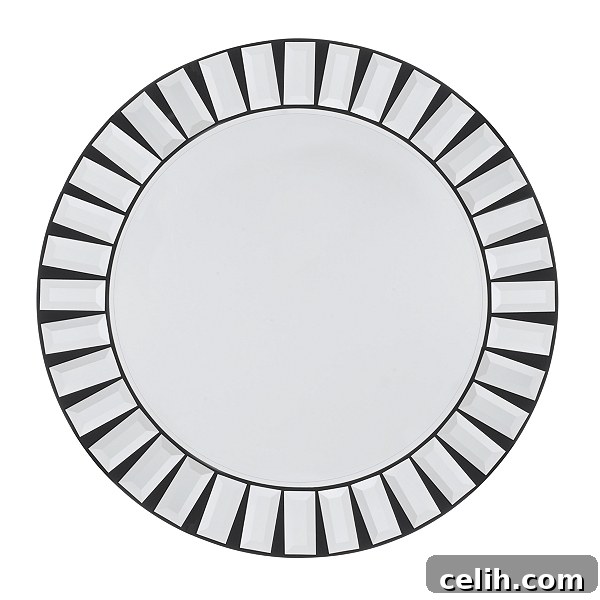
- Integrate Wall Mirrors Strategically: Mirrors are perhaps the most powerful tool for expanding a small space. They not only reflect light, brightening the room, but also create the illusion of depth by reflecting the room itself. Strategically place the mirrors opposite windows to bounce natural light around and reflect outdoor views, or next to artificial light sources to amplify their glow. A large mirror can effectively double the perceived size of a wall, adding immense visual depth.
- Hang Pictures Above Eye Level: To encourage the eye to travel upwards and perceive greater room height, hang your artwork or pictures a few inches higher than conventional eye level. This subtle shift draws the gaze towards the upper portions of the wall, making the walls feel taller and the room more expansive. It’s a simple adjustment that can yield surprisingly effective results.
- Utilize Vertical Artwork and Stacked Displays: Further emphasize verticality by choosing artwork that features vertical elements, such as images of tall trees, lighthouses, or towering buildings. When hanging multiple pictures, stack them vertically on the wall rather than spreading them horizontally. This reinforces the upward movement, adding a distinct sense of height and grandeur to the room.
- Employ Horizontal Artwork to Widen Narrow Walls: While verticality enhances height, horizontal elements can be used strategically to widen a narrow or rectangular room. On the shorter walls of a rectangular space, place artwork that incorporates strong horizontal lines or expansive scenes like beach horizons or mountain ranges. Using more than one piece, arranged horizontally, can amplify this effect, making the wall appear broader and the room less tunnel-like.
- Opt for Fewer, Larger Art Pieces Over Many Small Ones: In line with the principle of keeping decor simple and minimizing clutter, it’s generally better to choose one or two larger pieces of artwork for a small room rather than a multitude of smaller ones. Numerous small frames can create visual fragmentation and make a wall feel busy. If you must use multiple pictures, ensure they have similar frames and colors that either match or subtly blend with the wall color to maintain visual continuity.
Clever Window Treatments for Light and Height
Windows are vital sources of natural light and outdoor views. How you dress them can significantly impact a room’s perceived size, either enhancing openness or contributing to confinement.
- Choose Lightweight, Non-Contrasting Window Coverings: Heavy, dark, or patterned curtains can absorb light and visually shrink a window, and by extension, the room. Opt for lightweight, sheer, or gauzy fabrics that allow natural light to filter through. Crucially, choose colors that closely match your wall color to avoid stark contrasts that break up the visual flow. If possible, consider foregoing curtains entirely to maximize light and an unobstructed view. If privacy is a concern, light-filtering blinds or Roman shades can be a better alternative.
- Hang Curtains High and Wide: To create the illusion of a taller window and higher ceiling, install your curtain rod several inches above the window frame, extending it beyond the window’s width on both sides. This allows the curtains to hang mostly against the wall when open, maximizing the window’s light and view. The extra height visually elongates the window, drawing the eye upward. Adding a colorful valance that matches the curtain fabric can further enhance this vertical pull.
Intelligent Furniture Selection and Arrangement
The furniture you choose and how you arrange it plays a monumental role in determining whether a small room feels cramped or comfortably capacious. Scale, transparency, and multi-functionality are key considerations.
- Select Furniture with Clean and Simple Lines: When furnishing a small room, avoid bulky, ornate, or overly decorative pieces. Instead, prioritize furniture with clean, minimalist lines and a streamlined silhouette. Modern or contemporary designs often fit this criterion better than traditional, heavy Victorian-style pieces. Simple designs reduce visual weight and prevent the room from feeling overcrowded, allowing the eye to move freely.
- Avoid Oversized or Overstuffed Furniture: Proportion is key in small spaces. Furniture should always be scaled appropriately for the room. An oversized sofa or an overly plush armchair can quickly dominate a compact area, making it feel cramped and unbalanced. Choose pieces that are proportionate to the room’s dimensions, ensuring they don’t overwhelm the space but instead provide comfortable functionality without sacrificing precious visual real estate.
- Opt for Furniture with Exposed Legs and Open Arms: Furniture that sits directly on the floor or has heavy, solid bases can make a room feel denser and less open. Conversely, pieces with exposed legs and open armrests allow light to filter underneath and around them, creating pockets of visible floor space. This visual transparency makes the room feel airier and lighter, as more of the floor is visible, contributing to the perception of a larger area.
- Choose Fewer, Larger Pieces Over Many Small Ones: While counterintuitive, having a few substantial pieces of furniture can often make a small room feel more organized and spacious than a collection of many smaller items. Too many small pieces can create visual clutter and a chaotic feel. For example, a single well-proportioned sofa and an elegant armchair might work better than a loveseat and two smaller, mismatched chairs, creating a more unified and less “busy” look.
- Embrace Multi-Functional Furniture: In a small space, every piece of furniture should earn its keep. Opt for multi-functional items that serve more than one purpose. Examples include ottomans with hidden storage, sofa beds, nesting tables, or benches that double as seating and storage. These smart choices reduce the overall number of pieces needed in the room, freeing up floor space and enhancing efficiency without sacrificing utility.
- Place Large Furniture Diagonally: While it might seem to take up more space, positioning larger pieces of furniture (like a sofa or a bookshelf) at an angle against a wall can be surprisingly effective. This draws the eye diagonally across the room, which is typically the longest dimension, making the room feel more expansive. Furthermore, it creates unexpected negative space behind the furniture, which can be cleverly used for hidden storage or to house lighting, adding depth.
Transparent Elements and Smart Storage
Incorporating transparency and optimizing storage are final, yet critical, steps in creating a functional and seemingly larger small room. These elements minimize visual bulk and maximize usable space efficiently.
- Integrate Glass Tables and Surfaces: Glass furniture, particularly coffee tables and side tables, contributes significantly to an open and airy feel. Its transparency allows light to pass through and doesn’t block the visual flow of the room, making the space feel less cluttered and more expansive. You can also cover existing wooden tabletops with a glass table sheet; this protects the surface while adding a reflective quality that bounces light, further enhancing the sense of openness.
- Arrange Furniture Against Walls and Unblock Views: To maximize precious floor space and create clear pathways, arrange most of your furniture flush against the walls whenever practical. Avoid placing furniture in the middle of the room unless it’s a strategically chosen, transparent piece. Equally important, ensure that furniture does not obstruct windows or doorways. Keeping these views open allows light and sightlines to flow freely, connecting the room with adjacent spaces or the outdoors, which instantly makes it feel larger.
- Utilize Vertical Space with Taller Storage Units: When storage is a necessity, think upwards. Choose tall, slender bookcases, cabinets, or shelving units that draw the eye vertically. This not only maximizes storage capacity without consuming valuable floor space but also contributes to the illusion of higher ceilings. Taller pieces create a sense of height and elegance, making the room feel more substantial and organized.
- Conceal Electronic Equipment with Cabinets: Open shelves filled with electronic equipment like televisions, stereos, and gaming consoles can quickly create visual clutter and contribute to a disorganized feel, shrinking a small room. Invest in an entertainment unit or cabinet with doors that can hide away these items when not in use. A clean, uncluttered entertainment area allows the eye to rest and perceive the space as tidier and more expansive.
With these 40 inventive and practical strategies, transforming your small rooms into havens of spaciousness is well within reach. By thoughtfully applying principles of light, color, proportion, and strategic placement, you can create compelling illusions that make your home feel significantly larger and more comfortable. Remember, even the smallest adjustments can yield remarkable results, empowering you to embrace and celebrate every corner of your living space. Start experimenting today and unlock the true potential of your home!