
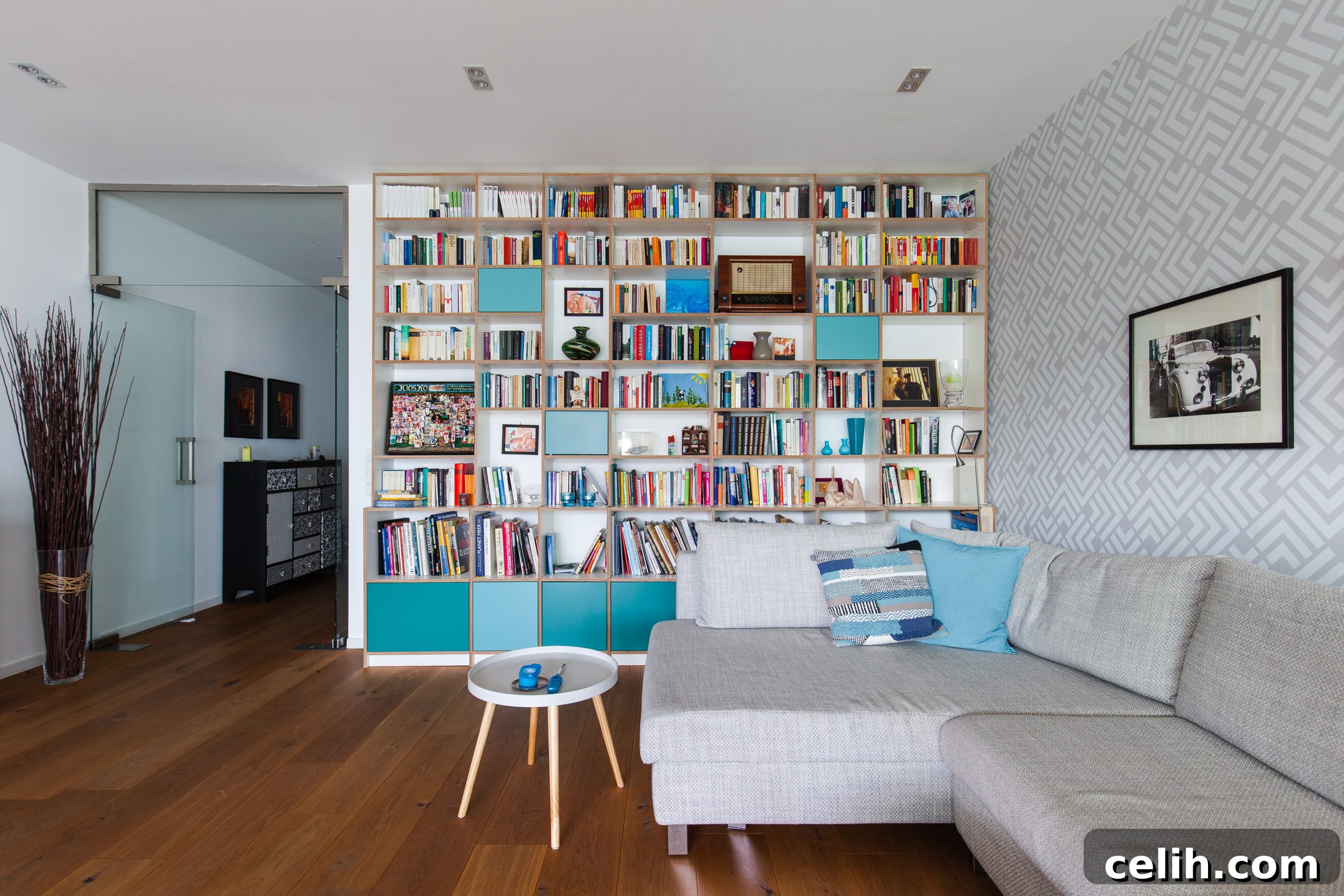
Do you love to immerse yourself in the enchanting world of books, losing track of time as you turn page after page? If so, you understand the profound joy and tranquility that a dedicated reading space can bring. A thoughtfully designed reading room is more than just a place to store books; it’s a personal sanctuary, a haven where comfort, inspiration, and quiet contemplation converge. It’s a space crafted to invite relaxation, stimulate the mind, and provide a much-needed escape from the daily hustle. Whether you’re a seasoned bibliophile or just beginning your literary journey, creating the perfect reading room can significantly enhance your reading experience and overall well-being. This comprehensive guide will walk you through essential tips and creative ideas to design an inviting, functional, and aesthetically pleasing reading room, tailored to your unique tastes and needs. From selecting the ideal location to perfecting every detail of the decor, get ready to transform a corner of your home into your dream literary retreat.
Pick The Perfect Spot
The foundation of an exceptional reading room begins with selecting its ideal location. This isn’t merely about finding an empty space; it’s about identifying a spot that inherently promotes peace and focus. Your chosen area should be strategically distanced from high-traffic zones within your home, such as busy hallways, kitchens, or entryways, to minimize disturbances. Furthermore, it should be free from common distractions like television screens, loud music systems, or external noise from a bustling street. A quiet environment is paramount for deep concentration and complete immersion in your chosen literature.
Consider the potential of various locations within your home. If you are fortunate enough to have a spare room, dedicating it entirely to a reading room or personal library offers the ultimate customization opportunity. This allows for comprehensive design and insulation from household activities. However, if a dedicated room isn’t feasible, look for underutilized corners or intimate nooks in existing spaces. A quiet corner in a living room, a seldom-used guest bedroom, or even a spacious landing can be transformed into an inviting reading sanctuary. The key is to find a spot that offers a sense of seclusion and calm.
Natural light is an invaluable asset when designing a reading space. A room or corner boasting ample windows is highly desirable, providing not only excellent illumination but also a soothing connection to the outdoors. Sunlight can positively impact mood and reduce eye strain, making your reading sessions more comfortable and enjoyable. When assessing natural light, consider the orientation of your windows. South-facing rooms typically receive abundant sunlight throughout the day, creating a bright and energizing atmosphere perfect for morning and afternoon reading. East-facing windows offer soft morning light, while west-facing windows bathe the room in warm afternoon glow. North-facing rooms provide consistent, diffused light, ideal for minimizing glare.
Beyond natural light, also think about privacy. A space that feels private, whether through its location or the addition of thoughtful elements like curtains or screens, enhances the sense of a personal retreat. Once you’ve identified a quiet, well-lit, and private spot, you’ve laid the essential groundwork for planning the intricate details of your bespoke reading haven.
List Your Must-Have Features
With the perfect location secured, the next crucial step involves conceptualizing the essential features that will define your reading room. This is where you begin to translate your vision of comfort and functionality into tangible elements. Foremost among these is comfortable seating. Every exceptional reading room demands a chair (or two!) that invites you to settle in for hours. We’ll delve deeper into seating options shortly, but for now, prioritize comfort and ergonomic support.
Complementing your seating, a small side table or ottoman is indispensable. This practical piece provides a convenient surface to rest your book, hold a cup of tea or coffee, place a pair of reading glasses, or even prop up your feet for ultimate relaxation. The strategic placement of these elements creates a self-contained zone of comfort.
Undoubtedly, a reading room necessitates ample storage for your literary collection. While we will explore diverse shelving solutions in detail later, recognize that accessible and aesthetically pleasing book storage is a non-negotiable feature. Beyond the core essentials of seating, a surface, and book storage, consider “added features” that elevate your experience. These are the thoughtful amenities that cater to your personal preferences and enhance convenience.
Perhaps you envision a subtle sound system for gentle background music, or a compact mini-fridge to keep beverages and snacks within arm’s reach, minimizing interruptions. For those who enjoy journaling, writing, or occasional work, integrating a small desk can transform your reading room into a dual-purpose study. The beauty of these optional features lies in their ability to personalize the space, making it uniquely yours. However, always ensure that any additions serve to enhance, rather than detract from, the room’s primary and sacred purpose: dedicated reading.
Design The Perfect Layout
Once you’ve identified your essential features and desired amenities, the exciting phase of designing the room’s layout begins. This is where creativity flourishes, as you arrange elements to maximize both functionality and aesthetic appeal, truly making the space a reflection of your individual style.
Efficient use of space is paramount, especially if your reading room is a cozy corner rather than a sprawling dedicated room. The layout should allow you to integrate all your storage solutions without making the seating areas feel cramped or cluttered. The actual reading zones – your comfortable chair(s) and accompanying side tables – should be the central focus of the room, around which all other elements are thoughtfully arranged. Envision yourself moving through the space, reaching for a book, or settling into your chair; the layout should facilitate these actions seamlessly.
Leverage the architectural features of your chosen spot. For instance, if your reading room boasts a large window, elevate it to a focal point. Position your primary seating area near this window to capitalize on natural light and create a visually appealing, relaxing environment. A window seat, if possible, is an ingenious way to incorporate both seating and a connection to the outdoors, often with built-in storage underneath.
Consider the flow and accessibility. Ensure there is enough clear space to comfortably get in and out of chairs, and to access bookshelves without obstruction. Group related items together; for example, a cozy armchair, a floor lamp, and a small side table form a complete reading station. For multi-functional rooms, define distinct zones. A desk for studying might be placed against a wall, while the reading nook occupies a corner with softer lighting. Strategic furniture placement can visually delineate these areas, even within a single room, creating a harmonious and organized environment that supports all your activities.
Choose The Colour Scheme
The colour scheme of your reading room is more than just an aesthetic choice; it’s a powerful tool that significantly influences the mood and atmosphere of the space. The hues you select can foster tranquility, stimulate creativity, or simply make the room feel more inviting. When aiming for a calm and serene retreat, soft, muted tones are your best allies. Shades of light blue, gentle green, lavender, or warm gray can create an incredibly soothing environment, perfect for unwinding and deep reading.
If your goal is a more stimulating or invigorating space, perhaps for a study where creative thinking is encouraged, consider warmer and brighter colours. Soft yellows can evoke feelings of cheerfulness and optimism, while subtle oranges can add a touch of energy without being overwhelming. However, balance is crucial; avoid excessively bold or vibrant colours on large surfaces, as they can quickly become distracting and disrupt the relaxing ambiance essential for a reading room.
You don’t have to limit yourself to a single colour throughout the entire room. Thoughtful colour layering can add depth and character. For instance, you might paint three walls in a neutral, calming shade and designate one wall as an accent wall, adorned with a slightly bolder hue or a tasteful wallpaper pattern. This technique introduces visual interest without sacrificing the overall sense of tranquility. Wallpaper can also introduce texture and subtle patterns, creating a sophisticated backdrop for your literary adventures.
A highly effective approach is to keep the dominant wall colours relatively subdued and neutral, using them as a canvas. Then, infuse bursts of vibrant colour through decorative elements such as cushions, throws, artwork, or even a statement armchair. This method allows for easy updates and ensures a harmonious balance between a restful primary palette and engaging pops of colour, preventing the room from feeling monotonous while preserving its core purpose as a peaceful sanctuary.
Get Some Comfortable Seating
The selection of comfortable seating is arguably the most critical element in creating the ultimate reading room. This is where you will spend countless hours, so investing in seating that offers exceptional comfort and support is paramount. The right chair should invite you to sink in and remain at ease for extended periods, making it effortless to lose yourself in a book.
An opulent armchair is a classic choice, offering deep cushions and sturdy armrests. Consider styles like a wingback chair for a traditional, enveloping feel, or a sleek club chair for a more contemporary look. Recliners provide the added luxury of adjustable backrests and footrests, perfect for those moments when you desire full relaxation. When choosing an armchair or recliner, pay attention to the upholstery; soft fabrics like velvet or chenille offer warmth and texture, while durable linen or performance fabrics provide practical elegance.
For those with more generous space, a luxurious leather sofa can transform your reading room into a sophisticated library retreat. Leather sofas exude a timeless, rustic charm that pairs beautifully with traditional library aesthetics, offering both durability and an inviting patina that deepens with age. The ample seating also allows for sharing the space with a loved one or simply sprawling out with multiple books and a blanket.
Don’t overlook less formal yet equally comfortable seating options. Beanbags or oversized floor cushions can add a playful, relaxed vibe, particularly appealing for younger readers or those who prefer lounging closer to the floor. If your room features a bay window, consider installing a custom bench with plush cushions, creating a delightful reading nook that maximizes natural light and offers additional seating. Integrating a variety of seating styles not only adds visual interest but also provides versatile options for different moods and guests, ensuring your reading room is always welcoming and perfectly suited for any occasion.
Add Bookshelves and Other Storage
A reading room, at its heart, is a tribute to the written word, and as such, it simply isn’t complete without thoughtfully designed bookshelves. These are more than mere storage units; they are the visual soul of your literary sanctuary, showcasing your treasured collection. Bookshelves come in an extensive array of styles, materials, and configurations, allowing you to find the perfect fit for your space and aesthetic. Consider built-in bookshelves for a custom, integrated look that maximizes vertical space and creates a true library feel. Freestanding bookcases offer flexibility and can be moved if your needs change, while modular shelving systems allow for customization and expansion.
When selecting bookshelves, evaluate both the horizontal and vertical dimensions of your room. If floor space is limited, taller bookcases or wall-mounted floating shelves can make excellent use of vertical space without encroaching on valuable real estate. Open shelving showcases your books prominently, while shelves with glass doors protect them from dust and add a touch of elegance. Materials like rich hardwoods, sleek metal, or even industrial-chic piping can define the character of your storage.
Beyond books, a well-organized reading room benefits from other forms of storage to maintain a tidy and serene environment. Consider closed storage options like small cabinets, chest of drawers, or even a stylish wardrobe to tuck away items that might create visual clutter, such as extra blankets, stationery, or electronic devices. These hidden compartments contribute to a clean aesthetic, ensuring that the room feels spacious and uncluttered rather than cramped.
Furthermore, incorporate display shelves or cubbies to exhibit personal mementos, art pieces, or unique bookends, adding character and warmth to your collection. Multi-functional furniture, such as ottomans with hidden storage or coffee tables with built-in shelves, can also provide ingenious solutions for keeping essentials close at hand yet out of sight. The key is to strike a balance: provide ample storage for all your necessities while ensuring the room remains an inviting and tranquil haven, free from distractions and disarray.
Get The Lighting Right
Achieving the optimal lighting scheme is absolutely fundamental to the success of a reading room. Effective lighting is not merely about illumination; it’s about crafting an atmosphere that supports prolonged reading sessions, reduces eye strain, and allows for mood adjustments. Ideally, your reading room should feature a layered lighting plan, incorporating a mix of different light sources to provide flexibility and enhance functionality.
Start with ambient lighting, which provides general illumination for the entire room. This could come from overhead fixtures like recessed lights, a stylish pendant, or a small chandelier, setting a comfortable base level of brightness. The crucial layer, however, is task lighting, specifically designed to illuminate your reading material. A well-placed floor lamp with an adjustable arm, or a table lamp positioned beside your main reading chair, is indispensable. Look for lamps that cast a focused beam of light directly onto your book, minimizing shadows and glare. Consider bulbs with a color temperature around 2700K-3000K (warm white) for a cozy atmosphere, or slightly higher (3500K-4000K, neutral white) for more concentration. Dimmable options are highly recommended for ultimate control.
Accent lighting can then be introduced to highlight specific features, such as a piece of artwork, a beautifully bound book on a shelf, or an architectural detail. Small spotlights or picture lights add depth and visual interest to the room. Importantly, integrate smart lighting solutions like dimmers or smart bulbs. These allow you to seamlessly adjust the intensity and even the color temperature of your lights, transforming the room’s ambiance at will. Imagine bright, focused light for an intense study session, effortlessly transitioning to a soft, warm glow when you want to unwind with a captivating novel. This adaptability ensures your reading room is perfectly lit for every occasion, protecting your eyes and enhancing your overall comfort.
Add Some Wall Decorations
Wall decorations are essential for infusing your reading room with personality, warmth, and visual interest, transforming it from a mere space into a truly personal sanctuary. These elements are the perfect opportunity to reflect your unique tastes, passions, and the overarching theme you wish to convey. Whether you lean towards a sophisticated traditional library feel or a bright, minimalist modern aesthetic, your wall decor can significantly amplify the room’s character.
Consider a carefully curated selection of artwork, such as paintings or prints that evoke a sense of calm or spark intellectual curiosity. Photographs, particularly those of serene landscapes, beloved literary figures, or cherished personal memories, can add a deeply personal touch. Posters featuring vintage book covers, literary quotes, or classic maps can tie directly into the room’s purpose, celebrating the art of reading and storytelling.
Tapestries or textile art can introduce texture, warmth, and a unique focal point, while also offering the practical benefit of dampening sound, contributing to a quieter environment. If your reading room is rich with bookshelves, don’t hesitate to use the exposed sections of shelves themselves for decorative purposes. Interspersed among your books, display elegant bookends, small sculptures, vintage globes, or cherished trinkets. These small details add depth and break up the visual monotony of endless spines.
When selecting wall decorations, remember the principle of balance. Avoid over-cluttering the walls or shelves, as this can make the room feel busy and detract from the peaceful atmosphere you’re trying to cultivate. Instead, opt for a few thoughtfully chosen pieces that resonate with you and complement the room’s color scheme and overall design. Each piece should contribute to the story and spirit of your reading haven, enhancing its charm without overwhelming its tranquility.
Get Some Blankets
In a reading room, comfort is paramount, and few elements contribute to a sense of cozy intimacy as effectively as soft furnishings. To truly make your space an inviting haven, ensure you have an abundance of plush blankets and comfortable cushions. These tactile additions are essential for curling up and getting truly comfortable, especially during cooler evenings or the chillier winter months, transforming your reading chair into an irresistible cocoon.
Select blankets that are thick, soft, and luxurious to the touch. Materials like cashmere, merino wool, faux fur, or high-quality cotton offer superior warmth and comfort. Choose colours that either harmonize with your existing colour scheme or serve as deliberate pops of accent colour, adding visual interest and depth to the room. Draped artfully over an armchair or folded neatly on a chaise lounge, blankets instantly communicate an invitation to relax and unwind.
Complement your blankets with a variety of cushions or throw pillows. These not only provide additional lumbar and neck support, enhancing ergonomic comfort during long reading sessions, but also add layers of texture and colour. Mix different sizes, shapes, and fabrics to create a rich, inviting aesthetic. For instance, a velvet cushion paired with a chunky knit throw creates a luxurious and cozy feel.
If your reading room features hard flooring, such as hardwood or tile, consider the addition of a beautiful area rug. Beyond adding a significant layer of style and defining the space, a rug provides crucial warmth underfoot, particularly welcome on cold days. It also helps to absorb sound, making the room quieter and more conducive to concentration. Choose a rug that complements your colour palette and overall design aesthetic, whether it’s a plush shag rug for maximum comfort or a vintage-inspired piece to add character. A well-chosen rug can also be an easy way to refresh the room’s look without undertaking a complete redecoration.
Consider Other Functions
While the primary purpose of a reading room is to provide a dedicated space for literary pursuits, modern living often necessitates multi-functional spaces. Dedicating an entire room solely to reading, while luxurious, might not always be the most efficient use of space in contemporary homes. Therefore, it’s wise to consider integrating other compatible functions when designing your layout, ensuring the room remains versatile without compromising its core identity.
A simple yet effective way to add functionality is to integrate a home office. By incorporating an ergonomic desk, a comfortable office chair, and perhaps a dedicated monitor, your reading room can seamlessly double as a productive workspace. Ensure that any office equipment is discreetly managed, perhaps through clever storage solutions, to maintain the tranquil ambiance for reading. This dual purpose allows you to transition effortlessly between focused work and relaxed reading, maximizing the utility of the space throughout the day.
Another option is to create a small media nook. While a large television might detract from the serene reading atmosphere, a discreetly mounted smaller screen or a projector for occasional movie nights or documentaries can be a welcome addition. Pair it with a good quality soundbar, and you have a cozy spot for both quiet contemplation and shared entertainment. Similarly, a dedicated area for hobbies such as journaling, sketching, or crafting can be incorporated, provided storage for supplies is well-organized and out of sight when not in use.
If space permits, a comfortable sofa bed could transform your reading room into an occasional guest bedroom, offering flexibility for visitors. The key to successful multi-functionality is careful planning and design that ensures each activity has its designated, well-supported zone, without infringing upon the primary role of the room as a peaceful retreat for reading. The goal is to create a dynamic space that caters to various needs while always preserving its essence as a sanctuary for books and quiet reflection.
Creating the perfect reading room is an art of thoughtful balance, blending comfort with style, and functionality with serenity. It’s about designing a space that feels both inviting and personal, a true reflection of your love for literature and relaxation. Mastering the interplay of varied lighting, selecting plush, ergonomic seating, and integrating smart storage solutions are all critical steps in achieving this harmony. By carefully considering each element, from the initial choice of location to the final touches of decor and the potential for multi-functionality, you can craft an atmosphere that truly supports and enhances your reading experience. Use these comprehensive tips and tricks as your guide to transform a simple space into your dream reading sanctuary, a haven where every book awaits to transport you to another world.