
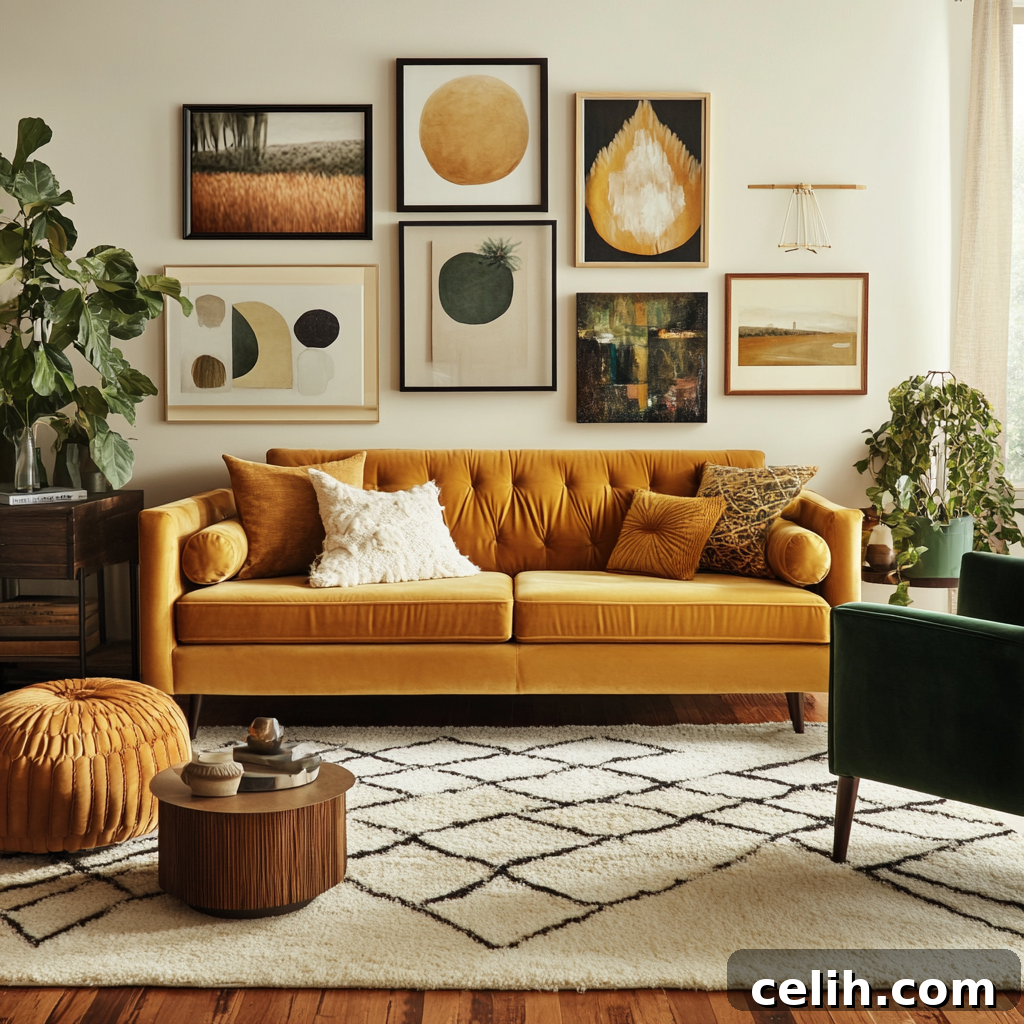
In the competitive landscape of real estate, some homes quickly capture attention only to fade from memory, becoming just another listing in a long scroll. Others, however, leave an indelible mark. These are the properties that buyers discuss long after the showing, revisit mentally, and use as the benchmark against which all other options are measured. This profound difference is rarely solely about price; it’s about a deeper connection, a phenomenon we call buyer engagement.
When prospective buyers feel compelled to return to a home, whether physically for a second showing or mentally as they weigh their options, it’s often because something intrinsic about the space resonated with them. This isn’t about flashy decor or opulent upgrades; it’s about a ‘felt’ experience, an emotional connection that transcends superficial appeal. Understanding the subtle dynamics that drive this engagement is crucial for anyone looking to sell a home faster, with greater confidence, and at its optimal value.
Cultivating Emotional Resonance: Beyond Fleeting Style Trends
The world of interior design is perpetually in motion, with trends emerging and receding like tides. Buyers are savvy; they’ve observed the omnipresent white kitchens, the sleek matte black fixtures, and the open shelving concepts that dominate design magazines and social media feeds. While these trends can initially catch the eye, they often fail to forge a lasting attachment. They offer visual appeal but rarely cultivate emotional depth.
Emotional resonance, conversely, forms the bedrock of genuine buyer engagement. It’s about creating a space that feels inherently balanced, comfortably inviting, and intuitively functional. A home that radiates these qualities leaves a far stronger, more enduring impression than one that merely adheres to the latest aesthetic whims. Buyers aren’t just looking at walls and fixtures; they’re envisioning their future lives unfolding within those spaces. They seek an environment where they can genuinely imagine quiet morning coffees, bustling family dinners, productive work-from-home days, and relaxing weekends that feel organic, not staged.
This pursuit of emotional connection doesn’t imply an abandonment of style. Instead, it reframes style as a versatile tool rather than the ultimate objective. Strategic design choices, such as a timeless neutral color palette, maximizing the influx of natural light, and ensuring a thoughtful, seamless flow between rooms, possess a longevity that far surpasses any single fleeting trend. When a home feels effortlessly comfortable and easy to inhabit, buyers tend to linger longer. This prolonged stay, this deep immersion in the potential lifestyle, is the crucial first step toward fostering true engagement and, ultimately, a confident purchase decision.
The Unspoken Power of Repeat Showings in Buyer Intent
While the adage “first impressions matter” holds some truth, it rarely tells the complete story in real estate. The decision to purchase a home is often one of the most significant financial and emotional commitments an individual or family will make. Consequently, many buying decisions are solidified not after a single viewing, but after a second, third, or even fourth look.
Repeat showings are among the clearest and most compelling indicators of genuine buyer intent. They signify a transition from mere curiosity to serious consideration. Buyers who choose to return are often engaged in a complex process of validating their initial emotional response against practical considerations like their budget, the home’s functional layout, and how it stacks up against competing properties. They are not simply re-evaluating the physical space; they are mentally placing themselves within its walls, test-driving the lifestyle it promises.
Experienced real estate professionals pay meticulous attention to these patterns of engagement. Understanding that buyer interest doesn’t always convert immediately, but often builds organically over time, is key to successful property marketing. A return visit is a powerful signal that a buyer is moving beyond objective assessment and beginning to internalize the home as a potential part of their future. Design elements that subtly encourage this deeper exploration, such as versatile spaces that can adapt to various needs, strategic lighting that enhances mood and functionality, and a pervasive visual calm that invites contemplation, can powerfully support this crucial psychological process without ever forcing a sense of urgency or artifice.
Design Cues That Build Unwavering Buyer Confidence
Confidence is a monumental factor in the home buying journey. When buyers encounter uncertainties or red flags, even subtle ones, hesitation often takes root, slowing down or even derailing the decision-making process. Conversely, when they feel reassured and confident about a property, they are far more likely to move forward with conviction.
Certain design cues possess an inherent ability to naturally cultivate this vital sense of reassurance. Clean lines throughout the architecture and decor, meticulously uncluttered rooms that suggest ample storage and ease of living, and consistent, high-quality finishes across various spaces collectively signal a property that has been well-cared for and thoughtfully maintained. Such details speak volumes about the owner’s diligence and the home’s underlying integrity.
Furthermore, exceptional lighting is a powerful antidote to doubt, transforming spaces by making them feel more expansive, transparent, and welcoming. Areas that might otherwise seem dim or enclosed are opened up, allowing buyers to see every detail clearly and reducing any subconscious apprehension. Similarly, logical and intuitive layouts simplify the home for buyers, minimizing mental friction as they navigate. When a home’s flow makes immediate sense, it feels inherently more functional and user-friendly.
While buyers may not consciously articulate these specific design cues, their emotional and practical responses to them are undeniable. A home that feels cohesively “put together” conveys a powerful message: fewer unpleasant surprises are likely to emerge down the line. This profound sense of reliability and perceived quality is an incredibly persuasive force, often outweighing aesthetic trends. As such, design should not merely aim to impress; its paramount function is to reassure. It’s about demonstrating care and quality, laying the groundwork for a confident decision. For more insights, consider these 4 Home Interior Design Tips for the Best Impressions.
Engagement Is a Deliberate Signal, Not a Fortuitous Accident
Buyer engagement in real estate is far from a random occurrence; it is a direct and measurable response to a property’s inherent qualities and presentation. When buyers engage deeply with a home—evidenced by asking highly detailed, specific questions, spending a disproportionate amount of time in particular rooms, or, most notably, scheduling repeat visits—it typically signifies that the space has successfully crossed an emotional threshold. The home has evolved in their minds from merely “interesting” or “an option” to genuinely “possible” and potentially “the one.”
This is precisely why metrics indicating engagement depth often provide more valuable insights than superficial, high-volume data. A listing that garners fewer overall views but sparks meaningful, sustained engagement from a select group of buyers can frequently outperform a property that attracts a multitude of casual browsers with only shallow, fleeting interest. In the complex tapestry of real estate, depth of interaction invariably matters more than sheer volume of clicks or quick drive-bys.
Design that consciously supports and encourages this deeper level of engagement tends to feel intentional and purposeful without ever appearing overworked or overly stylized. Such spaces invite interaction and exploration without overwhelming the senses. Buyers are not made to feel rushed or pressured; instead, they are encouraged to be curious, to delve into every corner, and to envision their lives within the home’s embrace. This subtle, invitational approach to design is a powerful catalyst for transforming initial interest into genuine, lasting commitment.
The Evolving Interpretation of Spaces: How Buyers Form Lasting Impressions
Prospective buyers rarely evaluate homes in isolation. Instead, they embark on a journey, carrying impressions, comparisons, and emotional residue from one showing to the next. A thoughtfully designed home, one that resonates deeply and fosters genuine engagement, has the unique power to establish a powerful benchmark—a gold standard against which all subsequent properties will be inadvertently, and often subconsciously, judged. This creates a significant competitive advantage in a crowded market.
Over time, as buyers navigate multiple viewings, the specific aesthetic details or fleeting trends of a home often fade from memory. What endures, however, is the fundamental feeling the space evoked. They distinctly recall the sense of comfort, the intuitive flow between rooms, the ease of movement, and the overall ambiance. These lasting emotional and sensory memories exert a profound influence on future decisions, shaping preferences and expectations even when buyers are not consciously aware of it.
This is precisely why homes that actively encourage deep, meaningful engagement often retain their competitive edge for longer periods. They don’t just exist as another option; they become a pivotal reference point. Other properties are then compared to them, rather than the other way around. This phenomenon elevates the home in the buyer’s mind, making it truly memorable and desirable. It’s a testament to the fact that while features can be replicated, the unique feeling a well-designed home creates is almost impossible to replicate, ensuring it stands out in the buyer’s long-term memory.
Designing for Engagement: Achieving Impact Without Overdoing It
The ultimate objective in preparing a home for sale is not to create a sterile, impersonal showroom that feels alienating. Instead, the goal is to curate an environment that feels authentically livable, inviting, and sparks imagination. It’s about presenting a canvas onto which buyers can effortlessly project their own lives and dreams.
Ironically, an excessive approach to styling can be counterproductive. Spaces that appear overly curated, meticulously staged, or rigidly perfect can inadvertently distance buyers rather than draw them in. Such perfection can make a home feel unapproachable, leaving no room for the buyer’s personal touch or vision. True engagement thrives on a delicate balance: there should be enough thoughtful structure to convey intentional design and quality, yet ample openness and flexibility to allow buyers to envision their own personal imprint within the space. It’s about providing a strong foundation without dictating every detail.
A few carefully considered design choices can make an immense difference in achieving this balance and fostering deep engagement:
- Furniture Selection: Opt for furniture that clearly defines distinct living zones without visually crowding or overwhelming the space. Choose pieces that are appropriately scaled and comfortable, inviting buyers to sit and relax, rather than merely observe.
- Strategic Lighting: Prioritize lighting that feels warm, inviting, and ambient, rather than overly dramatic or harsh. Employ layered lighting solutions (overhead, task, accent) to create a welcoming atmosphere and highlight key features. Good lighting enhances mood and functionality. Find inspiration with Modern Living Room Lights For a Contemporary Feel.
- Neutral Backdrops: Utilize neutral color palettes for walls and major furnishings. These provide a versatile and calming canvas that allows buyers to easily visualize their personal style, treasured possessions, and preferred color schemes within the home. Neutrals aren’t boring; they are sophisticated enablers of imagination.
- Decluttering and Depersonalization: Ensure the home is immaculately clean, decluttered, and depersonalized. This creates a sense of spaciousness and allows buyers to see the home, not the current owner’s life.
- Subtle Sensory Details: Engage all senses. A subtle, pleasant scent, a comfortable room temperature, and the absence of distracting noises can significantly enhance a buyer’s experience.
When design serves as a facilitator for imagination, rather than attempting to replace it entirely, buyers are significantly more inclined to form a lasting connection and return for further consideration. It’s about creating a resonant experience that encourages them to dream.
Conclusion: Genuine Engagement Is Earned, Never Forced
At the heart of every successful home sale lies the buyer’s profound connection to the property. Buyers are drawn back to homes that instill a sense of confidence, wrap them in comfort, and make them feel genuinely understood. This invaluable level of engagement is not achieved through the fleeting pursuit of ephemeral trends or by aggressively forcing superficial upgrades. Instead, it blossoms from a foundation of thoughtful design choices that meticulously reduce friction, eliminate uncertainties, and steadily build a deep sense of trust and appeal.
The telling signs of a truly engaging property are clear: repeat showings, a sustained and lingering interest that goes beyond a cursory glance, and a gradual, yet firm, commitment to the purchase. These are unmistakable indicators that a home is excelling in its role, successfully resonating with its audience on multiple levels. Designing for engagement means honoring and respecting the intricate, often subconscious, process through which people actually make monumental decisions—a process that is typically slow, deeply emotional, and profoundly intentional.
Ultimately, when a home possesses the inherent ability to invite buyers back, to make them feel a palpable pull to return and explore further, it has already accomplished the most challenging and pivotal aspect of the entire selling process. It has transcended being merely a structure and transformed into a potential future, a place where dreams can take root and flourish.