
Clever Ways to Conceal Boiler Pipes and Elevate Your Home’s Aesthetics
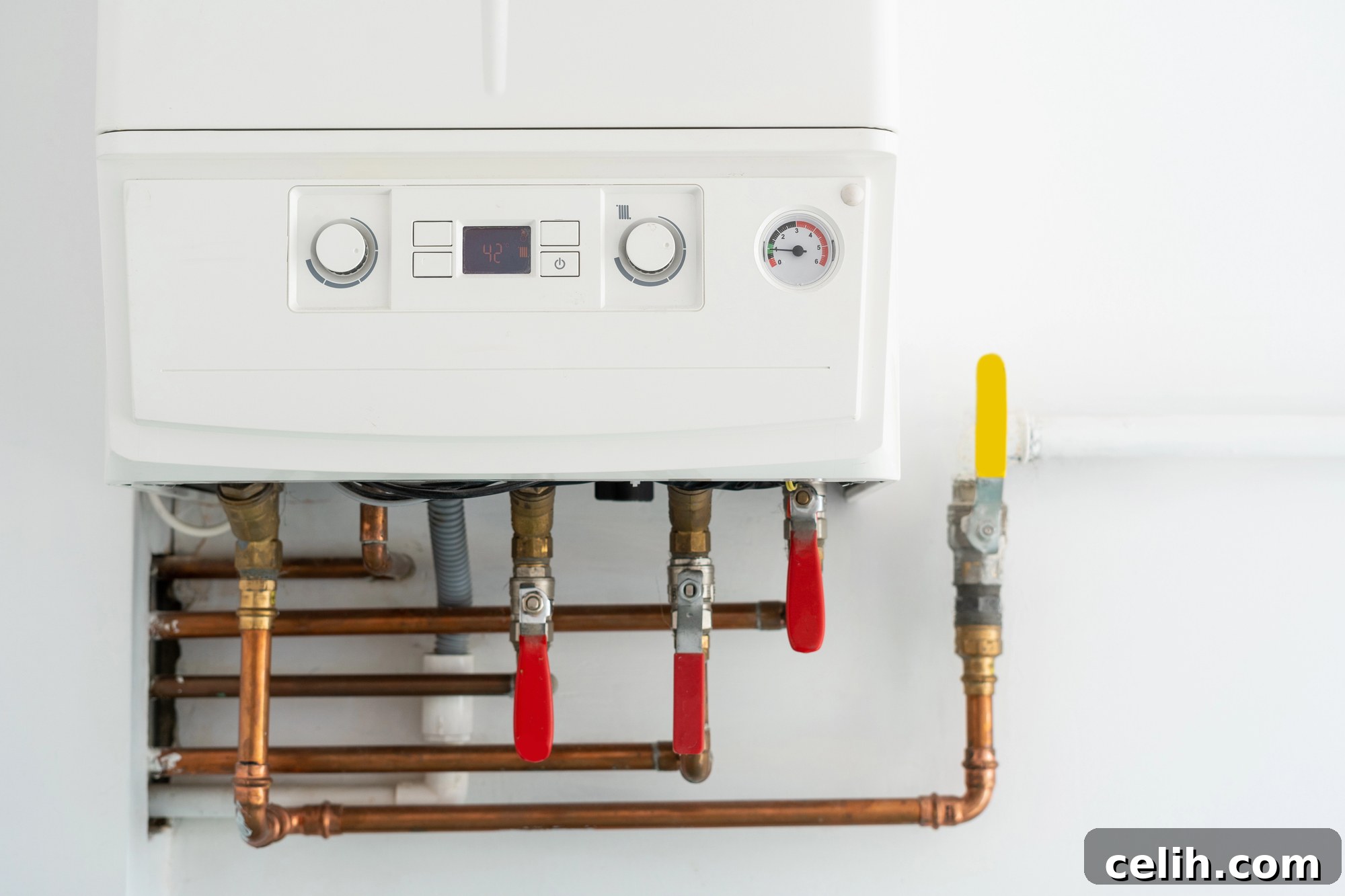
Boilers are indispensable workhorses, diligently providing warmth and hot water, especially when the British winter is at its most biting. However, the associated pipework often presents an unsightly challenge for homeowners striving for a clean, cohesive interior design. Those exposed pipes, whether snaking awkwardly down a wall or criss-crossing behind essential appliances, rarely contribute positively to a curated home aesthetic.
Many homeowners find themselves perpetually rearranging furniture or strategically placing decor items to obscure these functional but visually intrusive elements. But before resorting to elaborate avoidance tactics, let’s explore a wealth of ingenious solutions. From complete concealment to strategic integration, there are brilliant ways to cover, disguise, or even boldly embrace your boiler pipes. With the right approach, those utilitarian lines of copper and plastic can be transformed from awkward necessities into elegant, or at least discreet, features.
Why Disguise Boiler Pipes in the First Place? The Impact on Home Design
While certain interior design trends, such as industrial chic or converted loft aesthetics, celebrate raw, functional features, the vast majority of homeowners prefer a sleek, uncluttered environment. Boiler pipes, by their very nature, are often routed through the most visible and inconvenient locations: above kitchen cupboards, tucked into utility room corners, or running conspicuously along walls in bathrooms, hallways, or even living areas.
These visible pipes can significantly clash with your room’s carefully chosen aesthetic, making an otherwise serene space feel cluttered, unfinished, or simply disorganized. Imagine painstakingly selecting the perfect wall colour, an intricate tile pattern, or luxurious flooring, only for a bulky copper or plastic pipe to disrupt the visual harmony. Such elements can detract from the overall ambiance you’re trying to create, diminishing the sense of calm and intentional design.
The good news is that there’s a myriad of creative and practical boiler pipe cover ideas available, catering to every design style, budget, and type of home. From DIY solutions to sophisticated custom installations, achieving a seamless look is more attainable than ever. Here are some of our favourite solutions to transform those plumbing eyesores.
Boxing In: The Reliable and Versatile Classic
Let’s begin with one of the most tried-and-true methods for boiler pipe concealment: boxing them in. Pipe boxing involves constructing a neat, custom enclosure around the exposed pipework. This effectively creates a discreet column, panel, or even a mini cabinet using materials like MDF (Medium-Density Fibreboard), plywood, or other suitable paneling. Once constructed, this new surface can be decorated to seamlessly blend with your existing decor or become a subtle design feature in its own right.
What you’ll typically need for boxing in:
- Timber or MDF panels: These form the visible structure. MDF is popular for its smooth finish and ease of painting.
- Battens or wooden framework: Used to create the internal support structure for the panels.
- Screws or appropriate fixings: To secure the framework and panels.
- Paint or wallpaper: For finishing the exterior of the box.
- Measuring tape, saw, drill: Standard DIY tools.
You can paint the pipe box to perfectly match your walls, creating a virtually invisible, integrated look. Alternatively, use decorative wood paneling (like tongue-and-groove) or wallpaper to transform it into an intentional architectural detail. This approach is particularly effective when you want to extend an existing wall feature, making the pipe enclosure appear as a deliberate design choice rather than an afterthought.
When boxing in pipes, two critical considerations are ventilation and accessibility. Ensure you leave adequate gaps or drill vent holes, especially around hot water or heating pipes, to prevent overheating and maintain boiler efficiency. Furthermore, design the box with easy removal in mind, using magnetic catches or easily unscrewed panels, to allow for convenient access by plumbers for routine maintenance, inspections, or repairs.
Pre-made Pipe Casing and Decorative Covers: Instant Cohesion
If you’re looking for a simpler, less labor-intensive solution than building a custom box, pre-made boiler pipe casings and decorative covers offer an excellent alternative. These products are designed for quick installation, often featuring snap-on mechanisms or sleeves that slip directly over existing pipework. They are particularly useful for tidying up exposed surfaces, masking the often-clashing combination of copper and white plastic pipes, and providing a unified, attractive finish.
Modern pipe casings and covers are available in a diverse range of finishes, allowing you to easily match them with your existing hardware and decor. Popular options include:
- Chrome pipe covers: Ideal for contemporary bathrooms and kitchens, complementing chrome taps and fixtures.
- Brushed brass pipe cover boxes: Perfect for adding a touch of warmth and sophistication, aligning with current trends in brass hardware.
- Matte black boiler pipe casing: Offers a sleek, modern, and often industrial-inspired look.
- White or paintable PVC heating pipe covers: A versatile and cost-effective option that can be left white for a clean look or painted to blend with the wall.
- Wood-effect style pipe box covers: Providing a natural or rustic touch, often mimicking wood grains.
These covers offer a fast, no-fuss fix that works exceptionally well in highly visible areas like kitchens and bathrooms. Simply select a finish that harmonizes with your taps, radiator valves, cabinet handles, or even light fixtures, and instantly achieve a cohesive and polished look without extensive renovation.
Custom Skirting and False Walls: Seamless Integration
For those who appreciate meticulous detail and a truly integrated aesthetic, designing custom skirting boards or false walls to conceal pipework can yield incredibly refined results. This method is particularly impactful during renovations or when undertaking broader updates to a room, as it allows for seamless incorporation into the architectural fabric of your home.
Consider vertical pipework descending from the ceiling in a hallway. Instead of boxing it awkwardly, you could construct a narrow stud wall around it. Once plastered and painted to match the surrounding walls, the pipes effectively disappear, creating the illusion of a solid wall. Similarly, for horizontal boiler pipes running along the base of a wall, opting for an extra-deep or hollow skirting board can ingeniously hide the plumbing. This not only conceals the pipes but also adds architectural charm and character to the room, with no one suspecting its hidden function.
While this approach requires more time, effort, and potentially professional joinery or building skills, the results are unparalleled in their seamlessness and permanence. It’s an ideal solution for achieving a high-end, bespoke finish that completely removes any visual distraction from your pipework.
Radiator Covers and Side Cabinets: Functional Concealment
If your boiler pipes are an integral part of your central heating system and connect directly to radiators, then radiator covers offer a brilliant double-duty solution. A stylish radiator cover not only enhances the aesthetic of the room by concealing the radiator itself but can also cleverly hide much of the connected pipework that often runs along the wall or floor beneath it.
Many commercially available radiator covers feature hollow legs, a deep skirting, or a frame base specifically designed to accommodate pipe runs. For a more tailored solution, you could commission a made-to-measure design that completely tucks away all visible plumbing, leaving only the heat to radiate. Beyond concealment, radiator covers also offer additional benefits, such as providing a useful shelf surface for displaying decor or reducing the risk of accidental burns from hot radiator surfaces.
Similarly, a strategically placed narrow side cabinet, console table, or a tallboy unit can effectively make pipes all but vanish. Positioned cleverly next to or in front of the offending pipework, these pieces of furniture not only conceal but also add valuable storage or display space to your room. When using cabinets, remember the importance of ventilation for heat dissipation, especially if pipes carry hot water, and ensure easy access for any potential maintenance.
Shelving Around the Pipes: Practical and Decorative
This solution is particularly well-suited for smaller spaces or areas where pipes run vertically. If you have a few vertical pipes in a kitchen, bathroom, or utility room, consider installing open shelving around or even directly across them. By framing the pipework with shelves, you effectively divert the eye and integrate the pipes into a functional and attractive display.
Wooden shelves, whether floating or supported by elegant brackets, can visually frame the pipes. Once installed, these shelves become prime real estate for displaying decorative plants, stylish jars, neatly folded towels, or a collection of books. With thoughtful styling, the pipes will quickly fade into the background, becoming an incidental part of the display rather than a focal point.
For kitchens and bathrooms, opt for moisture-resistant materials like treated wood or even sleek glass shelves for a minimalist look. In living areas, rustic reclaimed wood can add warmth and character, especially when paired with complementary styling elements. This method offers a dual benefit: concealing pipes while simultaneously enhancing storage and display opportunities.
Integrated Cabinets and Utility Cupboards: The Ultimate Disguise
For wall-mounted boilers, which are common in most modern homes, constructing a shallow custom cabinet or utility cupboard around the boiler and its pipework is often the most comprehensive and aesthetically pleasing solution. While it’s common to integrate boilers within kitchen cabinets in newer builds, this approach can be equally effective in hallways, bathrooms, or utility rooms, using slimline cabinet designs.
When designing an integrated cabinet, it’s crucial to include appropriate cutouts or slatted panels for ventilation, ensuring the boiler operates safely and efficiently. Easy access for servicing and maintenance must also be factored into the design, perhaps with hinged doors or removable panels. If space permits, the cabinet can be extended to become part of a wider built-in storage unit, incorporating shelves above or below for cleaning products, towels, tools, or other household essentials.
To achieve a true camouflage effect, use matching cabinet doors that blend with your existing kitchen units, or paint the cupboard in the exact same colour as your walls. Alternatively, you can make the cabinet a design feature by opting for bold colours, interesting slatted fronts, or even rattan panels for a textural touch. This method offers the most complete concealment while often adding valuable storage and a seamless, high-end finish to your space.
Paint Them Out: The Simple Illusion
Sometimes, the simplest solution is the most effective. If boxing-in or custom cabinetry isn’t feasible due to budget, space constraints, or rental agreements, a paintbrush can work wonders. Painting the pipes the exact same colour as the wall behind them is a clever trick employed by decorators for decades, and it can be incredibly effective, especially in small or narrow spaces.
By eliminating the colour contrast between the pipes and the wall, your eye no longer registers the pipes as a distinct, intrusive element. Instead, they recede into the background, becoming almost invisible and allowing your gaze to glide effortlessly over the surface. The visual clutter is dramatically reduced, creating a more serene and finished feel.
For those with a bolder aesthetic, consider going the opposite direction: paint the pipes in a strong, contrasting colour. This approach works particularly well if you’re aiming for a modern, playful, or industrial look, where the pipes become deliberate architectural accents. Think vibrant primary colours against a neutral wall, or a sleek matte black against a crisp white. Just be sure to use a specialized heat-resistant paint if the pipes carry hot water or are part of your heating system to ensure durability and safety.
Embrace the Industrial Vibe: Turning Flaw into Feature
Let’s consider a radical shift in perspective: what if the pipes aren’t a problem to be solved, but rather an opportunity to enhance your design? In specific architectural and interior settings, such as converted warehouses, contemporary minimalist kitchens, or modern bathrooms, exposed pipework can genuinely look fantastic. This approach thrives when the pipes are clean-lined, run in a logical or symmetrical fashion, and boast an attractive finish like polished copper, aged brass, or sleek matte black.
To successfully embrace this industrial aesthetic, careful attention to detail is key. Start by thoroughly cleaning the surrounding area and removing any old, unsightly insulation. Then, polish the metal pipes to a high sheen, or apply a spray finish to achieve a uniform, intentional look. When paired with complementary materials such as raw concrete floors, exposed brickwork, natural wood, or minimalist tiles, the pipes transcend their utilitarian function to become genuine design accents. This considered approach can transform a perceived flaw into a modern, sophisticated, and undeniably stylish feature.
Fabric Panels or Soft Screens: Flexible and Cozy Solutions
For a softer, more flexible approach to concealing boiler pipework – particularly advantageous in rented properties or for temporary solutions – fabric panels or decorative screens offer a smart workaround. This method allows you to hide awkward pipework without permanent alterations or significant construction. You can use tension rods and stylish curtains to drape over exposed pipes, or create a fabric panel to section off a corner where a boiler or a cluster of pipes resides.
This textile-based solution can impart a wonderfully cosy and inviting feel, especially in laundry spaces, utility nooks, or even a casual kitchen corner. Choose a charming ticking stripe, a textured linen blend, or a bold patterned fabric to turn the necessary concealment into a genuine design moment. A key benefit of fabric panels is their ease of removal, making them incredibly practical for regular maintenance or inspections by a plumber without any fuss or damage.
Wall Art, Plants and Distraction Techniques: The Art of Redirection
Sometimes, the most effective strategy isn’t about completely hiding your heating system’s pipes, but rather about cleverly drawing the eye elsewhere. This is the art of distraction, where well-placed decor elements subtly redirect attention away from the unwanted plumbing. A strategically positioned large mirror, a vertical arrangement of framed artwork, or a tall, elegant potted plant can beautifully distract from exposed pipework, making it less noticeable.
In bathrooms or utility rooms, a stylish hanging rail adorned with fluffy towels, decorative baskets, or even air-purifying plants can serve the same purpose. Consider creating a vibrant gallery wall around the pipework, placing a multi-tiered ladder shelf nearby, or leaning a grand floor mirror against the wall. Any of these visual anchors will help soften the space and effectively redirect attention from the pipes. Remember, disguise can be subtle, clever, and layered; it doesn’t always require brute-force cover-ups.
Essential Considerations Before You Conceal
Before you enthusiastically grab your screwdriver, MDF panels, or a tin of paint, it’s vital to keep a few critical points in mind when planning your boiler pipe concealment project. Neglecting these can lead to safety hazards, decreased efficiency, or costly future repairs:
- Proper Ventilation is Crucial: This is paramount, especially when working near the boiler unit itself or pipes carrying hot water. Sealing off pipes too tightly can restrict essential airflow, which can negatively impact boiler efficiency, potentially lead to overheating, or even create dangerous conditions, particularly with gas appliances. Always ensure adequate ventilation gaps or vents are incorporated into any enclosure.
- Accessibility Matters for Maintenance: Your future self, and any plumber you hire, will be profoundly grateful if the pipework remains easily accessible. Designing covers that can be removed quickly and without damage is key for routine maintenance, annual boiler servicing, or prompt leak checks. Avoid permanent seals that require demolition to reach the pipes.
- Use Appropriate Materials: The longevity and safety of your pipe covers depend heavily on the materials you choose. Opt for heat-resistant paint for hot pipes, moisture-proof MDF or treated timber in damp environments like bathrooms, and ensure all fixings are secure and safe. Using compliant, sustainable timber is also an environmentally friendly choice.
- Consult Your Gas Engineer: If your project involves working in close proximity to your boiler, particularly around its flue, gas supply lines, or control panels, it is absolutely imperative to consult a qualified Gas Safe registered engineer beforehand. Any modifications must strictly comply with current safety regulations and building codes to prevent serious hazards.
Final Thoughts: From Eyesore to Elegant Feature
Let’s be honest – unsightly boiler pipes were likely never part of your ideal home decor vision. However, the liberating truth is that with a dash of creativity, a practical mindset, and a few smart design tweaks, they absolutely do not have to be an eyesore. Understanding how to cover boiler pipes effectively can be a transformative step, converting these awkward and intrusive functional elements into a harmonious and seamless part of your home’s overall aesthetic.
Whether your preferred solution involves the tailored elegance of custom joinery, the instant polish of a ready-made pipe casing, or simply the strategic sweep of a paintbrush, the overarching goal remains the same: to make your living space feel truly *yours*. This means a home that is calm, clean, beautifully curated, and free from those minor design irritations that can cause a subtle twitch of the eye every time you pass by. A truly well-designed home isn’t just about the beautiful things you add; it’s equally about the thoughtful decisions you make to conceal or integrate the less appealing, yet essential, elements. Now armed with a comprehensive understanding of how to cover boiler pipes in a way that perfectly suits your personal style and the unique characteristics of your space, you possess all the tools needed to craft a room that feels genuinely finished, inviting, and effortlessly chic.