
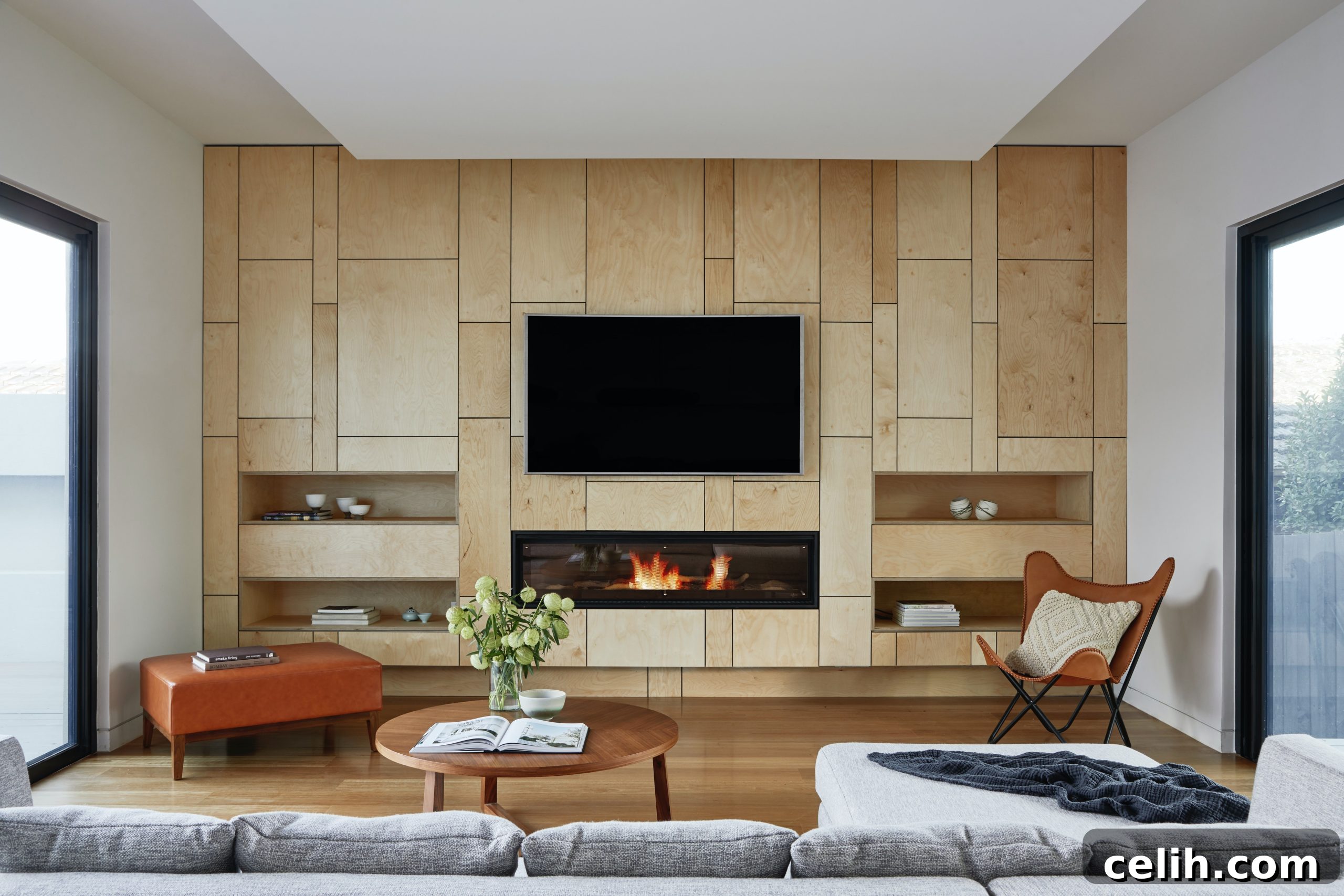
In an era defined by relentless technological advancement and groundbreaking modern inventions, virtually every facet of our lives has undergone a profound transformation. Home aesthetics and interior design are certainly no exception. Among the most innovative developments in recent years, wall panelling has emerged as a revolutionary trend in wall treatments, rapidly gaining prominence over traditional methods such as painting, wallpapering, or conventional cladding. This contemporary approach offers homeowners an appealing blend of durability, ease of installation, and unparalleled design versatility, infusing any space with a distinctive character and a touch of modern elegance.
Wall panelling has captured the imagination of designers and homeowners alike due to its multifaceted benefits. Beyond its undeniable ability to enhance interior aesthetics and create captivating focal points, it serves practical purposes by concealing uneven wall surfaces, offering insulation, and even contributing to sound dampening. Furthermore, many panelling options are reusable and represent a healthy, sustainable choice for eco-conscious individuals. The market’s vast array of panelling materials, available in diverse shades, shapes, sizes, and textures, empowers homeowners to unleash their creativity and achieve virtually endless design possibilities. Whether you’re aiming for a rustic charm, minimalist sophistication, or vibrant contemporary flair, there’s a wall panelling solution to match your vision. Below, we delve into five of the most exceptional wall panelling materials currently available for transforming and decorating your rooms, each offering unique advantages and aesthetic appeals.
The Enduring Allure of Wall Panelling: Beyond Aesthetics
Before exploring specific materials, it’s worth highlighting the universal appeal and functional advantages that make wall panelling an increasingly popular choice for modern homes. It’s more than just a decorative element; it’s a strategic investment in your home’s comfort, durability, and style.
- Enhanced Durability and Protection: Wall panels act as a protective barrier against daily wear and tear, reducing the need for frequent repainting or repairs. They can withstand bumps, scratches, and scuffs far better than painted drywall.
- Insulation and Sound Dampening: Many types of wall panels provide an additional layer of insulation, helping to regulate indoor temperatures and potentially lower energy bills. Their inherent density can also absorb sound, making rooms quieter and more serene, a significant benefit in busy households or apartments.
- Concealment of Imperfections: For older homes or walls with minor imperfections, cracks, or uneven textures, wall panelling offers an elegant solution to hide these flaws without extensive plastering or repair work. It creates a smooth, uniform, and visually appealing surface.
- Ease of Maintenance: Depending on the material, many wall panels are remarkably easy to clean and maintain, often requiring just a simple wipe-down with a damp cloth. This convenience contributes to a healthier and more hygienic living environment.
- Design Flexibility and Versatility: The sheer variety of materials, finishes, and installation patterns means wall panelling can adapt to virtually any interior design scheme, from classic to contemporary. It allows for the creation of unique accent walls, wainscoting, or full-room transformations.
- Increased Property Value: Well-designed and professionally installed wall panelling can significantly elevate the perceived value and aesthetic appeal of your home, making it more attractive to potential buyers should you decide to sell.
1. Natural Wood Panelling: Timeless Elegance and Warmth
Natural wood wall panelling stands as an enduring classic, perennially popular among homeowners who aspire to infuse their living spaces with unparalleled warmth, sophisticated elegance, and a rich, organic texture. The inherent beauty of wood, with its unique grain patterns and natural color variations, creates an inviting and serene atmosphere that is difficult to replicate with other materials. Much like fine furniture, natural wood wall panels possess the remarkable ability to be sealed, sanded, and polished over time, allowing them to retain their original luster and even evolve with a beautiful patina, enhancing their character and appeal for decades. A diverse array of wood species is commonly utilized to craft these exquisite panels, each offering distinct characteristics: the robust and classic appeal of oak, the deep, luxurious hues of mahogany, the exotic durability of teak, and the intricate grain of walnut are just a few prime examples. These natural wood panels can be meticulously designed and cut into various forms, including traditional planks, sophisticated block patterns, or standard large panels, providing immense flexibility to match any preferred aesthetic or architectural style.
Pros of Natural Wood Panelling:
- Multiple Aesthetic Options: The vast selection of wood species, each with its own unique grain, color, and texture, offers an extensive palette for interior design, allowing for truly customized looks.
- Highly Customizable and Adaptable: Natural wood can be stained, painted, or carved, offering a high degree of customization to either match existing décor or completely redefine the look and feel of a room, providing endless design possibilities.
- Easy to Repair and Replace: Minor damage, such as scratches or dents, can often be repaired by sanding and refinishing. In cases of significant damage, individual panels or sections can be replaced without needing to overhaul the entire wall.
- Exceptional Durability and Longevity: When properly maintained, natural wood panels are incredibly durable and can last for generations, often outliving many other wall treatment options.
- Environmentally Friendly and Sustainable: Sourced from sustainably managed forests, wood is a renewable resource, making it an eco-conscious choice that contributes to a healthier indoor environment.
- Natural Insulation and Sound Dampening: Wood inherently offers good thermal and acoustic insulation properties, contributing to a more energy-efficient home and a quieter living space.
Cons of Natural Wood Panelling:
- Vulnerability to Moisture and Rot: Natural wood is not inherently water or moisture-proof. Prolonged exposure to humidity or direct water can cause warping, swelling, or even rot, making it less suitable for high-moisture areas like bathrooms and kitchens without specialized treatment.
- Not Fire Resistant: Wood is a combustible material, and without fire-retardant treatments, it offers minimal resistance to fire, which can be a safety concern in certain applications.
- Susceptibility to Pests: Untreated wood can be vulnerable to termites and other wood-boring insects, necessitating chemical treatments or careful selection of naturally resistant species, which adds to the overall cost and maintenance.
- Higher Cost: Compared to synthetic alternatives, natural wood panelling often comes with a higher initial material and installation cost, reflecting its premium quality and aesthetic value.
2. Medium Density Fiberboard (MDF) Panels: Versatility on a Budget
Often referred to as composite wood, Medium Density Fiberboard (MDF) panels represent an incredibly versatile and budget-friendly solution for wall panelling. These engineered panels are meticulously manufactured by combining multiple small wood fibers and residuals, which are then bonded together using a strong resin adhesive under conditions of intense heat and pressure. The resulting material is remarkably dense and uniform, making it an excellent alternative to natural wood. MDF panels excel at replicating the sophisticated appearance of real wood, making them an ideal choice for homeowners who desire the aesthetic appeal of natural timber without the associated premium cost. Beyond its cost-effectiveness, MDF is celebrated for its exceptional flexibility; its smooth, consistent surface allows for the creation of an endless array of interesting patterns, intricate textures, diverse designs, and a wide spectrum of finish options, from sleek modern laminates to intricate carved details.
Pros of Medium Density Fiberboard (MDF) Panels:
- Excellent for Paints and Stains: MDF boasts a very smooth, consistent surface that takes paints, stains, and veneers exceptionally well, allowing for a flawless finish and extensive color customization without the grain interference of natural wood.
- Budget-Friendly Solution: Significantly more affordable than natural wood, MDF offers a cost-effective way to achieve high-end looks and intricate designs, making sophisticated wall treatments accessible to a wider audience.
- Wide Range of Options: Available in varying thicknesses, densities, finishes (laminated, painted, veneered), and textures, MDF provides extensive choices to suit diverse design requirements and aesthetic preferences.
- Ideal for 3D and Intricate Designs: Its uniform composition and ease of machining make MDF perfect for creating complex 3D patterns, routed designs, and decorative mouldings with precision, offering unparalleled design freedom.
- Environmentally Friendly (Recycled Content): Many MDF products incorporate recycled wood fibers and often utilize sustainable manufacturing processes, positioning it as an environmentally responsible choice, reducing waste.
- Consistent Quality: Unlike natural wood, MDF has no knots, voids, or grain patterns, ensuring a perfectly smooth and uniform surface for consistent results in any application.
Cons of Medium Density Fiberboard (MDF) Panels:
- Not Water or Moisture Resistant: MDF is highly susceptible to water damage; it will swell, warp, and disintegrate when exposed to significant moisture or high humidity, rendering it unsuitable for bathrooms, kitchens, or outdoor use without specialized, waterproof coatings.
- Lower Load-Bearing Capacity: While dense, MDF is generally not designed to hold heavy weights directly, especially when fastened to walls without adequate backing. It can sag or break under concentrated stress.
- Requires Thick Plywood Base (for structural integrity): For certain applications or larger panels, a robust plywood or timber batten base is often recommended or required to ensure proper structural support and secure installation, adding to complexity and cost.
- Heavy Material: MDF panels can be quite heavy, making them more challenging to transport and install compared to lighter alternatives, often requiring more effort or additional help.
- Contains Formaldehyde: Some MDF products may release formaldehyde, an organic compound, into the air, which can be a concern for indoor air quality, though low-VOC options are increasingly available.
3. PVC Panels: The Waterproof and Hygienic Choice
As its name clearly denotes, PVC panels are meticulously manufactured from polyvinyl chloride, a robust and highly versatile plastic polymer. This fundamental composition grants them their most significant advantage: exceptional waterproofing capabilities, making them an unparalleled choice for environments characterized by high moisture levels. Such areas typically include kitchens, laundries, and particularly bathrooms, where traditional wood-based panels would quickly degrade. Much like many other innovative panelling materials, the installation of PVC panels is notably straightforward and efficient, contributing to a quicker project turnaround. A significant hygienic benefit of PVC is its inherent resistance to dust accumulation and its ease of cleaning, ensuring a consistently sanitary surface. These versatile panels can be intricately crafted into stunning 3D designs and are readily available in an extensive spectrum of colors, facilitating effortless integration of patterns, textures, and personalized aesthetics into any interior space, thereby offering both practical utility and sophisticated design flexibility.
Pros of PVC Panels:
- Waterproof and Ideal for High-Moisture Areas: Their primary advantage is complete impermeability to water, making them perfect for kitchens, bathrooms, basements, and utility rooms where moisture resistance is paramount, preventing mold and mildew growth.
- Exceptional Ease of Cleaning and Maintenance: The smooth, non-porous surface of PVC panels is incredibly easy to clean, typically requiring only a damp cloth and mild detergent. They do not harbor dirt or dust, contributing to a very hygienic environment.
- Simple to Cut and Work With: PVC panels are lightweight and can be easily cut, shaped, and installed using standard tools, simplifying the installation process and reducing labor costs.
- Lightweight with a Smooth Surface: Their light weight makes them easy to handle and install, while the smooth surface provides a sleek, modern finish that can be customized with various textures and designs.
- Fire-Resistant Properties: PVC is inherently fire-resistant and self-extinguishing, adding an important layer of safety to your home, particularly when compared to combustible materials like wood.
- Dust-Resistant and Hypoallergenic: The non-porous nature of PVC prevents dust accumulation and the growth of allergens, making it an excellent choice for individuals with allergies or respiratory sensitivities.
- Durable and Long-Lasting: PVC panels are highly durable and resistant to impact, scratches, and fading, ensuring a long lifespan with minimal wear and tear.
Cons of PVC Panels:
- Can Be Easily Damaged by Sharp Impacts: While generally durable, PVC panels can sometimes be more susceptible to deep scratches or punctures from sharp objects than more rigid materials, which can be challenging to repair seamlessly.
- Difficult to Treat Scratches and Dents: Unlike wood, which can be sanded and refinished, deep scratches or dents in PVC panels are often difficult to repair invisibly and may require replacing the entire panel for a flawless look.
- Less Natural Aesthetic: Some homeowners find that PVC panels lack the natural warmth, depth, and character of materials like real wood or veneer, sometimes appearing more artificial or plastic-like.
- Thermal Expansion: PVC can expand and contract with temperature fluctuations, which needs to be accounted for during installation to prevent buckling or gaps.
- Environmental Concerns (Production): While durable, the production and disposal of PVC can raise environmental concerns, though strides are being made towards more sustainable PVC options.
4. Vinyl Panelling: Resilient, Waterproof, and Stylish
Vinyl panels offer another exceptionally viable and highly resilient alternative to PVC for homeowners specifically seeking to install wall treatments in areas prone to elevated moisture levels. This makes them an indispensable choice for spaces where traditional wood or wood-like panels would be impractical due to the irreversible damage that water and persistent humidity inflict on such organic materials. Recognizing this critical need, vinyl panels are a great option for the bathroom, kitchen, laundry rooms, and other utility areas that frequently encounter water splashes or high levels of atmospheric moisture. Beyond their functional advantages, modern vinyl panels have evolved significantly in design, offering a wide array of styles that can mimic natural textures, providing both practicality and aesthetic appeal for contemporary interiors.
Pros of Vinyl Panelling:
- Available in Diverse Patterns and Textures: Modern manufacturing techniques allow vinyl panels to be produced in an extensive range of patterns, colors, and textures, including highly convincing imitations of wood grain, stone, and other natural materials, offering immense design flexibility.
- Superior Water and Moisture-Proofing: Vinyl is inherently waterproof, making it an outstanding choice for any area exposed to moisture, steam, or splashes. It effectively prevents mold, mildew, and structural damage that water can cause to other materials.
- Exceptional Durability and Longevity: Vinyl panels are renowned for their robust nature. They are highly resistant to impacts, scratches, dents, and abrasions, ensuring a long lifespan even in high-traffic areas, and they do not rot, rust, or corrode.
- Low Maintenance: Similar to PVC, vinyl panels are incredibly easy to clean. A simple wipe-down with a damp cloth is usually sufficient to keep them looking pristine, making them ideal for busy households.
- Cost-Effective: Generally more affordable than natural wood or stone, vinyl panelling provides an economical way to achieve premium aesthetic results and functional benefits.
- Easy Installation: Vinyl panels are typically lightweight and designed for relatively straightforward installation, often featuring interlocking systems that simplify the DIY process and reduce installation time and costs.
Cons of Vinyl Panelling:
- Lacks the Natural Aesthetic of Wood: Despite advanced printing technologies, vinyl panels may still lack the deep, rich, and authentic tactile feel and visual warmth of natural wood. The repeating patterns can sometimes be noticeable upon close inspection.
- Can Appear Overly Processed in Bright Lights: Under intense or direct lighting, the synthetic nature of vinyl can sometimes become more apparent, and certain finishes might exhibit a somewhat “plastic-like” sheen that detracts from a natural look.
- Potential for Fading: Over prolonged exposure to direct sunlight, some lower-quality vinyl panels may experience color fading, which can affect the overall aesthetic uniformity of the wall.
- Environmental Considerations: While durable, the manufacturing process and disposal of vinyl can have environmental implications, although the industry is moving towards more recyclable and sustainable options.
5. Veneer Panelling: The Look of Solid Wood, Affordably
Veneer panels are increasingly becoming a preferred choice in contemporary interior design, gradually taking the place of solid wood in many applications. These panels are typically crafted from an exceptionally thin slice or layer of genuine wood, meticulously bonded onto a more stable backing board, often made of MDF or plywood. This innovative construction allows veneer panels to exquisitely mimic the opulent appearance and tactile feel of solid wood, including its unique grain patterns and natural imperfections, but at a significantly more accessible price point compared to its solid counterpart. Beyond their aesthetic and economic advantages, veneer panels are also commendably lightweight and straightforward to install, streamlining the renovation process. Common dimensions for veneers often measure 4 feet by 8 feet, providing expansive, seamless surfaces of wood-like panels without the interruption of grooves or visible joints. This generous surface area unlocks a world of creative possibilities for interior designers, enabling them to explore and implement multiple intricate design options for these versatile wall panels. Furthermore, veneer panels are available in a variety of widths, typically ranging between 2 to 12 inches, and standard lengths often extend up to 8 feet, offering flexibility for diverse design specifications and installation patterns.
Pros of Veneer Panelling:
- Durable and Resistant to Cracking: The combination of a thin wood layer and a stable backing board makes veneer panels remarkably durable and less susceptible to the warping, cracking, or splitting that can sometimes affect solid wood with changes in humidity.
- Can Be Polished for a Refined Finish: Just like solid wood, veneer surfaces can be sanded, stained, and polished to achieve a clean, smooth, and highly refined finish, allowing for custom aesthetic treatments and long-term maintenance of its beauty.
- Many Aesthetic Options: Available in a vast array of wood species, cuts, and grain patterns, veneer offers numerous choices, allowing homeowners to select the exact look of their desired wood without the high cost of solid timber.
- Natural Finish and Richness: Veneers deliver the authentic richness, depth, and unique natural beauty of solid wood because they are, in fact, real wood. This provides a genuine, high-end look and feel that synthetic alternatives struggle to replicate.
- Cost-Effective Alternative to Solid Wood: Offering the visual appeal of solid wood at a fraction of the cost, veneer panels provide an economical solution for achieving luxurious wood finishes in various interior spaces.
- Lightweight and Easy to Install: Compared to solid wood, veneer panels are significantly lighter, making them easier to handle, transport, and install, which can reduce labor time and overall project costs.
Cons of Veneer Panelling:
- Delicate Designs Prone to Scratching and Denting: While generally durable, the thin layer of real wood veneer can be more susceptible to deep scratches, dents, or chipping if subjected to heavy impacts or abrasive cleaning, requiring careful handling.
- Not Water or Moisture Resistant: Similar to natural wood and MDF, veneer panels are not inherently waterproof. Exposure to excessive moisture or high humidity can cause the veneer to peel, bubble, or warp, limiting their use in damp environments.
- Limited Repair Options for Deep Damage: While minor surface scratches can be buffed out, deep damage that penetrates through the veneer layer into the backing board is often difficult, if not impossible, to repair seamlessly, usually necessitating panel replacement.
- Can Be Sensitive to UV Light: Prolonged exposure to direct sunlight can potentially cause some wood veneers to fade or change color over time, especially darker wood types, which may lead to uneven coloration.
While the five materials detailed above represent some of the most popular and versatile options for modern wall panelling, the market continually expands with innovative choices. Other notable wall panelling materials include faux brick, which provides a rustic industrial aesthetic without the weight or cost of real brick; cork wall tiles, prized for their natural texture, soundproofing qualities, and eco-friendliness; gypsum boards, offering a smooth, paintable surface for minimalist designs; fabric panels, which introduce softness, warmth, and excellent acoustic properties; luxurious upholstered panels, creating a plush, tactile, and opulent feel; and sophisticated glass and mirror panels, designed to expand space visually and add a touch of contemporary glamor. With such an extensive array of options, selecting the perfect wall panel that harmonizes with your interior design style and functional requirements can indeed prove challenging. To navigate this wealth of choices effectively, it is crucial to thoughtfully consider several key factors: the available space you intend to panel, your predetermined budget, the moisture levels of the environment (especially important for kitchens and bathrooms), and your preferred aesthetic design. As a general rule of thumb, avoid natural wood, veneers, or MDF for areas with high humidity or direct water exposure, such as kitchens and bathrooms, to ensure longevity and prevent damage. Instead, opt for their waterproof counterparts like PVC or vinyl in these critical zones, reserving the natural beauty of wood and veneer for living areas, bedrooms, and hallways where their unique charm can truly flourish.