
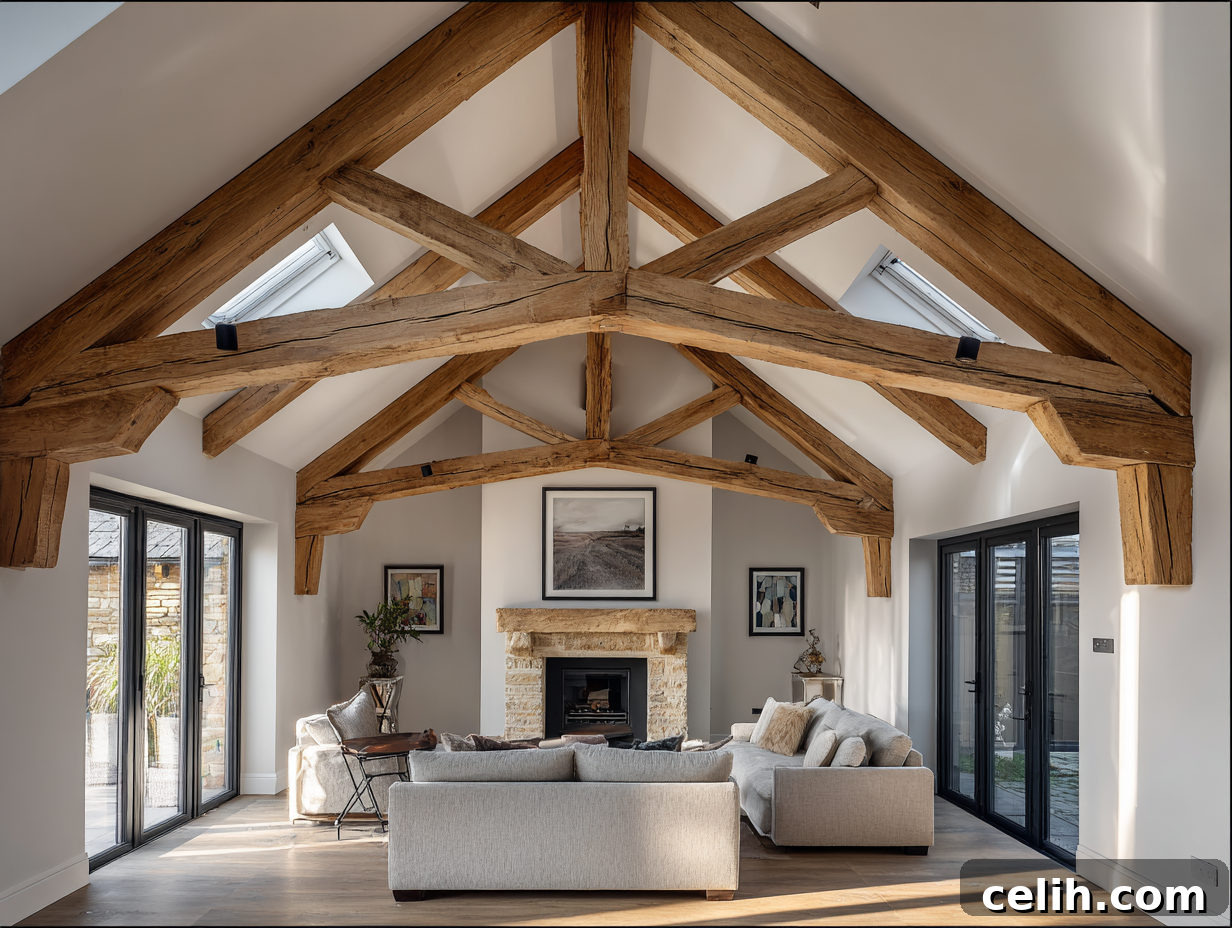
Why Oak Remains the Gold Standard in Premium Construction and Architectural Design
For centuries, oak has built its formidable reputation not on trends, but on proven performance. From medieval cathedrals to modern marvels, this remarkable timber has been a cornerstone of construction, valued for its immense strength, enduring reliability, and inherent natural beauty. These foundational qualities are as relevant today as ever, making oak the material of choice for architects, designers, and builders working on high-end projects. It offers far more than a visually appealing finish; it provides a promise of longevity, character, and structural integrity that few other materials can replicate.
However, it’s crucial to understand that the term ‘oak’ encompasses a wide range of quality. The origin and handling of the timber significantly impact the final outcome. Premium European and English oak, particularly when sourced from specialist suppliers who prioritize sustainable forestry and proper seasoning, consistently delivers superior structural performance and a more refined aesthetic. When you begin a project with exceptional raw materials, every subsequent step, from fabrication to finishing, is elevated, ensuring the final structure is as durable as it is beautiful.
Unmatched Structural Integrity: The Foundation of Oak’s Reliability
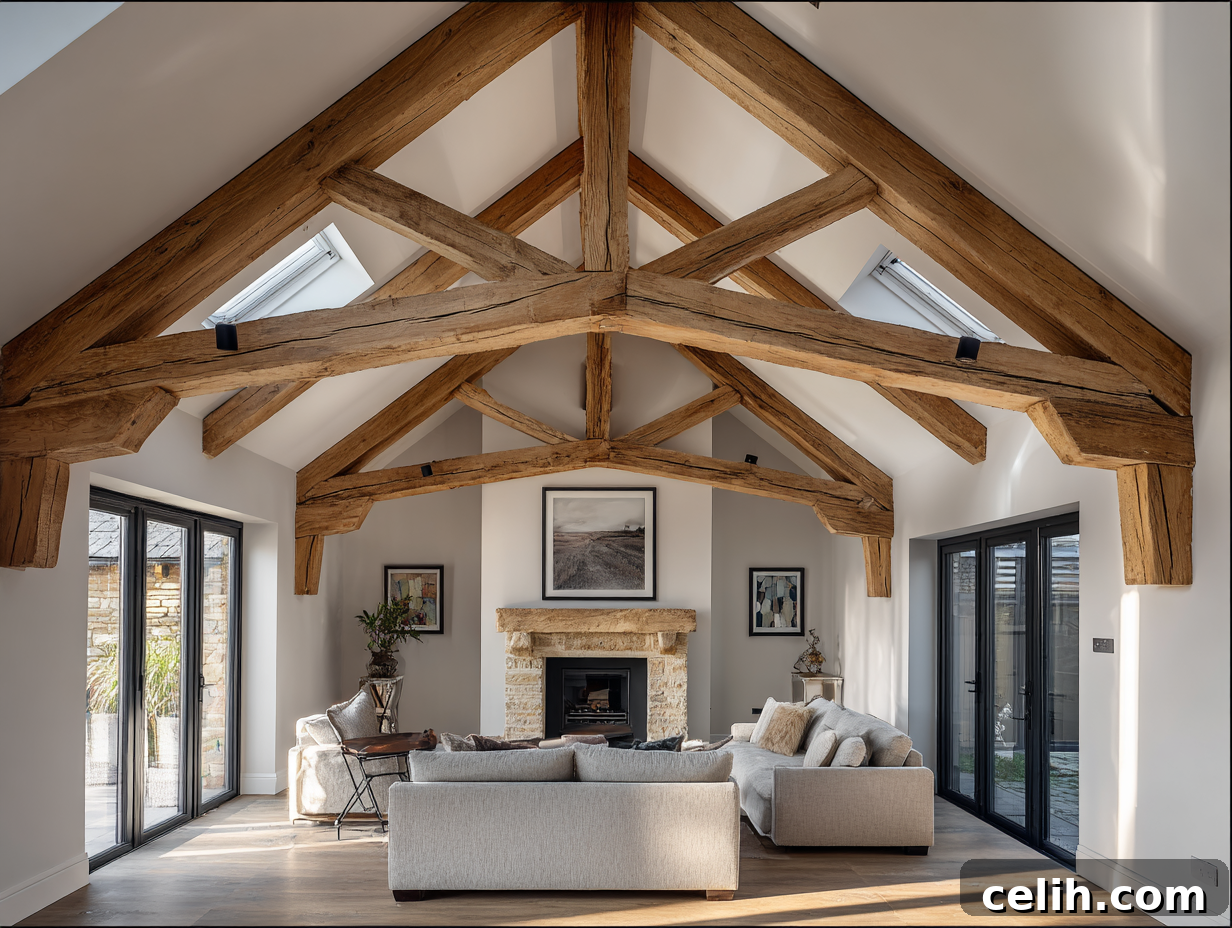
In the world of luxury construction, consistency is paramount. Materials are expected to perform flawlessly, maintaining their shape, strength, and stability for generations. This is where oak truly distinguishes itself. Its dense cellular structure gives it incredible compressive and tensile strength, allowing it to withstand immense pressure without weakening or failing. This inherent robustness makes it the perfect choice for critical structural elements.
This reliability is why you so often see oak specified for complex and ambitious architectural designs. It can comfortably support heavy loads in the form of load-bearing beams, intricate roof trusses, and entire building frames without warping, twisting, or shifting over time. Furthermore, its stability extends to its performance across fluctuating temperatures and humidity levels, where lesser timbers might shrink or swell. For any project where longevity is non-negotiable, building with oak provides a deep-seated confidence that the structure is built to last.
Aesthetic Versatility: From Rustic Charm to Modern Elegance
While its structural performance is legendary, oak’s visual appeal is equally compelling. It possesses a natural warmth and character that can elevate any space. The timber’s distinctive grain, with its beautiful medullary rays and unique patterns, brings a layer of depth and texture that instantly enriches an interior. Whether used for wide-plank flooring, soaring ceiling beams, custom furniture, or detailed millwork, oak imparts a sense of grounded quality and timeless elegance.
One of oak’s greatest strengths is its incredible design versatility. It pairs seamlessly with a diverse palette of materials, including industrial steel, sleek glass, and polished concrete, making it a powerful tool for architects crafting contemporary spaces. Depending on the finish, it can project a clean, minimalist Scandinavian feel or a rich, traditional atmosphere. Over time, oak develops a beautiful patina, a subtle darkening and mellowing of its tones that only adds to its character. This ability to adapt and age gracefully ensures that it remains a sophisticated and relevant choice for any design style.
A Craftsman’s Choice: The Superb Workability of Oak
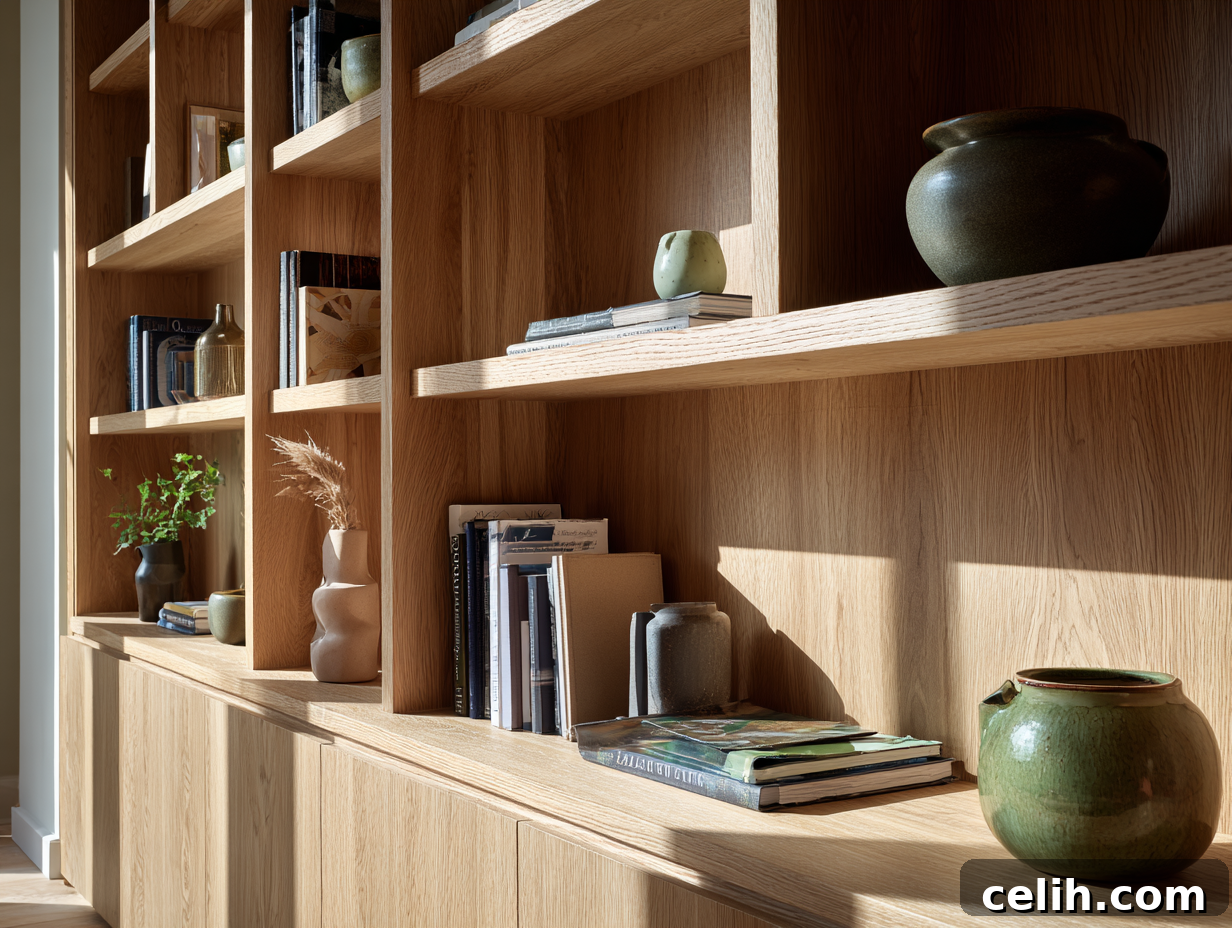
Another compelling reason why artisans and builders continuously return to oak is its exceptional workability. Despite its remarkable hardness and density, it can be cut, shaped, and machined with precision, allowing for the creation of intricate details without compromising its structural integrity. This perfect balance between strength and malleability makes it the ideal medium for projects where custom craftsmanship is a key feature.
From bespoke kitchen cabinetry and detailed staircase balustrades to complex timber-framed joinery, oak provides designers with the freedom to realize unique visions. It allows for the creation of truly personal and one-of-a-kind spaces, moving beyond the limitations of mass-produced solutions. Crucially, these custom-crafted elements are not merely decorative; they are built with the same enduring strength as the rest of the structure, ensuring that beauty and durability go hand in hand.
A Wise Investment: The Long-Term Value and Cost Efficiency of Oak
While oak may represent a higher initial investment compared to softer woods or engineered alternatives, its long-term value proposition is undeniable. Its exceptional durability translates directly into lower maintenance and repair costs over the building’s lifespan. An oak floor, for example, can be sanded and refinished multiple times, outlasting carpet or laminate many times over. This resilience means fewer headaches and reduced ongoing expenses for the property owner.
Beyond maintenance, oak contributes significantly to a property’s resale value. Features like solid oak doors, exposed beams, or hardwood floors are widely recognized as markers of quality and luxury, making a home more attractive to discerning buyers. When you consider the full lifecycle of a project—from construction to decades of use—the durability and timeless appeal of oak often make it a more economically sound choice than cheaper, less resilient materials that may require premature replacement.
Natural Durability: Resisting Time and the Elements
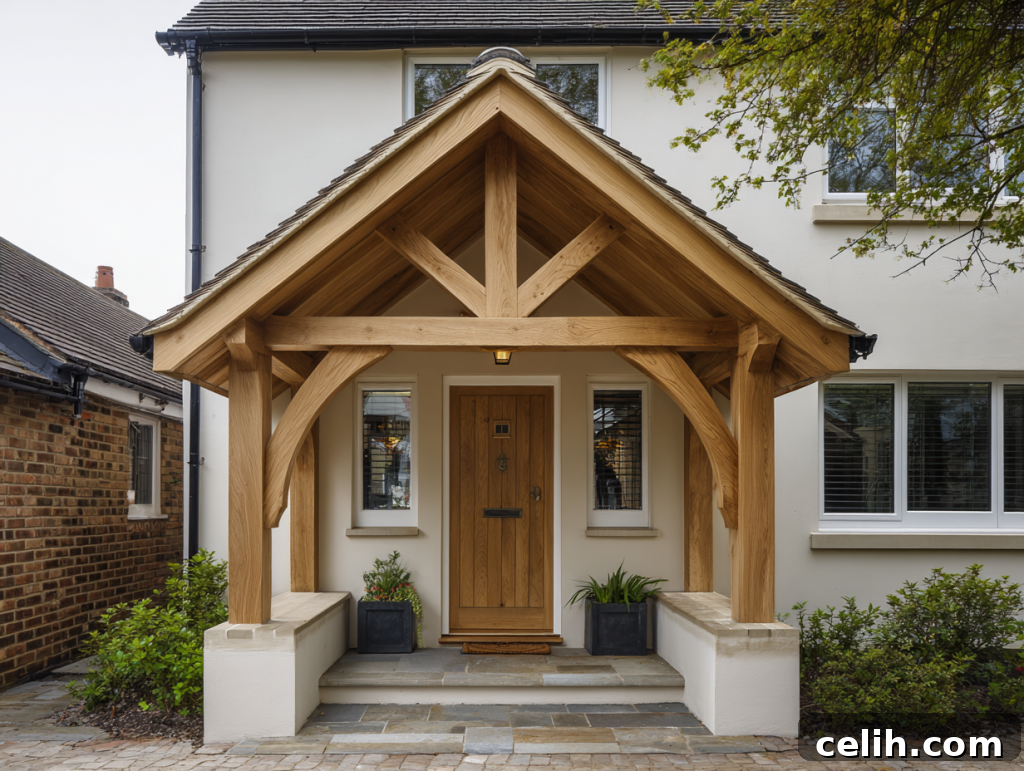
Oak’s resilience extends to its natural resistance to environmental threats. The wood is rich in tannic acid, a compound that makes it inherently resistant to fungal decay and insect attacks. This natural defense mechanism is why historical oak-framed buildings have stood for centuries, even in damp climates.
This robustness also makes it a superb choice for exterior applications. When properly detailed and finished, oak performs reliably in outdoor settings, standing up well to rain, wind, and fluctuating temperatures. It is a dependable option for everything from structural porch frames and exterior cladding to garden pergolas and gates, bringing the same sense of quality and permanence to the outside of a building as it does to the inside. This ability to bridge the indoor and outdoor environments further enhances its value in holistic architectural design.
Furthermore, sourcing high-quality timber from reputable suppliers like H&H Forestry Ltd ensures that the wood has been properly seasoned. This critical drying process stabilizes the wood, minimizing the risk of swelling or warping and guaranteeing its performance in a wide range of environments.
Conclusion: The Enduring Legacy of Oak in Construction
In a world of fleeting trends, oak remains an anchor of quality and authenticity in premium construction. It masterfully combines world-class strength, profound durability, and a versatile aesthetic that is equally at home in both contemporary and traditional settings. It is a material that rewards craftsmanship and elevates architectural vision.
Ultimately, choosing oak is an investment in certainty. It provides builders and designers with a reliable, high-performance foundation to create exceptional spaces, and it gives property owners the peace of mind that comes with knowing their home is built with a material that will endure, performing beautifully for generations to come. Its legacy is written in the structures that stand the test of time, a testament to its unwavering strength and timeless appeal.