
Life, by its very nature, encourages accumulation. From the moment we are born, we begin to gather experiences, knowledge, and yes, physical possessions. This instinct to collect is deeply rooted in human psychology, often driven by sentimentality, practicality, or even the simple joy of ownership. However, in our modern world, this natural tendency can easily spiral into a state of overwhelm, where an abundance of “stuff” begins to exact a toll on our mental, physical, and financial well-being, often bringing more negative impacts than positive ones.
While cherished objects and meaningful mementos undoubtedly hold a special place in our lives, a conscious effort to declutter and cultivate more intentional consumption habits can be profoundly transformative. Learning to release items that no longer serve a purpose or bring genuine joy, and adopting a more mindful approach to acquiring new things, are powerful habits that pave the way for a more organized, peaceful, and enriching existence. Let’s explore the compelling reasons why embracing a less cluttered lifestyle can significantly enhance your life.
Reclaim Your Space: Physical Freedom and Mental Clarity
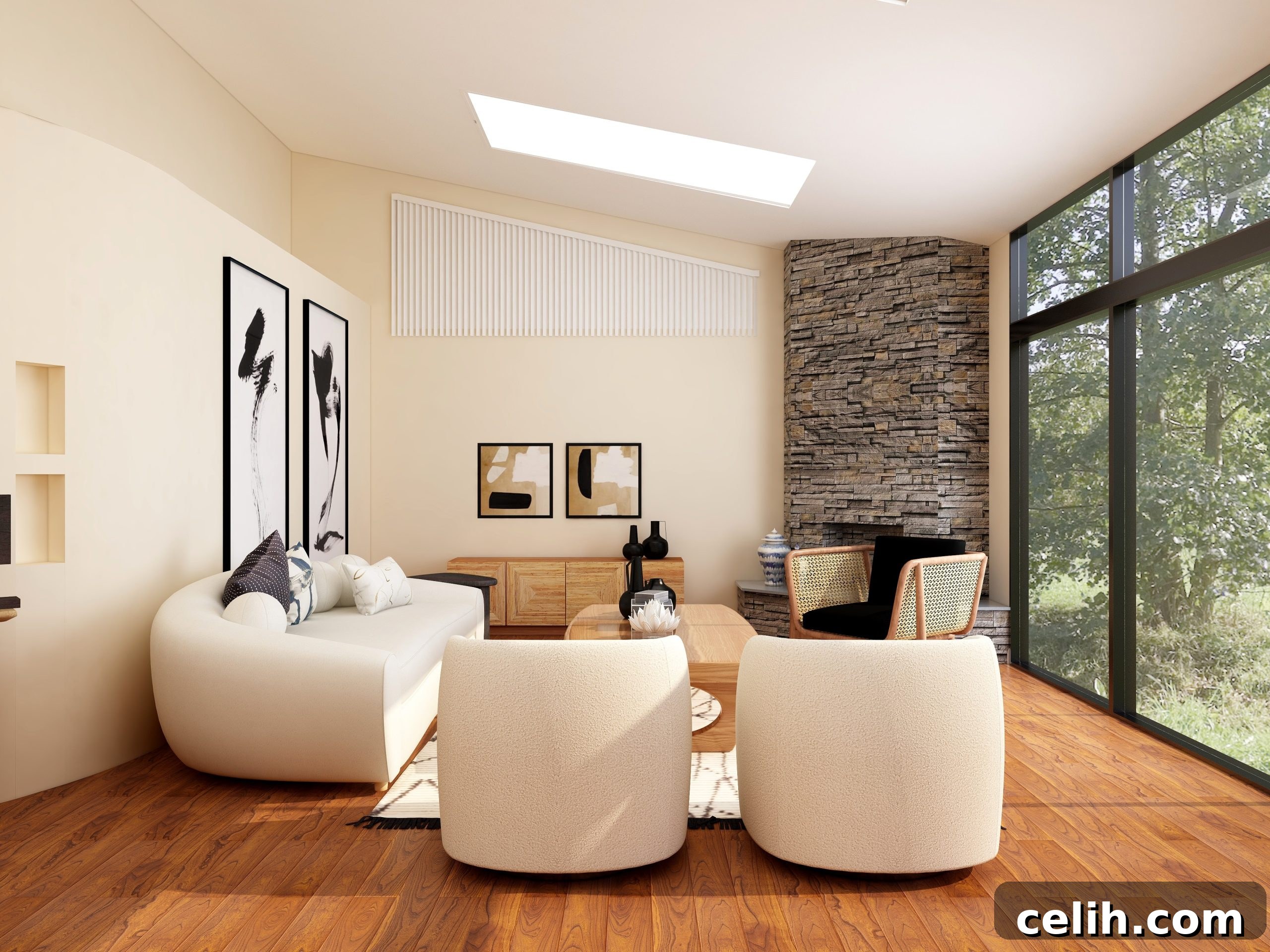
Perhaps the most immediate and tangible benefit of decluttering is the sheer increase in physical space. You might be genuinely astonished by the amount of additional room that emerges in your home after a thorough clear-out. Surfaces that were once buried beneath piles of papers and trinkets become accessible again, closets that overflowed with unused garments regain breathing room, and entire rooms feel larger and more inviting.
Beyond the aesthetic improvement, a clutter-free environment has a profound impact on your mental well-being. Imagine returning home after a demanding day at work to a sanctuary of order and calm, rather than a scene of chaos. Cluttered spaces often lead to cluttered minds, contributing to feelings of stress, anxiety, and overwhelm. Extensive research consistently highlights the significant mental health benefits of decluttering. It’s an incredibly effective strategy for reducing stress, promoting mental clarity, and significantly boosting your mood and overall sense of peace. When your surroundings are organized, your mind has more space to focus, relax, and create, fostering a more serene and productive living experience.
Moreover, an uncluttered home is not just more relaxing; it’s also remarkably easier to maintain. Everyday tasks become less daunting when there’s less “stuff” to navigate, move, or put away. This ease of maintenance translates into more free time for activities you genuinely enjoy, rather than constantly battling disarray. Ultimately, embracing a minimalist approach to your living space empowers you to design a home that truly supports your peace of mind and lifestyle.
Achieve Financial Freedom: Spend Less, Save More, Live Richer
One of the most powerful and often overlooked advantages of decluttering and adopting a more minimalist mindset is the substantial positive impact it can have on your finances. Once you develop the habit of critically assessing your spending patterns and distinguishing between needs and wants, you’ll inevitably identify opportunities to free up a significant amount of money that was previously allocated to unnecessary purchases.
This newly available capital can be strategically directed towards your financial goals. Whether you’re diligently building up your savings for a substantial future purchase like a home or a car, investing in your long-term financial security, or funding experiences that bring genuine joy and personal growth, mindful spending stemming from a decluttered lifestyle provides the flexibility to achieve these aspirations. Instead of constantly buying new items that may soon become clutter themselves, you invest in what truly matters.
Furthermore, decluttering isn’t just about saving money; it can also be a surprising source of income. Many unwanted or unused items around your home still hold value and can be sold to eager buyers. Thanks to a plethora of online platforms, apps, and local opportunities like car boot sales, flea markets, or consignment shops, turning your excess into extra cash is easier than ever. This process not only puts money back in your pocket but also gives your items a second life, contributing to a more sustainable consumption cycle. Embracing a decluttered financial approach helps you live a richer life, not in terms of possessions, but in terms of experiences, security, and true abundance.
Effortless Home Maintenance: Less Cleaning, More Living
For many, the idea of cleaning and tidying conjures up images of endless chores and frustrating hours spent battling disarray. However, a less cluttered home dramatically simplifies this often-dreaded task. It’s an undeniable truth that cleaning is always more laborious and time-consuming when you have an abundance of items to sort through, move, and dust around. By consciously avoiding clutter, you can significantly limit the need for arduous cleaning around the house, transforming it into a much quicker and more enjoyable process from start to finish.
Consider the difference between sweeping a clear floor versus one strewn with shoes, toys, or boxes. Wiping down an empty countertop takes seconds, whereas clearing and then cleaning a cluttered surface can take minutes. Dusting becomes a breeze when there are fewer knick-knacks and decorative items to lift and replace. This efficiency frees up precious hours in your week, allowing you to reclaim your evenings and weekends for relaxation, hobbies, or quality time with loved ones, rather than being perpetually tied to household chores.
Beyond daily cleaning, a decluttered environment also makes deeper cleaning tasks, like vacuuming and mopping, substantially easier and more effective. There are fewer obstacles to navigate, ensuring a more thorough clean with less effort. If you’re not a fan of household chores, embracing a minimalist approach to your possessions is truly a no-brainer. It’s a simple yet powerful strategy to streamline your home maintenance, reduce your chore burden, and make your living space a joy to keep tidy.
Enhance Home Safety: Minimize Risks, Maximize Peace of Mind
While often overlooked, the accumulation of excessive “stuff” within our living and working environments can pose genuine safety hazards, transforming a seemingly innocuous home into a potentially dangerous space. Clutter creates obstacles, reduces visibility, and can even contribute to more severe risks. From a purely practical standpoint, overloaded rooms, hallways, and staircases are classic slip, trip, and fall hazards. Every item left on the floor, every precarious stack of books, every trailing electrical cord increases the probability of an accident occurring.
This risk extends beyond just the occupants of the home. Should a visitor or service person sustain an injury due to preventable clutter in your home, you could potentially be held liable for the consequences, leading to legal and financial repercussions. By actively decluttering and maintaining clear pathways and orderly spaces, you significantly reduce the risk of injury for everyone who enters your home.
Beyond falls, clutter can also exacerbate other dangers. Overloaded electrical sockets hidden behind piles of possessions can become fire hazards. Blocked exits or windows can impede escape routes in an emergency. Sharp objects left exposed or unstable furniture can lead to cuts or other injuries, especially for children or pets exploring their surroundings. It’s undeniable that everyone would prefer to avoid stepping on a stray Lego brick, a forgotten plug, or anything remotely sharp or unstable. A well-organized, clutter-free home provides a safer, more navigable environment, bringing invaluable peace of mind to residents and guests alike.
Master Detachment: Cultivate Emotional Freedom and Resilience
One of the most profound, albeit less tangible, benefits of decluttering is the development of your capacity for detachment – a truly invaluable skill that extends far beyond physical possessions. As humans, we have a natural tendency to form attachments not only to objects but also to jobs, relationships, opinions, and even past experiences. While some attachments are healthy and fulfilling, an inability to let go of what no longer serves us can lead to stagnation, emotional baggage, and a diminished quality of life.
Holding on to possessions, especially those with little sentimental value or practical use, can be incredibly tempting. We often keep things “just in case,” out of guilt, or due to a vague sense of obligation. However, the act of decluttering forces us to confront these attachments, to evaluate what truly adds value to our lives, and to consciously release what doesn’t. This practice of discernment and letting go, initially applied to material items, gradually strengthens your emotional resilience and your ability to detach from other areas of life that may be holding you back.
Learning to release physical clutter cultivates a mindset of emotional freedom. It teaches you to appreciate the present, to prioritize experiences over objects, and to understand that your identity and worth are not tied to the things you own. This powerful skill of detachment can stand you in remarkably good stead across various facets of life, from navigating difficult life transitions and recovering from setbacks to fostering healthier relationships and embracing new opportunities. It’s a journey towards greater mindfulness, resilience, and a deeper understanding of what truly contributes to your well-being.
Positive Environmental Impact: A Step Towards Sustainable Living
Beyond the personal benefits, embracing a decluttered and minimalist lifestyle contributes significantly to environmental sustainability. Our consumer-driven society often promotes a cycle of constant buying, using, and discarding, which places immense strain on the planet’s resources. By reducing the amount of “stuff” we own and, more importantly, the amount of “stuff” we acquire, we actively participate in a more responsible and eco-conscious way of living.
Decluttering encourages thoughtful consumption. When you have a clear understanding of what you already own and what you truly need, you’re less likely to make impulse purchases that end up as landfill waste. This reduction in demand for new products lessens the environmental footprint associated with manufacturing, transportation, and packaging. Furthermore, when you declutter, many items can be donated, recycled, or sold, giving them a second life and diverting them from landfills. This circular approach to consumption helps conserve natural resources, reduce pollution, and minimize waste generation. Living with less is a powerful statement for a healthier planet, aligning personal well-being with global responsibility.
Improved Decision-Making and Productivity
The benefits of a decluttered environment extend even to our cognitive functions, specifically enhancing decision-making and overall productivity. A visually stimulating or chaotic environment can be a constant source of mental distraction, forcing your brain to process an overwhelming amount of information. This ‘cognitive load’ can lead to mental fatigue, making it harder to focus, think clearly, and make effective decisions.
In contrast, an organized and minimalist space reduces visual noise, allowing your mind to relax and concentrate on tasks at hand. When your environment is clear, your thoughts tend to follow suit. You’ll find it easier to prioritize, solve problems, and approach challenges with a clearer perspective. The time saved searching for misplaced items can be redirected towards more productive or enjoyable activities. This enhanced mental clarity and reduced distraction directly translate into improved efficiency, better quality work, and a greater sense of accomplishment throughout your day.
In essence, creating a harmonious external environment through decluttering also cultivates a more harmonious and effective internal mental landscape, empowering you to make sharper decisions and achieve more with less effort.
Avoiding clutter is not merely about tidiness; it’s an incredibly useful and transformative habit to develop, potentially benefiting you across every conceivable area of life. From creating more physical and mental space to fostering financial freedom, simplifying home maintenance, enhancing safety, cultivating emotional resilience, promoting environmental responsibility, and sharpening your cognitive abilities, the advantages are undeniable. Could you benefit from embracing a lifestyle with less clutter? The answer, for many, is a resounding yes, offering a pathway to a more peaceful, purposeful, and fulfilling existence.