
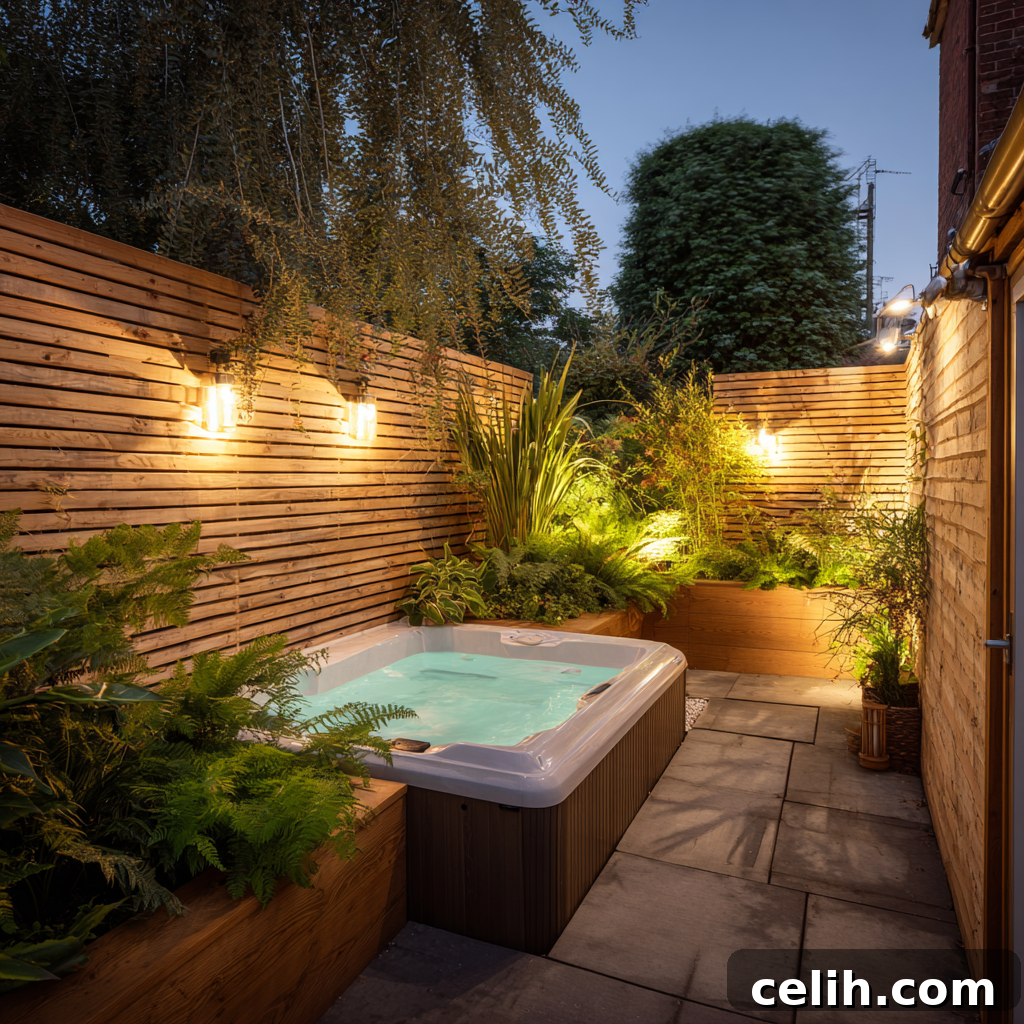
Do you look at your small garden or compact backyard and assume a hot tub is impossible?
That’s a common feeling when space is limited. Many people imagine a large, eight-person spa dominating every inch of the patio, leaving no room for anything else. In reality, a small garden and a hot tub can complement each other beautifully when you consider scale, layout and efficient use of space.
You don’t need a huge footprint. A compact patio, a narrow side yard, a tucked-away corner or an awkward patch that never worked for anything else can become a peaceful spot to relax. With more compact hot tub designs available now, it’s easier than ever to find a model that fits without overwhelming your garden or blowing the budget.
This guide covers the best small garden hot tub ideas for tight spaces: how to choose the right size, where to position the tub so it feels intentional rather than squeezed in, and simple design details that make your garden feel calm, considered and indulgent.
Choosing the Right Hot Tub Size for Compact Spaces
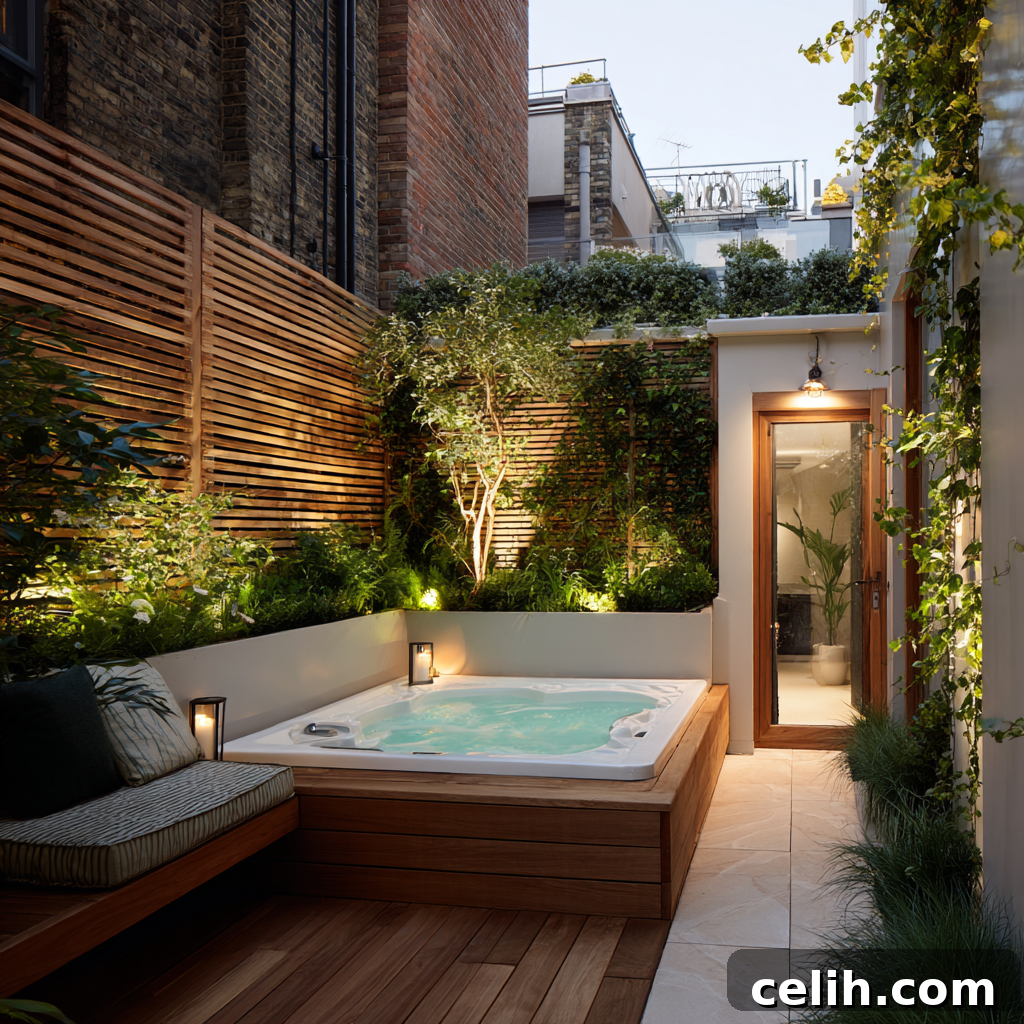
Many small-garden hot tub problems start before installation. People default to standard models without thinking about how the footprint will affect the rest of the garden. A tub that’s even a couple of feet too wide can break the flow and make the whole area feel cramped. The right-sized tub opens possibilities instead of closing them.
Practical options that work well in small gardens include:
- Two-person loungers: Typically 5.5–6.5 feet long and 4–5 feet wide. Great for narrow side yards or corner installs where length is needed but width is limited.
- Small hot tubs: Compact two-person models often measure around 5 x 3.5 to 5 x 5 feet. Available in round or rectangular shapes that balance comfort with space-saving design.
- Round four-person models: Usually 6–7 feet in diameter. They suit square or corner spaces and allow better circulation around the tub.
- Compact square tubs: Around 5×5 or 6×6 feet, useful when you need to sit the tub against a fence or wall without it jutting awkwardly into the garden.
- Plug-and-play inflatable options: Typically 4–6 feet across when inflated. These are flexible and suitable for renters or seasonal use.
Think smaller rather than bigger. Measure your available area, allow at least two feet of clearance on accessible sides for maintenance and visual breathing room, and shop for a tub that fits the remaining space. Your garden should still feel like a garden after installation, not just a hot tub surrounded by a thin strip of lawn.
Strategic Placement That Maximizes Space
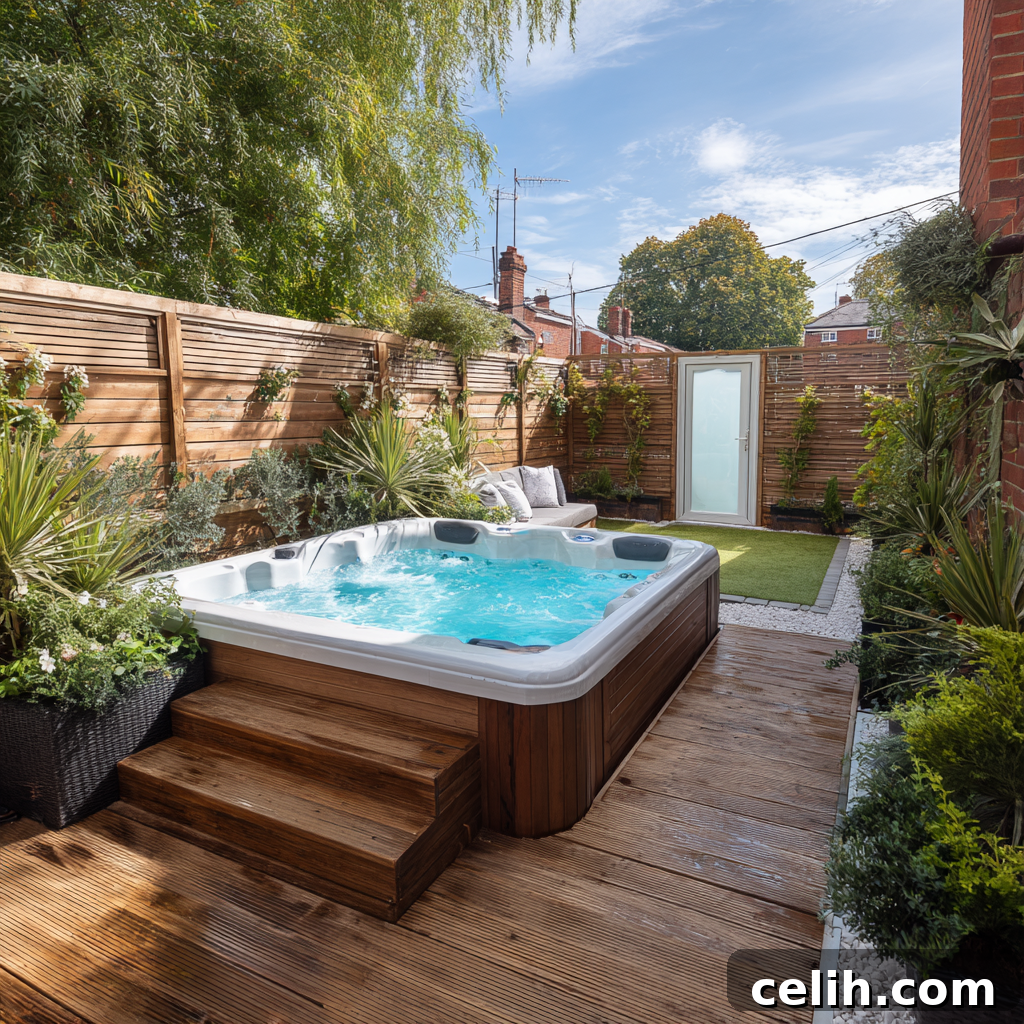
Placement matters more than the exact tub you choose. Poor positioning makes even a small tub feel intrusive. Smart placement creates zones, improves privacy, and can make your garden feel larger. The aim is integration, not domination.
Corner installations are ideal for tight spaces. Tucking a tub into a 90-degree corner formed by fences or walls uses dead space that’s rarely functional and gives natural privacy on two sides. Add a small deck or stone platform that wraps the corner to define the spa zone without sacrificing the main garden.
Against a fence or wall suits long, narrow gardens. Placing the tub along one boundary keeps the center open and creates a clear flow from the house to the spa. Include a narrow service path so access isn’t forced through planting or across the lawn.
Sunken or semi-sunken installs reduce visual bulk, especially in sloped gardens. Dropping the tub 12–18 inches below grade lowers its profile and makes it feel built into the landscape. Proper drainage and possibly a retaining wall are required, but the result is a less cluttered look.
Low deck platforms can work if kept compact. A platform 8–12 inches off the ground improves drainage and creates a defined spa area without bulky steps or railings. Keep the deck footprint tight—around 18 inches beyond the tub on accessible sides—and choose materials that complement the garden.
Don’t block access to the rest of the garden or position the tub where it interrupts natural pathways. The tub should feel like a destination, not an obstacle.
Is Your Garden Suitable? A Quick Checklist
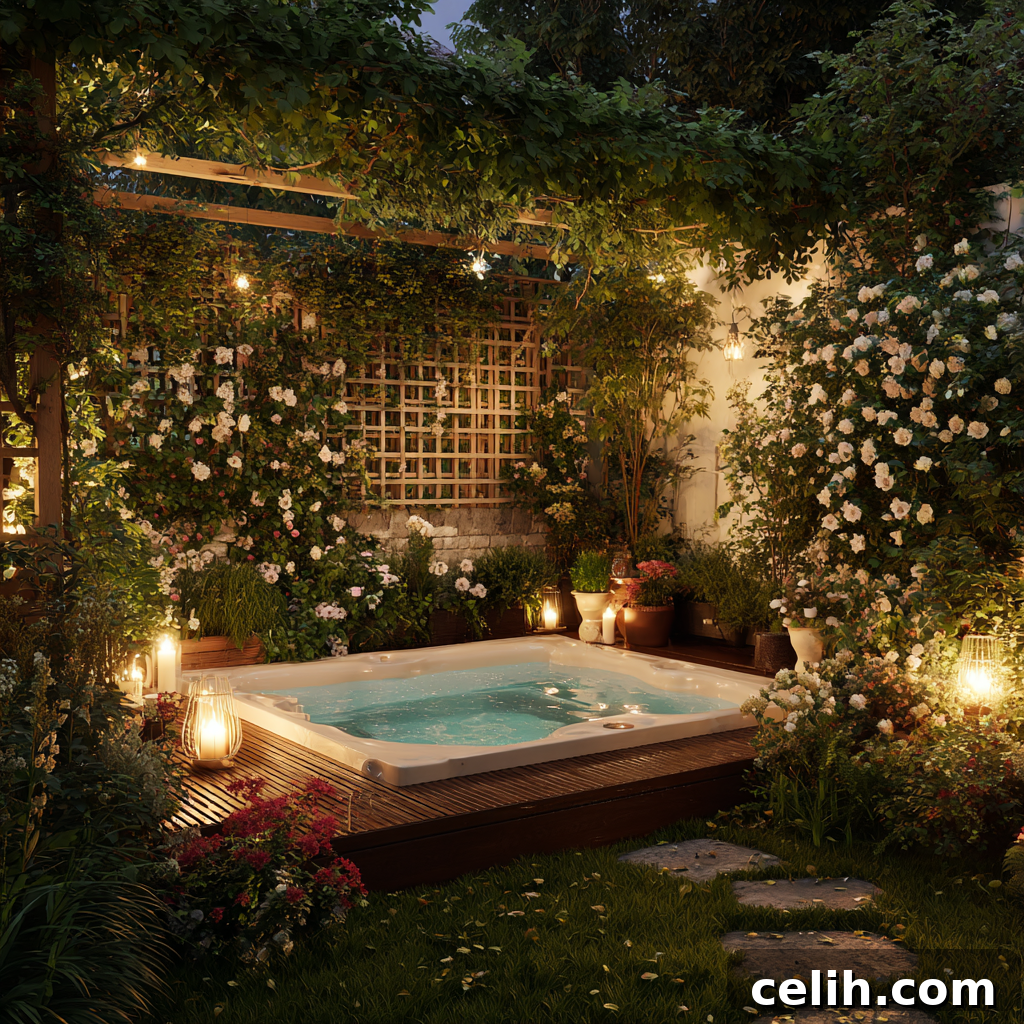
Before you commit, check the basics. A hot tub doesn’t need a lot of space, but it needs the right conditions.
- At least 5×5 feet of clear, level space?
- Can you safely run electricity there?
- Is there adequate drainage to prevent pooling?
- Can you create privacy from key sightlines?
- Will it block normal garden movement?
- Is the ground or structure strong enough to support the weight?
If most answers are yes, you’re in a good position. If not, more planning will be needed before installing a tub.
Planning Permission and Practical Considerations
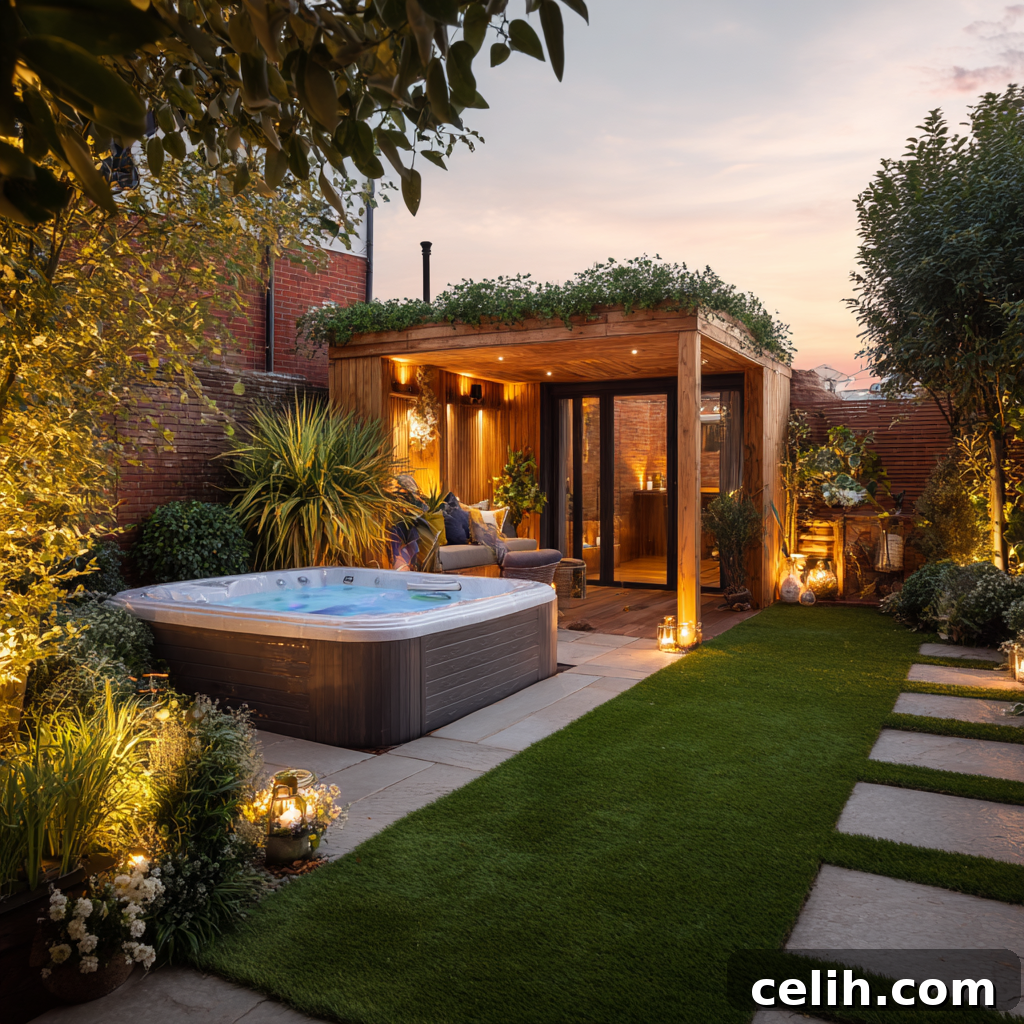
In many cases adding a freestanding hot tub won’t need planning permission, but local rules can apply if you build raised decking, tall structures or screens near a boundary. Check if your design pushes height limits or changes garden structure significantly.
Noise is another consideration. Pumps and jets are usually quiet, but sound travels in small gardens. Being mindful of neighbours, especially in the evening, avoids future issues.
Think about weight too: a filled hot tub with people can weigh several tonnes. If the tub sits on decking or a raised platform, ensure the structure is engineered to carry the load. A little upfront planning prevents costly problems later.
Decking and Surround Materials That Work
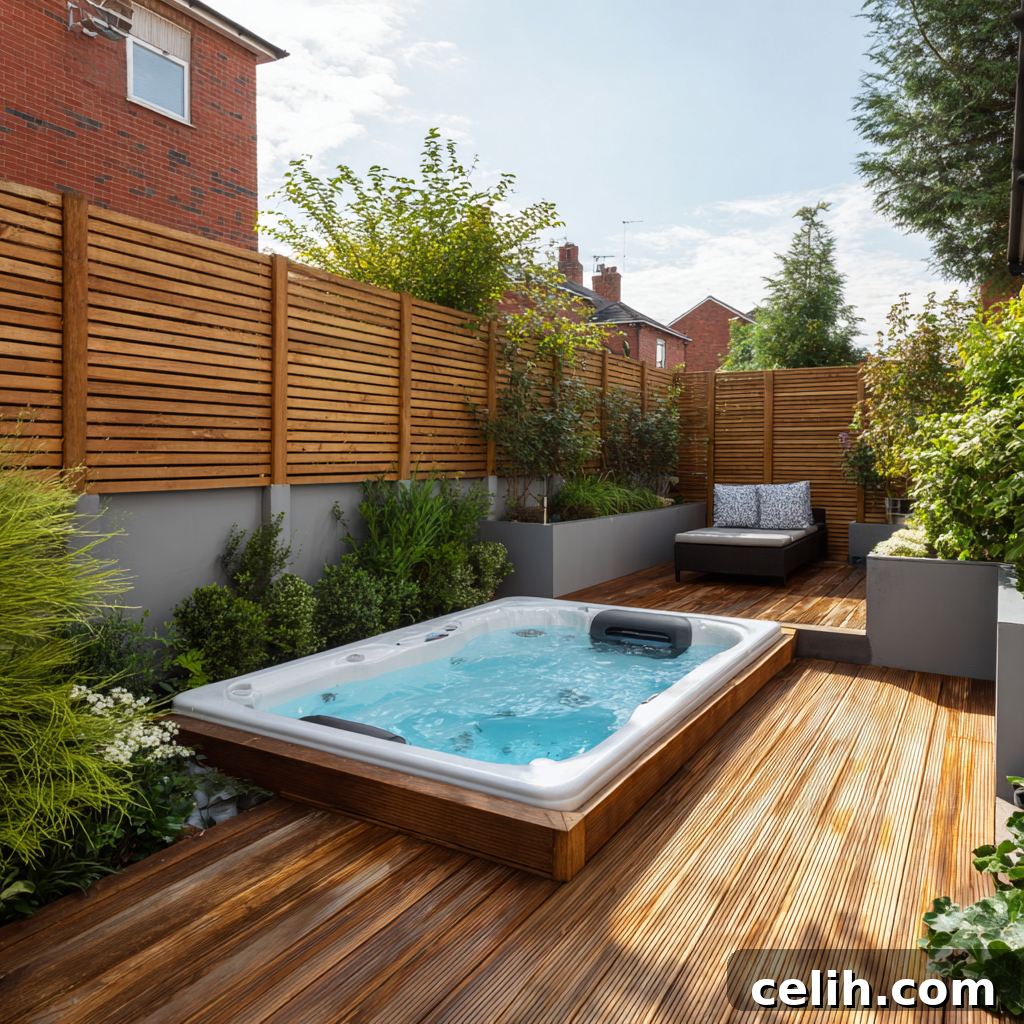
The surface around your hot tub determines whether it looks intentional or like an afterthought. A proper surround handles water, defines the space and can visually expand a small area.
- Composite decking: Low maintenance and splinter-free. Extend 18–24 inches beyond the tub where people enter. Laying boards horizontally can make narrow spaces feel wider.
- Natural stone pavers: Limestone, sandstone or bluestone give a spa-like finish. Large-format pavers reduce joins and make small areas look cleaner.
- Gravel with stone edging: Cost-effective and excellent for drainage. Use larger pebbles or river rock and contain them with edging for a neat finish.
- Poured concrete with a finish: Stamped, stained or brushed concrete offers a custom look at lower cost. Keep colors neutral and textures subtle to avoid overwhelming the space.
Make sure the surround manages water well: slope surfaces away from the house, use permeable materials or install drainage channels. Choose textures that give grip when wet and match the surrounding patio or fence so the tub looks integrated.
Privacy Screening Without Eating Up Space
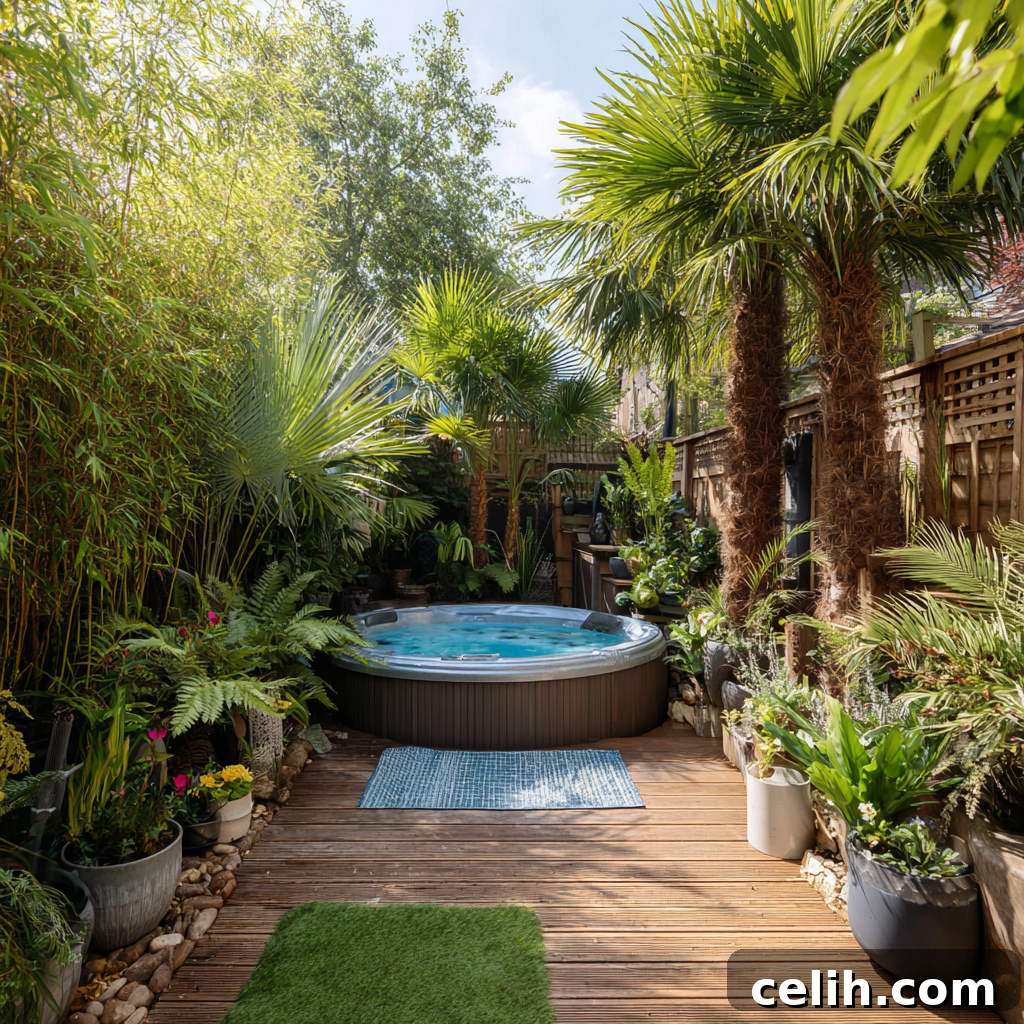
Privacy is important, but thick hedges or tall fences can make a small garden feel claustrophobic. Use selective screening to block sightlines while keeping the space open.
Vertical slatted screens with 2–4 inch gaps block direct views while allowing light and airflow. Stain or paint them to match or contrast with existing features.
Tall planters with bamboo or ornamental grasses create a living screen without using much ground space. Choose clumping bamboo or compact grasses and use large, movable planters for flexibility.
Climbers on trellis or wire grids grow vertically without taking floor space. Evergreen climbers give year-round cover, while deciduous varieties provide seasonal interest.
Retractable shade sails or curtains offer privacy on demand. Mount hardware above the tub and pull panels across when needed, keeping the space airy the rest of the time.
Target problem sightlines rather than screening every side. The aim is to block intrusive views without boxing yourself in.
Lighting That Creates Ambiance in Tight Quarters
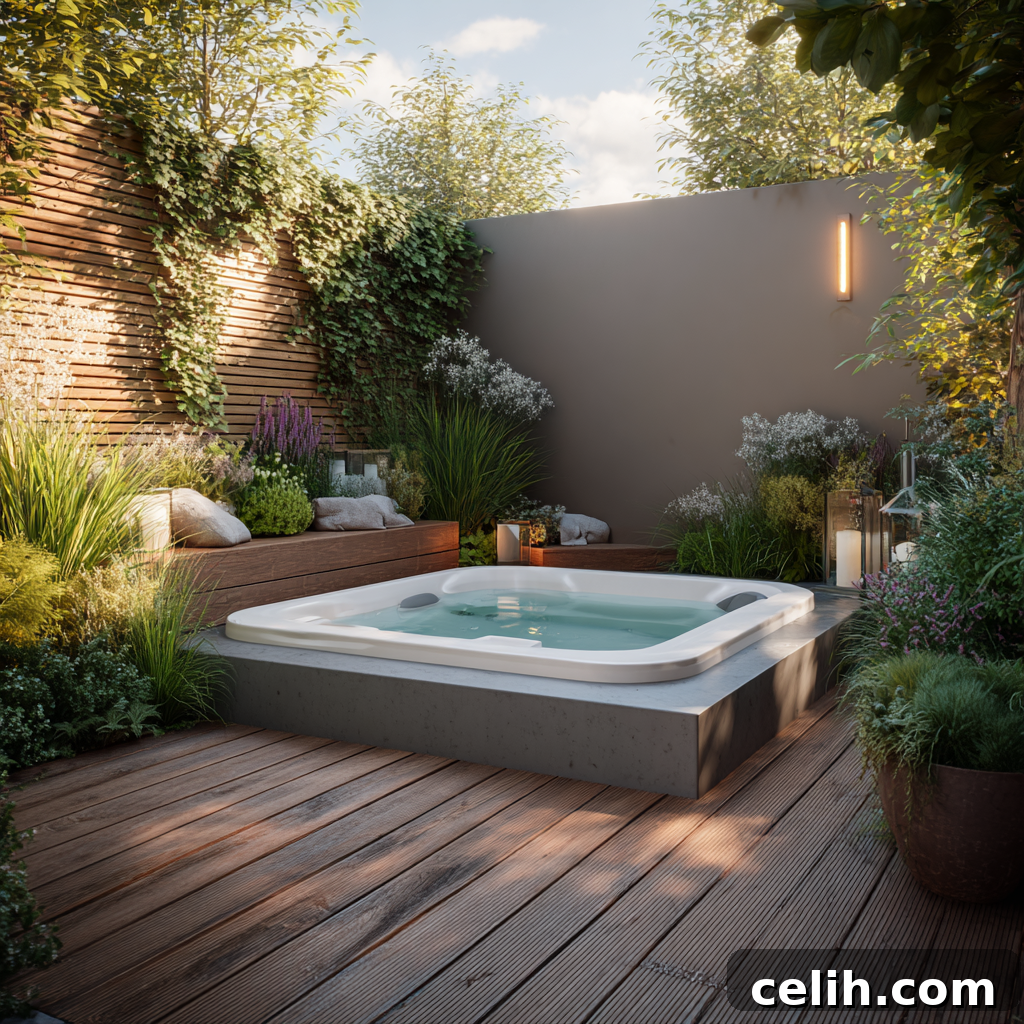
Good lighting transforms a small hot tub area into a cosy retreat. In compact gardens, fewer well-placed fixtures work better than multiple competing lights.
- Recessed deck lights: Low-voltage LEDs flush with the deck provide safety and discreet definition.
- Uplighting: Small spotlights aimed at screens or plants add depth and drama.
- String lights: A single strand of warm bulbs overhead defines the spa zone and adds warmth without bulky posts.
- Floating or submersible LED lights: These illuminate the water from within and reduce the need for extra exterior fixtures.
- Path and step lighting: Subtle ground-level lights guide access and keep the area safe without clutter.
Use warm white LEDs (2700K–3000K) and avoid bright floodlights. Dimmer switches or smart controls let you tailor the mood. Keep light directed into your garden to avoid glare on neighbouring properties and preserve privacy.
Landscaping In A Small Garden With Hot Tub
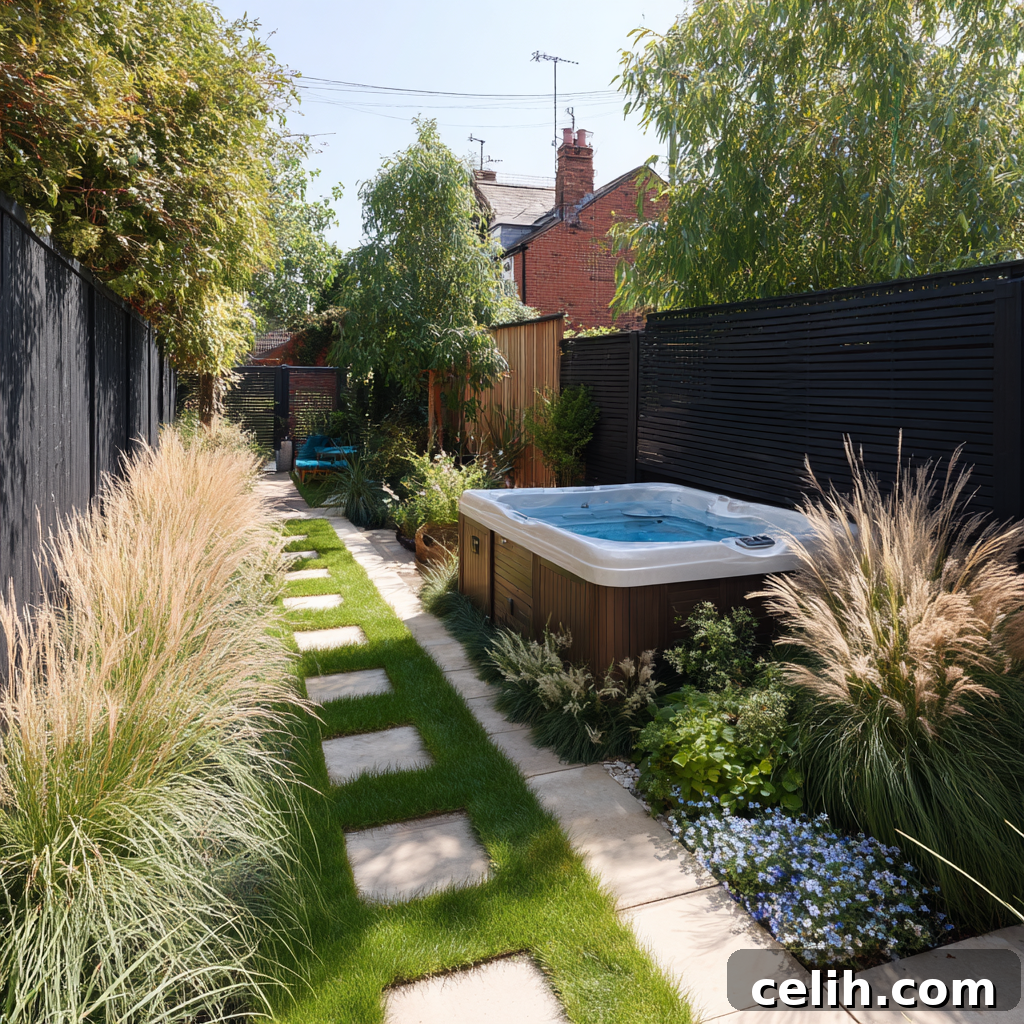
Plants turn a hot tub installation into a backyard sanctuary. Without greenery, even a well-designed tub can feel sterile. Strategic planting softens edges, creates privacy and integrates the tub into the garden.
Effective planting ideas include:
Evergreen shrubs such as boxwood or dwarf conifers provide year-round structure and a neat backdrop. Keep them trimmed so they screen without encroaching.
Ornamental grasses add movement and texture while staying compact. Plant in groups to soften deck lines and tub edges.
Fragrant plants like lavender, jasmine or gardenias enhance the soaking experience—place them nearby but not so close that debris drops into the water.
Tropical or architectural plants such as hardy palms, bamboo or fatsia add height and a spa-like feel when used sparingly.
Low groundcovers between pavers—creeping thyme, Irish moss or sedum—fill gaps and give a finished look while handling some foot traffic.
Avoid plants that shed lots of leaves, attract bees aggressively or have thorns near the tub. Choose low-maintenance species that earn their place by being attractive or functional.
Where To Buy Hot Tubs for Small Gardens
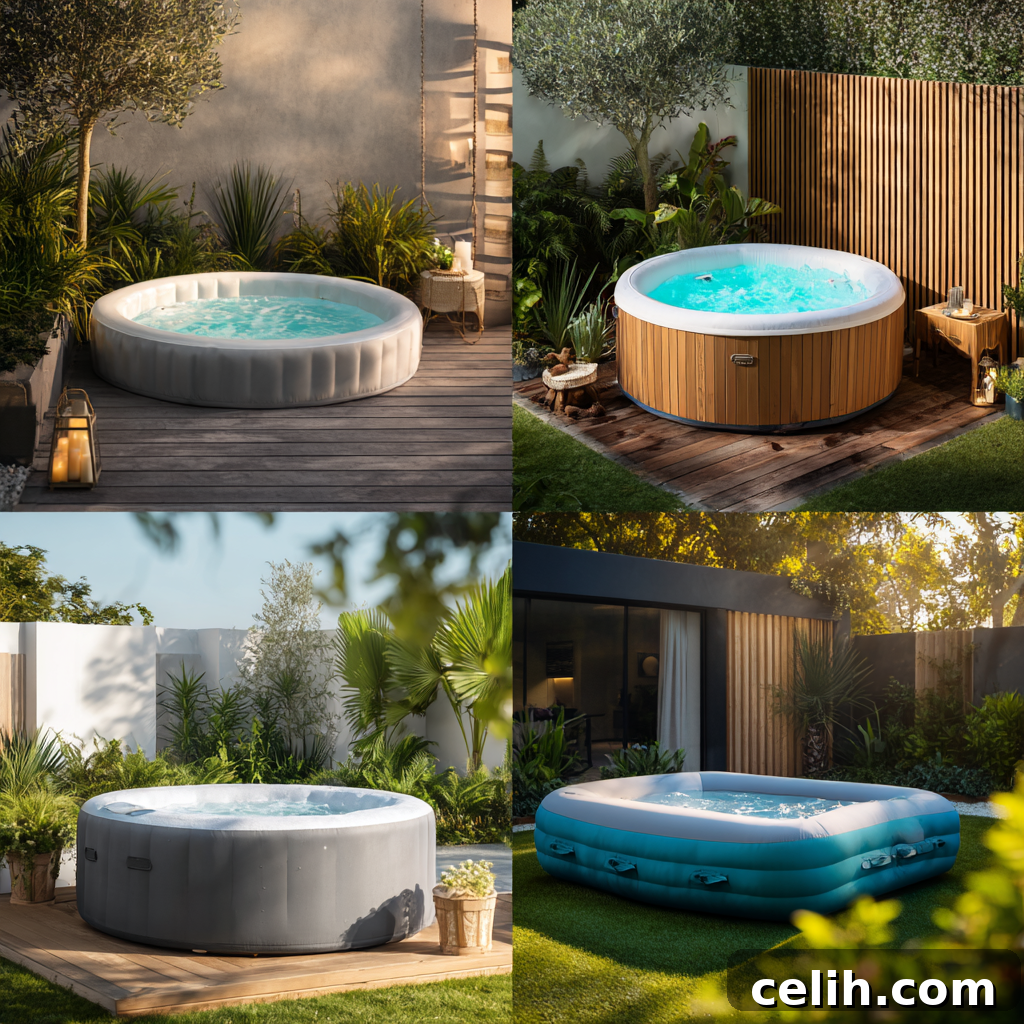
A compact hot tub can transform your outdoor space. Many buyers start with large home improvement stores or specialist spa suppliers that offer compact models designed for patios and courtyards. Dedicated retailers often provide expert advice on installation, energy efficiency and maintenance—especially helpful for tight gardens.
Online retailers and brand sites also make it easy to compare sizes, seating layouts and features from home. Before purchasing, check delivery access, electrical requirements and running costs so the tub suits your garden and lifestyle.
Budget Considerations and Cost Breakdown
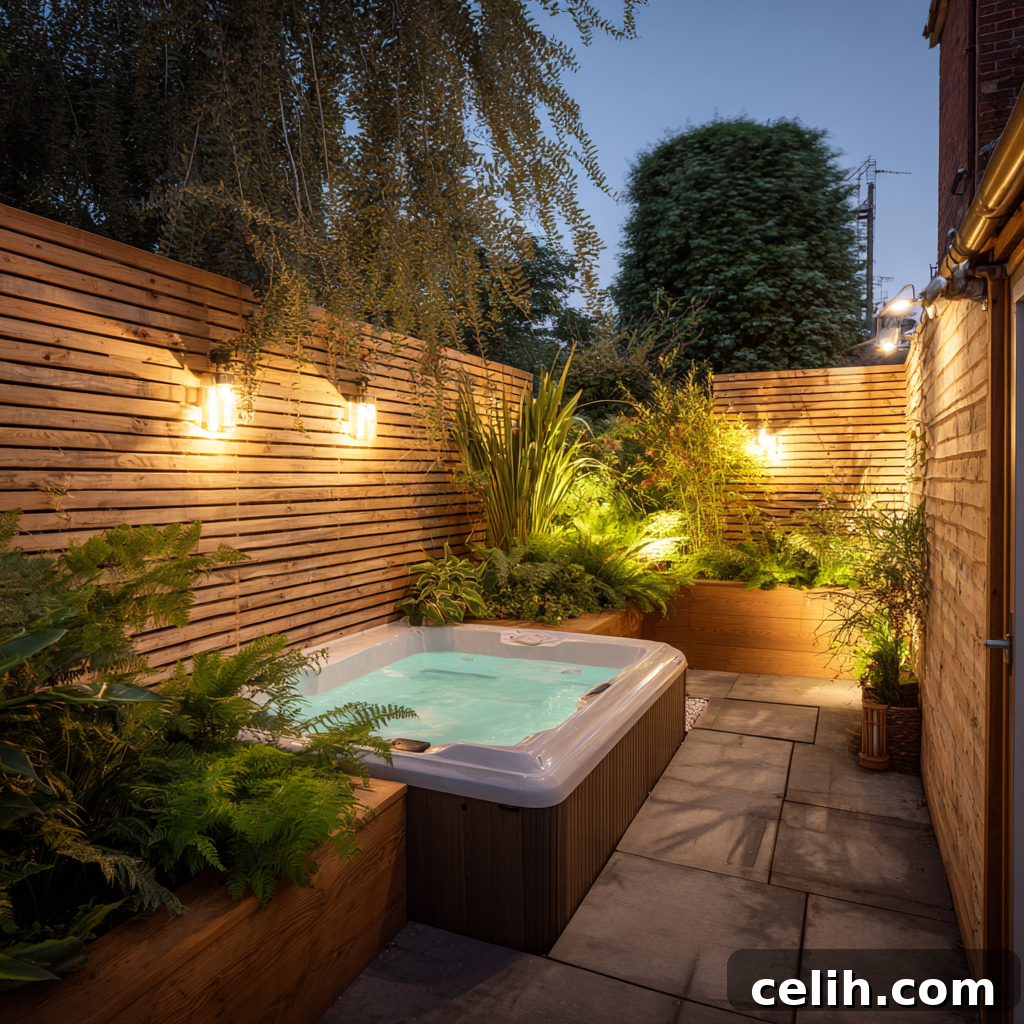
Costs vary widely depending on choices. You can spend around £300 on an inflatable setup or £12,000+ on a premium compact tub with custom surrounds. For a mid-range installation that looks and functions well, expect approximate costs as follows:
- Hot tub: £2,500–£5,000 for a quality compact hard-shell model. Inflatable tubs are cheaper but less durable.
- Electrical work: £600–£2,000 depending on distance from your panel and whether a dedicated 240V circuit is required.
- Base and surround: £800–£3,500 depending on materials. A basic gravel base is cheapest; composite decking or natural stone costs more.
- Privacy screening: £150–£1,200 depending on DIY or custom solutions.
- Landscaping: £250–£1,000 for plants, soil and installation.
- Lighting: £100–£500 for basic low-voltage and accent lighting.
Total for a complete small-garden setup typically ranges from £4,500 to £12,000. To control costs, consider doing landscaping and decorative work yourself while hiring professionals for tub installation and electrical work.
Common Mistakes to Avoid With a Small Garden Hot Tub
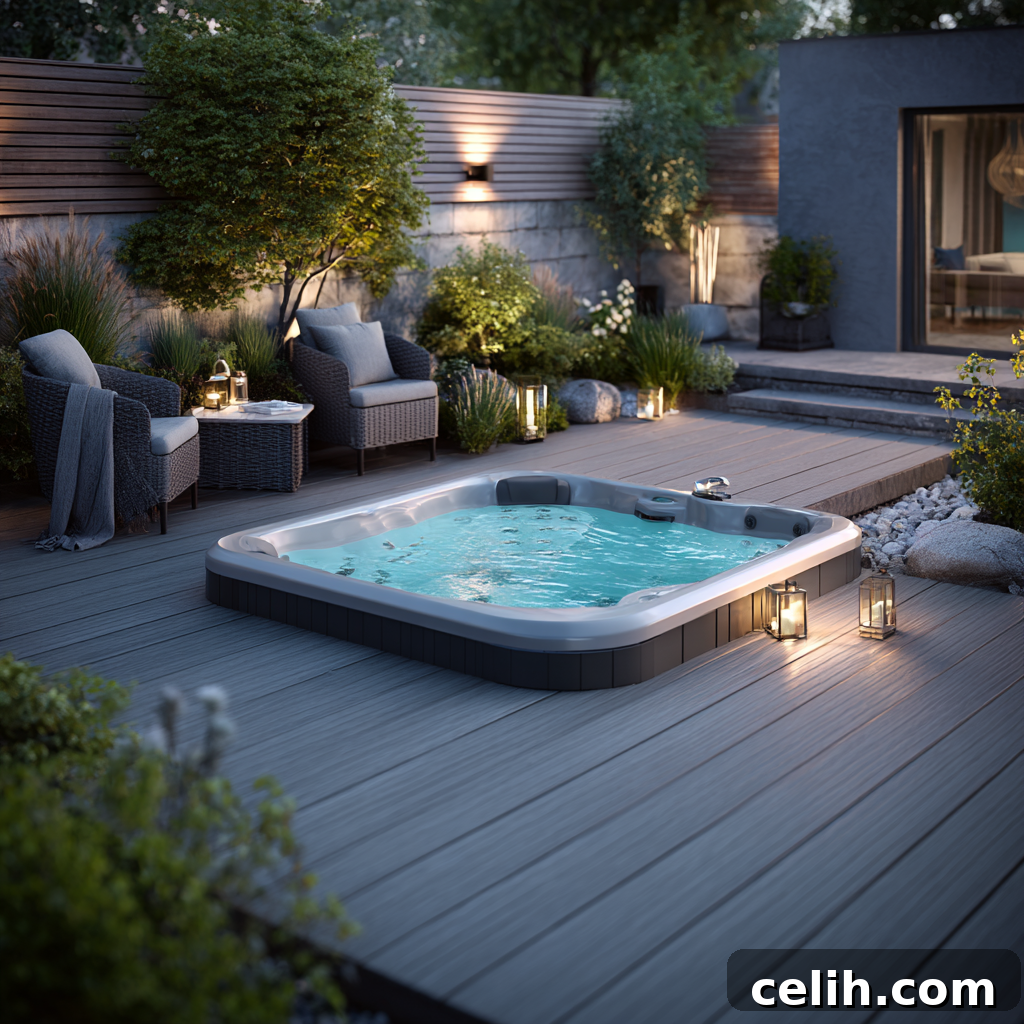
Small-garden hot tub projects often fail for predictable reasons. Avoid these common mistakes:
- Ignoring maintenance access: Leave 18–24 inches of clearance on the equipment side for servicing filters and pumps.
- Using the wrong base: Hot tubs need compacted gravel, a concrete pad or an engineered deck—soft ground or flimsy pavers will cause settling and damage.
- Overlooking drainage: Incorporate slope or drainage channels to prevent standing water and slippery surfaces.
- Undersizing electrical capacity: Most hot tubs require a dedicated 240V circuit with appropriate amperage—don’t rely on extension cords or undersized circuits.
- Blocking garden flow: Map how you move through the garden and avoid placing the tub in natural pathways.
- Skipping privacy planning: Address sightlines in the design phase rather than after installation.
- Over-accessorizing: In tight spaces, fewer well-executed elements beat too many competing features.
Successful projects consider the entire garden, not just the tub.
Maximizing The Hot Tub Experience In A Limited Space
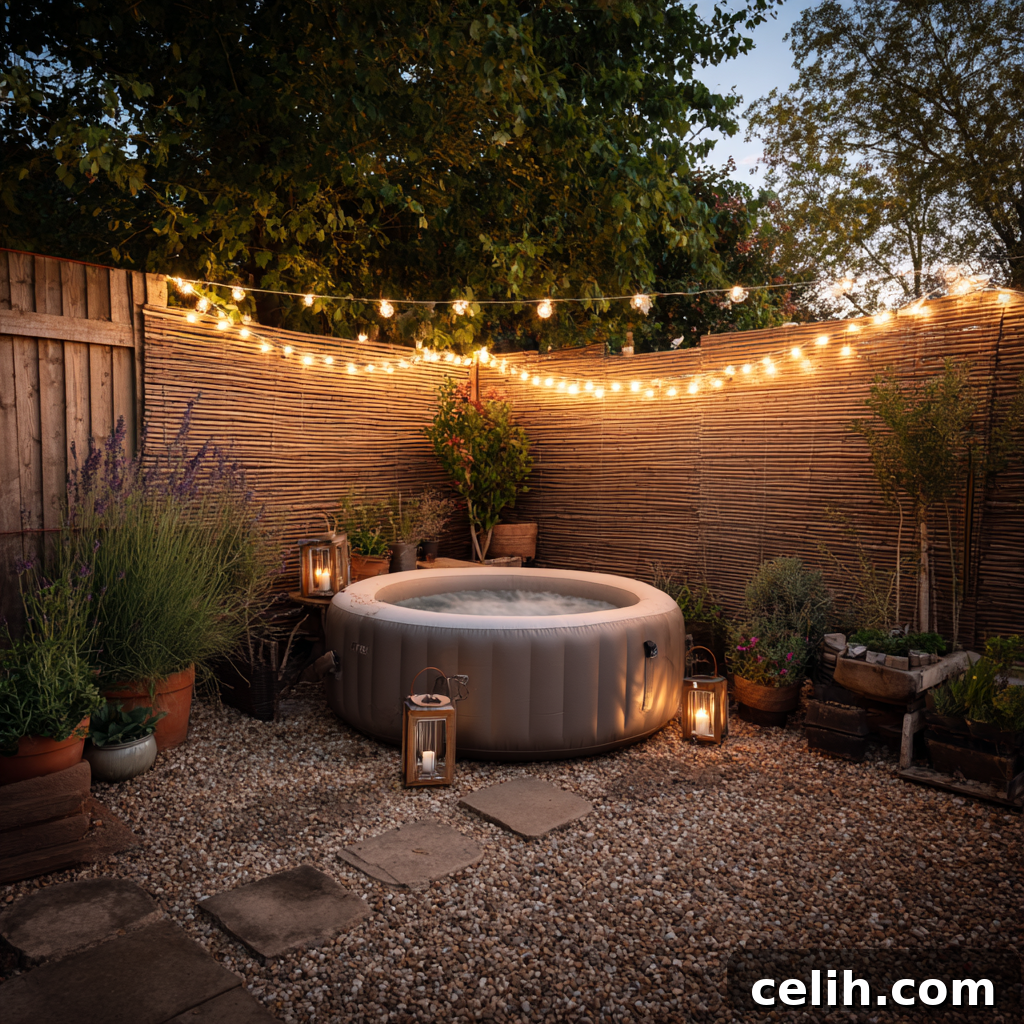
A small hot tub can feel as luxurious as a large spa when you focus on experience. Design the sightlines, sounds and tactile elements to make moments feel larger than the footprint.
Curate the view: Position the tub to face the most attractive part of the garden and screen less appealing views.
Add sound elements: A small fountain or subtle outdoor speakers masks street noise and deepens the atmosphere.
Include storage: Waterproof benches, wall hooks or compact side tables keep towels and accessories handy without cluttering the area.
Consider heating and season extension: Portable heaters or a small fire feature extend the season. Dual-purpose elements like heated seating maximize function without bulk.
Invest in water care: Good filtration and regular maintenance keep water clear and inviting—smaller tubs are easier to maintain but show neglect quickly.
Design with intention and you’ll create a space you actually use, not just a hot tub you own.
Running Costs and Ongoing Maintenance
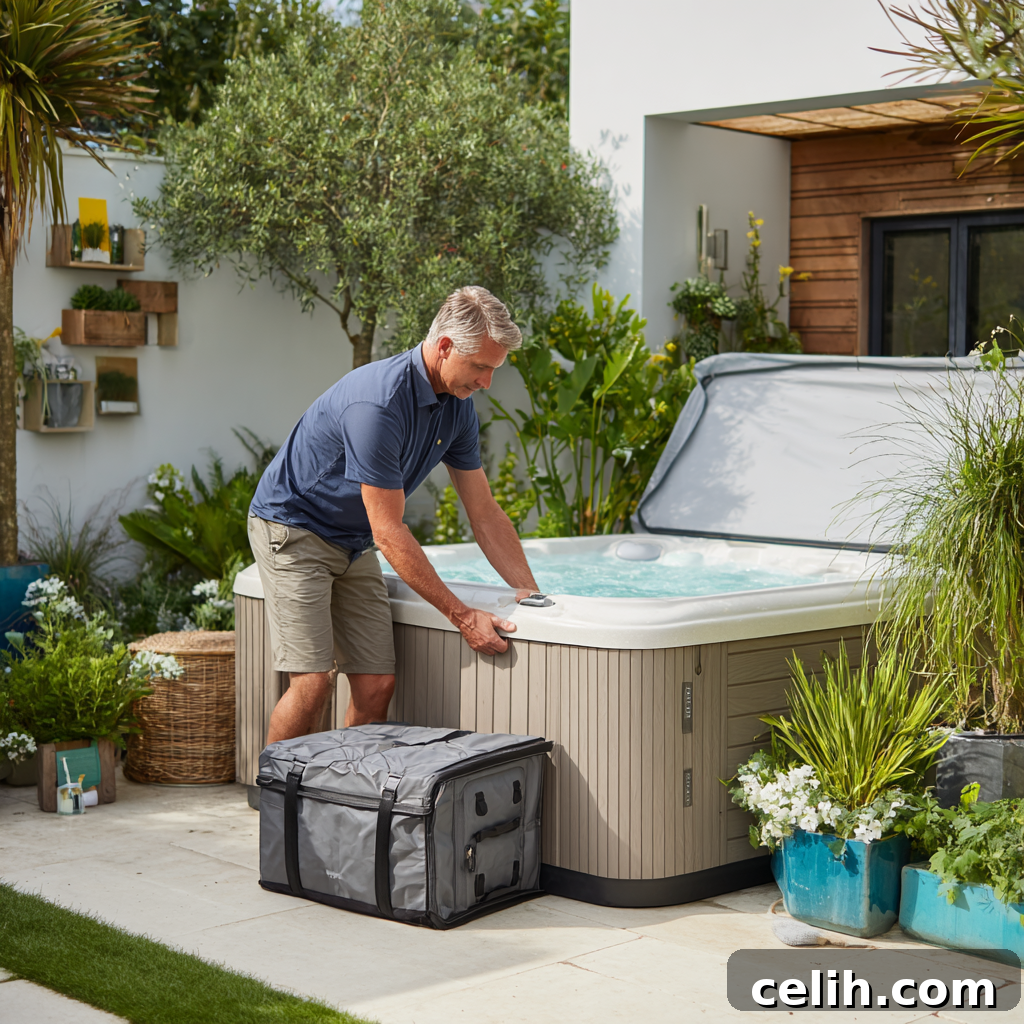
Upfront costs matter, but how a tub fits into everyday life matters more. Compact hot tubs usually cost less to run than larger models, but electricity bills depend on insulation, usage and cover quality. Expect roughly £20–£50 per month for a well-insulated small tub in regular use. Water changes are typically every 2–3 months and chemicals add around £10–£20 per month.
Keep the cover on when not in use, maintain a simple routine and avoid letting water quality fall—consistent care keeps running costs manageable and the tub inviting.
Seasonal Tips for Year-Round Spa Use
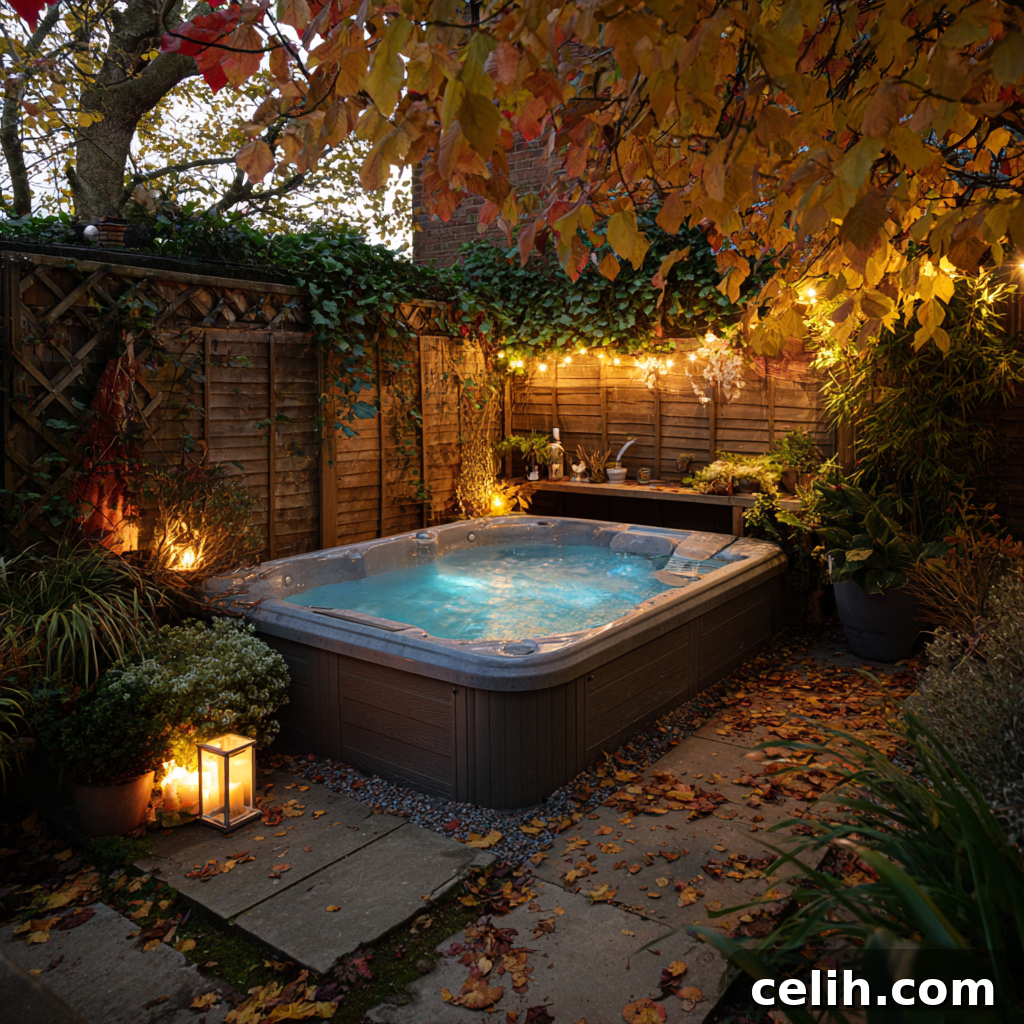
A well-designed hot tub area works all year. In winter, focus on warmth and protection—windbreaks, robe hooks and soft lighting make cold soaks comfortable. In summer, provide shade with a sail, pergola or planting. Autumn brings leaves, so position away from heavy tree cover or plan for extra cleaning. Spring is the reset—refresh planting, clean surfaces and check systems before regular use resumes.
Final Thoughts
A small garden doesn’t mean missing out on hot tub comfort. Compact spaces encourage thoughtful design: focus on what matters, how it feels and how it functions. Choose a tub that fits, position it to feel part of the garden, and add just enough greenery, soft lighting and privacy to make the space inviting without cluttering it. Get the balance right and your small garden becomes a retreat you want to use year-round.
Related Posts
Essential tips for installing an indoor hot tub
Why a relaxing soak depends on what you do after you leave the water