
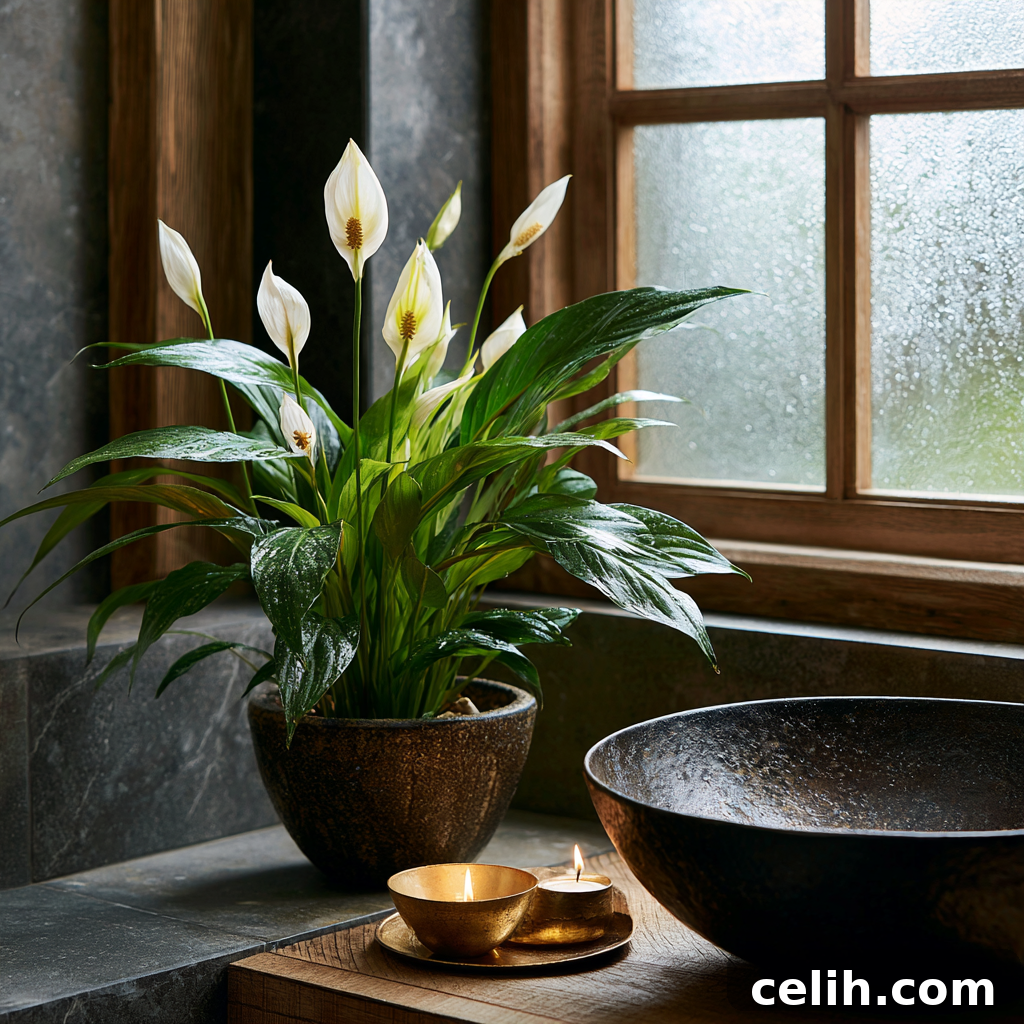
Your bathroom has no window, your bedroom faces a narrow alley, and the corner beside the bookshelf gets barely more light than a cupboard.
You still want real indoor plants. Not plastic leaves, not artificial greenery, and not another sad experiment that turns yellow after two weeks. If your houseplants keep fading, dropping leaves, or slowly declining, the problem may not be your care routine. More often, it is simply the wrong plant in the wrong place.
Low light does not mean you have to give up on greenery. It means choosing low-light indoor plants that are naturally suited to shaded rooms, darker corners, and spaces with indirect light. Many popular houseplants come from forest floors, where sunlight is filtered through dense tree canopies. These plants are adapted to survive with less light than sun-loving varieties.
This guide explains what low light really means, which houseplants are best for darker rooms, how to care for them, and which common mistakes to avoid if you want your plants to stay healthy for years.
What Low Light Actually Means
Many people describe a room as “low light” without knowing what that means for a plant. That uncertainty can cause problems, because plants still need enough light to photosynthesize. Low light is not the same as total darkness.
A low-light space usually receives indirect natural light or sits several feet away from a window. It may be a north-facing room, a bathroom with frosted glass, a hallway with borrowed light, or a corner that never receives direct sunshine. A simple test is this: if you can comfortably read a book during the day without switching on a lamp, the room has low light. If you need artificial lighting by midday, the space is very dark and your plant choices become more limited.
Here is what matters most:
- Duration matters more than intensity. A plant that receives steady, gentle light throughout the day may do better than one that gets a brief burst of weak sun and then sits in darkness. Consistent indirect light is often ideal for low-light houseplants.
- Distance from windows makes a big difference. Light levels drop quickly as you move away from a window. A plant five feet from a window receives far less light than one placed two feet away. Moving a struggling plant slightly closer to natural light can make a noticeable difference.
- Artificial light can help. Standard household bulbs may offer limited support, while full-spectrum grow lights are more effective. If your room is dark all day, supplemental lighting can help keep even shade-tolerant plants healthier.
Before buying a plant, observe your space at different times of day. Understanding your light levels is the first step toward choosing the best indoor plants for low light.
The Toughest Low Light Champions
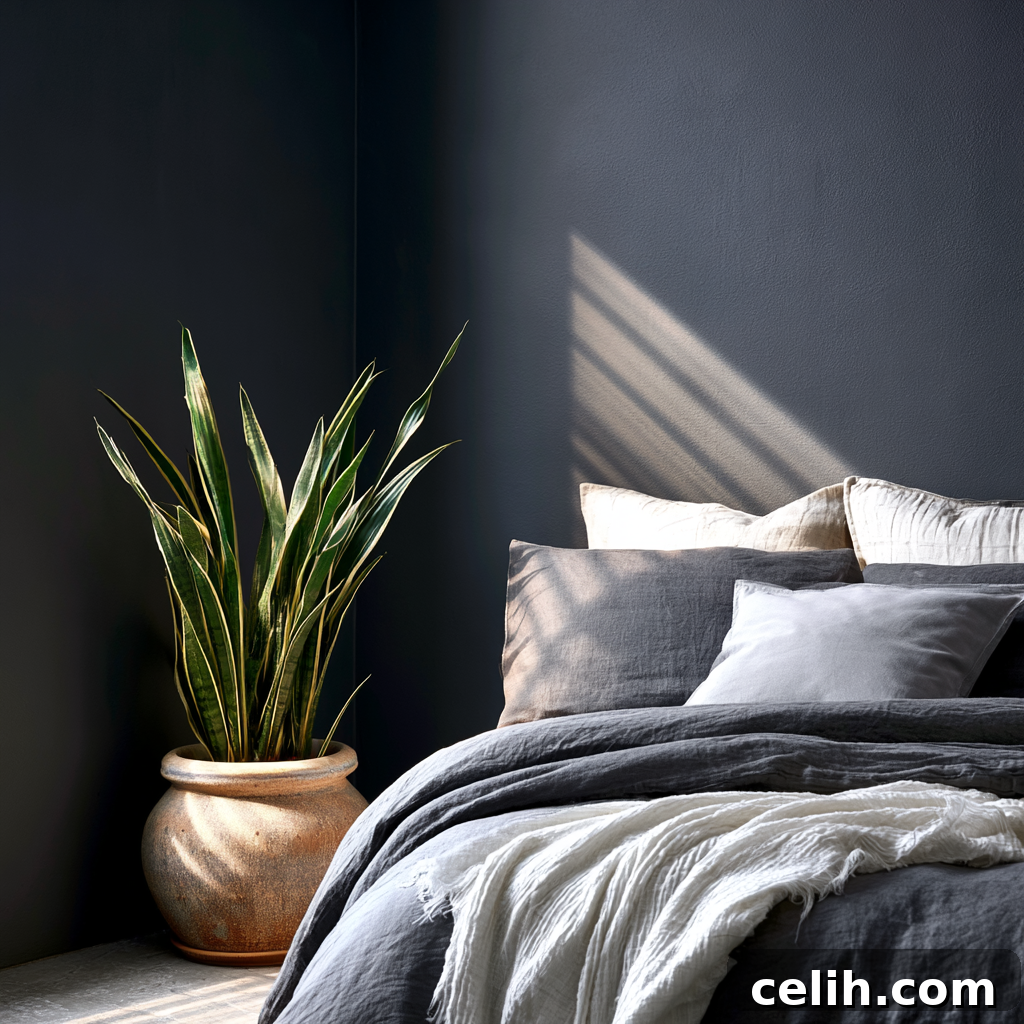
Some houseplants tolerate low light. Others are remarkably resilient in shaded indoor spaces. These are some of the easiest low-light indoor plants for beginners, busy households, and anyone who has struggled to keep plants alive.
Snake Plant (Sansevieria) – The snake plant is one of the toughest houseplants you can grow. It tolerates low light, dry air, and irregular watering. Its biggest weakness is too much water, especially in a dim room where soil dries slowly. Water every two to three weeks, depending on the season and soil moisture, and allow the potting mix to dry out between waterings.
Pothos (Epipremnum aureum) – Pothos is a reliable trailing plant that works beautifully on shelves, bookcases, and hanging planters. It can grow in fluorescent office lighting and dim corners, although its leaves may become smaller and less variegated in very low light. Water when the top two inches of soil feel dry, and trim long vines to keep the plant full.
ZZ Plant (Zamioculcas zamiifolia) – The ZZ plant has thick, glossy leaves and underground rhizomes that store water. This makes it extremely tolerant of neglect. It grows slowly in low light, but it can remain attractive and healthy with minimal attention. Water sparingly, often about once a month, and always let the soil dry well before watering again.
Cast Iron Plant (Aspidistra elatior) – The cast iron plant lives up to its name. It has a long history as a tough indoor plant and can handle shade, temperature changes, and occasional missed waterings. It prefers soil that is allowed to dry slightly rather than staying wet. Water every one to two weeks, depending on conditions, and keep it out of direct sun.
Philodendron (Heartleaf variety) – Heartleaf philodendron is another excellent vining plant for lower light rooms. Its heart-shaped leaves stay attractive in shade, and it is generally easy to care for. It can be trained up a support, allowed to trail, or trimmed regularly for bushier growth. Water when the soil is mostly dry.
If you are new to houseplants, these five are a strong place to start. When they struggle, the cause is usually overwatering rather than a lack of attention.
Best Plant Choices for Style and Variety
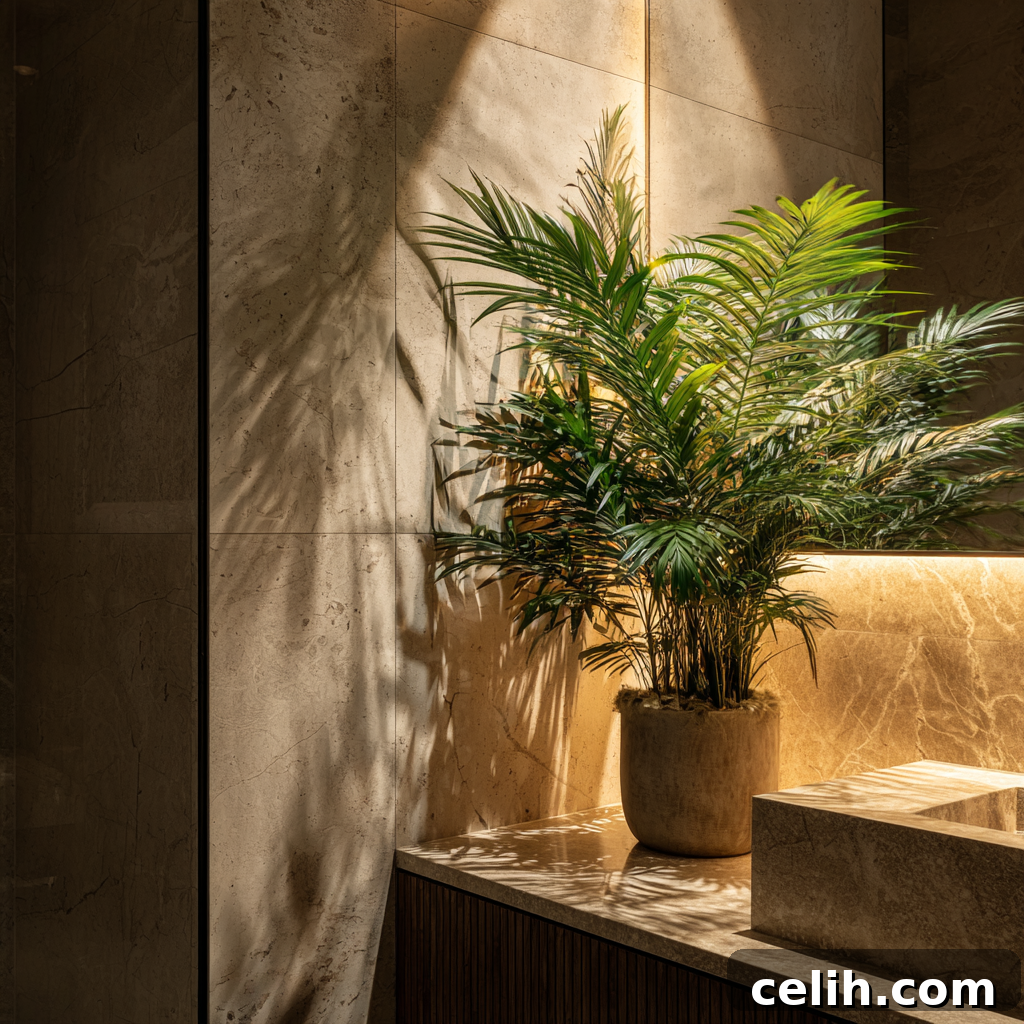
Once you understand the basics, you can use low-light houseplants to add texture, height, and color to darker areas of your home. These plants bring variety without demanding bright, direct sunshine.
Dracaena – Dracaena varieties are tall, architectural, and well suited to indoor spaces. Their upright growth makes them useful for corners or narrow areas where you want height without too much spread. Some have striped leaves, while others are deep green. Dracaenas tolerate lower light and infrequent watering, but brown tips can appear if watering is inconsistent or tap water affects the leaves.
Peace Lily (Spathiphyllum) – Peace lilies are among the few low-light plants that can produce flowers indoors. Their white blooms appear more often in bright indirect light, but the plant can still perform well in dimmer rooms. Peace lilies are also easy to read: they wilt dramatically when thirsty and usually recover quickly after watering. Keep the soil lightly moist, but not soggy.
Chinese Evergreen (Aglaonema) – Chinese evergreen is valued for its patterned foliage, which may include shades of green, silver, pink, or red depending on the variety. It grows slowly in lower light but usually remains full and colorful. Let the soil dry slightly between waterings, and wipe the leaves occasionally so dust does not block light.
Parlor Palm (Chamaedorea elegans) – Unlike many palms, the parlor palm can cope with lower light conditions. It adds a soft, tropical look to rooms that do not receive strong sunlight. Keep the soil slightly moist, avoid letting it sit in water, and consider occasional misting if your home is very dry.
Combining different leaf shapes and growth habits can make a dim room feel lush without making plant care complicated.
Watering Rules That Keep Plants In Low-Light Rooms Alive
Overwatering is the most common reason low-light indoor plants die. In lower light, plants grow and photosynthesize more slowly, which means they use less water. If you water them as often as plants in bright light, the roots may stay wet for too long.
Check the soil, not the calendar. Push your finger about two inches into the potting mix. If it feels dry, water. If it still feels damp, wait. The same plant may need water weekly in a bright room but only every two or three weeks in a darker corner.
Water thoroughly, then pause. When watering, soak the soil until water runs through the drainage holes. This helps the entire root ball receive moisture. After that, wait until the top layer dries before watering again. Small, frequent splashes encourage weak roots and can contribute to rot.
Use pots with drainage holes. Good drainage is essential for low-light houseplants. If you want to use a decorative pot without holes, place the plant in a plastic nursery pot inside it and remove the nursery pot when watering.
Adjust with the seasons. Many indoor plants grow more slowly in winter and need less water. Pay attention to how fast the soil dries rather than following the same routine all year.
Learning to water correctly is the single biggest improvement you can make to your indoor plant care routine.
Common Mistakes That Kill Low Light Plants
Even easy-care houseplants can fail if their basic needs are misunderstood. These are the most common problems to avoid.
- Overwatering in the name of care. Yellow leaves, soft stems, and a musty smell often point to too much water. Let the soil dry before watering again and avoid keeping the pot constantly damp.
- Placing plants in complete darkness. Low light is not no light. A windowless room, closet, or dark basement will usually require a grow light if you want plants to survive long term.
- Using soil that stays wet for too long. Dense potting mixes can hold excess moisture in dim conditions. Use a well-draining houseplant mix, or add perlite to improve airflow and drainage.
- Ignoring pests. Spider mites, mealybugs, and fungus gnats can affect indoor plants even in low light. Inspect leaves and stems regularly, and clean foliage to keep plants healthier.
- Expecting rapid growth. Low-light plants often grow slowly. A few new leaves over time is a positive sign. Slow growth is normal; sudden decline is not.
Avoid these mistakes and your low-light indoor plants are much more likely to remain healthy with minimal maintenance.
How to Know If Your Plant Is Actually Happy
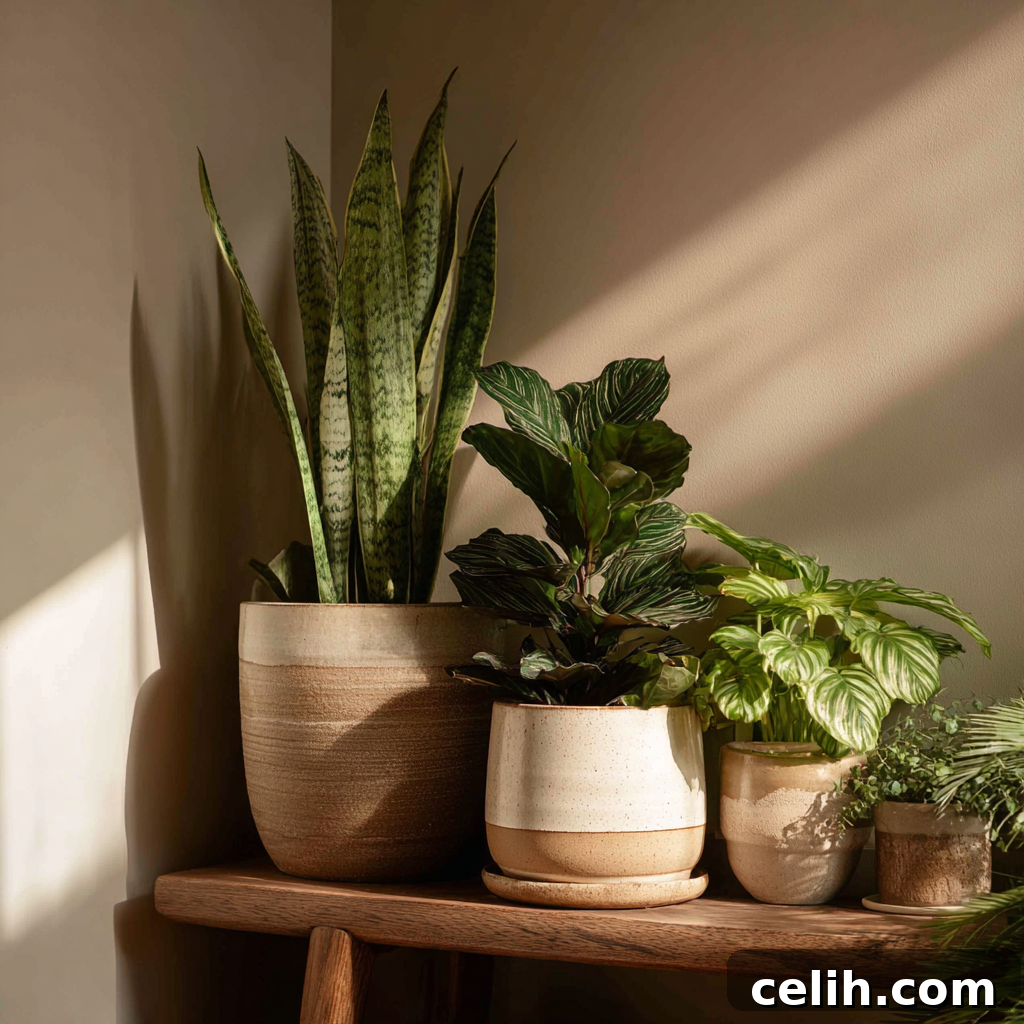
Plants show clear signs when their environment is working. Learning to read those signs helps you adjust care before problems become serious.
New growth means success. Even slow new growth shows that the plant is receiving enough light and water to continue developing. Leaves may be smaller in low light, but steady growth is a good sign.
Leggy stems suggest insufficient light. If stems become long and stretched with wide gaps between leaves, the plant is reaching for more light. Move it closer to a window or consider a grow light.
Yellow lower leaves can be normal. Older leaves naturally age and fall away. One or two yellow leaves near the base are usually not a concern. Several yellow leaves appearing quickly may indicate overwatering, stress, or pests.
Brown crispy tips may point to dry air or uneven watering. If the rest of the plant looks healthy, adjust your watering slightly or improve humidity if your home is very dry.
Stable growth is still a win. A plant that remains green and healthy month after month is doing well, even if it is not growing dramatically. Low-light plants do not need to grow quickly to be successful.
The goal is a healthy, living plant that stays attractive in your space. In low-light conditions, steady and stable is often exactly what you want.
Troubleshooting When Things Go Wrong
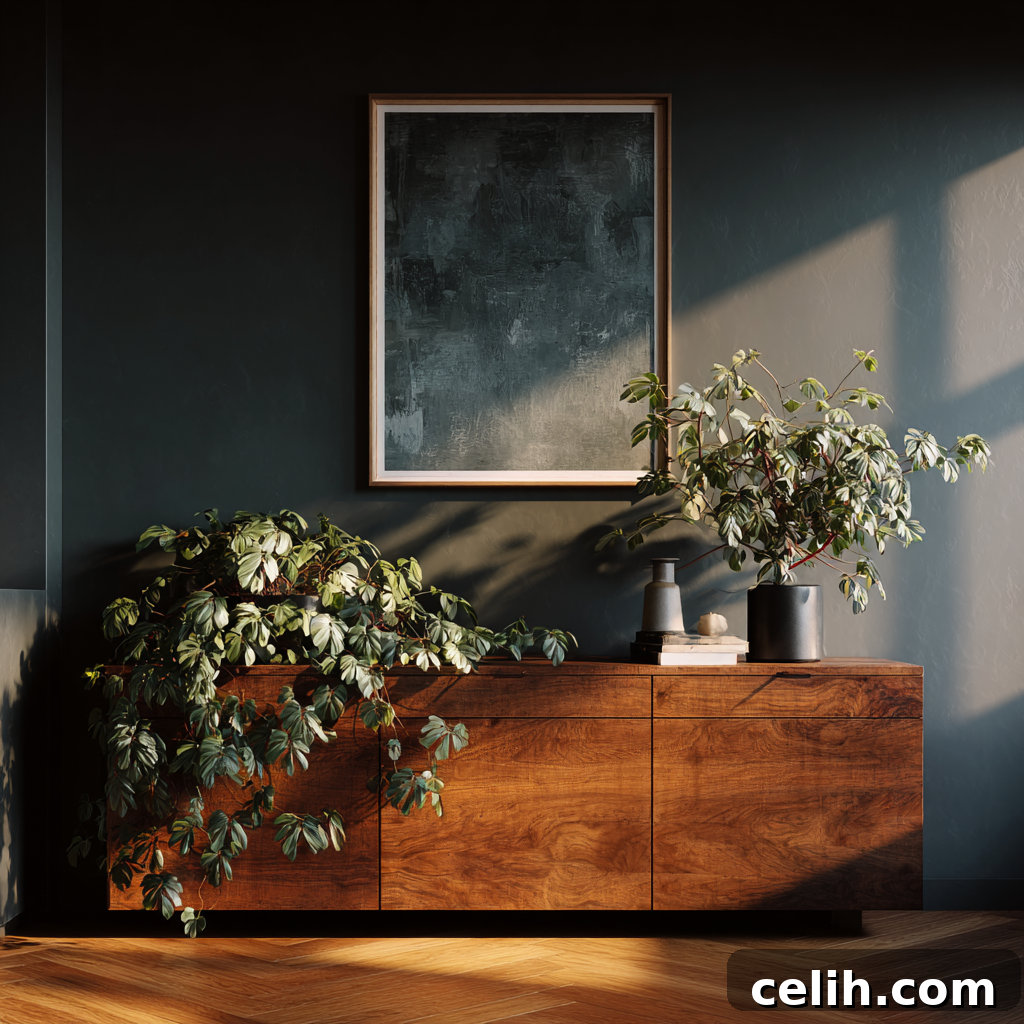
Even the best low-light houseplants can struggle. The key is identifying the problem early and making simple changes.
Yellow leaves with soft, mushy stems: This often indicates root rot from overwatering. Stop watering, remove the plant from the pot, and inspect the roots. Healthy roots are firm and pale. Rotten roots are dark, soft, and mushy. Trim away damaged roots, repot in fresh dry soil, and wait before watering again.
Leaves turning pale or losing variegation: The plant may need more light. Move it closer to a window with indirect light or add a small grow light to support better color and growth.
Sudden leaf drop: This can happen after a sudden change in temperature, light, location, or watering. Keep care consistent and give the plant time to adjust.
White fuzzy spots on leaves or stems: Mealybugs may be present. Remove visible pests with a cotton swab dipped in rubbing alcohol, inspect the entire plant, and check nearby plants as well.
Tiny flies around the soil: Fungus gnats usually appear when soil stays too wet. Allow the potting mix to dry more thoroughly between waterings and avoid leaving the plant sitting in moisture.
Most houseplant problems are easier to solve when caught early. A quick weekly check can prevent small issues from becoming serious.
Final Thoughts
Low-light indoor plants are not delicate or impossible to grow. Many are naturally adapted to shaded environments and can thrive in darker rooms when given the right care. The secret is choosing plants that suit your space, understanding that low light still means some light, and watering according to soil moisture rather than habit.
With resilient choices such as snake plant, pothos, ZZ plant, cast iron plant, philodendron, peace lily, Chinese evergreen, dracaena, and parlor palm, even the dimmest corners of your home can become greener and more inviting.
Related Houseplant Posts
Umbrella Plant Care Guide: How To Keep Them Thriving
What Plant Should I Buy?
Indoor Plant Stands for Multiple Plants
Housewarming Plant Gifts: Best Plants for New Homes