
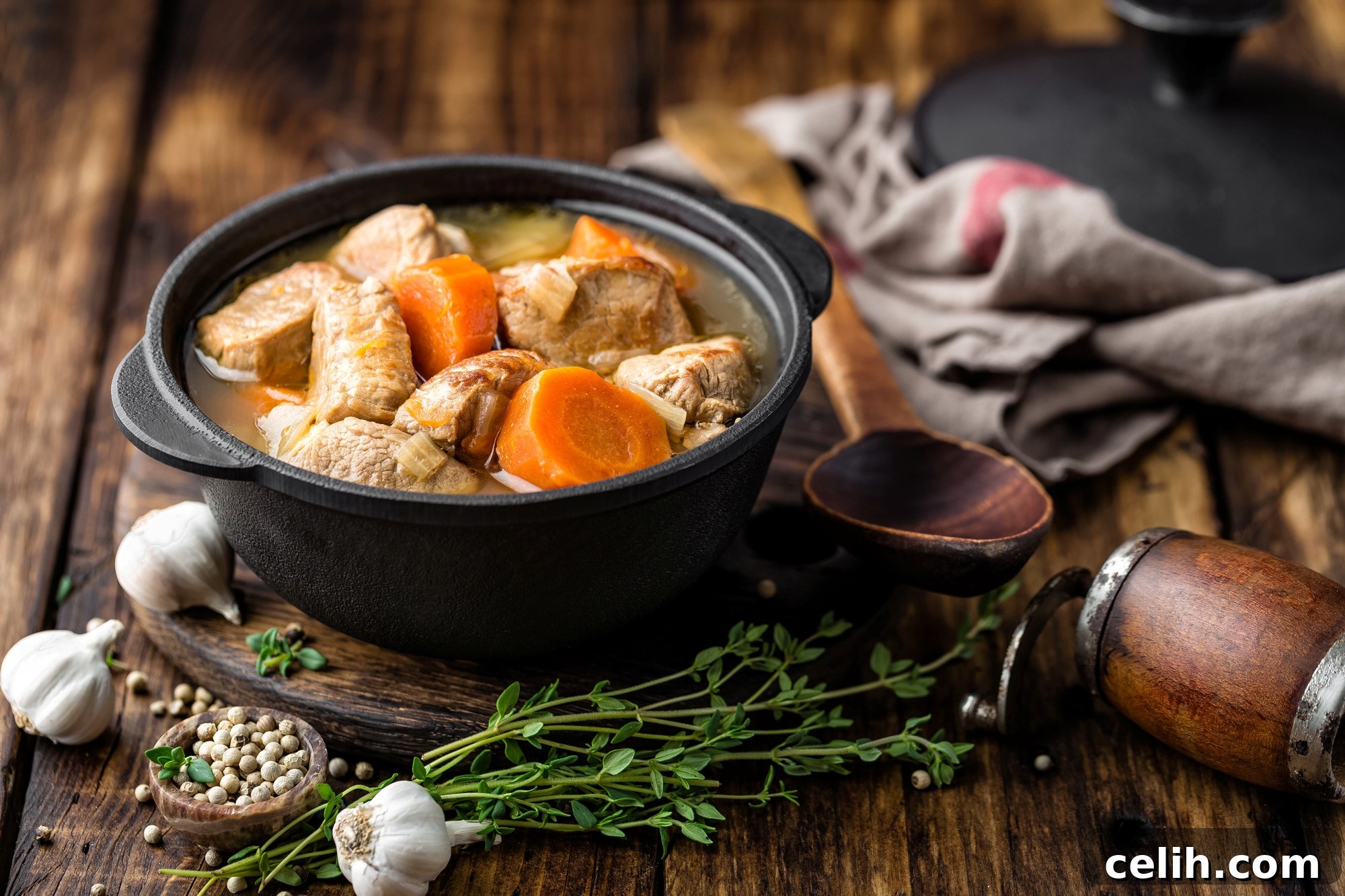
[AD] In the heart of every culinary space, the choice of cooking tools significantly shapes the overall experience. Whether you’re a seasoned chef creating gourmet masterpieces or a home cook preparing comforting family meals, the right cookware can transform mundane tasks into delightful culinary adventures. Conversely, ill-suited pots and pans can lead to frustration, uneven results, and a shortened lifespan for your kitchen essentials. For those who prioritize enduring quality, exceptional performance, and timeless design, Aga Cookware has long stood as a benchmark of excellence. But how does this revered collection truly measure up against the diverse array of traditional pots and pans available on the market today?
This comprehensive guide delves into a detailed comparison between Aga Cookware and conventional kitchenware, meticulously examining every facet from their fundamental materials and superior cooking performance to their aesthetic appeal, longevity, and versatility across various heat sources. Our goal is to equip you with the insights needed to make an informed decision, ensuring your chosen cookware perfectly aligns with your culinary aspirations, cooking style, and long-term kitchen investment strategy. Prepare to uncover the distinctions that define quality cookware and discover which option promises to elevate your cooking journey.
Understanding Aga Cookware: A Legacy of Excellence
Aga Cookware represents a prestigious line of premium kitchen essentials, meticulously engineered to complement and harmonize with the unique cooking environment of AGA range cookers. However, their superior design and functionality extend far beyond, making them exceptional performers on virtually any heat source. At the core of Aga Cookware lies its distinguished cast iron construction, renowned for its unparalleled durability and remarkable heat retention capabilities. Each piece is often finished with a beautiful, resilient enamel coating, not only enhancing its aesthetic appeal but also offering practical benefits in terms of hygiene and ease of maintenance.
Far from the realm of mass-produced, disposable non-stick alternatives, Aga pots and pans are precision-crafted, built with the explicit intention of lasting for generations. This commitment to quality ensures they deliver consistently exceptional cooking results, particularly excelling in techniques that benefit from gentle, even heat – such as slow cooking, simmering, and roasting. While optimized for AGA cookers, their robust construction and thoughtful design mean they are equally effective and highly versatile across a broad spectrum of heat sources, including gas, electric, and modern induction hobs, as well as conventional ovens and even open fires. This inherent adaptability makes Aga Cookware a truly versatile and valuable addition to any kitchen, irrespective of its primary heat source, guaranteeing performance and reliability that stands the test of time.
Exploring Traditional Pots and Pans: Everyday Culinary Companions
The term “traditional cookware” broadly encompasses the vast majority of everyday pots, pans, and kitchen utensils found in homes worldwide. These pieces are typically manufactured from a variety of common materials, including durable stainless steel, lightweight aluminum, conductive copper, and various non-stick alternatives. Widely available and often more budget-friendly, traditional cookware serves as a popular and accessible choice for casual cooks, culinary beginners, and those seeking quick, functional solutions for daily meal preparation.
However, the performance and longevity of traditional pots vary significantly depending on their material, construction, and price point. While some higher-quality traditional pieces, particularly those with multi-ply construction or specialized coatings, can offer decent heat conduction and satisfactory results, they often fall short in critical areas such as sustained heat retention and overall durability when directly compared to the robust engineering of Aga Cookware. Many entry-level and even mid-range traditional pans are susceptible to common issues over time, such as the degradation and eventual loss of their non-stick surface, warping under high heat, or developing hot spots that lead to unevenly cooked food. Understanding these variations is key to appreciating the distinct advantages offered by premium cookware, which addresses many of these common shortcomings with superior design and material science.
Material Matters: The Enduring Strength of Cast Iron vs. Common Metals
The foundational material is arguably the most significant differentiator between Aga Cookware and its traditional counterparts. This choice of material dictates everything from heat dynamics to durability and cooking characteristics, profoundly influencing the culinary outcome.
The Power of Cast Iron in Aga Cookware
Aga Cookware primarily leverages the inherent strengths of cast iron. This material is celebrated for its incredible durability, capable of withstanding decades of rigorous use without significant degradation. More importantly, cast iron possesses superb heat-retaining properties due to its high thermal mass. Once heated to the desired temperature, cast iron maintains that consistent warmth remarkably well, distributing it evenly across the cooking surface. This stable temperature environment is invaluable for cooking techniques that require sustained, gentle heat, such as simmering rich sauces, slow-cooking stews and casseroles, or achieving perfect roasts. The uniform heat prevents scorching and ensures that ingredients cook through evenly, locking in flavors and moisture. Furthermore, Aga’s enamel-coated cast iron offers the added benefit of being naturally non-stick (with proper heating and fats) and incredibly easy to clean, eliminating the need for the frequent seasoning associated with raw cast iron, making it hygienic and user-friendly.
Understanding Traditional Cookware Materials
In stark contrast, most traditional cookware relies on materials like aluminum or stainless steel, or a combination thereof. Each material comes with its own set of advantages and limitations:
- Aluminum: Praised for its excellent thermal conductivity, aluminum heats up very quickly. This makes it ideal for rapid boiling or sautéing. However, it also cools down just as fast, which can lead to fluctuating temperatures and hot spots, making precise heat control challenging for longer cooking tasks. Basic aluminum can also react with acidic foods, potentially leaching into food and affecting its taste, though anodized versions mitigate this.
- Stainless Steel: Highly durable, non-reactive, and aesthetically pleasing, stainless steel is a popular choice for its resistance to corrosion and ease of cleaning. However, it is a relatively poor conductor of heat on its own. To mitigate this, many quality stainless steel pans incorporate an aluminum or copper core (known as clad or multi-ply construction) to improve heat distribution. Without such a core, stainless steel pans can suffer from significant hot spots and uneven cooking, requiring constant stirring.
- Copper: Unrivaled in its heat conductivity and responsiveness, copper allows for extremely precise temperature control. It heats up and cools down almost instantly, which is favored by professional chefs for delicate sauces and confectionery. However, copper is expensive, requires meticulous polishing to maintain its appearance, and is highly reactive with acidic foods, necessitating a tin or stainless steel lining, which adds to its cost and complexity.
- Non-Stick Coatings: Applied to various base metals, non-stick surfaces provide convenience for low-fat cooking and easy cleanup. Their primary drawback is durability; non-stick coatings are prone to scratching, chipping, and degradation over time, particularly with high heat or metal utensils. This often necessitates frequent replacement of the cookware, leading to environmental waste and recurring costs. Concerns over chemicals like PFOA/PFAS in older coatings also raise health considerations.
The material difference is not merely academic; it directly impacts cooking results, energy efficiency, and the lifespan of your kitchen investments. Aga’s cast iron offers a fundamental advantage in thermal stability, consistency, and longevity, providing a reliable foundation for all culinary endeavors.
Unmatched Cooking Performance and Superior Heat Retention
When it comes to culinary performance, particularly for dishes that benefit from sustained, even heat, Aga Cookware truly shines. Its inherent capacity for exceptional heat retention is virtually unmatched by most traditional alternatives, making it an indispensable tool for a wide array of cooking methods and delivering consistently superior results.
The Aga Advantage in Heat Retention
Aga cast iron cookware absorbs heat slowly and steadily, then radiates it evenly across the entire surface and even up the sides of the pan. This consistent, gentle heat allows food to cook thoroughly from all directions, tenderizing meats, developing complex flavors in stews, and ensuring perfect results without the need for constant monitoring or frequent temperature adjustments. This characteristic is particularly beneficial for:
- Slow Cooking: Achieving tender, fall-off-the-bone meats, rich casseroles, and flavorful stews with minimal effort, allowing ingredients to meld beautifully.
- Braising and Roasting: Creating perfectly browned crusts and moist interiors, whether in the oven or on the hob, sealing in juices and enhancing texture.
- Baking: Offering even heat for bread, cakes, and gratins, producing consistent texture, a perfectly risen structure, and golden finishes without burnt edges.
- Deep Frying: Maintaining a stable oil temperature, crucial for crispy, non-greasy fried foods, as fluctuations can lead to soggy results.
- Searing: Building up and holding intense heat to create a beautiful, even crust on meats and vegetables, locking in flavor.
The energy efficiency of Aga Cookware is another significant benefit. Once heated, it requires less energy input to maintain its temperature, as its thermal mass continues to radiate warmth. This makes your cooking process more economical and environmentally friendly in the long run, reducing energy consumption compared to pans that rapidly lose heat.
Traditional Cookware’s Performance Profile
Traditional pots and pans, while excelling in certain areas, often struggle to replicate the sustained, even heat of cast iron. They are generally better suited for:
- Quick Meals: Rapid boiling of water, quick sautéing, or flash frying where immediate heat response and quick temperature changes are desired, such as stir-fries.
- Delicate Cooking: Copper, in particular, offers precise control for sensitive sauces that require rapid temperature changes, allowing for fine-tuned culinary adjustments.
- Boiling Pasta or Vegetables: Where rapid heating and draining are the primary functions, lighter traditional pots perform adequately.
However, traditional cookware often demands constant monitoring to prevent scorching, hot spots, or unevenly cooked results due to their lower thermal mass. Even many modern pans with improved layered or clad construction, while superior to basic single-ply options, still cannot entirely match the natural thermal performance and stability of high-quality cast iron cookware. The sheer thermal mass of Aga’s cast iron provides a consistent cooking environment that promotes superior flavor development and texture, often with less intervention from the cook, allowing for a more relaxed and enjoyable cooking experience.
Durability and Longevity: An Investment for Generations
When evaluating cookware, durability is a paramount concern, and this is an area where Aga Cookware truly distinguishes itself and solidifies its esteemed reputation. These robust cooking vessels are not merely designed for a few years of use; they are meticulously crafted to withstand the test of time, often lasting for many decades. It is a common testament among users that Aga cookware is frequently passed down through generations, becoming cherished family heirlooms that continue to perform flawlessly for their new owners. The inherent strength of cast iron means it’s incredibly resistant to warping, chipping (the enamel is also highly durable), and general structural degradation.
In stark contrast, many traditional pots and pans, especially the ubiquitous non-stick varieties, are inherently designed with a more limited lifespan. Over time, these materials are prone to various forms of degradation. Common complaints include:
- Scratches and Abrasions: Non-stick coatings are particularly vulnerable to scratching from metal utensils, abrasive cleaning, or even stacking without protectors. Once scratched, their non-stick properties diminish, and the coating can flake, potentially releasing harmful particles into food.
- Warping: Thinner gauge metals, often found in more affordable traditional pans, can warp or buckle under high heat. This leads to uneven cooking surfaces, instability on the hob, and inefficient heat transfer, making precise cooking difficult.
- Coating Deterioration: The non-stick surface can degrade and lose its efficacy, causing food to stick and making cleanup difficult. This often necessitates replacing the pan entirely, contributing to landfill waste.
- Handle Loosening: Riveted handles on traditional pans can sometimes loosen over time, becoming wobbly or unsafe, especially with repeated heating and cooling cycles. Plastic or silicone handles on some traditional pans can also degrade or melt if exposed to high heat or oven use.
- Corrosion and Staining: While stainless steel is non-reactive, some lesser quality stainless steel or aluminum pans can be prone to staining, pitting, or discoloration, particularly with acidic foods or harsh cleaning agents.
For those seeking genuine long-term value, unparalleled reliability, and a sustainable approach to kitchen essentials, Aga Cookware unequivocally emerges as the superior choice. Its initial investment is justified by its enduring quality and the peace of mind that comes with owning cookware that performs consistently for a lifetime, reducing waste and the need for frequent replacements, thus making it an environmentally conscious choice as well.
Aesthetics and Kitchen Appeal: Design That Endures
Beyond their exceptional performance, the visual charm and timeless elegance of Aga Cookware add a distinct layer of appeal to any kitchen environment. With its classic colour palette, often featuring rich enamelled hues, and its inherently robust yet refined form, Aga cookware exudes a sense of sophistication and enduring style. These pieces are not merely functional tools; they are design statements that enhance the overall ambiance of your culinary space. Their beautiful craftsmanship means they look just as stunning adorning your stovetop or oven as they do gracing your dining table, seamlessly transitioning from cooker to serveware. This ‘oven-to-table’ functionality is not only aesthetically pleasing but also highly practical, reducing the need for additional serving dishes and simplifying cleanup.
The design philosophy behind Aga Cookware often embraces a classic, almost heritage feel, yet it integrates flawlessly into both traditional country kitchens and sleek, modern minimalist designs. The distinctive weighty presence and smooth, glossy enamel finish communicate quality and luxury. Available in a range of carefully selected colors, from deep reds and blues to classic creams and blacks, Aga Cookware allows cooks to choose pieces that complement their existing kitchen decor, adding a touch of personality and warmth. This meticulous attention to design ensures that Aga pieces are not just hidden away in cupboards but become a focal point, inviting admiration and conversation.
Traditional pots and pans, while undeniably practical and widely available, often prioritize pure function over form. Most come with a standard metallic finish – be it the polished sheen of stainless steel, the brushed look of aluminum, or the warm glow of copper. While some premium traditional brands offer attractive designs, many cheaper options can show signs of wear and tear quickly, such as discoloration, dulling, or scratches that detract from their appearance over time. This can diminish the overall aesthetic cohesion of a kitchen, making it appear less curated or cared for. Aga Cookware, on the other hand, embodies a design philosophy where beauty and functionality are in perfect harmony, making each piece a delightful and lasting addition to any kitchen aesthetic, enriching the cooking and dining experience.
Compatibility and Versatility: Beyond the Aga Cooker
A common misconception is that Aga Cookware is exclusively for owners of Aga range cookers. While it is indeed optimized to perform flawlessly with these iconic appliances, the truth is that Aga pots and pans are remarkably versatile and fully compatible with an extensive range of heat sources, making them a worthy investment for any cooking enthusiast, regardless of their current kitchen setup. Their robust cast iron construction and intelligent design allow them to perform exceptionally well on:
- Gas Hobs: The direct flame heat is efficiently absorbed and distributed by the thick cast iron base, ensuring even cooking and preventing hot spots.
- Electric Stoves: Provides consistent and even heating across electric coil or ceramic surfaces, maximizing the efficiency of your stovetop.
- Induction Cooktops: Fully compatible with induction technology due to the ferrous nature of cast iron, offering rapid and precise heating, making them highly efficient on modern cooktops.
- Open Fires and BBQs: Their sturdy nature makes them ideal for outdoor cooking adventures, adding rustic charm and superb cooking capabilities, perfect for camping or garden entertaining.
- Conventional Ovens and Grills: Safe for high temperatures, perfect for roasting, baking, and gratin dishes, as well as finishing off dishes under the grill for a crisp top.
- Even AGA Hotplates (Roasting, Boiling, Simmering): Specifically designed to work in concert with the specific heat zones of an AGA cooker, leveraging its unique radiating heat.
This extensive compatibility underscores their adaptability and multi-functional potential, making them truly versatile workhorses in the kitchen. Traditional pots may also work across similar heat sources, but they often lack the seamless transition and multi-functional capabilities that Aga pieces offer. For instance, an Aga casserole dish can confidently move from the hob to the oven, and then directly to the dining table for serving, and even into the refrigerator for storage, all while maintaining its integrity and aesthetic appeal. This level of versatility simplifies the cooking and serving process, reduces the need for multiple specialized dishes, and makes Aga Cookware a truly indispensable asset in a dynamic and busy kitchen, streamlining your culinary workflow.
Ease of Use and Maintenance: Practicality Meets Longevity
While Aga Cookware, owing to its solid cast iron construction, is notably heavier than most traditional pots and pans, this characteristic is a testament to its durability and contributes positively to its superior heat retention. Despite its weight, it is surprisingly low maintenance, especially the enamel-coated varieties. The high-quality enamel finish acts as a protective, non-reactive layer, preventing rust and making cleanup remarkably straightforward. Food rarely sticks when cooked at the correct temperature with appropriate fats, and a simple wash with warm soapy water and a soft cloth is usually sufficient. Unlike raw cast iron, Aga’s enamel cookware does not require seasoning, saving time and effort while offering a more hygienic surface.
In contrast, traditional non-stick pots are often lighter and easier to handle, which can be advantageous for quick tasks. However, this convenience often comes at the cost of durability and specific care requirements. They typically need more delicate handling to preserve their delicate non-stick surface. Common issues and maintenance considerations for traditional cookware include:
- Scratches and Wear: Non-stick coatings are highly susceptible to scratches from metal utensils, abrasive sponges, or even stacking without protectors. Once scratched, their non-stick properties diminish, and the coating can flake, potentially leading to food safety concerns.
- Temperature Limitations: Many non-stick pans cannot safely handle high oven temperatures or the intense heat required for searing, as this can damage the coating, release harmful fumes, or cause the pan to warp.
- Metal Utensil Restrictions: Using metal spatulas or spoons is often discouraged with non-stick, requiring specialized silicone or wooden tools to avoid damage.
- Seasoning (for raw cast iron/carbon steel): While not all traditional pans require seasoning, raw cast iron and carbon steel need regular oiling and specific cleaning routines to maintain their non-stick properties and prevent rust. This can be time-consuming and requires a certain level of commitment.
- Staining and Discoloration: Some traditional materials, particularly aluminum or lower-grade stainless steel, can be prone to staining or discoloration from certain foods or high heat, which can be difficult to remove and detracts from their appearance.
The robust nature of Aga Cookware means it can handle vigorous stirring and is far less prone to damage from common kitchen mishaps. Its ease of cleaning and minimal maintenance requirements, coupled with its longevity, make it a practical and reliable choice for busy households seeking long-term kitchen solutions without constant worry about degradation or complex care routines. It truly embodies the principle of “buy once, use forever” with minimal fuss.
Price and Value: A Long-Term Investment Perspective
It is undeniable that Aga Cookware represents a higher initial investment compared to the typical upfront cost of most traditional pots and pans. This premium pricing often reflects the superior materials, meticulous craftsmanship, and enduring quality inherent in each piece. These aren’t mass-produced items; they are carefully engineered and manufactured to exacting standards. However, when one considers the comprehensive value proposition – encompassing longevity, unparalleled performance, and timeless visual appeal – many discerning cooks and kitchen enthusiasts rightfully view Aga Cookware not as an expense, but as a truly smart and economical long-term investment.
Traditional pots and pans, while undoubtedly more budget-friendly and widely accessible at the point of purchase, often necessitate frequent replacement. Non-stick coatings wear out rapidly, thinner metals warp under repeated heat exposure, and general wear and tear can quickly render them less effective or even unusable. This cycle of buying and replacing cookware can accumulate into a significant expenditure over time, far exceeding the initial savings, not to mention the environmental impact of disposing of worn-out items and the inconvenience of constantly re-equipping your kitchen. The perceived affordability of traditional cookware often masks a higher “total cost of ownership” over its effective lifespan.
When evaluating the total cost of ownership over a decade or more, Aga Cookware frequently proves to be the more economical option. Its ability to perform consistently for decades, often outliving several sets of traditional cookware, means the initial cost is amortized over a far longer period, resulting in a lower annual expense and greater overall value. Beyond the financial aspect, the enhanced cooking experience, superior results, and the sheer joy of using such high-quality tools contribute immeasurably to its value proposition. Investing in Aga Cookware is investing in reliability, culinary excellence, and a piece of kitchen heritage that can be enjoyed for generations to come, providing a sense of satisfaction that extends far beyond monetary considerations.
Where to Find Premium Aga Cookware: Elevate Your Culinary Experience
If you’re inspired to elevate your cooking experience and invest in authentic, high-quality Aga kitchenware, designed to bring out the very best in your culinary creations, look no further than reputable suppliers specializing in premium kitchen solutions. For an expertly curated range, Aga Cookware offers a comprehensive collection that stands as a testament to exceptional design and robust functionality. Their selection typically includes essential pieces such as durable cast iron casseroles perfect for slow-cooked delights, versatile saucepans for everyday tasks, efficient frying pans for perfect searing, and much more – all specifically crafted with the distinctive qualities of Aga cooking in mind.
These authorized retailers ensure you receive genuine Aga products, backed by guarantees of quality and performance. They can also provide expert advice on the best pieces to suit your cooking needs and demonstrate how to care for your investment to ensure its longevity. Whether you are meticulously outfitting a dedicated AGA kitchen, or simply aspiring to equip your home with cookware that promises beautiful performance and unwavering reliability for countless years to come, this distinguished collection provides everything you need. Stylish, inherently reliable, and supremely versatile, Aga Cookware represents the quintessential match for discerning cooks who place an uncompromising value on quality, tradition, and culinary excellence, offering tools that truly inspire and perform.
Final Thoughts: Making Your Informed Cookware Choice
The decision between investing in Aga Cookware and opting for traditional pots and pans ultimately hinges on a thoughtful consideration of your individual cooking habits, your established budget, and your long-term culinary objectives. If your passion lies in preparing hearty, deeply flavored meals, embracing the art of slow cooking, and you appreciate kitchen tools that boast timeless design and enduring quality, then Aga Cookware represents a truly fantastic and worthwhile investment. Its ability to transform ingredients with consistent, gentle heat, combined with its robust construction, makes it an unparalleled choice for serious home cooks who value the art and science of cooking.
Conversely, for those focused on quick, everyday meals, lighter cooking options, or limited budgets that prioritize immediate affordability, traditional pots and pans will undoubtedly continue to hold their valuable place in many kitchens. They offer accessibility and sufficient functionality for basic culinary needs, serving as practical tools for immediate demands. However, if your ambition is to select cookware that not only performs flawlessly but also beautifully complements the sophisticated elegance and inherent efficiency of an AGA range cooker, or simply to equip your kitchen with pieces that promise superior results and a lifetime of reliability, Aga Cookware unequivocally emerges as the dominant and ultimately most rewarding choice. It’s more than just cookware; it’s an heirloom, a commitment to quality, and a statement of culinary passion.