
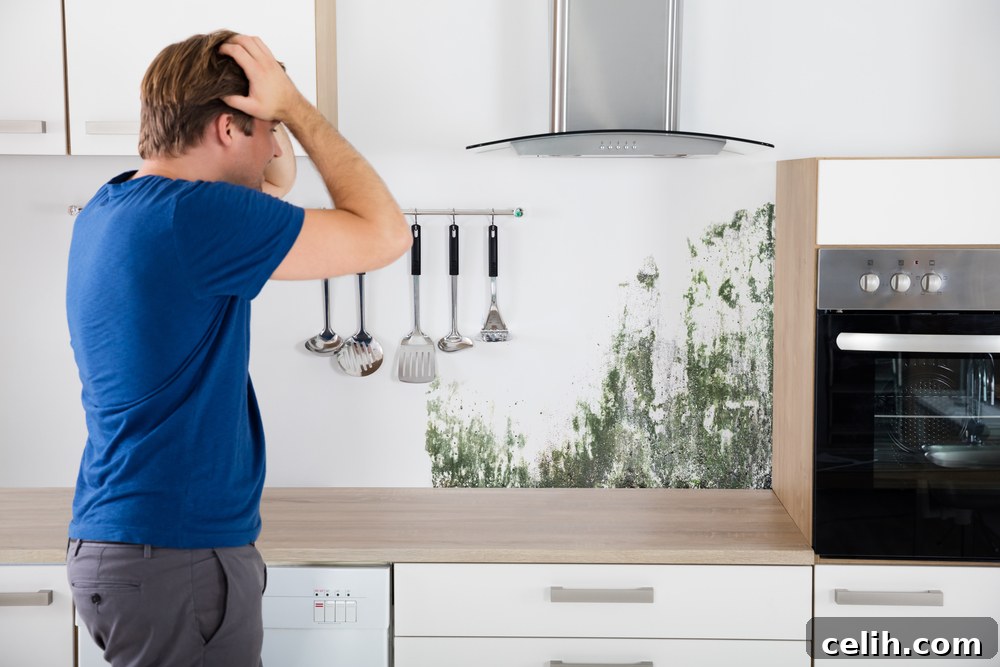
Mould, a silent and persistent intruder, poses a significant threat to both the structural integrity of your property and the health of its occupants. Often lurking in damp, dark corners, its presence can extend far beyond the easily visible, thriving in unseen pockets throughout your home where moisture is present. Recognising and addressing mould promptly is not merely an aesthetic concern; it’s a critical step towards maintaining a healthy living environment.
ICE Cleaning stands as the UK’s premier mould remediation company, pioneering innovative solutions through advanced technology and expert methodologies. Their highly trained professionals operate in strict adherence to rigorous industry standards, including Awaab’s Law, collaborating closely with local authorities nationwide to implement robust and effective mould remediation strategies. Their commitment ensures high-quality service that prioritises safety and long-term prevention.
This comprehensive guide will delve into the nature of mould, uncover its most common and unexpected hiding spots, highlight the serious risks it presents, and explain why professional intervention is essential for effective and lasting removal. Understanding these aspects is crucial for protecting your home and your family’s well-being.
Understanding Mould: A Pervasive Threat to Homes and Health
Mould is a naturally occurring fungus that plays a vital role in decomposition in the outdoor environment. However, when it infiltrates indoor spaces, particularly homes, it transforms into a significant problem. In the UK, mould infestation is a common issue, exacerbated by the country’s colder and wetter climate, especially during autumn and winter months when homes are often sealed up, increasing indoor humidity.
This resilient fungal growth initiates its life cycle as microscopic spores, invisible to the naked eye, which drift through the air both indoors and out. These airborne spores are ubiquitous; the problem begins when they encounter an environment ripe for growth within your home. All mould needs to thrive is moisture, a food source (any organic material like wood, drywall, fabric, or dust), and a suitable temperature. Once these conditions align, spores quickly germinate and develop into visible colonies, manifesting as unsightly patches that can be black, green, white, or even orange, often accompanied by a distinctive musty odour.
While commonly associated with overtly damp areas like bathrooms and kitchens, mould is incredibly adaptable. It can flourish in a surprising array of locations, from the confines of your wardrobe to the hidden spaces behind wallpaper, beneath carpets, or within wall cavities. Left unaddressed, mould can rapidly spread, posing severe risks to both the property itself and the health of its occupants.
The Health Implications of Mould Exposure
Exposure to mould, particularly to certain types like black mould, can lead to a range of adverse health effects. The severity and type of symptoms often depend on the individual’s sensitivity, pre-existing conditions, and the duration and level of exposure. Common health hazards include:
- Allergic Reactions: Mould spores are potent allergens. Symptoms can include sneezing, runny nose, red eyes, skin rash, and nasal congestion. For individuals already prone to allergies, mould can significantly worsen these symptoms.
- Respiratory Problems: Inhaling mould spores can irritate the respiratory system, leading to coughing, wheezing, shortness of breath, and chest tightness. It is a known trigger for asthma attacks and can even lead to the development of asthma in susceptible individuals. Chronic exposure has been linked to bronchitis and other long-term respiratory conditions.
- Irritation: Direct contact with mould or exposure to its spores can irritate the skin, eyes, throat, and lungs, causing discomfort and inflammation.
- Systemic Symptoms: Prolonged exposure to mould, especially toxigenic species that produce mycotoxins, can lead to more severe and systemic health issues. These may include headaches, fatigue, dizziness, nausea, memory problems, and even neurological symptoms like depression. Vulnerable populations, such as infants, young children, the elderly, and individuals with compromised immune systems or pre-existing respiratory conditions, are particularly at risk.
Property Damage and the Limits of DIY Solutions
Beyond health concerns, mould causes substantial structural and aesthetic damage to properties. It degrades building materials like drywall, wood, insulation, and fabrics, leading to rot, discolouration, and unpleasant odours that permeate the entire home. This not only diminishes the property’s value but can also compromise its structural integrity over time. Addressing mould effectively requires more than superficial cleaning.
Many homeowners attempt to tackle mould with household cleaning products, particularly bleach. However, this is largely ineffective and can sometimes exacerbate the problem. Bleach primarily whitens the surface mould, making it appear gone, but it does not penetrate porous materials to kill the underlying fungal roots and spores. In fact, the water content in bleach can even provide additional moisture, encouraging future growth. True mould remediation involves identifying and eliminating the source of moisture, safely removing all contaminated materials, and preventing recurrence – a task that typically requires professional expertise and equipment.
Unmasking Hidden Dangers: Overlooked Mould Hotspots in Your Home
While visible mould on bathroom tiles or window sills is easy to spot, some of the most insidious mould infestations occur in areas that are out of sight and often out of mind. These hidden areas pose a greater risk because they can harbour extensive growth before any obvious signs emerge, allowing mould to release spores and mycotoxins into your indoor air quality unchecked. Awareness is paramount in identifying these overlooked hotspots:
- Behind Wallpaper and Wood Panelling: The adhesive used for these materials can trap moisture, creating an ideal, nutrient-rich breeding ground for mould spores. Once mould establishes itself here, it can grow extensively on the wall surface underneath, weakening the wallpaper, causing it to peel, or even damaging the structural integrity of the wall itself. Studies show that such hidden growths significantly impact indoor air quality, potentially leading to persistent respiratory issues.
- Refrigerator Drip Pans: This often-neglected component, typically located beneath the refrigerator, collects condensation and accidental food spills. This dark, perpetually moist environment is a perfect breeding ground for mould and bacteria, which can then circulate through your kitchen air.
- Dishwasher Seals and Washing Machine Gaskets: Appliances that use water are prime candidates for mould growth. The rubber seals around dishwasher doors and washing machine gaskets can trap water, detergent residue, and organic debris, leading to black mould growth that is not only unsightly but also a source of unpleasant odours and potential health risks. Regular cleaning of these areas is essential.
- Attics, Basements, and Crawlspaces: These spaces are notorious for poor ventilation, fluctuating temperatures, and susceptibility to leaks, making them prime targets for mould. Insulation material in attics can trap humidity, while basements and crawlspaces are vulnerable to groundwater seepage and condensation. Mould in these areas can rapidly colonise wood beams, insulation, and stored items, leading to structural damage and musty odours that permeate the entire home.
- Inside Air Vents and HVAC Systems: Condensation can form within ductwork, especially if the system is improperly insulated or sized. Once moisture is present, mould spores can germinate within the ducts, spreading mould throughout the entire house every time the heating or air conditioning system is activated. This directly contributes to poor indoor air quality and can trigger widespread health symptoms.
- Behind Furniture and Built-in Cabinetry: Furniture placed flush against exterior walls, particularly in cooler rooms, can restrict airflow. This lack of ventilation allows condensation to build up on the wall surface behind the furniture, creating a damp environment where mould can quietly flourish, often unnoticed until the problem is severe.
- Under Carpets and Floorboards: Leaks from pipes, spills that aren’t thoroughly dried, or even high humidity can lead to mould growth beneath flooring. Once mould establishes itself on the subfloor or carpet backing, it can be extremely difficult to detect without lifting the flooring, releasing spores into the air from below.
- Window Sills and Frames: Condensation frequently forms on windows, especially during colder months. If not regularly wiped away, this moisture can lead to mould growth on window sills, frames, and even within the wall cavity around the window, eroding paint and wood.
Spotting a few visible specks of mould on your bathroom tiles is a relatively minor issue. However, discovering pervasive hidden mould spots in unexpected areas, such as those listed above, necessitates immediate and decisive action. These unseen areas can harbour dangerous strains of mould that produce mycotoxins, posing serious and often chronic health risks that extend far beyond mere unsightly patches.
Recognising the Call for Professional Mould Remediation
While small surface mould can sometimes be managed with careful DIY efforts (though not with bleach), there are definitive signs that indicate a more extensive, often hidden, mould infestation requiring the expertise of professional mould remediation specialists. Ignoring these warning signs can lead to worsening health conditions and significant property damage. You likely need professional help if you experience any of the following:
- A Persistent Musty Odour: This is one of the most reliable indicators of hidden mould. The distinctive earthy, damp smell is caused by microbial volatile organic compounds (MVOCs) released by mould as it grows. If a musty smell lingers in your home even after thorough cleaning and ventilation, it strongly suggests mould is growing unseen within your walls, floors, or HVAC system.
- Unexplained or Worsening Health Issues: If you or family members experience chronic allergies flaring up unexpectedly, persistent respiratory symptoms (coughing, wheezing, shortness of breath), headaches, chronic fatigue, skin rashes, or other unexplained ailments that seem to improve when you leave your home but worsen upon returning, mould exposure could be the culprit.
- Visible Mould That Recurrently Returns: If you’ve cleaned visible mould patches repeatedly, only for them to reappear, it’s a clear sign that the underlying moisture source has not been addressed, and the mould spores are deeply embedded or actively recolonising. This indicates a more extensive issue than surface growth.
- Evidence of Past or Present Water Damage: Any history of leaks (plumbing, roof, foundation), flooding, or significant dampness in your home should prompt a professional mould inspection. Even if the area appears dry now, mould can germinate within 24-48 hours of moisture exposure and continue to grow in hidden cavities.
- Peeling Paint or Bubbling Wallpaper: These are often signs of moisture trapped behind the surface, creating ideal conditions for mould growth. The moisture weakens adhesives and paints, leading to cosmetic damage that often conceals mould.
- Discolouration or Stains on Walls and Ceilings: While not always mould, unexplained dark or wet-looking stains on walls or ceilings are indicative of water intrusion, which is the precursor to mould growth.
All of these scenarios point towards more extensive, hidden infestations that demand specialised attention from professional mould remediation companies. DIY attempts are often insufficient to address the root cause and safely remove all mould, potentially exposing occupants to greater risks during the process.
The Indispensable Role of Professional Mould Remediation
Waiting until mould problems become severe is a costly mistake, both for your property and your health. Early intervention by professionals ensures that minor issues do not escalate into major ones. Professional mould remediation involves a multi-step process that goes far beyond simple cleaning:
- Thorough Inspection and Assessment: Experts use specialised tools to detect hidden moisture and mould, accurately assessing the extent of the infestation.
- Containment: To prevent the spread of spores to unaffected areas, professionals establish containment barriers and use negative air pressure.
- Moisture Source Identification and Rectification: Crucially, professionals identify and fix the underlying source of moisture, ensuring the mould cannot return. This is where most DIY efforts fail.
- Safe Mould Removal: Using industry-approved techniques and personal protective equipment, technicians safely remove mould-contaminated materials, including porous items that cannot be cleaned.
- Cleaning and Disinfection: Affected surfaces are thoroughly cleaned and disinfected with appropriate antimicrobial agents to eliminate residual spores and prevent regrowth.
- Air Filtration: HEPA air scrubbers and vacuums are used to capture airborne mould spores, improving indoor air quality.
- Restoration and Prevention Advice: After remediation, professionals can assist with restoring damaged areas and, importantly, provide expert advice on preventative measures to safeguard against future outbreaks, identifying potential risk factors within your home environment.
The specialists at ICE Cleaning offer unparalleled mould removal solutions. Their highly skilled technicians are not only adept at visible mould removal but are also experts at identifying and rectifying the root cause of mould growth, ensuring its permanent eradication. This comprehensive approach is backed by ICE Cleaning’s unique lifetime guarantee (subject to advisories), providing homeowners with peace of mind and preventing repeated growths in the future.
Preventing Future Mould: A Proactive Approach
Effective mould prevention hinges on controlling moisture in your home. By taking proactive steps, you can significantly reduce the risk of future mould growth:
- Control Humidity: Aim for indoor humidity levels between 30% and 50%. Use dehumidifiers in damp areas like basements and ensure proper ventilation in bathrooms and kitchens by using exhaust fans during and after showering or cooking.
- Fix Leaks Promptly: Immediately repair any plumbing, roof, or window leaks. Even small leaks can lead to significant mould problems if left unaddressed.
- Ensure Proper Ventilation: Open windows regularly to allow fresh air circulation. Ensure attics and crawlspaces are well-ventilated to prevent moisture build-up. Consider installing trickle vents in windows.
- Manage Condensation: Wipe down condensation from windows and other cold surfaces regularly. Ensure clothes dryers are vented to the outside, not into the house.
- Promote Airflow: Arrange furniture to allow air to circulate around walls, especially in cooler rooms. Avoid over-stuffing wardrobes and cupboards.
- Maintain Gutters and Downspouts: Ensure they are clear of debris and direct water away from your home’s foundation to prevent water intrusion into basements or crawlspaces.
- Use Mould-Resistant Products: When renovating, consider using mould-resistant drywall, paint, and insulation in moisture-prone areas.
While these preventative measures are crucial, consulting with professionals like ICE Cleaning for a comprehensive assessment can further solidify your home’s defence against mould. They can identify specific vulnerabilities and suggest tailored solutions that offer long-term protection.
Protect Your Home and Health with Expert Mould Remediation
Mould is more than an unsightly nuisance; it’s a serious health hazard and a threat to your property’s structural integrity. Its ability to hide in unseen areas makes it particularly dangerous, often silently affecting indoor air quality and well-being for extended periods. Recognising the signs of hidden mould and understanding the limitations of DIY solutions are crucial steps toward effective remediation.
For comprehensive, reliable, and guaranteed mould removal, trust the experts at ICE Cleaning. Their adherence to industry best practices, advanced technology, and focus on identifying and eliminating the root cause ensures a safe and mould-free environment for your home and family. Don’t let mould compromise your living space or your health.
To learn more about their services or to take the first step towards a healthier home, visit ICE Cleaning’s website today for a free, no-obligation quote and site survey. Protect your investment and your family’s health by addressing mould professionally and proactively.