
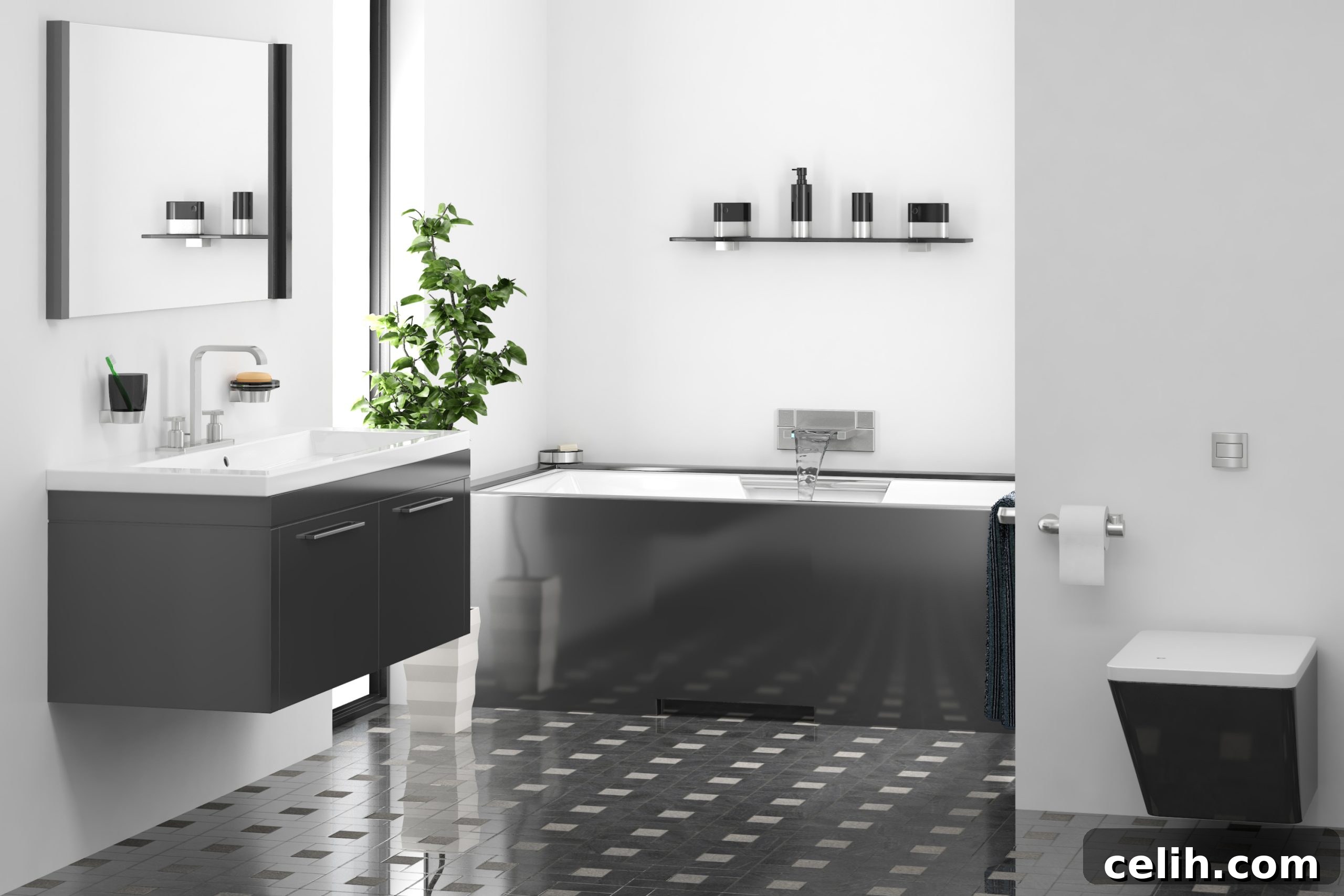
Embarking on a home improvement project, whether it’s sprucing up your first property or fine-tuning your long-term residence, is an exciting venture. Yet, it can also present a significant challenge, with a myriad of decisions and priorities vying for your attention. Among the many considerations, one often overlooked, perhaps due to the perceived effort and investment, is the addition of an extra bathroom. However, this particular upgrade offers such profound benefits that it truly warrants careful consideration.
Installing an additional bathroom can dramatically enhance convenience and comfort for everyone under your roof, from daily residents to occasional guests. While it demands meticulous planning concerning budget, spatial layout, and design aesthetics, the advantages of having more bathroom space are undeniably substantial. Such an investment not only reduces those frantic waiting times during peak hours and affords greater personal privacy but also significantly boosts your property’s market value. Experts suggest that adding a bathroom can increase your home’s value by as much as 4% to 5%. Furthermore, it gracefully accommodates evolving family needs, making it a strategic investment that yields both financial returns and practical dividends for years to come.
If you’re contemplating this valuable addition to your home, you’re on the right track. This guide offers essential, straightforward tips to simplify the project, ensuring a smooth process and delivering the beautiful, functional outcome you envision.
Conduct a Thorough Drain Survey
Before any significant planning for your new bathroom begins, a seemingly unglamorous but utterly crucial step is to meticulously check your existing drainage system. Drainage is the unsung hero of any space involving plumbing, acting as the lifeblood that ensures waste and wastewater are efficiently removed. Neglecting this foundational aspect can lead to severe complications down the line, potentially turning your dream bathroom into a costly nightmare.
If your current drains are already blocked, damaged, or simply insufficient, they may struggle immensely to handle the additional strain of an extra bathroom. Imagine doubling the load on an already compromised system – the result could be frequent backups, slow drainage, or even catastrophic leaks within your property’s structure. To preempt these issues, it is highly recommended to arrange for a professional CCTV drain survey. Companies like Integrum Services utilize specialized camera equipment to thoroughly inspect the interior of your pipes without invasive digging.
This advanced diagnostic tool can identify a spectrum of potential problems: from stubborn blockages and accumulated debris to hairline cracks, tree root ingress, or even structural collapses in older piping. A comprehensive survey provides invaluable insights into the overall health and capacity of your drainage infrastructure. Once any issues are identified, professionals can recommend and implement targeted treatments or repairs, ensuring that your drains are not just clear, but robust and ready to effortlessly accommodate the demands of your new bathroom. This proactive measure safeguards your investment, preventing costly future repairs and giving you the green light to proceed with confidence.
Secure the Services of a Qualified Bathroom Fitter
While certain aspects of bathroom design, such as choosing paint colors or selecting decorative elements, might be enjoyable DIY tasks that help save money, the intricate work of plumbing and installation is definitively a job for seasoned professionals. The complexity of connecting water lines, managing waste disposal, and ensuring everything is watertight and up to code necessitates expert hands. Attempting to tackle these critical elements without proper training and tools can lead to disastrous consequences, including leaks, water damage, and even potential safety hazards.
Therefore, a paramount step in your bathroom addition project is to find a highly reputable and experienced plumber or bathroom fitter. This professional will be responsible for installing the cornerstone features of your bathroom: the sink, toilet, shower, and bathtub. When selecting a fitter, look for qualifications, certifications, and comprehensive insurance. Request to see their portfolio of previous work and don’t hesitate to ask for references; a reliable professional will be happy to provide them. Excellent communication skills are also vital, as you’ll want a fitter who listens to your needs and keeps you informed throughout the process.
Ideally, try to find a professional or a team that can offer a more comprehensive service. Many skilled bathroom fitters can also assist with or coordinate other crucial tasks such as tiling, flooring installation, and even basic electrical work for lighting and ventilation. Opting for a single point of contact or a coordinated team can streamline the entire renovation process, ensuring a cohesive design and efficient project management. This approach not only helps you achieve a high-standard finish but also accelerates the completion timeline, allowing you to enjoy the convenience and comfort of your brand-new bathroom as quickly and smoothly as possible. Investing in a quality fitter is investing in the longevity and functionality of your new space.
Prioritize Smart Storage Solutions from the Outset
One of the most common frustrations homeowners face with their bathrooms is an acute lack of adequate storage space. Cluttered countertops, overflowing cabinets, and items precariously balanced around the sink can quickly diminish the serene ambiance a bathroom should offer. When you’re designing an entirely new bathroom, you are presented with a truly unique and invaluable opportunity to address this widespread issue head-on by integrating smart storage solutions from the very beginning of the planning process.
Instead of an afterthought, make storage a central pillar of your design. Dedicate time to thoughtfully consider what items you typically keep in a bathroom – towels, toiletries, cleaning supplies, cosmetics, medicines, and even dirty laundry. Visualize where you’d prefer to store these items for optimal accessibility and a clutter-free environment. This initial assessment will guide your choices and ensure every inch of your new bathroom works efficiently for you.
The options for integrated bathroom storage are vast and varied. Consider built-in features that seamlessly blend with your decor, such as recessed shelving niches within shower walls or above the toilet – perfect for holding shampoo, soap, or decorative elements. Vanities with ample drawer and cupboard space are essential for hiding away daily essentials. Wall-mounted cabinets, floating shelves, and cleverly designed mirrored medicine cabinets can provide vertical storage without encroaching on floor space. Don’t forget hidden storage solutions, like pull-out laundry hampers integrated into cabinetry or discreet bins for bathroom rubbish that cannot be flushed. Even a simple towel ladder or elegant baskets can add functional storage while enhancing the aesthetic.
By prioritizing storage at the design phase, you create a bathroom that is not only beautiful but also exceptionally functional and organized. This thoughtful planning ensures that every item has its designated place, contributing to a more tranquil and efficient daily routine, and ultimately, a more enjoyable bathroom experience for everyone.
Embrace a Bold and Unique Color Scheme
The selection of a color scheme is a pivotal decision when decorating any room, and it holds particular significance in an entirely new space like an added bathroom. While it’s tempting to default to conventional choices, often leaning towards blues, greens, or neutral tones commonly associated with water and cleanliness, your new bathroom offers an exciting canvas for creative expression. This is your chance to break free from tradition and infuse personality into the space.
Incorporating bold colors into your bathroom design doesn’t mean creating an overwhelming or visually chaotic environment. On the contrary, there are numerous sophisticated ways to integrate vibrant hues that make a powerful statement without sacrificing elegance. Consider an accent wall in a deep jewel tone like emerald green, sapphire blue, or rich burgundy. These colors can add depth and a sense of luxury. Alternatively, a striking tile pattern with a pop of color on the floor or within the shower can act as a stunning focal point, drawing the eye and adding architectural interest.
If you’re hesitant to commit to large expanses of bold color, introduce it through carefully selected elements. A vibrant vanity or cabinetry can instantly elevate the room’s energy. Accessories such as fluffy towels, decorative art pieces, unique light fixtures, or even a brightly colored shower curtain can inject personality and allow for easier changes down the line. Experiment with contrasting textures and finishes to add another layer of visual interest, balancing the boldness of the color with the tactile experience of the space.
Think about the mood you want to evoke. Warm terracottas can bring a cozy, earthy feel; deep grays with a hint of purple can exude sophistication; and cheerful yellows or oranges can brighten even the smallest of spaces. By daring to experiment with your new bathroom’s color scheme, you can create a truly unique sanctuary that reflects your style and enhances your daily ritual, making it a space you genuinely love to be in.
Ensure Thorough Waterproofing in Key Areas
For any new bathroom installation, waterproofing is not merely a recommendation; it is an absolute imperative. Unlike other rooms in your home, a bathroom is subjected to constant exposure to moisture, humidity, and direct splashes – effectively, a small “tsunami” every time someone steps out of the shower after a busy day. If this high moisture environment is not adequately managed, the consequences can be severe, leading to costly damage and potential health hazards.
The primary goal of waterproofing is to prevent water penetration into the underlying building structure. Without proper waterproofing, moisture can seep through porous materials like grout, plasterboard, and even some types of tiles. This can result in structural damage such as rotting wooden frames, corroding metal elements, and degrading concrete or brickwork. Beyond structural integrity, water ingress creates the perfect breeding ground for mold and mildew, which can compromise indoor air quality and pose health risks, especially for individuals with allergies or respiratory issues.
It is critical to meticulously waterproof all key areas that will experience direct water exposure. This includes the entirety of shower enclosures, the walls surrounding bathtubs, and the floor area, particularly within a significant radius of the wet zones. Essential materials for robust waterproofing include specialized waterproof membranes (liquid-applied or sheet membranes), cement backer board (an excellent substrate for tiles that resists water), and high-quality waterproof sealants for all joints and corners. Proper application of these materials by experienced professionals is crucial to create an impenetrable barrier.
Furthermore, attention to detail extends to the type of grout and caulk used, ensuring they are mold-resistant and flexible enough to prevent cracking over time. Investing in professional waterproofing guarantees the long-term durability and hygiene of your new bathroom. It protects your property from expensive water damage, maintains the structural integrity of your home, and ensures a healthy environment for you and your family. This foundational step is not one to skimp on; it’s an investment in peace of mind and the longevity of your home improvement.
Design with Future Needs and Resale in Mind
Adding a new bathroom to your home presents a unique and strategic opportunity to look beyond immediate desires and consider both your long-term needs and the potential future sale of your property. This forward-thinking approach ensures that your investment continues to pay dividends, adapting gracefully to evolving circumstances and enhancing your home’s appeal to a broader market.
One critical aspect of future-proofing your bathroom is considering accessibility. As families grow, or as we ourselves age, mobility needs can change. Incorporating universal design principles now can prevent costly renovations later. Think about features such as curbless or walk-in showers for easy access, stylish grab bars that can also serve as towel rails, higher-height toilets for comfort, and lever-style faucet handles that are easier to operate than knobs. Ensuring wider doorways or adequate clear floor space can also make a significant difference. These subtle inclusions ensure the bathroom remains functional and comfortable for everyone, regardless of age or mobility.
Equally important is the impact your new bathroom will have on your property’s resale value. While you might have a strong personal aesthetic, potential buyers often prefer spaces that are broadly appealing and feel timeless. This doesn’t mean sacrificing style, but rather striking a balance between personal preference and market desirability. Opting for neutral color palettes for fixed elements like tiles and sanitary ware provides a versatile backdrop that new owners can easily personalize with accessories. Choosing upgraded, high-quality fixtures and finishes, such as durable countertops, well-made cabinetry, and efficient, water-saving toilets and showerheads, signals quality and thoughtful investment to prospective buyers.
Considering elements like sufficient lighting, good ventilation, and even the potential for smart home integration (e.g., smart mirrors, temperature-controlled showers) can also add perceived value and modern convenience. By designing your new bathroom with future adaptability and broad market appeal in mind, you’re not just creating a functional space for today; you’re making a strategic investment that will enhance your home’s comfort and value for years to come, making it a highly attractive feature should you decide to sell.
In conclusion, adding a new bathroom is a transformative home improvement project that significantly boosts both the functionality and value of your property. From ensuring a solid foundation with a thorough drain survey and securing professional installation, to designing for optimal storage, injecting personality with a bold color scheme, prioritizing essential waterproofing, and thoughtfully planning for the future, each step contributes to a successful and rewarding outcome. By following these comprehensive tips, you can navigate the process with confidence, creating a beautiful, efficient, and enduring new bathroom that you and your family will cherish for years to come.