
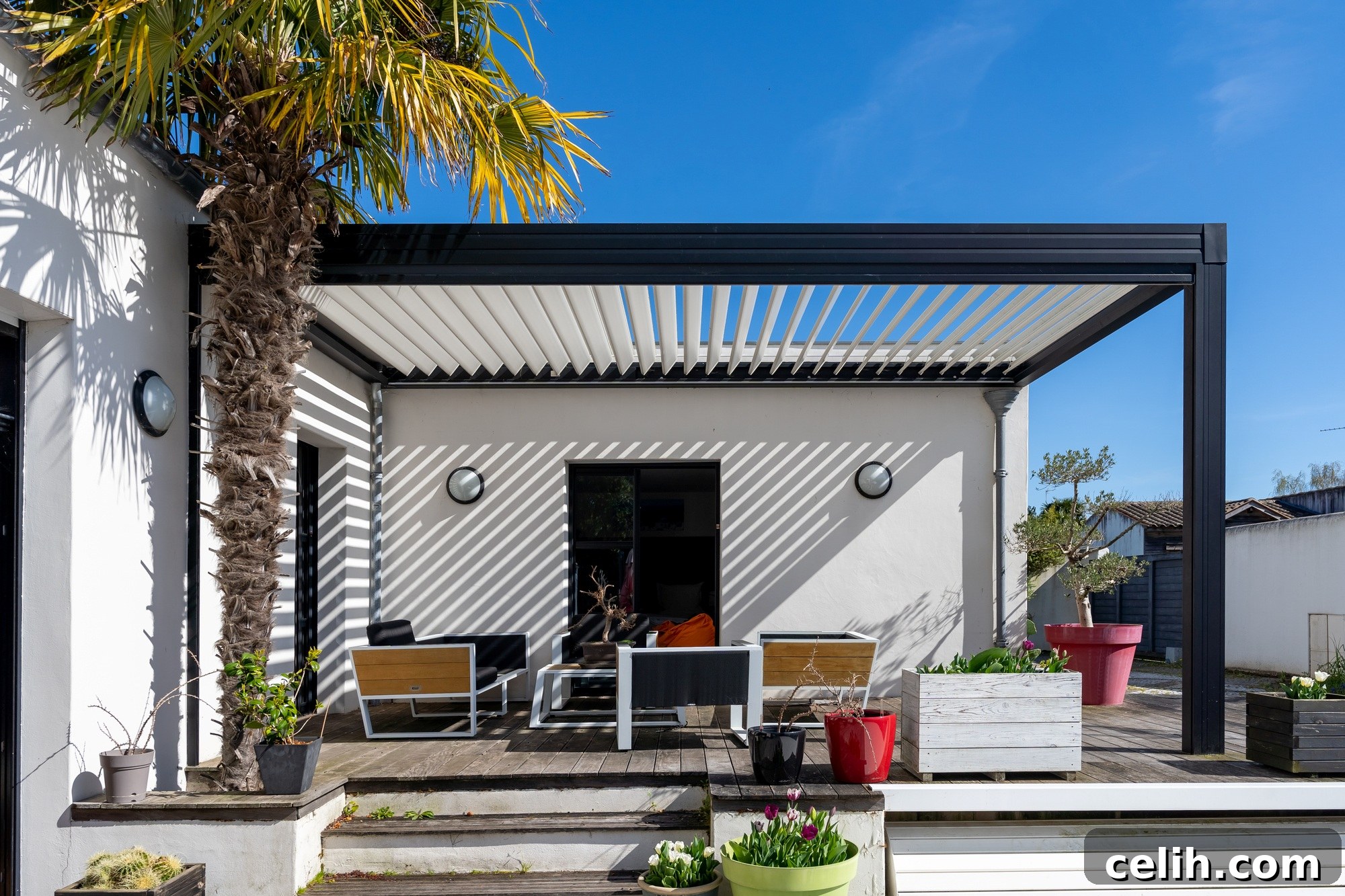
Transforming your backyard into a functional and stylish outdoor living area can significantly increase both your home’s value and your daily enjoyment. Imagine a space where you can relax, entertain, and connect with nature, right outside your door. Whether you’re drawn to the cozy warmth of a crackling fire pit, the shaded elegance of a beautifully designed pergola, or the unparalleled convenience of a fully equipped outdoor kitchen, these strategic upgrades can revolutionize your outdoor experience year-round. Beyond mere aesthetics, these additions foster a deeper connection with your home and provide invaluable opportunities for making lasting memories.
In this comprehensive guide, we’ll dive deep into inspiring design ideas, outline essential considerations for each project, and explore practical strategies on how to finance your dream outdoor renovation, ensuring your vision seamlessly becomes a reality.
Fire Pits: The Heart of Your Outdoor Gathering Space
A fire pit is more than just a source of heat; it’s a natural focal point that draws people together, adding warmth, ambiance, and a touch of magic to any outdoor setting. Whether you’re roasting marshmallows and telling stories with family on a cool evening or simply enjoying a quiet moment under the stars, a well-placed fire pit instantly makes your outdoor space feel more inviting and complete. It creates an irresistible atmosphere, encouraging relaxation and conversation.
Types of Fire Pits to Consider
Selecting the right fire pit involves understanding the different types available, each offering unique benefits and aesthetics:
- Wood-Burning Fire Pits: These are the classic choice, offering an authentic campfire experience with the comforting crackle and distinct aroma of burning wood. They are generally more affordable to install and perfect for creating a rustic, traditional atmosphere. Options range from simple portable bowls to elaborate built-in stone structures.
- Gas Fire Pits: For those seeking convenience and cleanliness, gas fire pits (fueled by natural gas or propane) are an excellent option. They offer an instant flame at the push of a button, produce no smoke or ash, and provide consistent heat. While initial installation might be more complex for natural gas lines, the ease of use and low maintenance are significant advantages.
- Propane Fire Tables: A modern and highly versatile alternative, propane fire tables combine the functionality of a coffee or dining table with the warmth and ambiance of a fire pit. They are typically freestanding, easy to move (if not permanently connected to a propane tank), and come in a wide array of stylish designs, doubling as a chic patio feature during the day.
Key Considerations for Your Fire Pit Project
To ensure safety, functionality, and aesthetic appeal, keep these factors in mind when planning your fire pit:
- Material Durability and Style: The material you choose will define your fire pit’s look and longevity. Opt for durable options like natural stone, concrete, brick, or high-quality metal to withstand various weather conditions and high temperatures. Consider how the material complements your home’s existing architecture and landscape design.
- Strategic Placement for Safety and Enjoyment: Safety is paramount. Position your fire pit at least 10 feet away from any structures, fences, low-hanging branches, or combustible materials. Also, consider wind direction to minimize smoke exposure and ensure proper ventilation. Proximity to seating areas should be comfortable but safe.
- Creating a Comfortable Seating Arrangement: A fire pit is only as good as the seating around it. Plan for comfortable and durable outdoor seating, whether it’s built-in stone benches, weather-resistant Adirondack chairs, or plush outdoor sofas. Ensure there’s ample space for people to gather comfortably and safely enjoy the warmth.
- Size and Shape: Match the fire pit’s size and shape to your available space and anticipated use. Larger yards can accommodate more expansive, custom-built designs, while smaller patios might benefit from compact, portable units. Round fire pits often encourage conversation, while rectangular ones can define longer spaces.
- Fuel Source Accessibility: For gas fire pits, consider the accessibility of natural gas lines or the convenience of propane tank storage. For wood-burning pits, ensure you have a dry, convenient location to store firewood.
- Local Regulations and Permits: Always check local zoning laws and homeowner association (HOA) regulations regarding outdoor fire features before installation.
Pergolas: A Stylish and Functional Shade Solution
A pergola is an elegant outdoor structure that instantly adds architectural interest to your backyard while beautifully defining an outdoor living area. Comprising a slatted roof supported by columns or posts, it offers partial shade, making your patio, deck, or garden area significantly more comfortable and usable, especially during the warmer months. Beyond its practical benefits, a pergola serves as a striking design element, enhancing the overall aesthetic of your home.
Why Install a Pergola in Your Outdoor Space?
The advantages of adding a pergola are numerous, blending form with function:
- Creates a Defined Outdoor Room: A pergola naturally delineates an outdoor area, transforming an open space into a dedicated zone for dining, lounging, or even an outdoor office. It provides a sense of enclosure without fully walling off the area.
- Provides Optimal Shade and Airflow: While not fully enclosed, the slatted roof of a pergola effectively reduces direct sunlight exposure, lowering temperatures and making your outdoor space more enjoyable on hot days. Its open design also allows for excellent air circulation, creating a breezy, comfortable atmosphere.
- Enhances Aesthetic Appeal and Home Value: Pergolas are visually stunning additions that complement various architectural styles. They can be integrated with climbing plants to create a lush, natural canopy, adding texture, color, and fragrance to your garden. This enhancement not only boosts curb appeal but can also increase your home’s market value.
- Supports Climbing Plants: Pergolas provide an ideal framework for climbing vines, roses, wisteria, or grapevines, allowing you to create a living, breathing canopy that offers natural shade and beauty.
- Versatility for Customization: From lighting fixtures and privacy screens to outdoor fans and heaters, a pergola offers a flexible foundation for further customization to suit your lifestyle.
Popular Pergola Materials and Their Characteristics
Choosing the right material impacts the pergola’s appearance, durability, and maintenance requirements:
- Wood Pergolas: Offering a natural, timeless, and warm aesthetic, wood pergolas (commonly made from cedar, redwood, or pressure-treated pine) blend seamlessly with garden environments. They are highly customizable but require regular maintenance, such as staining or sealing, to protect against rot, insects, and weathering.
- Vinyl Pergolas: For homeowners seeking a low-maintenance solution, vinyl pergolas are an excellent choice. They are highly durable, resistant to rot, pests, and fading, and never need painting. Ideal for modern designs, vinyl maintains its crisp, clean look for many years with minimal effort.
- Metal Pergolas: Materials like aluminum or steel offer a sleek, contemporary, and robust option. Metal pergolas are incredibly long-lasting, resistant to weather damage, and can be powder-coated in various colors for added protection and style. Aluminum, in particular, is lightweight and rust-resistant, making it a popular choice.
- Fiberglass Pergolas: Though often pricier, fiberglass pergolas are exceptionally strong, lightweight, and durable. They are highly resistant to extreme weather, insects, and rot, offering a maintenance-free solution with a high-end finish.
To further personalize your pergola and enhance its comfort, consider incorporating elements like climbing vines for organic shade, retractable canopies for flexible sun and rain protection, or elegant hanging lights to create a magical evening ambiance. Outdoor curtains or lattice panels can also be added for increased privacy.
Outdoor Kitchens: Elevate Your Entertaining Game
If you have a passion for entertaining and enjoying the outdoors, an outdoor kitchen is the ultimate upgrade that makes hosting effortless and enjoyable. This sophisticated addition extends your home’s usable living space, allowing you to keep the entire cooking and dining experience outside. Whether you envision a simple BBQ setup for casual grilling or a fully functional gourmet outdoor kitchen complete with all the amenities, it transforms your backyard into the ultimate entertainment hub and significantly enhances your home’s usability and appeal.
Must-Have Features for Your Outdoor Kitchen
A truly functional outdoor kitchen goes beyond just a grill. Consider these essential components to maximize convenience and enjoyment:
- Built-in Grill: The cornerstone of any outdoor kitchen. Invest in a high-quality gas, charcoal, or ceramic (Kamado-style) grill that suits your cooking preferences and frequency. Features like side burners, rotisseries, and infrared options add versatility.
- Ample Counter Space: Essential for food preparation, plating, and serving. Choose durable, weather-resistant materials like granite, quartz, concrete, or stainless steel that can withstand outdoor elements and frequent use.
- Outdoor-Rated Refrigeration: Keeps beverages chilled, ingredients fresh, and reduces trips back and forth to your indoor kitchen. Options include compact refrigerators, beverage coolers, and even ice makers designed for outdoor conditions.
- Storage Cabinets and Drawers: Protects utensils, cookware, grilling accessories, and serving ware from the elements. Look for weatherproof materials such as stainless steel, marine-grade polymer, or sealed wood to ensure longevity.
- Sink with Hot and Cold Water: A convenient sink simplifies food prep and cleanup, eliminating the need to bring dirty dishes indoors. Ensure proper plumbing and drainage are installed.
- Seating and Bar Area: Integrate a counter-height bar with stools to allow guests to socialize with the cook and enjoy appetizers, creating an engaging and interactive dining experience.
- Lighting: Incorporate task lighting over the grill and prep areas, as well as ambient lighting (e.g., pendant lights, string lights) to create a pleasant atmosphere for evening entertaining.
- Power Outlets: Essential for blenders, slow cookers, and charging devices. Ensure all outlets are weatherproof and GFCI-protected.
Planning Your Outdoor Kitchen for Success
Careful planning is crucial for a successful and enjoyable outdoor kitchen:
- Optimal Location and Utility Access: Position your outdoor kitchen conveniently close to your home for easy access to utilities (gas, water, electricity) and to minimize long trips for supplies. Consider sun exposure and wind patterns.
- Weather Protection and Shelter: Protect your investment and ensure comfort by adding a pergola, awning, or a permanent roof structure over the kitchen area. This shields it from harsh sun, rain, and other elements, prolonging the life of your appliances and making it usable in various weather conditions.
- Material Durability and Aesthetics: All materials used must be highly durable and weather-resistant. Stainless steel appliances and cabinetry are popular for their longevity and sleek appearance. For countertops and finishes, consider natural stone, concrete, tile, or stucco that can withstand temperature fluctuations, moisture, and UV exposure.
- Layout and Zoning: Plan the layout efficiently, creating distinct “zones” for cooking (grill), prep (counter space), wet (sink), and cold (refrigeration) to optimize workflow and safety, mirroring the efficiency of an indoor kitchen.
- Budget and Permits: Establish a clear budget that accounts for appliances, materials, installation, and utility hookups. Also, consult local building codes and acquire any necessary permits before starting construction, especially for gas and electrical connections.
Financing Your Outdoor Renovation: Making Your Vision Attainable
Upgrading your outdoor space is a significant investment that promises substantial returns in terms of increased home value, enhanced lifestyle, and endless enjoyment. Fortunately, several financing options can help bring your vision to life without causing undue strain on your budget.
Common Ways to Fund Your Outdoor Project
Understanding the various financing avenues will help you choose the best fit for your financial situation and project scope:
- Home Equity Loan: This is a lump sum loan borrowed against the equity you’ve built in your home. It typically offers fixed interest rates and predictable monthly payments, making it suitable for larger, planned renovation projects.
- Home Equity Line of Credit (HELOC): Similar to a credit card, a HELOC allows you to borrow funds as needed, up to a certain limit, against your home’s equity. It offers flexibility for projects with uncertain costs or phased construction, but typically comes with variable interest rates.
- Personal Loan: A flexible option that doesn’t require your home as collateral (unsecured). Personal loans can offer quick approval and fixed interest rates, making them a good choice for smaller to medium-sized projects or if you prefer not to tap into your home’s equity. Interest rates can be higher than home equity products.
- Credit Cards: Best reserved for very small projects or emergency repairs, as credit cards can carry significantly higher interest rates than other financing options. If you choose this route, ensure you have a plan for rapid repayment to avoid accumulating high-interest debt.
- Cash-Out Refinance: This involves refinancing your existing mortgage for more than you currently owe. The difference is given to you in cash, which you can then use for renovations. This option often results in a lower interest rate than a personal loan but extends your mortgage term and increases your overall debt.
- Contractor Financing: Many contractors offer their own financing plans or partner with lenders to provide options specifically for home improvement projects. These can sometimes offer competitive rates or convenient payment schedules, so it’s always worth inquiring.
When evaluating these options, carefully compare interest rates, repayment terms, fees, and eligibility requirements. Consider your credit score, the amount of equity you have in your home, the total project cost, and your comfort level with debt. Consulting with a financial advisor can also provide valuable insights to determine the best financial strategy for your outdoor renovation.
Final Thoughts: Turn Your Outdoor Vision Into Reality
The journey to revamp your outdoor space and create a comfortable, stylish retreat begins with imagination and ends with thoughtful execution. Incorporating elements like inviting fire pits, elegant pergolas, and functional outdoor kitchens are among the most impactful ways to elevate your backyard from ordinary to extraordinary. Each addition brings its unique blend of beauty, utility, and opportunities for enjoyment.
Whether your primary goal is to create an exceptional setting for entertaining guests, to significantly increase your home’s market value, or simply to carve out a peaceful sanctuary where you can relax and reconnect with nature, these outdoor enhancements provide lasting benefits. With careful planning, a clear understanding of your needs, and smart financing strategies, your dream outdoor transformation is not just a possibility—it’s an achievable reality. Embrace the potential of your backyard and create a cherished space that you and your loved ones will enjoy for countless years to come.