
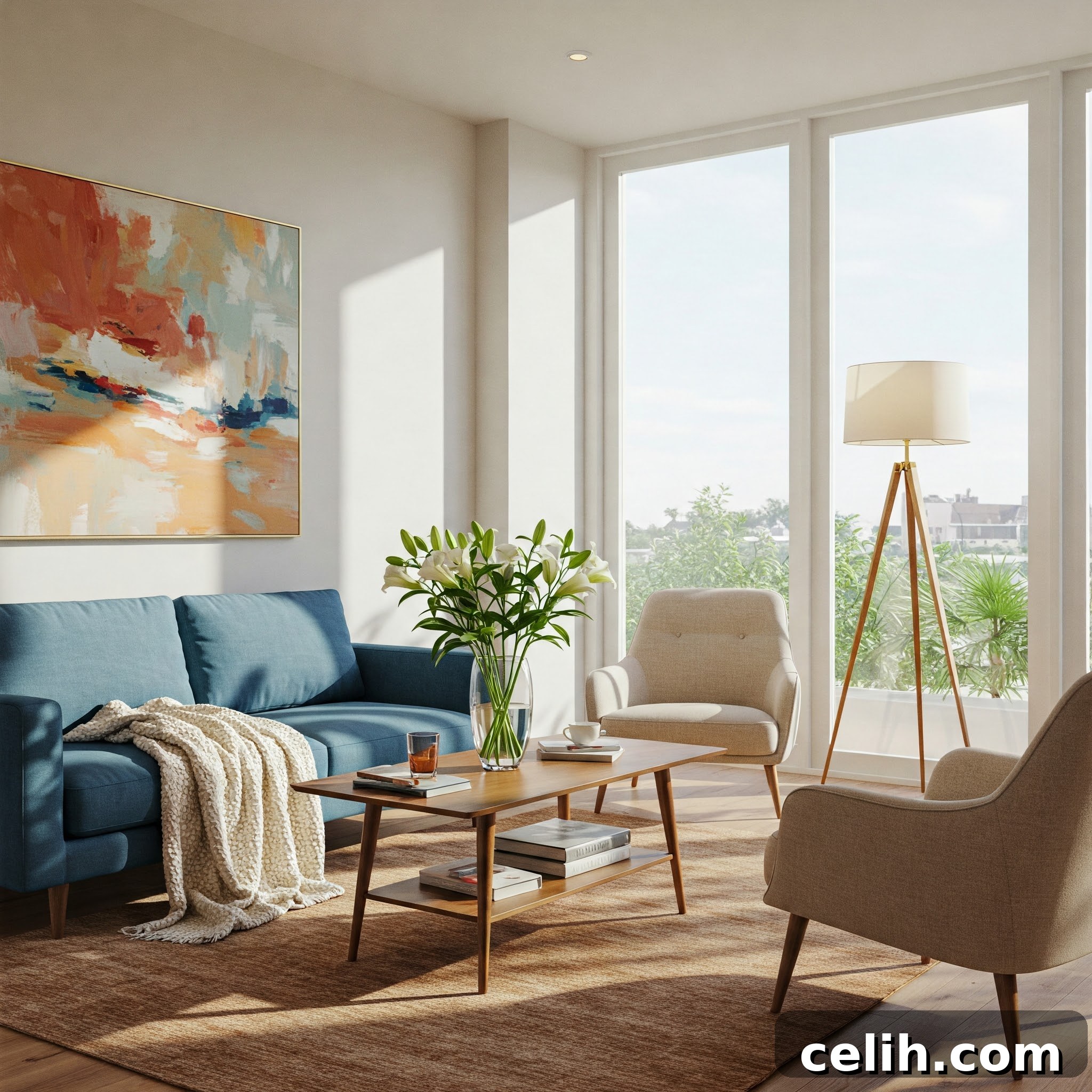
You’ve invested countless hours, creativity, and passion into transforming your house into a home, meticulously selecting paint swatches, artfully arranging furniture, and curating every decor piece to reflect your unique style. Your interior space is a carefully crafted sanctuary, a testament to your aesthetic vision. Then, as the summer sun climbs higher and temperatures begin to soar, an all-too-common dilemma emerges: do you compromise your meticulously designed sanctuary by introducing bulky, often unsightly cooling units, or do you endure the stifling heat, sacrificing comfort for the sake of preserving your cherished aesthetic?
The excellent news is that this is no longer a choice you need to make. The landscape of home comfort has evolved dramatically. Modern cooling solutions are now engineered with aesthetics in mind, and when combined with thoughtful design strategies, they work in seamless harmony. You can absolutely enjoy a home that is both refreshingly cool and exquisitely beautiful, a true oasis even on the hottest days.
This comprehensive guide will show you how to maintain the stunning interior you adore while ensuring unparalleled comfort all year round, especially when the mercury rises.
Embrace Design Elements That Naturally Minimize Heat Gain
Before even considering mechanical cooling systems, the most effective first step is to optimize your home’s inherent ability to stay naturally comfortable. These clever design adjustments integrate effortlessly with your existing decor, actively working to keep internal temperatures pleasantly low. By understanding how light and materials interact with heat, you can significantly reduce your reliance on energy-intensive cooling methods.
Leverage Light Colors to Reflect Heat, Avoid Dark Colors That Absorb
The fundamental principles of physics are your allies in cooling your home. Light colors possess a high albedo, meaning they effectively reflect sunlight and its accompanying heat energy away from your home’s surfaces. Conversely, dark colors absorb thermal radiation, causing surfaces to heat up rapidly and radiate that heat into your living spaces. Therefore, embracing a palette of pale walls, light-colored flooring, and neutral furnishings is a powerful strategy to prevent heat absorption.
This approach doesn’t mean your home has to feel sterile or devoid of personality. On the contrary, a sophisticated range of cool neutrals like soft grays, serene pale blues, tranquil warm whites, and elegant creams can create an airy, expansive feel while maintaining a refreshingly cool ambiance. Consider the transformative impact of swapping out heavy, dark throw pillows for lighter linen varieties in natural tones. Replace opulent, heat-retaining velvet curtains with breezy, lightweight cotton panels. Each seemingly small change contributes incrementally but significantly to noticeable temperature drops throughout your home, enhancing both comfort and visual spaciousness.
Implement Strategic Window Treatments for Solar Control
While abundant sunlight streaming through windows can be visually appealing, it is also a primary source of unwanted heat gain, quickly raising the temperature of any room. Installing the right window treatments is crucial for mitigating this solar gain without completely sacrificing natural light. Opt for highly effective options such as cellular shades, which provide excellent insulation, or Roman blinds, which offer a clean, tailored look. These can be easily lowered during peak sun hours, especially on south and west-facing windows.
When selecting colors for these treatments, choose light, reflective hues that diffuse incoming light beautifully rather than blocking it entirely, preserving a bright atmosphere. For an even more impactful solution, consider external shading elements like awnings or strategically placed pergolas. These structures intercept the sun’s harsh rays before they even reach the glass, offering superior heat reduction compared to interior treatments alone. For additional innovative strategies on managing solar gain, exploring resources like “Six brilliant ways to keep your home naturally cool in the summer” can provide further inspiration and actionable tips.
Prioritize Breathable Fabrics for Enhanced Comfort
The textiles you choose for your home play a significant role in how comfortable it feels, especially during warmer months. Natural materials inherently breathe better than their synthetic counterparts. Fabrics like cotton, linen, hemp, and bamboo are celebrated for their ability to allow air circulation, preventing the uncomfortable, sticky feeling often associated with polyester or other artificial fibers. These natural fibers wick away moisture, helping your body regulate its temperature more effectively.
Transform your bedroom into a cool haven by dressing beds in crisp cotton percale sheets, which are known for their cool, matte finish. For sofas and chairs, consider elegant linen slipcovers, which not only look effortlessly chic but also feel wonderfully cool to the touch. Replace heavy synthetic rugs with breathable cotton or jute alternatives, adding texture and warmth without trapping heat. These fabric choices contribute to an overall sense of relaxed elegance and sophistication, all while actively keeping your living spaces cooler and more inviting.
Integrate Climate Control Seamlessly With Your Interior Design
The era of unsightly, obtrusive air conditioning units dominating your carefully curated spaces is firmly in the past. Today’s advanced cooling systems are designed with aesthetic integration as a core principle. They offer a range of solutions that can blend seamlessly into even the most sophisticated interior designs, providing powerful cooling without compromising visual appeal.
Opt for Ducted Systems for Invisible, Whole-Home Cooling
For the ultimate in discrete climate control, ducted air conditioning systems are unparalleled. These sophisticated systems are completely hidden within your home’s walls, ceilings, or floor cavities, delivering powerful, consistent cooling through a network of ducts. The only visible components are discreet vents, typically flush-mounted in the ceiling or high on walls, designed to blend imperceptibly with your architecture. This ensures clean lines and uncluttered walls, maintaining the pristine aesthetic of your design.
Ducted systems are particularly advantageous in open-plan living spaces where you want nothing to interrupt sightlines or detract from the spacious feel. They provide uniform temperature distribution, eliminating hot spots and cold zones. Professional installation by reputable companies, such as Alliance Climate Control, is paramount. Their expertise ensures that the system is designed and integrated flawlessly with your home’s specific architectural requirements, whether you reside in a contemporary urban apartment or a beautifully preserved heritage property. Such precision guarantees optimal performance and aesthetic harmony.
Master Thoughtful Placement and Design of Split Systems
When the structural limitations or costs associated with ducted systems make them unfeasible, modern split systems offer an excellent alternative. The key to their successful integration lies in thoughtful placement and careful model selection. Mount indoor units high in corners or above doorways where they are naturally less noticeable. Modern units are often sleek and streamlined; choose models in neutral colors like white, silver, or matte black that complement your wall color or design scheme, allowing them to recede visually rather than stand out.
Leading manufacturers now push the boundaries of design, offering designer units with customizable facades. This innovation allows you to select colors, textures, and finishes that perfectly match or enhance your interior decor, transforming a functional appliance into an integrated design element. Furthermore, advancements in technology mean that modern split systems operate incredibly quietly, eliminating the distracting noise that once made air conditioning intrusive and ensuring your peace and quiet remain undisturbed.
Embrace Smart Controls That Disappear into Your Design
Traditional, bulky thermostats can be an eyesore, interrupting the clean, minimalist lines of modern interiors. Fortunately, the evolution of home automation brings elegant solutions. Replace outdated controls with sleek smart thermostats that resemble minimalist artwork or discreet touch panels. For ultimate discretion, many contemporary systems integrate seamlessly with home automation platforms, allowing you to control temperatures entirely through intuitive phone apps or even voice commands, completely eliminating the need for visible wall switches or controls. This not only enhances your home’s aesthetic but also offers unparalleled convenience and energy management capabilities.
Implement Zoned Cooling for Efficiency and Enhanced Aesthetics
One of the most effective strategies for both comfort and energy efficiency is zoned cooling. Not every room in your home requires the same temperature at all times. Zoned systems allow you to customize and control the climate in different areas independently, ensuring optimal comfort where and when you need it most, significantly reducing energy waste, and supporting your carefully crafted design aesthetic by avoiding over-cooling.
Focus Cooling Efforts Where You Live and Relax
Adopt a smart approach to cooling by concentrating your efforts on the specific spaces you actively occupy. Bedrooms, for instance, demand a comfortable, cooler environment conducive to restful sleep. Living areas and home offices require pleasant temperatures during daytime activities. Conversely, guest rooms, storage areas, basements, or other rarely used spaces can typically remain at a more ambient, slightly warmer temperature without impacting daily comfort. Multi-zone systems are designed precisely for this purpose, delivering targeted cooling to specific areas without the unnecessary energy expenditure of over-conditioning your entire home. This intelligent approach not only conserves energy and lowers utility bills but also prevents the uncomfortable, excessively cold feeling that can detract from an otherwise beautiful and inviting space.
Utilize Ceiling Fans as Integrated Design Elements
Forget the clunky, outdated ceiling fan models of decades past. Modern ceiling fans have undergone a significant design revolution, now offering sophisticated aesthetics that beautifully complement contemporary interiors. These new designs feature clean lines, high-quality materials, and a diverse range of finishes that enhance rather than compete with your existing decor. When chosen wisely, ceiling fans transcend their functional purpose to become striking design features in their own right, adding architectural interest and a touch of elegance.
Consider a brass-finished fan to perfectly suit an industrial or mid-century modern interior. Wood-blade fans can beautifully anchor coastal, farmhouse, or Scandinavian-inspired spaces, adding natural warmth. Sleek matte black or brushed nickel options are ideal for minimalist or ultra-modern rooms. Beyond their aesthetic contribution, fans provide an energy-efficient way to feel cooler. While they don’t lower the ambient temperature of a room, they create a wind chill effect by moving air across your skin, making you feel several degrees cooler. For maximum cooling efficacy during summer, ensure the blades are set to rotate counter-clockwise, pushing air downward to create that refreshing breeze.
Prioritize System Maintenance for Lasting Comfort and Aesthetics
Even the most aesthetically integrated and efficient cooling solutions will eventually falter without diligent, proper maintenance. Neglecting your systems can lead to decreased performance, higher energy bills, and even the accumulation of dust and debris that can mar the pristine appearance of your clean interiors. Regular HVAC cleaning is not just about efficiency; it’s about preserving your investment and maintaining a healthy, beautiful home environment.
Schedule Professional Servicing Annually
The single most important step in maintaining your cooling system’s longevity and performance is scheduling annual professional maintenance. A certified technician will conduct a thorough inspection, identifying and rectifying small issues before they escalate into costly breakdowns. This includes cleaning vital components, checking refrigerant levels, inspecting electrical connections, and ensuring all parts are functioning optimally. Well-maintained systems operate with peak efficiency, consuming less energy to deliver the same level of cooling comfort. This translates directly into significant savings on your utility bills and a reduced environmental footprint, a benefit increasingly valued by design-conscious and eco-aware homeowners.
Maintain Clean and Unobstructed Vents
The placement of furniture and the cleanliness of your vents might seem like minor details, but they have a substantial impact on your cooling system’s performance and your home’s air quality. Furniture or decorative items blocking air vents significantly reduce airflow, forcing your system to work harder, which wastes energy and increases wear and tear. Ensure your rooms are arranged to allow unrestricted air circulation to and from all vents. Furthermore, make it a habit to regularly clean vent covers. Dust and allergens can easily accumulate on these surfaces and then be recirculated throughout your carefully designed spaces, compromising air quality, potentially impacting health, and detracting from the fresh, clean feeling you strive for in your home.
Incorporate Materials That Naturally Stay Cool
The inherent thermal properties of building and decorative materials play a crucial role in how cool and comfortable a space feels. By making conscious choices about the surfaces and textiles within your home, you can create environments that remain naturally cooler, often requiring less supplementary mechanical cooling and contributing to a more sustainable lifestyle.
Embrace the Coolness of Tile and Stone
Materials such as ceramic, porcelain, and natural stone (including marble, granite, and slate) possess high thermal mass, meaning they absorb heat slowly and release it even slower. Crucially, they tend to remain cool to the touch even during intense heat waves, providing a refreshing sensation underfoot. These durable and elegant materials are ideal for high-traffic areas like entryways, kitchens, bathrooms, and even open-plan living spaces. Their polished finishes also have the added benefit of reflecting light, which can amplify natural brightness and make a space feel more expansive, all while helping to maintain comfortable ambient temperatures.
Beyond their practical benefits, these materials work beautifully with a myriad of contemporary design schemes. Imagine the sophisticated appeal of large format porcelain tiles that mimic the look of concrete, the timeless elegance of marble, or the vibrant patterns of terrazzo in a modern setting. Their natural coolness and inherent beauty make them a smart choice for any design-conscious homeowner.
Select Natural Fiber Textiles for Temperature Regulation
Beyond flooring, the textiles you bring into your home significantly influence its thermal comfort. Natural fibers like cotton, linen, wool (even in summer weights like merino), and jute are inherently better at regulating temperature than synthetic materials. They are breathable, allowing air to circulate, and many possess excellent moisture-wicking properties, which prevent the clammy, uncomfortable feeling often associated with artificial fabrics.
Consider layering washable cotton throws on sofas for an easily refreshed, casual summer look. Hang light, flowing linen curtains that billow gently with any passing breeze, creating an airy, serene atmosphere. These choices not only contribute to a sophisticated and inviting aesthetic but also actively work to keep you and your home feeling cooler and more comfortable throughout the warmer months. Natural fibers also often have a more appealing texture and drape, enhancing the tactile experience of your home.
Harmonize Cutting-Edge Technology with Timeless Design Principles
The most successful interiors are those that masterfully blend the efficiency and innovation of cutting-edge technology with the enduring appeal of timeless design principles. Your home’s cooling strategy should aspire to this same elevated standard. It’s about more than just installing new equipment; it’s about integrating it thoughtfully into the fabric of your home.
Modern climate control systems offer truly impressive levels of efficiency, performance, and smart capabilities. When these systems are selected and integrated with a discerning eye for design, they do not detract from your carefully curated vision; instead, they enhance it. To achieve this delicate balance, it is crucial to collaborate with professionals who possess a deep understanding of both the technical requirements of HVAC systems and the subtle nuances of aesthetic considerations. They can guide you in choosing units that are not only powerful and energy-efficient but also visually harmonious with your interior style.
The ultimate objective isn’t merely to hide technology; it’s to select and position it with such deliberate consideration that it becomes an integral, accepted part of your home’s design language. When executed flawlessly, your cooling system won’t fight against your decor; it will quietly, efficiently, and beautifully support the comfortable and stylish environment you’ve worked so hard to create.
Bringing It All Together: Your Guide to a Beautifully Cooled Home
Achieving a home that is consistently cool, comfortable, and inviting, even during the peak of summer, absolutely does not demand sacrificing the interior style you’ve so diligently worked to achieve. It’s a harmonious balance, a blend of smart choices and strategic integration.
Begin your journey by implementing passive cooling strategies that work with your home’s natural architecture: embrace light, reflective colors, choose breathable, natural fabrics for textiles and furnishings, and deploy strategic shading solutions for your windows. These foundational elements lay the groundwork for a naturally cooler environment. Next, layer in mechanical cooling systems, selecting options that are celebrated not only for their high performance and energy efficiency but also for their subtle aesthetics and seamless integration into your design. Finally, commit to regular maintenance for all your systems. This proactive approach ensures consistent performance, longevity, and preserves both the comfort and visual appeal of your meticulously designed spaces for years to come.
Remember that even the smallest decisions compound over time. Each thoughtful choice you make – from the specific shade of paint on your walls to the precise placement of your air conditioning unit – contributes significantly to crafting spaces that are not only stunningly beautiful but also wonderfully comfortable, supporting your lifestyle effortlessly throughout every season. Your home should serve as a supportive backdrop to your life, never dominating or detracting from it. With the right approach and a keen eye for detail, climate control transcends its utilitarian function to become an invisible, essential part of your home’s architecture: always present, always performing, and never intrusive.