
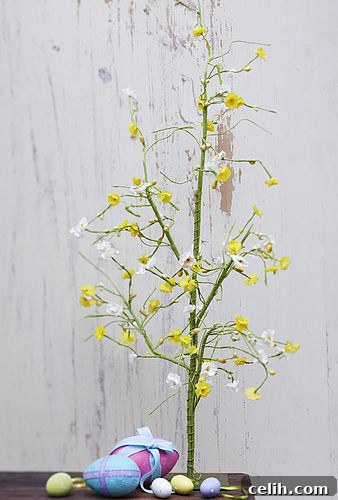
Transform Your Home for Spring: The Ultimate Guide to Easter Trees and Decor
As the grey days of winter give way to the vibrant hues of spring, our homes naturally crave a refresh. While many associate festive trees solely with the Christmas season, there’s another delightful tradition gaining popularity: the Easter tree. Far more than just a passing trend, an Easter tree serves as a charming focal point, embodying the renewal and hope of the spring season. It’s a wonderful way to inject a burst of color, creativity, and festive cheer into your living space, making your home feel truly ready for Easter celebrations.
Forget the notion that decorative trees are exclusive to winter holidays. An Easter tree offers a unique opportunity to embrace the lightness and vibrancy of spring, providing a canvas for beautiful decorations that celebrate new life and joyous beginnings. Whether you opt for a grand display or a subtle accent, an Easter tree promises to elevate your seasonal decor.
Why Embrace the Easter Tree Tradition?
The concept of an Easter tree, or “Osterbaum” as it’s known in Germany where the tradition originated, is deeply rooted in folklore and symbolism. It represents new beginnings, fertility, and the awakening of nature after winter’s slumber. Beyond its historical significance, an Easter tree offers numerous benefits for contemporary home decor:
- Seasonal Celebration: It’s a clear declaration of spring, signaling the arrival of warmer weather and longer days.
- Creative Outlet: Provides an exciting opportunity for DIY projects, allowing you to personalize your decor with handmade ornaments.
- Focal Point: Instantly draws the eye and creates a festive atmosphere, becoming a natural conversation starter.
- Versatility: Can be adapted to any interior style, from minimalist to rustic, traditional to whimsical.
- Family Activity: Decorating an Easter tree can be a wonderful activity for the whole family, creating cherished memories.
Choosing Your Easter Tree Base: From Branches to Artificial Splendor
The foundation of your Easter tree sets the tone for your entire display. You have several options, each offering a distinct aesthetic and level of convenience.
Natural Branches: Rustic Charm and Organic Beauty
For an authentic, organic feel, consider using natural branches. These can be collected from your garden (ensure they are clean and dry) or purchased from craft stores and florists. Popular choices include pussy willow, birch, or dogwood branches, which boast interesting textures and shapes. Placing a bunch of these decorative twigs in a sturdy vase creates an instant, elegant base for your Easter decorations. You can also find pre-lit branches, often with subtle LED lights, to add a soft, enchanting glow, especially beautiful during evening hours. This natural approach perfectly complements a rustic or minimalist decor scheme, bringing the beauty of the outdoors inside.
Artificial Easter Trees: Convenience and Reusability
If you prefer a hassle-free option or want a tree that can be reused year after year, an artificial Easter tree is an excellent choice. These typically come in various sizes and styles, from small tabletop versions to taller floor-standing models. They often mimic the appearance of spring branches or even small potted trees, sometimes pre-decorated with subtle pastel colors or integrated lights. Artificial trees offer convenience and durability, making storage and setup simple. They are ideal for busy households or those who enjoy a consistent look each season.
Potted Plants and Small Trees: Living Decor
For an eco-friendly and vibrant option, you can even decorate a small living plant or potted tree. A small olive tree, a ficus, or even a blossoming houseplant like a miniature rose bush can serve as a charming Easter tree. This method adds life and freshness to your decor, and after Easter, the plant can continue to thrive in your home or garden. Remember to choose lightweight ornaments if decorating a living plant to avoid stressing its branches.
Decorating Your Easter Tree: A Canvas for Creativity
Once you have chosen your base, the real fun begins: decorating! Easter tree decorations are diverse and allow for endless creativity. The key is to select items that evoke the spirit of spring – freshness, new life, and joyful colors.
Classic Easter Egg Ornaments
No Easter tree is complete without eggs. These symbols of new life are the quintessential Easter decoration. You can choose from:
- Blown and Painted Eggs: A timeless DIY project, carefully blowing out the contents of eggs and then decorating the shells with paint, glitter, or decoupage.
- Plastic or Ceramic Eggs: Widely available in a myriad of colors and patterns, these are durable and reusable. Look for pastel shades, floral designs, or speckled patterns reminiscent of robin’s eggs.
- Fabric or Felt Eggs: Handmade eggs from soft materials add a cozy, whimsical touch and are safe for homes with children or pets.
Hang eggs with colorful ribbons or delicate strings, varying their lengths for a dynamic display.
Beyond Eggs: Whimsical and Thematic Decor
While eggs are central, don’t limit your creativity! Many other items can beautifully adorn your Easter tree:
- Bunnies and Chicks: Small figurines or soft ornaments of bunnies, chicks, and lambs instantly add a playful, thematic touch.
- Floral Elements: Faux spring flowers like daffodils, tulips, cherry blossoms, or small sprigs of greenery can be nestled among the branches.
- Ribbons and Bows: Pastel-colored ribbons, tied into bows or draped gracefully, add elegance and softness.
- Birds and Nests: Miniature bird ornaments and tiny nests symbolize new life and spring’s awakening.
- Butterflies and Bees: Delicate insect decorations can bring a sense of natural wonder and lightness.
The Magic of Lights
Just as with Christmas trees, lights can dramatically enhance your Easter tree. Opt for delicate fairy lights or small LED string lights. Choose warm white lights for a classic, cozy glow, or pastel-colored lights for a more playful, whimsical effect. Weaving them through the branches, especially with natural twigs, creates a magical ambiance that’s particularly enchanting in the evening.
DIY Easter Tree Decorations: Personal Touches
Creating your own decorations is not only cost-effective but also infuses your Easter tree with personal charm and unique stories. Here are a few DIY ideas:
- Paper Ornaments: Cut out spring shapes like flowers, butterflies, or bunnies from cardstock. Decorate them with glitter, markers, or even pressed flowers.
- Salt Dough Creations: Easy to make, salt dough can be molded into various Easter shapes, baked, and then painted.
- Yarn Wrapped Eggs: Wrap polystyrene eggs with colorful yarn, securing with glue, for a textured, rustic look.
- Beaded Ornaments: String beads onto wire to create delicate egg or flower shapes.
- Pom-Pom Animals: Craft small pom-pom bunnies or chicks with googly eyes and felt ears/beaks.
Involve children in these projects for a fun, family-friendly activity that makes the Easter tree even more special.
Placement and Integration: Where Your Easter Tree Shines
The location of your Easter tree can significantly impact its overall effect. Consider areas where it will be seen and appreciated most:
- Entryway: A welcoming sight for guests, immediately setting a festive tone.
- Living Room: As a central decor piece on a coffee table, console, or as a floor-standing feature.
- Dining Room: A beautiful centerpiece for your Easter meal, enhancing the celebratory atmosphere.
- Kitchen Nook: A smaller tabletop tree can bring joy to everyday spaces.
- Bedroom: A subtle, charming accent, especially in a child’s room.
Ensure the tree is placed on a stable surface and away from high-traffic areas if it’s a larger display. Harmonize its placement with existing decor to create a seamless springtime transition.
Complementary Spring Decor: Creating a Harmonious Scene
An Easter tree doesn’t have to stand alone. Surround it with complementary spring decor to create a cohesive and immersive festive environment:
- Floral Arrangements: Fresh spring flowers like tulips, daffodils, hyacinths, and lilies in vases scattered throughout the room.
- Wreaths and Garlands: Adorn your front door with an Easter-themed wreath or drape garlands with spring blossoms over mantels and doorways.
- Table Settings: Incorporate pastel linens, bunny-shaped napkin rings, and decorative plates for your Easter brunch or dinner.
- Candles: Scented candles with fresh, floral, or citrus notes can enhance the springtime ambiance.
- Textiles: Swap out heavy winter throws and pillows for lighter fabrics in spring colors or patterns.
- Figurines: Place small bunny, chick, or lamb figurines on shelves, side tables, or windowsills.
By layering these elements, you can transform your entire home into a welcoming haven that celebrates the joy of Easter and the beauty of spring.
A Touch of History: The Origins of the Easter Tree
While gaining popularity globally, the Easter tree tradition has deep roots in Germany. Known as the “Osterbaum,” this custom involves decorating branches with colorful blown eggs. The tradition dates back centuries, with some historians tracing it to pre-Christian pagan rituals celebrating fertility and the rebirth of nature. Over time, it evolved to become a beloved Christian symbol, with the eggs representing new life and the resurrection. Families would often gather birch or willow branches and adorn them with hand-painted eggs, creating beautiful, vibrant displays that marked the arrival of spring and Easter.
Sustainable Easter Decor: Eco-Friendly Choices
As we embrace seasonal decorating, it’s worth considering eco-friendly options. Choosing sustainable practices for your Easter tree can be both rewarding and responsible:
- Reuse and Repurpose: Store your artificial tree and ornaments carefully to use them year after year.
- Natural Elements: Collect fallen branches and compost them after use. Use natural dyes for eggs, like onion skins or beet juice.
- Handmade over Store-Bought: DIY decorations often use fewer resources and reduce waste compared to mass-produced items.
- Living Plants: As mentioned, decorating a potted plant is a wonderful way to enjoy temporary decor that continues to live on.
- Support Local Artisans: If purchasing, look for locally made, handcrafted ornaments that support small businesses and often have a lower environmental footprint.
Bringing it All Together: Tips for a Stunning Easter Display
To ensure your Easter tree and surrounding decor look their best, keep these tips in mind:
- Balance and Scale: Choose a tree base and ornaments that are proportionate to your space.
- Color Palette: Stick to a cohesive color scheme – pastels, brights, or even a monochromatic theme – for a polished look.
- Layering: Combine different textures and sizes of ornaments for depth and visual interest.
- Lighting: Don’t underestimate the power of subtle lighting to create warmth and ambiance.
- Personalization: Incorporate elements that reflect your personality and family traditions.
- Less is More (Sometimes): While festive, avoid overcrowding your tree or space. Sometimes a few carefully chosen decorations have more impact.
Conclusion: Welcome Spring with an Easter Tree
An Easter tree is a wonderful addition to any home celebrating the spring season. It’s a versatile and joyful decoration that perfectly captures the essence of renewal, hope, and vibrant life. Whether you gather fresh branches from your garden, invest in an artificial tree, or decorate a living plant, the act of adorning it with colorful eggs and charming ornaments is a cherished tradition waiting to be embraced. By following these ideas and infusing your own creativity, you can craft a stunning Easter display that brings warmth, beauty, and festive cheer to your home, making this spring truly unforgettable.