
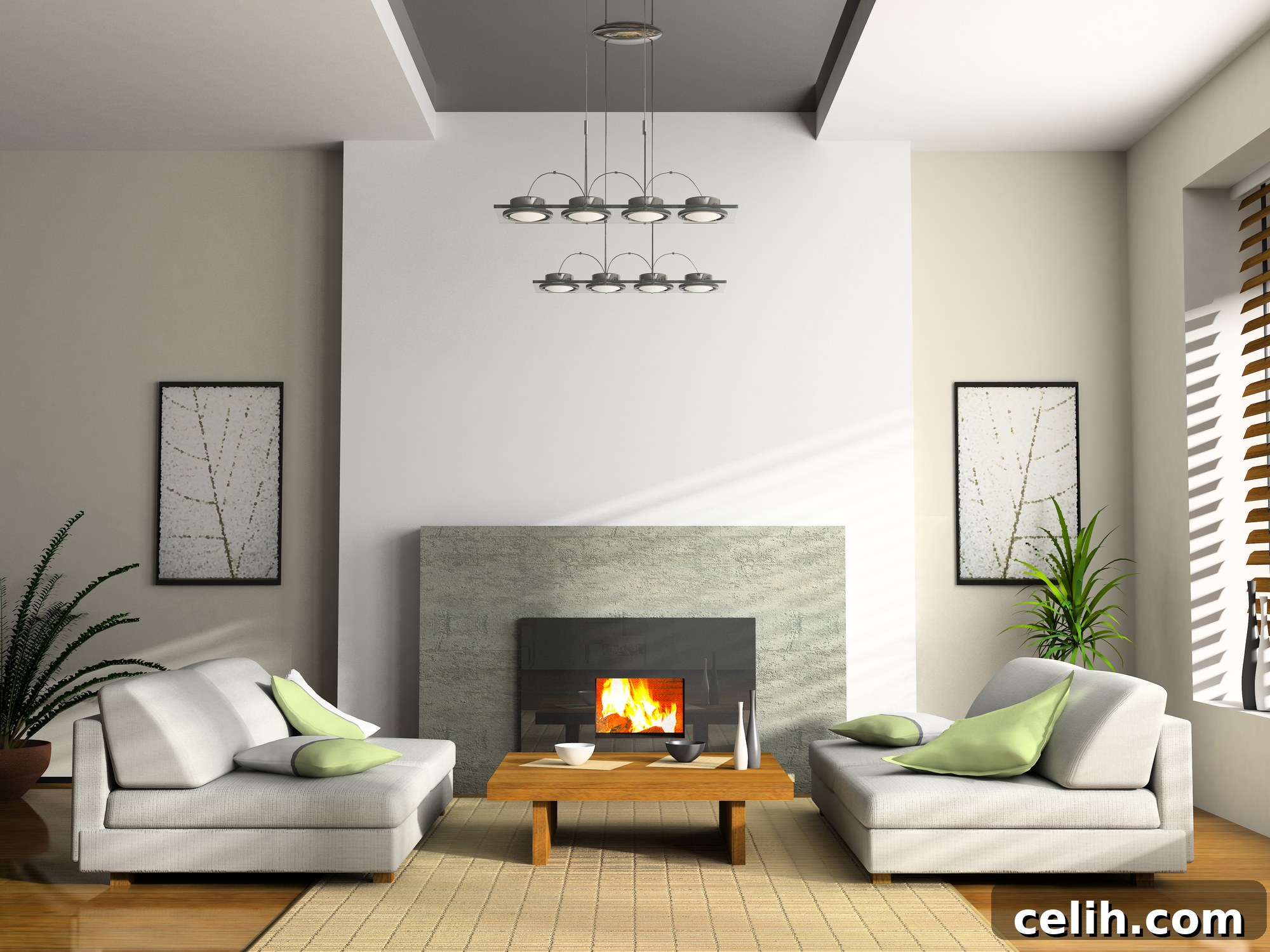
Embarking on a home transformation journey, whether you’re starting with a blank canvas or seeking to refresh a few key areas, is an exciting prospect. This comprehensive guide is meticulously crafted to offer you practical insights, innovative solutions, and actionable tips that will empower you to create a living space you not only adore but also find deeply comfortable and inspiring. Our aim is to help you design an environment that truly reflects your personal style, enhances your daily life, and contributes positively to your well-being.
Prepare to delve into the intricate world of interior design, where we uncover how to seamlessly integrate aesthetic beauty, unparalleled comfort, and critical sustainability principles into every facet of your home design. From the initial conceptualization to the final decorative touches, we’ll navigate the process together, ensuring your revamped space is both stunning and conscientious.
Kickstart Your Space Transformation with These Essential Steps
When you set out to revamp your living space, the journey truly begins with cultivating a clear and compelling vision. This foundational step is crucial for steering your project in the right direction and ensuring the final outcome aligns perfectly with your aspirations. Start by conducting a thorough assessment of what you genuinely hope to achieve. Are you yearning for a haven of increased comfort, eager to embrace a bold new aesthetic, or primarily focused on enhancing the functionality of your rooms? Clearly outline these overarching goals and, importantly, prioritize them. This strategic prioritization will serve as your compass, keeping the entire transformation project focused and on track, preventing potential detours or budget overruns.
- Embrace the Power of Decluttering: Your Foundation for a Fresh Start: Before any design element is introduced or furniture is rearranged, the most impactful first step is to simplify your space through comprehensive decluttering. Systematically remove any items that no longer serve a meaningful purpose, spark joy, or contribute positively to your environment. This process is more than just tidying; it’s an act of liberation. By clearing away the unnecessary, you not only create physical space but also mental clarity, allowing you to truly focus on what’s genuinely important for your new design. A decluttered space is a canvas ready for creativity and thoughtful design.
- Strategic Planning for Future Flexibility and Adaptability: In today’s dynamic world, our needs and lifestyles are constantly evolving. When designing your space, it’s wise to plan not just for the present, but also for potential future changes. Consider how your space might need to adapt over time. Opt for versatile and modular furniture pieces that can be easily reconfigured to suit different occasions or life stages. Adaptable layouts, such as open-plan living areas that can be zoned with screens or rugs, offer the freedom to transform the function of a room without undertaking a complete renovation. This foresight ensures your home remains relevant, comfortable, and efficient for years to come.
- Master Your Layout: Optimizing Flow and Functionality: A well-conceived layout is the backbone of any successful interior design project. Take time to deeply consider how each area of your space is utilized and plan the furniture arrangement and activity zones accordingly. Pay close attention to traffic flow, ensuring there are clear pathways between different functional areas. For instance, in an open-plan living and dining area, ensure easy movement from the kitchen to the dining table and then to a relaxed seating zone. A strategically organized space isn’t just aesthetically pleasing; it significantly enhances the ease with which you can implement design changes and live comfortably within your home.
- Establish a Realistic Budget: Guiding Your Design Choices: Before any purchases are made or contractors are hired, it is absolutely paramount to define your budget early in the planning process. Having a clear understanding of how much you can realistically spend will serve as an indispensable guide for all subsequent choices, from the selection of materials and finishes to the acquisition of furnishings and decorative items. A well-defined budget helps in prioritizing tasks, distinguishing between ‘must-haves’ and ‘nice-to-haves,’ and preventing unexpected financial strain. Remember to also allocate a contingency fund, typically 10-15% of your total budget, for unforeseen expenses.
Slash Your Carbon Footprint with Smart Interior Choices
Reducing your home’s environmental impact and carbon footprint is a goal that’s far more attainable than many believe. Integrating sustainable practices into your interior design not only benefits the planet but also often leads to long-term savings and a healthier living environment. Start your eco-conscious journey with these impactful strategies:
- Embrace Energy-Efficient Lighting for a Brighter, Greener Home: One of the simplest yet most effective ways to lower your energy consumption is by upgrading your lighting. Replace traditional incandescent bulbs with modern LED lights. LEDs are incredibly energy-efficient, using significantly less electricity, and boast a much longer lifespan, reducing waste and replacement costs. Beyond basic efficiency, consider incorporating smart lighting systems. These advanced systems can optimize energy use by automatically adjusting brightness based on natural light levels, turning off lights in empty rooms, and even learning your daily habits to create an even more efficient and comfortable ambiance.
- Prioritize Sustainable Materials for Eco-Conscious Design: The materials you choose play a crucial role in your home’s environmental footprint. Make a conscious effort to incorporate recycled, upcycled, or rapidly renewable materials into your décor and finishes. Think beyond basic; explore options like recycled glass countertops, reclaimed wood flooring or accents, and recycled metal fixtures. Furthermore, opt for natural fibers such as organic cotton, linen, hemp, and wool for textiles, upholstery, and carpets. These materials are not only biodegradable and often require less water and fewer pesticides to produce, but they also contribute to a lower environmental impact and a healthier indoor air quality.
- Choose Low-VOC Paints for a Healthier Atmosphere: The paint you select for your walls and trim can have a significant impact on both indoor air quality and the broader environment. Volatile Organic Compounds (VOCs) found in many conventional paints can release harmful gases into your home, contributing to respiratory issues and a range of health concerns. By choosing low-VOC or zero-VOC paints, you actively minimize these harmful emissions, creating a much healthier living environment for you and your family. Many low-VOC options are now available in a wide array of colors and finishes, ensuring you don’t have to compromise on style for health.
- Implement Water Conservation Strategies Throughout Your Home: Water is a precious resource, and integrating water-saving measures into your home design is an essential aspect of sustainability. Start by installing low-flow faucets and showerheads in your bathrooms and kitchen. These fixtures reduce water usage significantly without compromising water pressure or performance. For a more advanced approach, consider exploring greywater systems. These innovative systems capture and treat water from sinks, showers, and washing machines, allowing it to be safely reused for non-potable purposes such as irrigation, thereby drastically cutting down on your overall water consumption.
- Integrate Smart Home Features for Enhanced Efficiency and Convenience: Investing in smart home technology is a forward-thinking step towards both convenience and exceptional energy efficiency. Smart thermostats, for instance, learn your heating and cooling preferences, adjust temperatures automatically, and can be controlled remotely, significantly reducing wasted energy. Beyond thermostats, consider smart lighting systems for optimized energy use, and even explore alternative energy sources like solar panels to generate your own clean electricity. Integrated security systems can also contribute to efficiency by ensuring your home is secure while potentially automating other energy-saving functions. These technologies collectively enhance comfort while making your home more efficient and truly eco-friendly.
Choose Colours that Uplift and Inspire
The selection of the right colour scheme is arguably one of the most powerful tools in a designer’s arsenal, fundamentally dictating the mood, perception, and overall atmosphere of any room. It’s the key to achieving that delicate balance between comfort and style. Here’s how to choose colours that truly resonate with your vision and enhance your living experience:
- Delve into the World of Colour Psychology: Understanding Emotional Impact: Colours are more than just visual stimuli; they are potent emotional triggers. Understanding the basics of colour psychology can profoundly influence your design choices. For instance, cool hues like various shades of blues and greens are renowned for their calming, serene, and relaxing effects, making them exceptionally well-suited for private spaces like bedrooms and peaceful living rooms where tranquility is desired. Conversely, warm hues such as vibrant yellows and inviting oranges are known to energize, stimulate conversation, and evoke feelings of optimism and warmth, making them perfect for social areas like kitchens, dining rooms, and lively entryways.
- Align Colours with the Room’s Intended Function: The primary purpose of a room should always guide its colour palette. Use colour strategically to enhance and support the room’s function. In living rooms, where relaxation and gathering are key, soft neutrals like creams, light greys, or muted pastels can create an inviting and peaceful ambiance. For a home office, where focus and productivity are paramount, bolder accents in blues or greens can stimulate mental activity without being overwhelming. Similarly, in children’s playrooms, vibrant and playful colours can foster creativity and joy.
- Harness the Power of the 60-30-10 Rule for Harmonious Design: To achieve a beautifully balanced and visually harmonious palette, the 60-30-10 rule is an invaluable guideline. This principle suggests that 60% of your room should be dominated by your primary colour – typically on walls or large furniture pieces. The secondary colour should occupy 30% of the space, often seen in upholstery, curtains, or an accent wall. Finally, a vibrant or contrasting accent colour should be used for the remaining 10%, appearing in smaller details such as throw pillows, artwork, or decorative accessories. This rule ensures a well-proportioned and appealing distribution of colours.
- Always Test Before You Commit: The Importance of Swatches: One of the most common pitfalls in colour selection is making a decision based solely on a small paint chip. Lighting conditions, both natural and artificial, can drastically alter how a colour appears. Therefore, it is absolutely essential to always test your chosen colours directly in the actual room. Paint large swatches on different walls or use generously sized paint samples to observe how the colours look at various times of the day and under different lighting scenarios. This crucial step will save you from potential disappointment and costly re-paints.
Incorporate Eco-Friendly Materials for a Greener Home
Integrating sustainable materials into your home design offers multifaceted benefits, not only for the health of our planet but also for the well-being of those living within its walls. These materials are often characterized by their minimal environmental impact, renewability, recyclability, and non-toxic properties. Popular examples include bamboo, a rapidly renewable grass known for its strength and versatility; recycled metal, which reduces the need for virgin resources; and reclaimed wood, giving new life to timber that would otherwise be discarded. These choices are not merely environmentally friendly but also inherently durable, often boasting unique textures and stories, making them perfect for creating stylish and modern homes with a conscience. Here’s a deeper dive into how to effectively incorporate them:
- Opt for Sustainable Furniture: A Foundation of Responsibility: When selecting furniture, make a conscious choice to seek out pieces crafted from responsibly sourced or reclaimed wood. Responsibly sourced wood, often identified by certifications like FSC (Forest Stewardship Council), ensures that timber comes from sustainably managed forests, helping to reduce deforestation and protect vital biodiversity. Reclaimed wood, on the other hand, repurposes timber from old buildings, barns, or factories, minimizing waste and adding a unique character to your space. Beyond wood, explore furniture made from recycled plastics, metals, or natural fibers that are organically grown and processed.
- Improve Indoor Air Quality with Non-Toxic Finishes and Materials: The air we breathe indoors can often be more polluted than outdoor air, largely due to off-gassing from furniture, paints, and building materials containing harmful chemicals. To significantly improve your indoor air quality, look specifically for furniture and materials that feature non-toxic, low-VOC (Volatile Organic Compound) or zero-VOC finishes. Beyond furniture, consider natural flooring options like cork or linoleum, which are free from synthetic chemicals. Incorporating air-purifying plants such as snake plants or peace lilies can also act as natural air filters, further contributing to a healthier and fresher living environment.
- Durability Matters: Investing in Long-Term Value and Resilience: While the initial upfront cost of high-quality, sustainable furniture and materials might sometimes be higher, it’s crucial to view these choices as a long-term investment. Durable pieces are built to withstand the test of time, reducing the need for frequent replacements and thereby lessening landfill waste. This approach counters the “fast furniture” trend and promotes a more mindful consumption pattern. Investing in resilient, well-crafted items not only offers superior long-term value and withstands daily wear and tear but also contributes to the longevity and timelessness of your interior design, making your home truly sustainable in practice.
Ensure Functionality and Practicality for Everyday Living
A beautifully revamped space should never compromise on its primary purpose: to be a functional and practical environment that supports your daily life. An elegant home that isn’t practical quickly loses its appeal. Ensuring functionality means designing a space that is not only visually appealing but also efficient, comfortable, and easy to live in. Here’s how to achieve that vital balance:
- Implement Smart Layouts for Seamless Movement: The arrangement of your furniture is paramount to creating a space with optimal flow and usability. Carefully plan your layout to maintain smooth, unobstructed pathways for movement throughout the room and between different areas of your home. Avoid placing large, bulky pieces of furniture directly in high-traffic zones, as this can create bottlenecks and disrupt the natural circulation. Consider how each piece of furniture contributes to the room’s function and how it relates to adjacent elements. In open-plan settings, use rugs or distinct furniture groupings to subtly define different zones—such as a living area, dining nook, or reading corner—without impeding visual or physical flow.
- Select Durable Materials for Long-Lasting Usability: Investing in materials that are built to last is a cornerstone of practical design. For high-use items like sofas and armchairs, choose durable materials and stain-resistant fabrics such as performance synthetics like microfiber or treated natural fibers. For flooring, options like hardwood, porcelain tile, or high-quality laminate offer longevity and are easier to maintain than more delicate alternatives. In kitchens and bathrooms, opt for robust and easy-to-clean countertop materials like quartz or granite. These choices not only withstand the rigors of daily life but also reduce the need for frequent replacements, saving you time, money, and hassle in the long run.
- Implement Effective Storage and Decluttering Strategies: A practical space is, by definition, an organized space. Regular decluttering is not a one-time event but an ongoing practice essential for maintaining order and visual calm. Beyond decluttering, efficient organization is key. Incorporate smart storage solutions that are both accessible and discreet. This could include built-in shelving, multi-functional furniture with hidden storage compartments, vertical storage units, or well-designed pantry systems. By giving every item a designated home, you minimize visual clutter, streamline daily routines, and ensure your beautiful space remains tidy and functional, ready to be enjoyed without distraction.
Upgrade Your Space: Merging Elegance, Comfort, and Sustainability for a Holistic Home
The journey of revamping your home is an incredibly rewarding opportunity to craft an environment that not only reflects your evolving style but also deeply resonates with your core values of comfort and environmental responsibility. It’s about creating a personal sanctuary that is both aesthetically pleasing and consciously designed. By meticulously choosing colour schemes that evoke specific moods, skillfully blending diverse design styles to create unique character, and thoughtfully incorporating eco-friendly materials at every turn, you can cultivate a home that tells your story and supports a healthier planet.
As you move forward with your transformation, remember to always prioritize functionality, ensuring that every design choice enhances your daily living experience. Embrace expert insights, such as the principles of biophilic design – which connects occupants to nature through design elements – and the strategic use of layered lighting to create depth and atmosphere. Crucially, consider how your space can remain adaptive and evolve with your future needs and lifestyle changes. With thoughtful planning, an unwavering commitment to sustainability, and a sprinkle of creative touches, your beautifully revamped space will transcend mere aesthetics. It will not only captivate with its beauty and comfort but also profoundly enhance your overall well-being and stand as a testament to a truly sustainable way of living, embodying a harmonious blend of elegance, comfort, and environmental stewardship for years to come.