
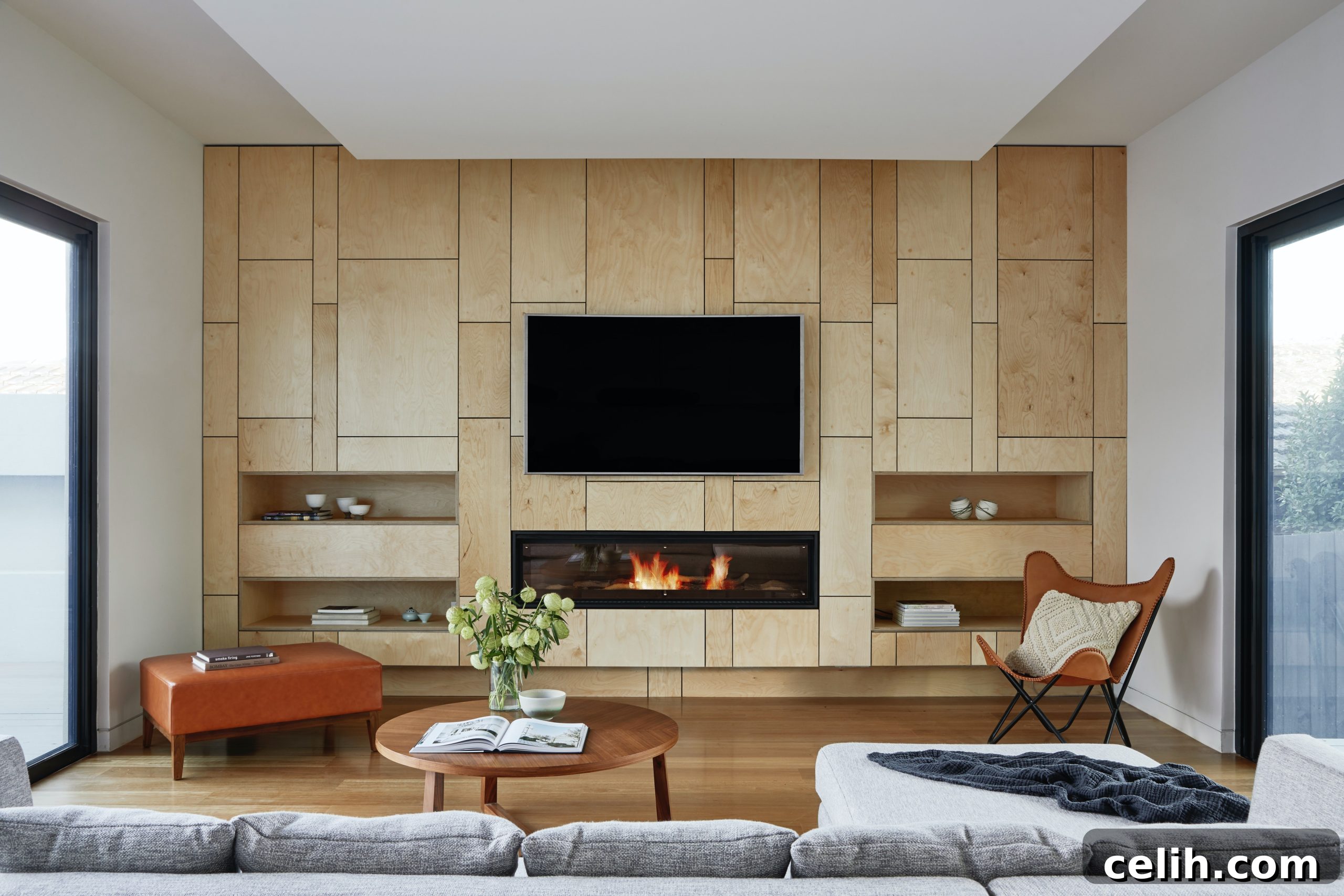
The stark expanse of an empty wall can be an intimidating sight for any homeowner or interior enthusiast. Much like a blank canvas, it presents a challenge: how to imbue it with personality, style, and warmth, transforming it from a mere structural element into a focal point of design. For centuries, interior designers and architects have sought ingenious ways to tackle this aesthetic dilemma, aiming to elevate spaces beyond the ordinary.
Fortunately, a timeless and highly effective solution continues to captivate: wall panelling. This versatile design approach offers an unparalleled ability to add character, depth, and a touch of sophistication to any room. From classic elegance to contemporary chic, the possibilities are virtually endless. When considering materials, MDF for wall panelling stands out as an exceptionally popular choice, celebrated for its affordability, workability, and smooth finish, making it suitable for a myriad of decorative effects.
In this comprehensive guide, we will delve into the transformative power of wall panelling, exploring popular ideas, enduring trends, and practical applications that can help you redefine your living spaces. Discover how this classic design element continues to evolve, offering innovative ways to enhance your home’s aesthetic appeal and functionality.
Elevate Your Interiors: Innovative Wall Panelling Ideas for Modern Homes
Wall panelling is more than just a decorative feature; it’s a statement. It can influence the perceived size of a room, protect your walls, and even introduce subtle architectural details that speak volumes about your style. Let’s explore some of the most compelling ways to integrate wall panelling into your home design.
Crafting Ambiance: From Intimate and Cosy to Open and Bright Spaces
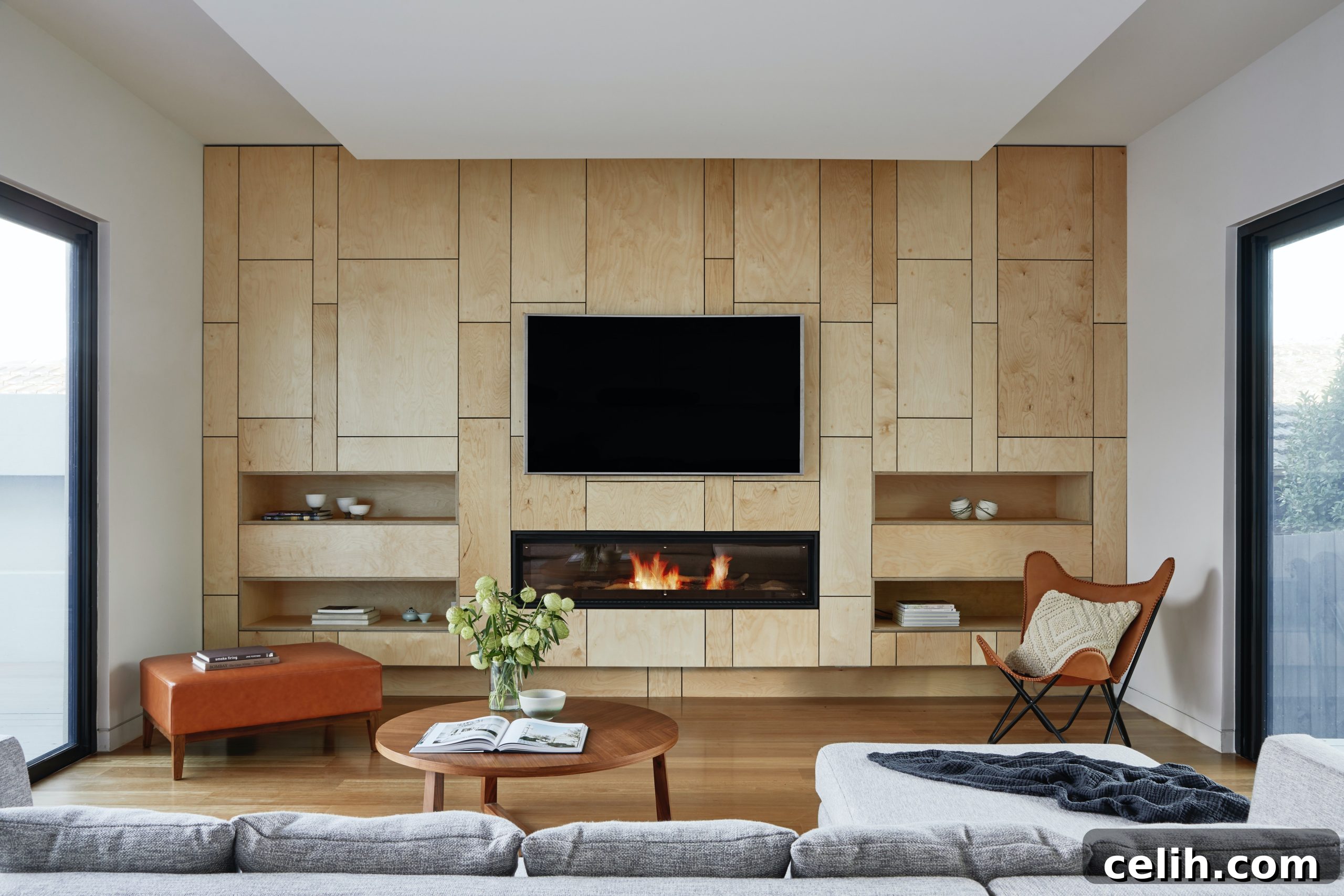
One of the most remarkable aspects of wall panelling is its ability to manipulate the perception of space. While you can’t physically alter a room’s dimensions, wall panels offer an ingenious way to make a space feel larger, more expansive, or, conversely, more intimate and snug. This optical illusion largely depends on your choice of colour, panelling style, and the extent of its application.
To cultivate a sense of warmth and cosiness, consider panelling the lower half of your walls (a technique often referred to as wainscoting, which we’ll discuss further) and selecting darker, richer hues. Deep charcoals, forest greens, or warm greys can envelop a room, making it feel like a private sanctuary. When combined with soft lighting and plush textiles, this creates an inviting and intimate atmosphere perfect for bedrooms or reading nooks.
Conversely, if your aim is to expand the visual footprint of a room and flood it with light, opt for light-coloured panels. Crisp whites, soft creams, or pastel shades reflect natural and artificial light, making any space feel airier and more spacious. Installing panels that extend higher up the wall, perhaps two-thirds of the way or even floor-to-ceiling, draws the eye upwards, creating an illusion of greater ceiling height and overall grandeur. This strategy works particularly well in living rooms, dining areas, and entryways where an expansive feel is desired.
Beyond colour, the style of panelling also plays a crucial role. Vertical slat panels or board and batten designs can emphasize height, while wider, horizontal panels might make a room feel broader. Experimentation with these elements allows for tailored spatial experiences.
Wainscoting: Style Meets Durability in High-Traffic Areas
When seeking to inject both style and robust functionality into your entranceways, hallways, or any high-traffic zone, wainscoting emerges as an exemplary choice. This traditional form of wall panelling involves applying decorative panels to the lower section of a wall, typically extending up to chair-rail height. Historically, wainscoting served practical purposes such as providing insulation and protecting plaster from moisture and everyday wear and tear. Today, it continues to excel in both aesthetic appeal and utilitarian function.
Walls in frequently used areas are prone to scuffs, scrapes, and fingerprints. Wainscoting offers a durable barrier, shielding your walls from daily assaults and significantly reducing the need for frequent repainting or repairs. Beyond its protective qualities, wainscoting instantly elevates the visual texture of a room, breaking up monotonous wall surfaces and introducing an architectural layer that feels both classic and refined.
To maximize the visual impact of wainscoting, consider its integration with the existing decor. For a cohesive and harmonious look, select panels that are painted the same colour as the wall above, perhaps with a slight variation in sheen for subtle contrast. Alternatively, choosing a slightly darker or complementary tone for the wainscoting can create a striking visual separation, adding depth and interest. Materials like MDF are ideal for wainscoting, offering a smooth finish that takes paint beautifully and is robust enough to withstand the rigours of busy households. This makes wainscoting a smart investment for areas like mudrooms, dining rooms, staircases, and children’s playrooms, combining enduring style with practical resilience.
The Art of Concealment: Using Wall Panels to Camouflage Doors
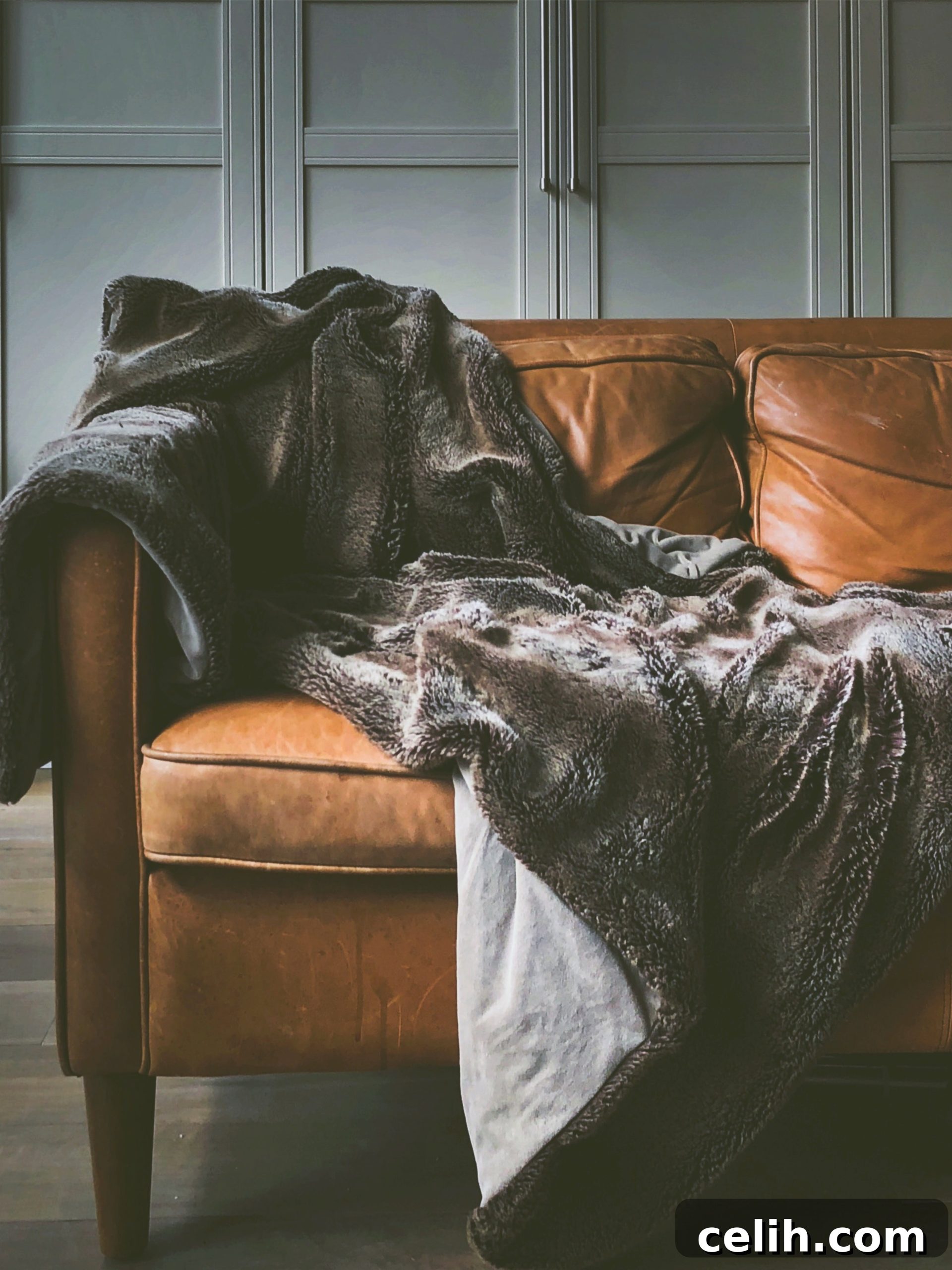
Imagine a seamless wall, uninterrupted by the visual intrusion of a door that leads to a utility room, a small bathroom, or perhaps a secret storage space. This sophisticated design trend, often seen in high-end interiors, involves extending your wall panelling across a door, effectively making it blend in with the surrounding wall. The result is a clean, minimalist aesthetic that adds an element of intrigue and architectural fluidity to a space.
Achieving this “secret door” effect requires meticulous planning and the right materials. It is paramount to use high-quality, durable panels that can withstand the repeated opening and closing of the door without warping, buckling, or showing signs of wear. MDF is an excellent choice here due to its stability and smooth surface, which can be perfectly painted to match the surrounding panelling.
The key to successful door camouflage lies in precise installation. The door needs to be flush with the wall, and the panelling pattern must align perfectly across both the wall and the door. Recessed hinges are often used to minimize their visibility, and a discreet push-to-open latch or a cleverly integrated handle ensures functionality without compromising the illusion. This technique is particularly impactful in rooms where you want to maintain an unbroken aesthetic, such as living rooms, studies, or elegant dining areas. It’s a testament to how wall panelling can transcend mere decoration to become a functional and artistic element of interior architecture.
Back to Black: Embracing Bold Scandinavian Sophistication
The enduring appeal of Scandinavian-inspired decor is undeniable, celebrated for its emphasis on minimalism, functionality, and a profound connection to nature. While often associated with light, airy palettes, a compelling and increasingly popular facet of this style embraces the power of darker hues, particularly deep, chalky black finishes on prominent wall panels. This sophisticated approach delivers a look that is both luxurious and effortlessly inviting, proving that dark colours can indeed contribute to warmth and serenity.
Opting for wall panels with a matte, chalky black finish instantly introduces a sense of drama and elegance. Unlike glossy black, which can feel harsh, a chalky finish absorbs light, creating a velvety texture that feels rich and understated. This provides a striking backdrop that allows other elements in the room to truly pop. The beauty of black panelling lies in its incredible versatility; it acts as a neutral canvas, harmonizing beautifully with virtually any other colour, material, or style.
To fully realize this relaxed yet inviting aesthetic, pair black panels with natural wood tones – think light oak floors, birch furniture, or rattan accents. Introduce warm metallic elements like brass or copper for a touch of glamour, and layer with soft, tactile textiles such as sheepskin rugs, chunky knit throws, and linen cushions to counteract any potential coolness. Greenery, in the form of potted plants, adds a vital touch of life and freshness, reinforcing the natural connection inherent in Scandinavian design. Whether it’s a striking feature wall in a living room, a sophisticated backdrop in a home office, or a moody, atmospheric dining area, black wall panelling creates a space that feels deeply personal, chic, and timelessly modern.
Beyond Aesthetics: The Multifaceted Benefits of Wall Panelling
While the visual transformation that wall panelling offers is undeniable, its advantages extend far beyond mere aesthetics. Integrating panelling into your home provides a suite of practical benefits that enhance comfort, durability, and even the value of your property.
- Thermal and Acoustic Insulation: Panels, especially those made from MDF or wood, add an extra layer to your walls, which can contribute to better thermal insulation. This helps to keep rooms warmer in winter and cooler in summer, potentially leading to energy savings. Furthermore, wall panelling acts as an excellent sound buffer, absorbing echoes and reducing noise transmission between rooms, creating a more peaceful and private environment.
- Concealing Imperfections: Uneven plaster, minor cracks, or damaged drywall can be a frustrating challenge. Wall panelling offers an elegant solution, effectively concealing these imperfections without the need for extensive repairs, providing a smooth, pristine surface instantly. It can also ingeniously hide unsightly cables or wiring, contributing to a cleaner, more organized look.
- Durability and Protection: As highlighted with wainscoting, panels serve as a robust protective layer for your walls. They are more resistant to daily wear and tear, dents, and scuffs than painted drywall, making them ideal for busy households with children or pets. This enhanced durability translates to less maintenance and a longer lifespan for your interior finishes.
- Adding Architectural Interest: In contemporary homes, where open-plan layouts and minimalist designs can sometimes lead to a lack of architectural detail, wall panelling reintroduces structure and visual intrigue. It can create focal points, define zones within an open space, and add a sense of history or modern sophistication where none existed before.
- Increased Home Value: Well-designed and expertly installed wall panelling is a premium feature that can significantly boost the perceived value and appeal of your home. It signals quality, attention to detail, and a thoughtful approach to interior design, making your property more attractive to potential buyers.
Choosing Your Panelling Style: A World of Options
The world of wall panelling is rich with diverse styles, each offering a distinct aesthetic and character. Understanding these can help you select the perfect fit for your home:
- Slat Wall Panels: A modern favourite, slat panels consist of narrow, vertical strips of material, often with acoustic backing. They lend a contemporary, minimalist vibe and are excellent for improving sound quality in a room.
- Board and Batten: This style features wide, flat boards spaced apart and covered with narrower strips (battens). It’s incredibly versatile, fitting seamlessly into farmhouse, rustic, and even modern industrial designs depending on the finish.
- Recessed/Shaker Style: Characterized by a flat central panel surrounded by a raised frame, this style is elegant and timeless. It offers a clean, understated look that works well in transitional and contemporary settings.
- Raised Panel: The most formal and traditional option, raised paneling features panels with bevelled edges that rise above the surrounding stiles and rails. It exudes classic grandeur, often seen in historic homes.
- Tongue and Groove: With interlocking edges, tongue and groove panels offer a seamless, often rustic look. They are popular for ceilings, feature walls, and cottage-style interiors, and are relatively easy for DIY enthusiasts to install.
- Decorative MDF Panels: Advancements in manufacturing allow for MDF panels with intricate laser-cut patterns, geometric designs, or textured finishes, providing bespoke and artistic wall features.
MDF: The Smart Choice for Modern Wall Panelling
When considering materials for your wall panelling project, Medium-Density Fibreboard (MDF) consistently emerges as a top contender, particularly for those seeking a balance of quality, versatility, and cost-effectiveness. MDF is an engineered wood product made by breaking down hardwood and softwood residuals into wood fibres, combining them with wax and a resin binder, and forming panels by applying high temperature and pressure.
Here’s why MDF is an excellent choice for wall panelling:
- Affordability: Compared to solid wood, MDF is significantly more budget-friendly, making elegant wall panelling accessible to a wider range of homeowners.
- Smooth Finish: Its smooth, consistent surface is ideal for painting, providing a flawless, high-quality finish without the grain patterns that might show through with natural wood.
- Stability: Unlike solid wood, MDF does not warp, crack, or expand and contract significantly with changes in temperature and humidity, ensuring a long-lasting and stable installation.
- Workability: MDF is easy to cut, route, and shape, allowing for intricate designs and precise installations, from complex patterns to crisp, clean lines.
- Versatility: It can be used to mimic various traditional panelling styles, from wainscoting and board and batten to more contemporary slat designs.
When selecting MDF, look for high-grade panels that are specifically designed for interior use, ensuring durability and a superior finish.
For Expert Panelling Solutions and Quality Materials
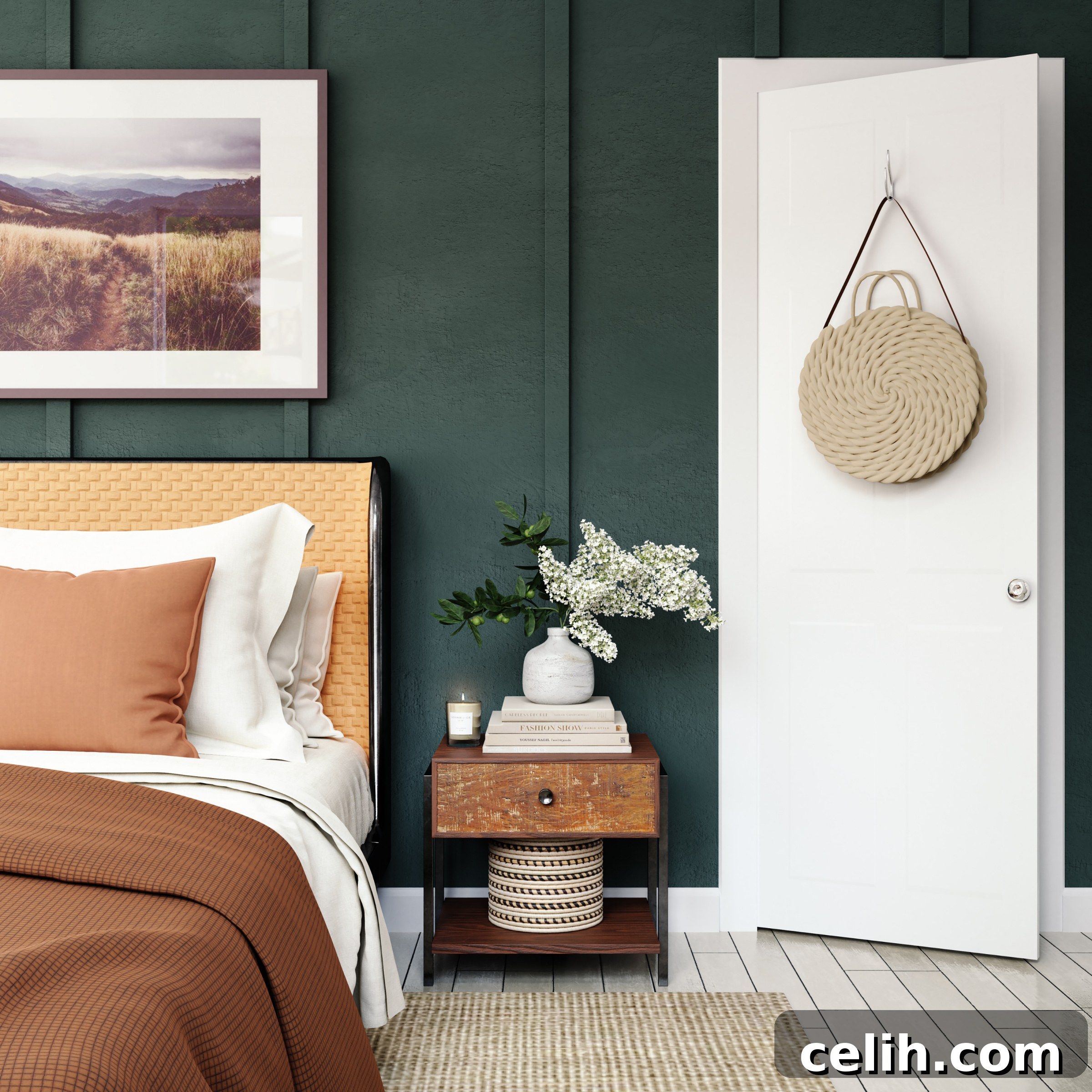
Transforming your home with wall panelling requires not only creative vision but also high-quality materials and, often, expert craftsmanship. Whether you envision a sleek, modern slat wall or classic, protective wainscoting, the foundation of a successful project lies in selecting the right products.
To ensure you achieve outstanding results for your wall panelling decor, we recommend exploring a trusted supplier. For a wide range of exceptional wall panelling and wainscoting products, including top-grade MDF solutions, visit the MDF Store at www.mdfstore.co.uk. Their extensive selection caters to various styles and project requirements, empowering you to bring your design aspirations to life with confidence.
Embark on your journey to redefine your living spaces with the timeless appeal and practical benefits of wall panelling. From creating cozy retreats to opening up bright, expansive areas, and protecting high-traffic zones, wall panelling offers a blend of artistry and functionality that truly enhances any home.