
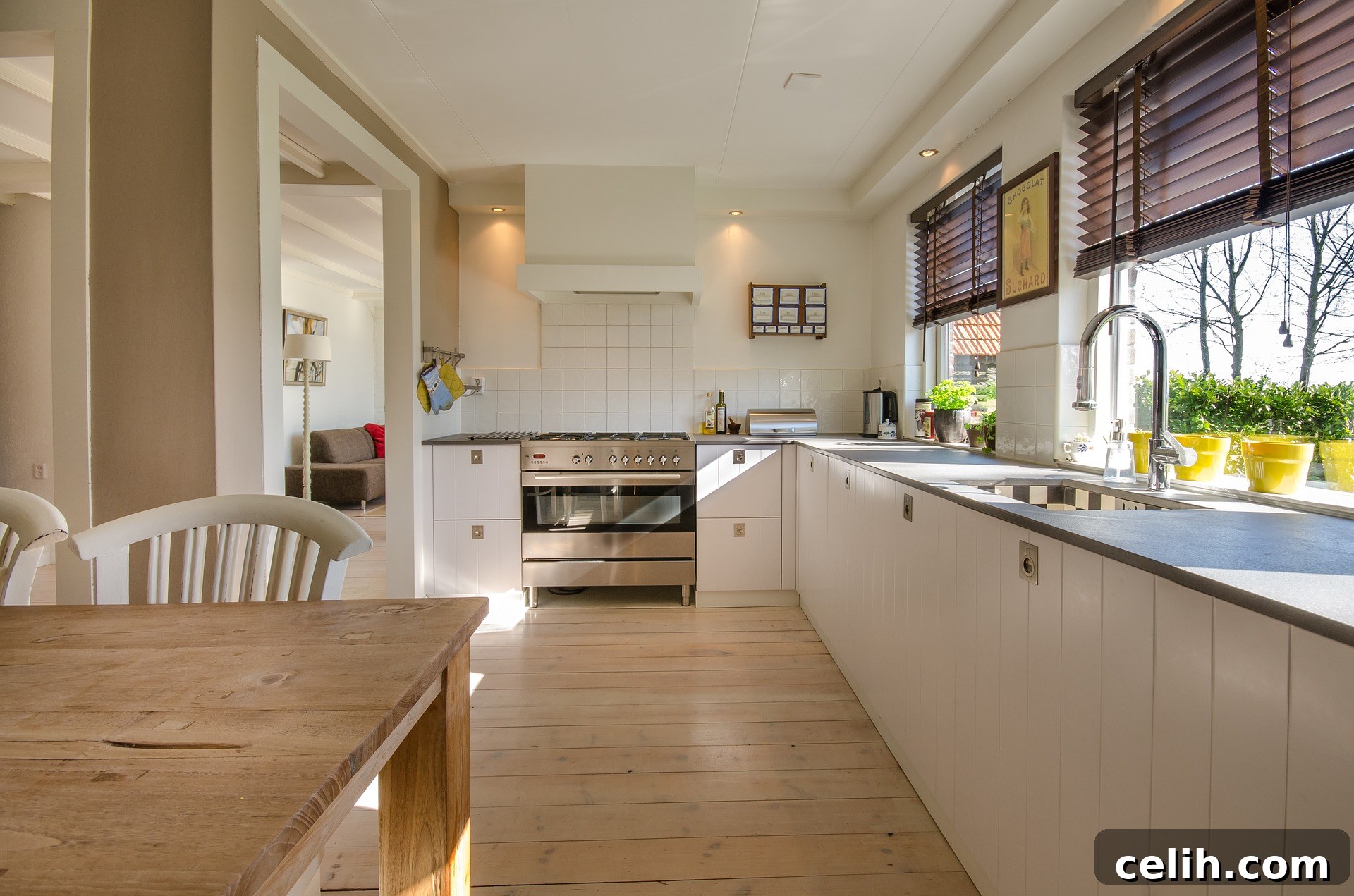
The modern kitchen has dramatically evolved from its humble, purely functional origins to become the true heart of the home. Once relegated to the back of the house as a simple workspace for food preparation, today’s kitchen is a vibrant, multi-functional hub designed for living, entertaining, and connecting. Contemporary kitchen designs seamlessly integrate elements like expansive island units, inviting breakfast bars, and open-plan layouts, transforming a utilitarian space into a dynamic focal point that reflects personal style and supports modern lifestyles. This shift underscores a profound change in how we perceive and utilize our homes, placing the kitchen at the very center of daily life and social interaction.
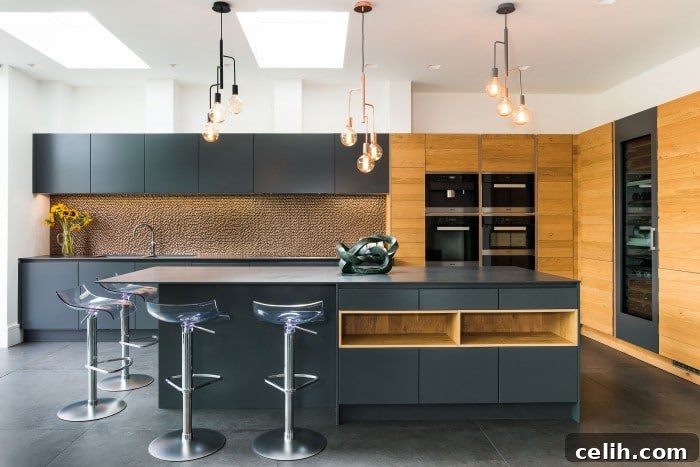
The Remarkable Evolution of Kitchen Design and Purpose
Delving into history, the kitchen’s primary role was undeniably singular: a place for cooking, often tucked away from the main living areas, serving little purpose beyond culinary tasks. For centuries, kitchens were hot, smoky, and often seen as a domain separate from the refined spaces where families and guests congregated. A hundred years ago, this sentiment largely persisted; kitchens were not designed for lingering or socializing. They were functional, often Spartan, and purely utilitarian.
However, the 20th century brought significant transformations. Advances in technology, the availability of domestic appliances, and changing social dynamics gradually began to reshape this perspective. Fast forward to today, and a visit to any kitchen showroom in London reveals a stark contrast. Modern kitchens are no longer mere utility rooms; they are meticulously designed statements, central hubs, and dynamic social spaces. They embody a complete re-purposing, serving not only as zones for culinary creativity but also as vibrant centers for family life and entertainment.
Today, the kitchen is a truly multi-purpose room, reflecting the diverse needs and desires of every individual who inhabits the space. It has earned its reputation as the most used and loved room in many households, deeply woven into the social fabric of everyday life. This transformation goes beyond aesthetics; it’s about functionality, comfort, and connection. Picture a peaceful corner where children can tackle their homework while a parent prepares dinner, or a relaxed setting where friends gather around an island for casual conversations and laughter. It’s a romantic stage for someone to impress a date with their culinary prowess, and above all, it remains the ultimate space for families and friends to bond over delicious food and shared moments. From morning coffee rituals to late-night chats, the kitchen facilitates a myriad of activities, reinforcing its status as the emotional heart of the home.
This evolution is also driven by practical innovations. Large kitchen islands have become central gathering points, often equipped with seating, sinks, and cooking surfaces, blurring the lines between meal prep and social interaction. Breakfast bars offer informal dining options, perfect for busy mornings or casual snacks. Open-plan living spaces integrate the kitchen seamlessly with dining and living areas, ensuring that the cook is never isolated from the family or guests. Furthermore, the advent of smart kitchen technology, from internet-connected appliances to voice-activated assistants, has added another layer of convenience and sophistication, making the modern kitchen more efficient and enjoyable than ever before.
Designing Your Dream Kitchen: Blending Style, Functionality, and Personalization
Crafting a kitchen today is a deeply personal endeavor, serving as a crucial expression of a homeowner’s unique style and lifestyle. The interior design possibilities are virtually endless, ranging from charmingly cozy and rustic, to sleek and ultra-modern, or impeccably clean and professionally minimalist. While the fundamental components of a kitchen—the areas for hot/cold, clean/dirty, working/eating—have maintained their basic functionalities, the design choices available to customize these elements for individual needs are expansive and continually evolving.
When embarking on your kitchen design journey, thoughtful planning is paramount. Consider not just how the space looks, but how it feels and how it functions for you and your family. Start by envisioning the placement for everyday essentials like your utensils, crockery, and cutlery. Those cherished custom mugsyou received as a gift deserve a dedicated spot, and your kitchen design should gracefully accommodate all the accessories and tools that enrich your culinary experience. Fortunately, the world of kitchen storage ideas offers incredible ingenuity, allowing you to get truly creative with where you store and display your favorite pieces, optimizing both accessibility and aesthetics.
Contemporary kitchen design offers a diverse palette of styles to suit every taste. A **modern kitchen** often features clean lines, minimalist aesthetics, high-gloss finishes, and integrated appliances for a seamless look. **Contemporary kitchens** are similar but tend to be more fluid, adapting to current trends while maintaining a sleek profile. For those who appreciate warmth and intricate details, **traditional kitchens** boast classic cabinetry, ornate hardware, and often a more formal ambiance. **Transitional kitchens** artfully blend traditional and modern elements, offering a timeless yet updated appeal. Alternatively, **farmhouse or rustic kitchens** evoke a sense of comfort and history with natural wood, distressed finishes, and open shelving. **Industrial kitchens** celebrate raw materials like exposed brick, metal, and concrete, offering a chic, urban edge. Understanding these styles can help you define your personal preference and guide your design choices.
Beyond aesthetics, practical considerations such as material selection are vital for longevity and daily enjoyment. For countertops, popular choices include durable quartz, elegant granite, luxurious marble, cost-effective laminate, or unique butcher block. Each offers distinct advantages in terms of appearance, maintenance, and resilience. Cabinetry can range from solid wood for a classic feel, to MDF or plywood with various finishes like lacquer or laminate for modern durability. Flooring options like porcelain tile, hardwood, or luxury vinyl planks contribute significantly to both the look and comfort of the space, while a well-chosen backsplash adds a decorative and protective layer.
There are numerous design tools available today, from online configurators to sophisticated 3D rendering software, that empower homeowners to visualize and gain a comprehensive feel for the different types of kitchen designs. While design trends, like all fashion, come and go, the most enduring and sustainable approach is to prioritize a design that genuinely works for you. This means creating a kitchen that is meticulously personalized to your individual needs, habits, and preferences. Focus on ergonomic layouts, ample and intelligent storage, efficient appliance placement, and a flow that enhances your daily routine. A kitchen designed with your unique lifestyle in mind will not only bring joy for years to come but also represent a smart, long-term investment in your home and well-being.
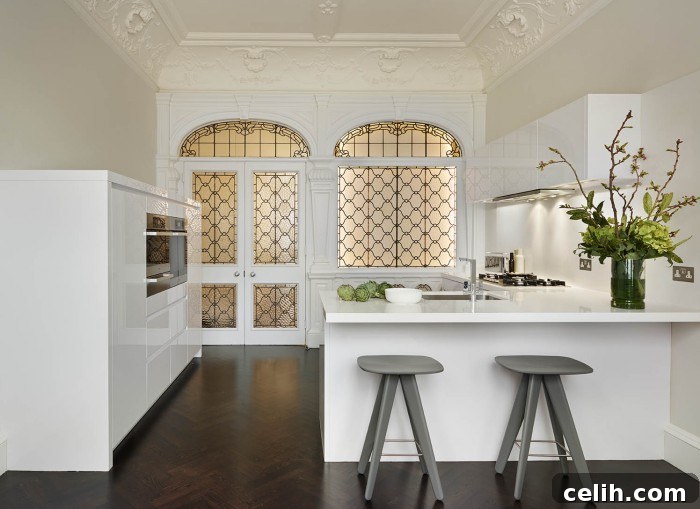
The Indispensable Role of Expert Kitchen Designers in Modern Homes
In the contemporary landscape of home design, elements such as thoughtful material choice, cohesive color schemes, and seamlessly integrated appliances all play a crucial part in crafting a perfect aesthetic that harmonizes with both the home’s architecture and the unique personalities of its dwellers. With an overwhelming array of options available in the market today – from an infinite palette of finishes to innovative technological integrations – the demand for bespoke kitchen designers has seen a significant surge in recent years. Homeowners are increasingly “spoiled for choice,” and the invaluable role of a professional designer is to expertly curate these myriad selections, translating them into a physical space that not only functions flawlessly but also fits into a home’s existing environment with effortless elegance and precision.
The modern kitchen designer must possess exceptional versatility and a keen understanding of evolving trends and client aspirations. They are tasked with absorbing and interpreting a wide spectrum of demands, both tangible and intangible, that homeowners now expect from their kitchens. What was once a functional room often tucked away at the back of the house has profoundly transformed into a central, vibrant space – indeed, the very heart of a home. This monumental shift necessitates that designers are not merely decorators but strategic visionaries who can expertly accommodate this change, designing spaces that are beautiful, highly functional, and deeply personal.
A professional kitchen designer brings a wealth of expertise to the table. They begin by conducting detailed consultations to understand the client’s lifestyle, cooking habits, entertaining preferences, and budgetary constraints. This initial phase is critical for establishing a clear vision. Designers then translate these insights into practical and aesthetically pleasing layouts, often utilizing advanced 3D rendering software to help clients visualize their future kitchen before any work begins. This process allows for adjustments and refinements, ensuring that the final design aligns perfectly with expectations.
Furthermore, designers excel in space planning, optimizing every square inch for efficiency and ergonomics. They navigate complex challenges such as awkward layouts, structural limitations, and the integration of specific appliances. Their knowledge of materials – from sustainable wood options for cabinetry to durable quartz for countertops – is extensive, allowing them to recommend choices that balance aesthetics, longevity, and maintenance. They also possess an intimate understanding of lighting design, ensuring that ambient, task, and accent lighting are strategically placed to enhance both functionality and mood.
Beyond the design itself, bespoke kitchen designers often manage the entire project, coordinating with contractors, suppliers, and installers. This oversight ensures that the project stays on schedule, within budget, and meets the highest standards of quality. They act as a crucial liaison, simplifying a potentially complex and stressful renovation process for the homeowner. Ultimately, investing in a professional kitchen designer means investing in a space that is not only visually stunning but also thoughtfully crafted to enhance daily living, bringing lasting value and enjoyment to the home for years to come. Their ability to merge form and function, while personalizing every detail, makes them an indispensable partner in creating the perfect modern kitchen.
(Disclosure: Post in association with Elan Kitchens)