
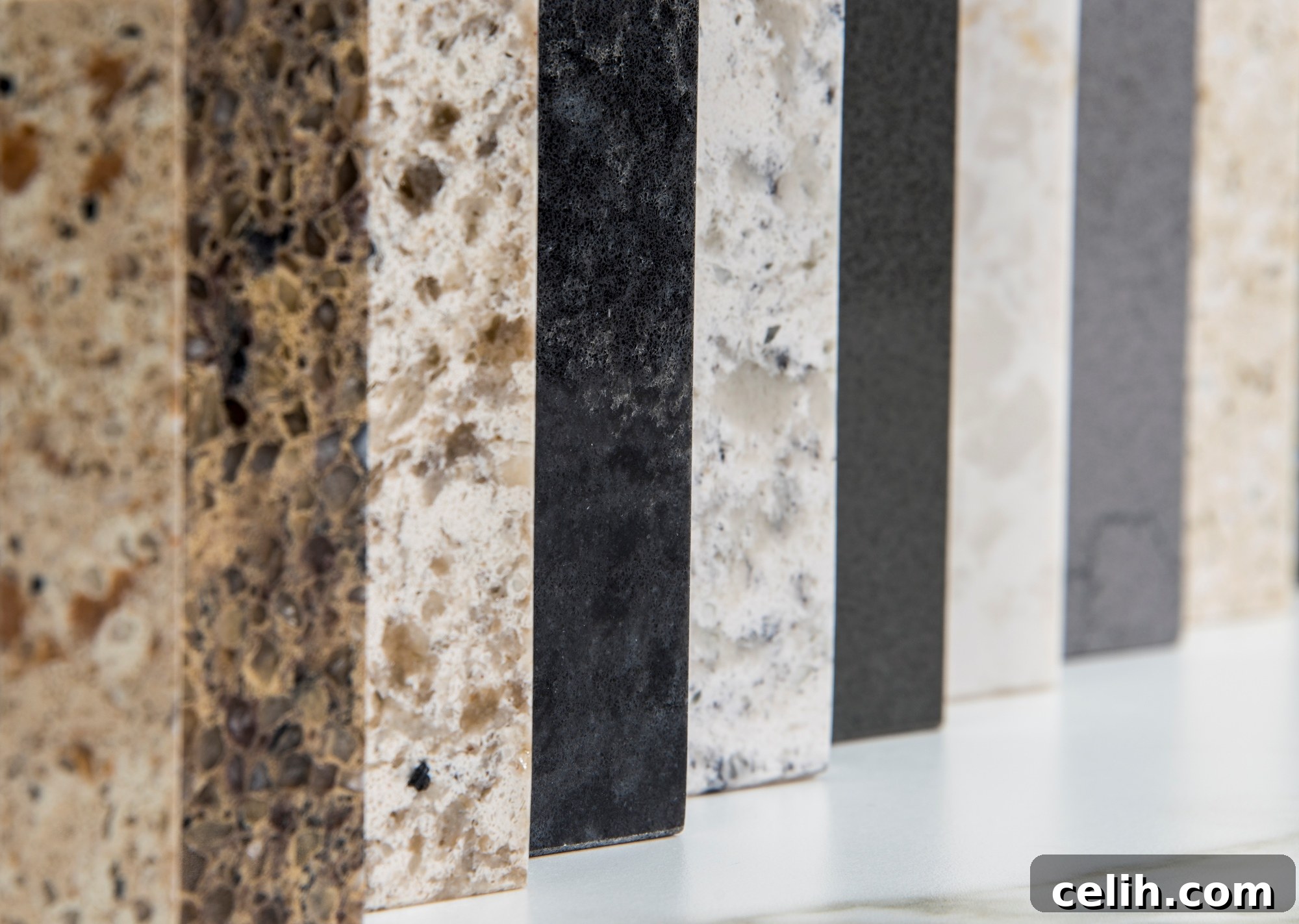
Embarking on a home renovation project, whether it’s a kitchen overhaul, a bathroom refresh, or a complete flooring transformation, often presents a myriad of choices that can feel overwhelming. Among the most critical decisions is selecting the ideal surface material for your countertops, bathroom vanities, and flooring. Homeowners frequently find themselves at a crossroads, meticulously comparing options like quartz and Silestone, eager to understand the nuanced distinctions that set these popular materials apart.
In the vast landscape of interior design and construction materials, Silestone and quartz have emerged as leading contenders, each celebrated for its unique blend of qualities and practical advantages. Yet, the subtle differences between these two prominent choices can often blur, leading to common questions such as: “Is Silestone the same as quartz?” or “Which material offers the best value for my home?”
The ultimate decision between Silestone and quartz is deeply personal, hinging on your specific priorities regarding technological innovations, the breadth of warranty coverage, the degree of design flexibility desired, and ultimately, how well the material aligns with your home’s unique aesthetic and functional demands.
Regardless of whether you lean towards Silestone or quartz countertops, engaging with seasoned kitchen remodeling services experts is invaluable. Their specialized guidance can illuminate the selection process, ensuring you opt for a material that perfectly complements your lifestyle and elevates your kitchen’s aesthetic appeal. Through personalized consultations, these professionals endeavor to fully grasp your vision and requirements, offering state-of-the-art design solutions and insights into the latest kitchen trends to truly revitalize your culinary space. This comprehensive approach ensures that your investment not only looks spectacular but also performs flawlessly for years to come, making your home a sanctuary of both beauty and functionality.
Silestone Vs. Quartz: Unpacking the Differences
Before diving into a detailed comparison, it’s essential to understand what Silestone and quartz are at their core. Both fall under the category of engineered stone, meaning they are manufactured products designed to offer superior performance and aesthetic versatility compared to many natural stone alternatives.
What is Silestone?
Silestone is a globally recognized brand of engineered quartz surfaces, manufactured by Cosentino, a leading Spanish company in the world of natural stone and quartz. It has rapidly become one of the most popular countertop materials available today, owing to its exceptional blend of durability, aesthetic appeal, and functional versatility. Crafted primarily from natural quartz crystals (typically 90-94%), Silestone combines these robust mineral particles with high-quality polymer resins and pigments. This sophisticated composition undergoes a patented vibro-compression process, resulting in dense, non-porous slabs of extraordinary strength.
The innovation doesn’t stop at its foundational composition. Silestone distinguishes itself with advanced technologies like N-Boost and HybriQ+. N-Boost is a pioneering technology that modifies the material’s surface at a molecular level, enhancing its color intensity and brightness while also significantly boosting its water-repellent properties. This makes Silestone even more resistant to stains and incredibly easy to clean. Furthermore, Silestone’s HybriQ+ technology represents Cosentino’s commitment to sustainability, utilizing a hybrid formula composed of mineral and recycled materials, with a reduced crystalline silica content. This eco-conscious approach ensures that choosing Silestone also means making a responsible environmental decision.
The inherent non-porous nature of Silestone’s surface is a significant advantage, as it naturally inhibits the growth of bacteria and mold, ensuring a highly hygienic environment—a critical consideration for food preparation areas in kitchens and humid bathrooms. Beyond its impressive practical attributes, Silestone boasts an expansive palette of colors, intricate patterns, and diverse finishes, including polished, suede (matte), and volcanic textures. This extensive range empowers homeowners and designers to customize their surfaces to perfectly align with their unique style preferences and ambitious design visions, making Silestone an ideal choice for countertops, wall cladding, and even integrated sinks and shower trays.
What is Quartz?
When we refer to “quartz countertops” in a general sense, we are speaking about engineered quartz surfaces that are not specific to the Silestone brand but share a similar fundamental composition and manufacturing process. These countertops are typically crafted by blending a high percentage of natural quartz crystals (usually 90-95%) with polymer resins, which act as a binder, and various pigments to achieve a wide array of colors and patterns. The precise ratio of quartz to resin can vary between manufacturers, influencing the material’s final characteristics.
The manufacturing journey of quartz countertops involves a meticulous process. Raw quartz, one of the hardest minerals on Earth, is first crushed into fine particles or aggregates. These particles are then thoroughly mixed with polyester resins and pigments. This mixture is then poured into a mold, subjected to intense pressure, and vibrated in a vacuum (a process known as vibro-compaction). This process removes air pockets and compacts the materials into dense, solid slabs. The slabs are then cured, polished, and inspected, ready for fabrication into various forms.
Through these advanced manufacturing techniques, engineered quartz slabs are produced, showcasing an impressive and extensive array of colors, textures, and patterns. Designers and homeowners can select from monochromatic solids, subtle speckles, or even intricate veined designs that strikingly mimic the appearance of natural stone like marble and granite, often without the associated maintenance. The primary appeal of quartz countertops lies in their exceptional durability and robust resistance to scratches, stains, and even heat (though direct high heat should still be avoided). This combination of enduring beauty and high functionality makes general quartz a highly sought-after material for a wide range of interior applications, including kitchen and bathroom countertops, backsplashes, and even fireplace surrounds.
Delving Deeper: Key Distinctions Between Silestone and Generic Quartz
When considering renovation projects for your kitchen, bathroom, or even flooring, the decision between Silestone and other brands of engineered quartz can be complex. While both offer significant advantages over natural stone, understanding the nuanced pros and cons of Silestone countertops versus generic quartz surfaces is paramount for making an informed choice that perfectly aligns with your home’s requirements and your personal preferences. This comprehensive guide will illuminate the main differences, enabling you to weigh your options effectively.
| Features | Silestone | Quartz (General Engineered Quartz) |
| Composition | Silestone is typically composed of 90-94% natural quartz, with the remaining 6-10% consisting of advanced polymer resins and specific pigments. This precise blend, coupled with patented technologies like HybriQ+, often includes recycled materials and aims for a reduced silica content, binding the quartz particles together to create a vast spectrum of colors and unique patterns. The consistent quality of quartz aggregates and resins is a hallmark of the Cosentino brand. | Generic engineered quartz is generally made of 90-95% crushed natural quartz, combined with polymer resins (polyester or acrylic) and various pigments. The exact proportions can vary significantly between manufacturers. The resin acts as the binding agent, providing the material with its non-porous properties, while pigments offer the extensive range of colors and patterns, mimicking everything from fine-grained natural stone to bold, contemporary designs. |
| Application | Due to its exceptional durability, moisture resistance, and hygienic properties, Silestone is extensively used for high-traffic areas such such as kitchen countertops, bathroom vanities, wall cladding, and flooring. Its non-porous surface makes it an excellent choice for integrated sinks and bespoke shower trays, offering seamless design integration and enhanced cleanliness in wet environments. It’s also suitable for vertical applications like backsplashes. | Similar to Silestone, engineered quartz is widely utilized for kitchen countertops, bathroom sinks, and backsplashes. Its resistance to heat (though trivets are recommended for very hot items) and stains makes it suitable for areas that experience daily wear and tear. Quartz is also increasingly popular for other interior surfaces, including window sills, accent walls, and even certain commercial applications where durability and low maintenance are key. |
| Durability | Silestone boasts a remarkable durability, often rating a 7 on the Mohs hardness scale, indicating its high resistance to scratches and impacts, comparable to topaz. Its patented N-Boost technology not only enhances surface brightness but also fortifies its resistance to stains and everyday wear, making cleaning effortless and extending its pristine appearance. This engineering ensures a long-lasting, resilient surface for demanding environments. | Engineered quartz, in general, is renowned for its durability and inherent scratch resistance, also typically falling around 7 on the Mohs scale. Its non-porous nature makes it highly impervious to most common household stains. While robust, it’s important to note that generic quartz may not feature specific surface enhancement technologies like Silestone’s N-Boost, meaning its stain resistance and surface brightness might rely solely on its base composition and standard polishing. |
| Maintenance | Silestone’s non-porous composition, coupled with its built-in antimicrobial protection and N-Boost technology, makes it remarkably easy to maintain. It never requires sealing or resealing, a common task with natural stone. Daily cleaning typically involves just mild soap and water, wiping away spills effortlessly. Its hygienic surface is perfect for food preparation, offering peace of mind. | Quartz countertops are celebrated for their relatively low maintenance requirements. Their non-porous surface naturally resists stains and inhibits bacterial growth, making them hygienic. For most quartz brands, sealing is not required. However, some specific quartz products or lighter colors may show stains more readily or require slightly more diligent cleaning. Regular cleaning with gentle detergents and water is usually sufficient to maintain their appearance. |
| Aesthetics | Silestone excels in offering a vast and sophisticated range of design choices. Its surface finishes include a highly polished gloss, a smooth and elegant suede (matte), and a textured volcanic finish that adds depth. Coupled with an extensive color palette, from vibrant solids to intricate veining that mimics natural stone, and various edge types, Silestone caters to a wide array of design preferences, from ultra-modern to classic aesthetics. | Engineered quartz is available in an exceptionally wide range of colors, patterns, and visual textures. This includes monochromes, speckled designs, and highly sought-after styles that convincingly replicate the intricate veining and granular patterns of natural stone, such as marble, granite, and travertine. Manufacturers continually innovate to offer cutting-edge designs, allowing homeowners to achieve virtually any desired look, from minimalist to luxuriously ornate. |
| Unique Features | Silestone stands out with its N-Boost technology, which ensures brighter surfaces and superior stain resistance, alongside its commitment to sustainability through HybriQ+ technology. Its product line extends beyond slabs to include integrated sinks and shower trays, allowing for seamless, cohesive designs. The added antimicrobial benefits further enhance hygiene, making it a premium choice for health-conscious environments. | Generic engineered quartz is prized for its consistent durability and the remarkable ability to replicate natural stone looks with uniform consistency across multiple slabs, which is often challenging with natural materials. Its inherently maintenance-free, non-porous surface is ideal for food safety and highly trafficked areas. Many reputable quartz brands also emphasize sustainable manufacturing practices, appealing to environmentally conscious consumers, though specific patented technologies vary. |
| Price Range | Silestone is generally positioned at the higher end of the engineered stone market due to its brand recognition, advanced proprietary technologies like N-Boost and HybriQ+, and comprehensive warranty. Installed, Silestone typically ranges from $50 to $100 per square foot, with prices fluctuating based on color, finish complexity, edge profiles, and geographical location. | Engineered quartz countertops are competitively priced and can offer a more budget-friendly alternative to Silestone while still providing excellent quality. The price range for installed quartz typically falls between $55 to $75 per square foot. However, this can vary significantly based on the specific brand, the intricacy of the design, the quality of the raw materials, and regional installation costs. Premium or exotic patterns can push prices higher. |
| Warranty | Silestone offers a robust 25-year limited warranty, providing extensive protection against manufacturing defects. A significant advantage is that this warranty is often transferable to subsequent homeowners, which can be a considerable selling point and boost the long-term value of a home. This lengthy warranty underscores Cosentino’s confidence in their product’s longevity and quality. | For general engineered quartz countertops, warranties typically range from 10 to 15 years, covering production defects. The duration and specifics of the warranty can vary widely among different manufacturers. It is crucial for consumers to research and opt for a trusted brand with a clear, reliable warranty policy to ensure peace of mind and protection for their investment. The transferability of these warranties is also less common than with Silestone. |
Making the Right Choice: Silestone or Quartz for Your Home?
The journey of selecting the perfect material for your bathroom or kitchen remodeling project is a significant one, involving a careful balance of various considerations. To ensure ultimate satisfaction, you must weigh factors such as the material’s resistance to daily wear and tear, the ease of its ongoing care, its aesthetic alignment with your home’s existing or desired style, and, of course, its overall affordability within your budget. Both Silestone and general engineered quartz present distinct advantages, catering to a diverse spectrum of preferences and functional needs.
Why Choose Silestone?
Silestone distinguishes itself with its commitment to innovation and premium quality. Its advanced N-Boost technology is a game-changer, offering enhanced surface brightness, richer color saturation, and significantly improved stain resistance, ensuring your surfaces remain pristine and vibrant for longer. The groundbreaking HybriQ+ technology further enhances its appeal by incorporating recycled materials and reducing crystalline silica, reflecting a strong emphasis on environmental sustainability without compromising performance. With a generous 25-year transferable warranty, Silestone offers unparalleled peace of mind and significantly adds to your home’s long-term value. Its expansive range of colors, textures, and the option for seamlessly integrated sinks provide exceptional design flexibility, allowing for a cohesive and high-end aesthetic in any space. For homeowners prioritizing cutting-edge technology, superior hygiene, sustainability, and a premium brand experience with robust warranty support, Silestone stands as an exemplary choice.
Why Choose Generic Engineered Quartz?
While Silestone is a specific brand of quartz, the broader category of engineered quartz offers its own compelling set of benefits. Generic quartz countertops provide comparable durability and low maintenance, thanks to their non-porous nature and high resistance to scratches and stains. The market for engineered quartz is vast, offering an incredibly broad selection of colors, patterns, and styles, including highly convincing replications of natural stone that might be hard to distinguish from the real thing. This wide variety often comes at a more competitive price point than premium brands like Silestone, making it an attractive option for homeowners seeking excellent quality and aesthetics within a specific budget. However, it’s crucial to note that the price and warranty terms can vary significantly between different manufacturers. Therefore, selecting a reputable brand with a transparent warranty (typically 10-15 years) is essential. For those who prioritize a wide array of design options, robust performance, and excellent value without necessarily needing the patented features of Silestone, generic engineered quartz offers a highly versatile and reliable solution.
Ultimately, the “best” choice is subjective and depends entirely on your specific project requirements, aesthetic preferences, budget constraints, and long-term expectations. Consider evaluating sample materials in your home’s lighting, discussing the specific benefits and limitations with a trusted professional, and assessing how each option aligns with your daily lifestyle. By doing so, you can confidently select a material that not only beautifies your space but also serves you reliably for many years to come.