
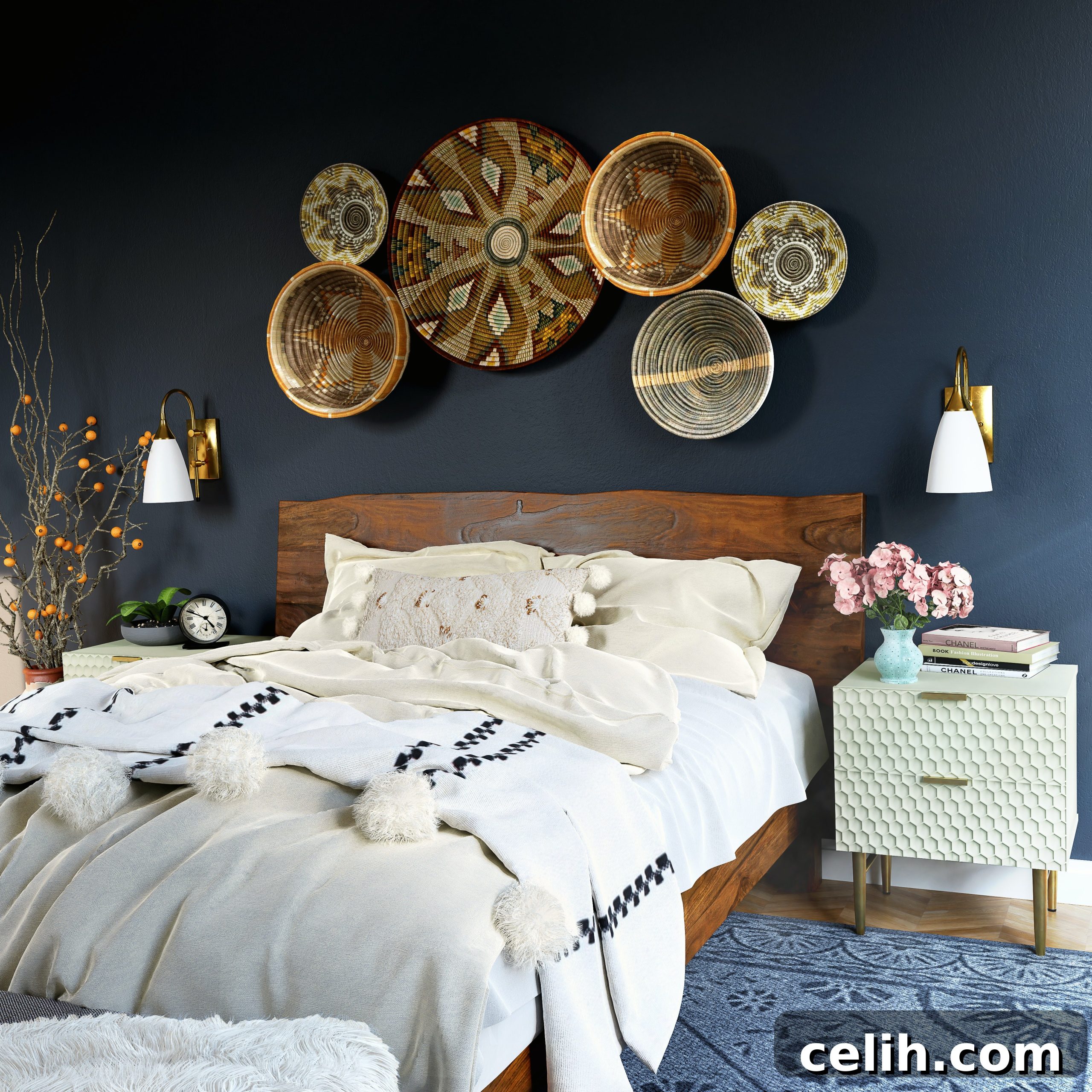
As the calendar turns to a new year, it ushers in a perfect opportunity for introspection and, more importantly, transformation within our most personal sanctuary: our homes. If your living space feels stagnant, lacking vibrancy, or simply yearns for a refreshing update, now is an excellent moment to embark on a journey towards a renewed environment. A strategic decluttering effort combined with carefully chosen new decor can profoundly revitalize any house, fostering a more serene, joyful, and comfortable atmosphere for you and your family. The impact of a well-designed home extends beyond aesthetics, influencing mood, productivity, and overall well-being. A refreshed space can inspire new routines, enhance family interactions, and provide a much-needed sense of calm amidst life’s demands.
However, the prospect of undertaking home renovations can often be daunting, primarily due to the associated costs. Redecorating, especially when significant changes are envisioned, can quickly become an expensive endeavor. Beyond the obvious expenses of new furnishings, materials, and decorative accents, there’s also the potential need to engage professional help – be it for painting, carpentry, or more intricate design work. These cumulative expenses can swiftly accumulate, potentially straining even the most carefully managed household budget, particularly in an era defined by economic pressures.
With the prevailing cost of living crisis affecting households globally, the search for intelligent and economical solutions is paramount. Fortunately, achieving stunning home decor doesn’t have to break the bank. By adopting a savvy approach and knowing where to focus your efforts, you can dramatically transform your living space without compromising your financial stability. This comprehensive guide will explore practical and creative strategies to save money on your new home decor, ensuring your dream home is within reach, regardless of budget constraints. From smart shopping to embracing DIY projects and sustainable practices, discover how to infuse your home with style, comfort, and personality economically.
Smart Shopping: Hunt for the Best Deals
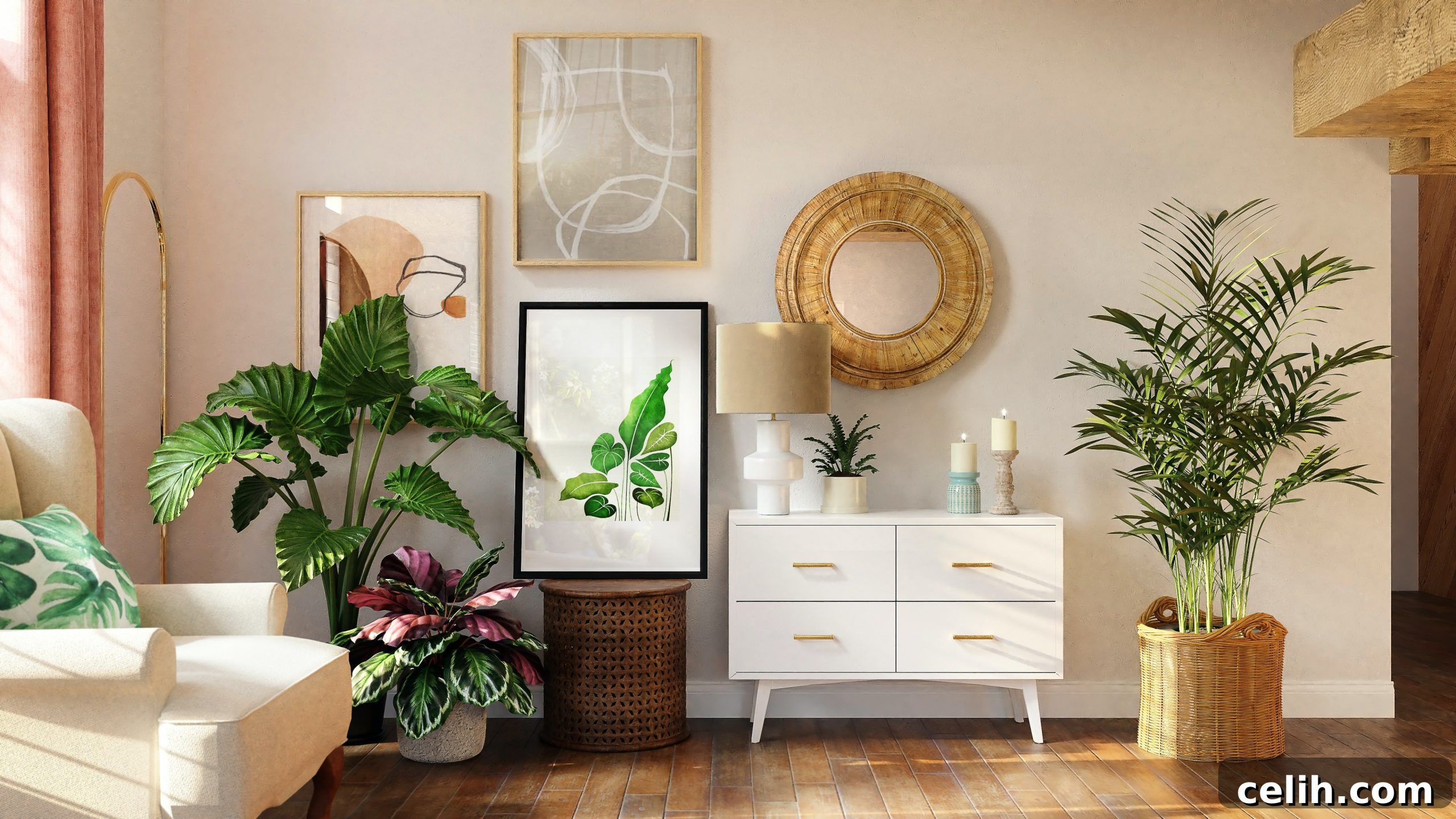
Impulse buying, especially when it comes to decorative items and artworks, is a common pitfall that can lead to significant overspending. Transforming your home on a budget requires discipline, patience, and a strategic approach to shopping. Instead of making hasty purchases, cultivate the habit of ‘shopping around.’ This means actively comparing prices, evaluating different options, and resisting the urge to buy the first appealing item you encounter. Explore a variety of retailers, from large home goods stores and specialized boutiques to online marketplaces, discount outlets, and even local flea markets. Each avenue offers unique opportunities to uncover fantastic items at reduced prices.
Always keep an eye out for sales events, seasonal clearances, and special promotions. Major holidays, end-of-season transitions, and even specific days of the week can bring significant discounts on furniture, decor, and home accessories. Signing up for email newsletters from your favorite home decor brands can provide early access to sales and exclusive subscriber discounts. Utilize price comparison websites and browser extensions to ensure you’re getting the best deal available online. Don’t overlook the potential of second-hand stores, consignment shops, and online platforms dedicated to pre-loved items. Websites like KOO Home Store and many others frequently feature excellent bargains on a wide array of homeware, proving that quality and style don’t always demand a premium price tag. By being a diligent and patient shopper, you can curate a beautifully decorated home without depleting your savings.
Embrace DIY: Unleash Your Inner Craftsman
Professional services, while often efficient and high-quality, come with a hefty price tag, primarily due to labor costs. For many home improvement and decor tasks, opting for a do-it-yourself (DIY) approach can lead to substantial savings. Before hiring someone for a task like painting a room, tiling a backsplash, installing shelves, or even assembling furniture, consider if it’s something you could realistically tackle yourself. The beauty of DIY lies not only in cost reduction but also in the immense satisfaction of creating something with your own hands and the valuable skills you acquire along the way.
The internet has democratized learning, making it easier than ever to learn a new DIY skill. Platforms like YouTube are treasure troves of step-by-step video tutorials for virtually any home project you can imagine, from basic repairs to more ambitious renovation tasks. Design blogs, online forums, and even local community workshops offer guidance and inspiration. Start with simpler projects like repainting an accent wall, adding new hardware to existing cabinets, or creating your own decorative artwork. As your confidence grows, you can move on to more complex undertakings. DIY projects not only save money but also allow for greater customization, ensuring your decor perfectly reflects your personal style. Remember to prioritize safety, invest in essential basic tools, and always understand your limits; for electrical or structural work, it’s always wise to consult or hire a certified professional.
Go Minimalist: Less is Truly More
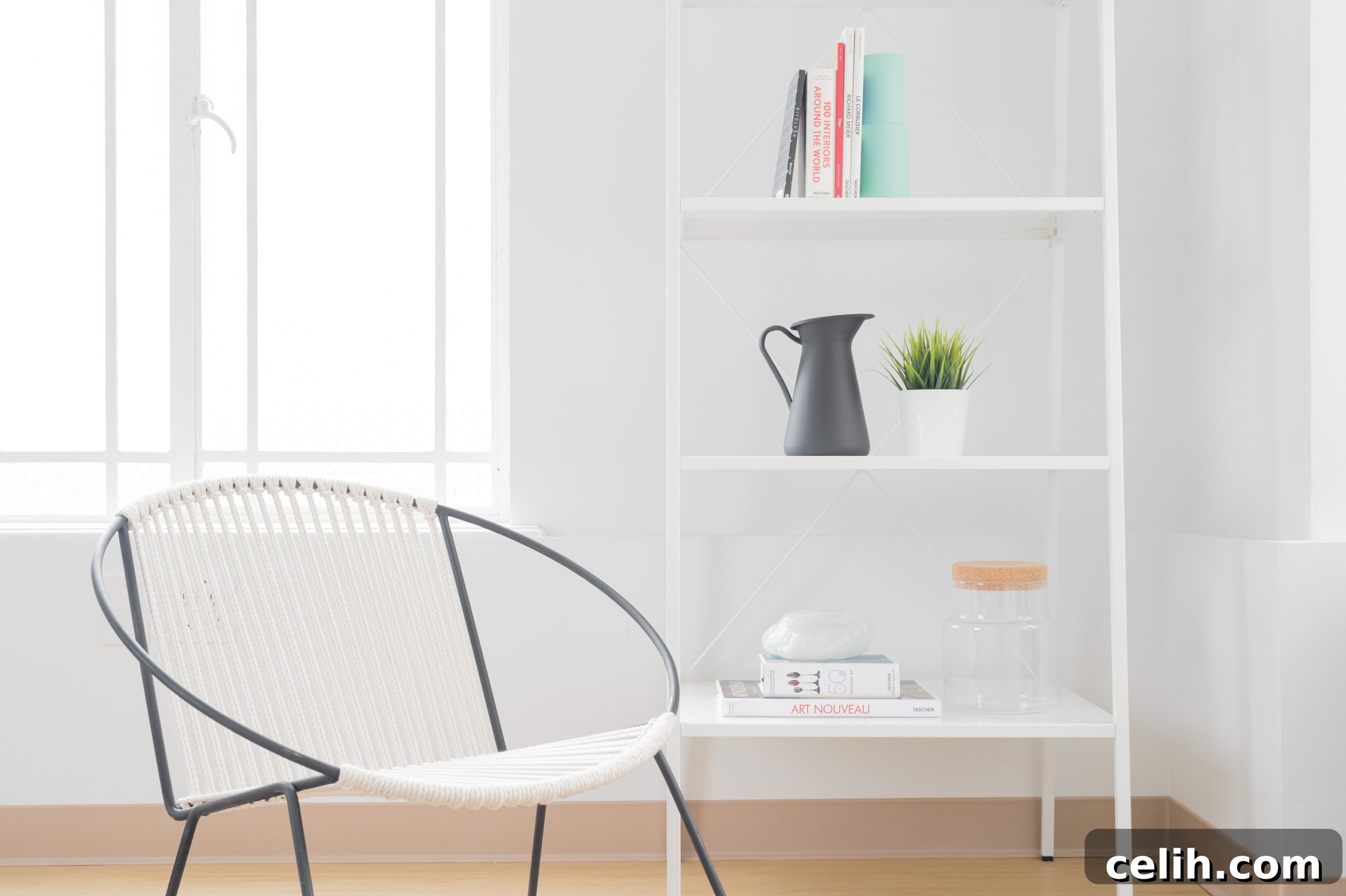
The concept that a home must be filled to the brim with furniture, knick-knacks, and decorative items to feel complete is a misconception that can lead to both financial strain and cluttered living. Minimalism, a highly influential and enduring trend in interior design, advocates for a lifestyle centered around intentional living and surrounding oneself only with what is truly needed and loved. This philosophy translates beautifully into decor by promoting an aesthetic characterized by clean lines, open spaces, and a curated selection of essential, high-quality pieces.
Adopting a minimalist design approach offers significant financial benefits. By consciously choosing fewer items, you inherently reduce your spending on extraneous ornaments, furnishings, and accessories. Instead, the focus shifts to investing in multi-functional furniture, selecting a harmonious color palette often dominated by neutrals, and ensuring every item serves a purpose or evokes genuine joy. Beyond cost savings, minimalism provides a host of advantages: it fosters a sense of calm and order, makes spaces feel larger and more inviting, simplifies cleaning and maintenance, and reduces mental clutter. Embracing this style isn’t about stark emptiness but about creating an environment that breathes, allowing each carefully chosen element to stand out and contribute meaningfully to the overall ambiance. It’s a deliberate choice to prioritize quality over quantity and functionality over superfluous decoration.
Prioritize Value Over Brand: Beyond the Label
The allure of designer brands can be strong, but when it comes to home decor, a brand name often adds a considerable, and often unnecessary, premium to the price tag. While certain high-end brands are known for exceptional quality and unique designs, it’s a mistake to assume that only branded items possess these attributes. In reality, countless independent artisans, smaller manufacturers, and even generic lines offer decorative items that are just as attractive, durable, and functional as their branded counterparts, often at a fraction of the cost.
To save money effectively, shift your focus from seeking out well-known labels to prioritizing fundamental qualities: craftsmanship, material integrity, and aesthetic appeal. Instead of being swayed by marketing, examine the product itself. Does it feel sturdy? Are the materials of good quality? Does its design resonate with your personal style and complement your existing decor? Explore local craft fairs, independent boutiques, and online marketplaces dedicated to handmade goods. Often, these sources provide unique, characterful pieces that infuse personality into your home without the designer price tag. Many large retailers also offer their own private label collections that mimic popular design trends but are far more affordable. By looking beyond the brand, you empower yourself to make smarter purchasing decisions based on true value, longevity, and genuine appreciation for the item, rather than just its prestigious label.
Infuse Greenery: The Power of Plants
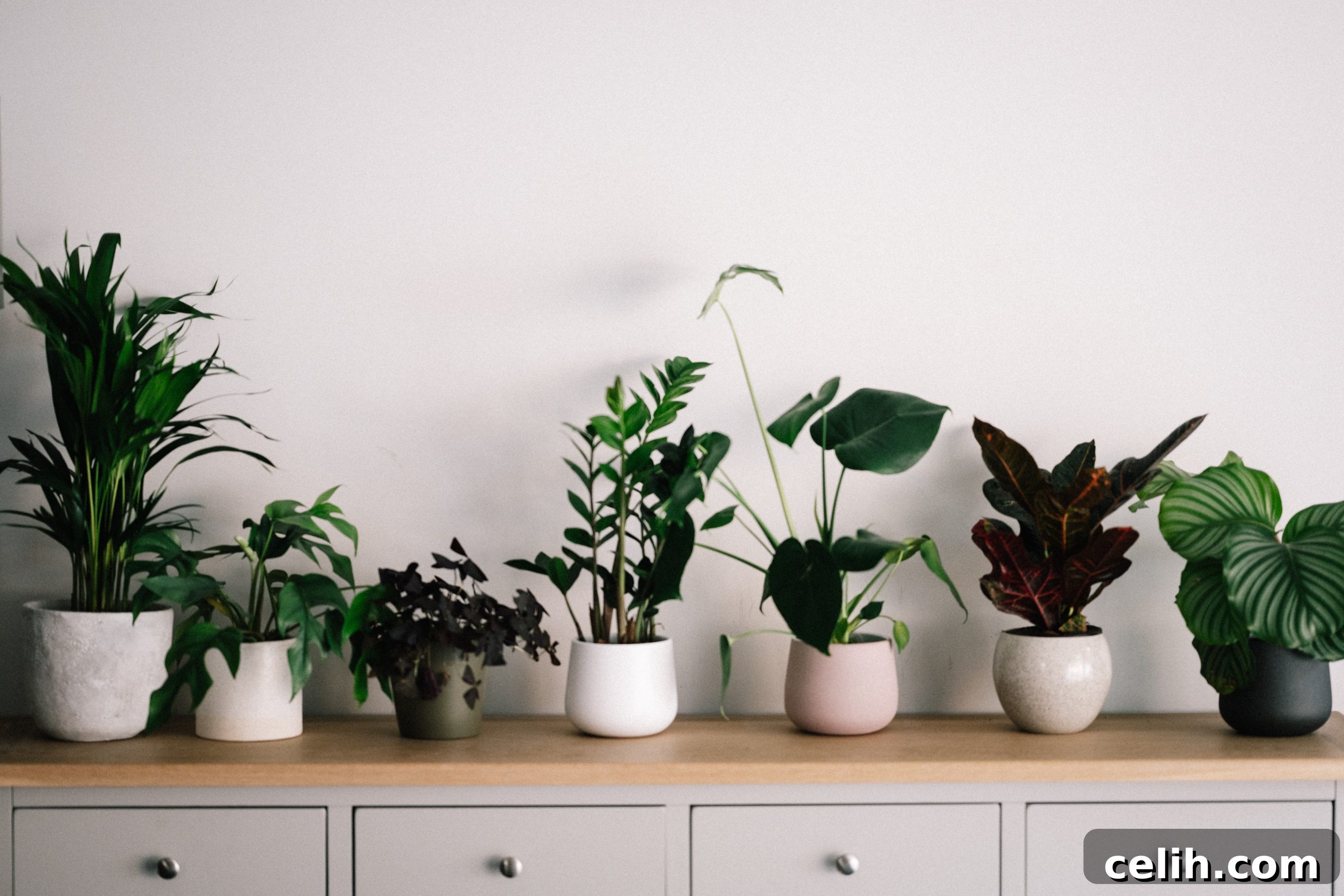
One of the most affordable, accessible, and impactful ways to enhance the aesthetics and atmosphere of any home is by introducing houseplants. Greenery adds an immediate burst of life, color, and texture, effortlessly transforming even the most uninspired spaces into vibrant havens. A few strategically placed plants can instantly elevate a room, creating a sense of natural beauty, tranquility, and visual interest without the need for expensive renovations or elaborate decor.
Beyond their decorative appeal, indoor plants offer numerous benefits. They are natural air purifiers, improving indoor air quality by absorbing toxins and releasing oxygen. Studies have also shown that having plants indoors can reduce stress levels, boost mood, and even increase focus and productivity, contributing to a calmer and more pleasant living environment. Visiting your local garden center or nursery provides a fantastic opportunity to pick out some indoor plants that resonate with your personal style and care capabilities. For beginners or those with busy lifestyles, low-maintenance varieties such as cacti, succulents, aloe vera, snake plants (Sansevieria), ZZ plants, and spider plants are excellent choices, requiring minimal attention to thrive. Consider creative ways to display your plant collection: hang them in macrame holders, arrange them on floating shelves, group different sizes together on a plant stand, or use them as a centerpiece on a coffee table. The addition of living plants is a budget-friendly way to introduce a touch of the outdoors in, fostering a sense of well-being and making your home feel truly alive and inviting.
Upcycle and Repurpose: Give Old Items New Life
Before heading to the store, take a critical look at what you already own or what might be easily acquired for free or very cheaply. Upcycling and repurposing existing items is a cornerstone of budget-friendly and sustainable home decor. An old dresser can be transformed with a fresh coat of paint and new hardware, turning it into a stylish storage unit or a unique buffet. Glass jars and bottles can become elegant vases or organizers. Even salvaged materials like old wooden crates can be stacked to create rustic shelving units. The possibilities are limited only by your imagination and a little elbow grease.
Scour your attic, garage, or local thrift stores for hidden gems that have potential. A wobbly chair might just need some glue and a fresh upholstery job to become a chic accent piece. Tarnished metal items can be polished or spray-painted to achieve a modern look. This approach not only saves money but also injects a unique, personalized character into your home that mass-produced items simply cannot replicate. It’s an environmentally conscious choice too, reducing waste and contributing to a more sustainable lifestyle. Embrace the challenge of seeing potential where others see junk, and you’ll be amazed at the treasures you can create.
Smart Planning and Budgeting: Your Blueprint for Savings
Embarking on any home decor project without a clear plan is a surefire way to overspend. Before making any purchases or starting any DIY tasks, dedicate time to thorough planning and budgeting. Begin by defining your vision for each space you intend to refresh. Gather inspiration from magazines, Pinterest, or design blogs, creating a mood board that captures the aesthetic you’re aiming for. This clarity will prevent impulsive buys that don’t fit the overall scheme.
Next, create a detailed budget. List all the items you need, from major furniture pieces to smaller accessories, and estimate their costs. Allocate funds for materials if you’re undertaking DIY projects. Be realistic about what you can afford and prioritize essential items first. It’s always wise to set aside a contingency fund, typically 10-15% of your total budget, to cover unexpected expenses. Adhering to a budget requires discipline, but it empowers you to make informed decisions, track your spending, and ensure your home decor aspirations align with your financial reality. A well-planned budget isn’t restrictive; it’s liberating, allowing you to achieve your dream home without financial stress.
Accessorize with Textiles: Instant Room Makeover
Sometimes, a complete overhaul isn’t necessary to refresh a room’s aesthetic. Textiles and soft furnishings offer an incredibly cost-effective and versatile way to introduce new colors, patterns, and textures, instantly transforming a space. Changing throw pillows, blankets, and curtains can dramatically alter the mood and style of a living room or bedroom without requiring significant investment. Consider a new area rug to define a space, add warmth, or introduce a focal point.
The beauty of textiles lies in their affordability and ease of change. You can update your decor seasonally or as your tastes evolve without committing to permanent, expensive fixtures. Explore different fabrics like linen for a breezy feel, velvet for a touch of luxury, or chunky knits for cozy warmth. Mix and match patterns and textures for a layered, inviting look. Even simple additions like a new set of bath towels or a stylish tablecloth can make a big difference in smaller spaces like bathrooms and dining areas. Investing in good quality textiles that complement your existing furniture is a smart strategy for an impactful yet budget-friendly home decor update.
Conclusion: Crafting Your Dream Home on a Budget
Transforming your home into a sanctuary of style and comfort doesn’t have to be a luxurious endeavor reserved for those with deep pockets. With a thoughtful approach, a dose of creativity, and a willingness to explore alternative solutions, you can achieve stunning results on a budget. By adopting smart shopping habits, embracing the rewarding world of DIY, simplifying your space with minimalism, looking beyond designer labels, and harnessing the natural beauty of plants, you can curate a home that truly reflects your personality and caters to your family’s needs without compromising your financial well-being. These strategies empower you to make conscious choices, prioritize value, and infuse your living spaces with character and warmth. Let this new year be the catalyst for a beautifully refreshed home, crafted intelligently and economically, becoming a testament to smart design and mindful living.
Featured image credit: Photo by Spacejoy on Unsplash