
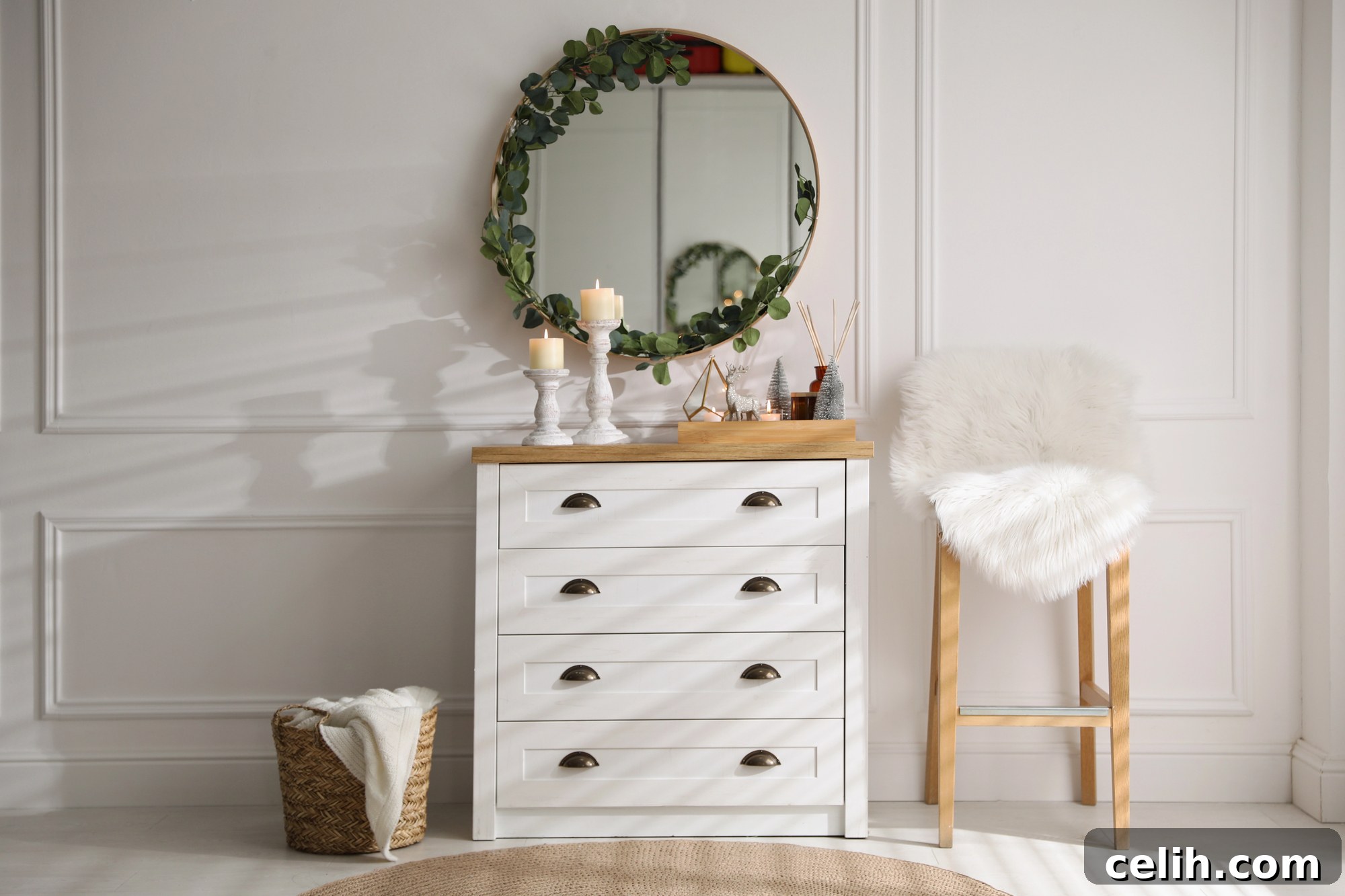
The humble chest of drawers often finds itself relegated to a mere storage unit, a functional workhorse tucked away in bedrooms, hallways, or even living areas. Yet, this versatile piece of furniture holds immense potential to be much more: a stunning focal point, a curated display, and a powerful reflection of your personal style. Many homeowners, however, stare at its blank expanse, unsure how to transform it from a utilitarian object into a captivating statement. This comprehensive guide is designed to demystify the process, taking you on a journey from choosing the perfect chest of drawers to mastering the art of styling it, ensuring it becomes an integral and beautiful part of your home’s narrative.
Choosing the Perfect Chest of Drawers: A Definitive Guide
Navigating the vast world of furniture options can be daunting, especially when it comes to selecting a piece as fundamental as a chest of drawers. From countless styles and finishes to varying sizes and functionalities, the decision can feel overwhelming. But fear not! This isn’t just about finding a piece to hold your socks; it’s about integrating a daily companion into your bedroom, hallway, or living room that truly serves your needs and enhances your interior design. Let’s explore a stress-free approach to selecting the ideal chest of drawers for your space.
1. Define Its Purpose: Start With the “Why”
Before you even begin to admire a beautiful design, pause and consider the primary role this piece will play in your home. Understanding its core function is the first and most crucial step in narrowing down your choices.
- Bedroom Storage: If it’s destined for the bedroom, you’ll likely need ample space for clothing—from folded sweaters and jeans to underwear and accessories. Deep, wide drawers might be paramount.
- Hallway Landing Spot: In a busy entryway, a chest of drawers can be a catch-all for mail, keys, gloves, and other everyday essentials, helping to keep clutter out of sight. Surface space for decorative items or a lamp may also be important.
- Living Room Feature: As part of your living room furniture, its aesthetic appeal and the display potential of its top surface often take precedence. It might house media accessories, board games, or simply serve as a stylish accent piece.
- Children’s Room: Safety features like anti-tip kits and durable, easy-to-clean surfaces, along with sufficient storage for clothes and toys, become key considerations.
Prioritizing function will significantly streamline your search, ensuring your chosen piece not only looks good but genuinely meets your organizational demands.
2. Precision is Key: Measure Twice, Buy Once
This timeless advice is particularly critical when furnishing a space. An improperly sized chest of drawers can either overpower a room or appear insignificant. Don’t rely on guesswork; grab a measuring tape and meticulously assess your designated area.
Here’s what you’ll want to measure precisely:
- Width: Ensure it doesn’t obstruct doorways, windows, or the flow of traffic in the room. Allow for a comfortable amount of negative space on either side.
- Height: Consider the overall vertical balance of the room. Do you envision a tallboy dresser for maximum vertical storage, or a lower, wider unit that can double as a display surface or even a TV stand?
- Depth: This is often overlooked. Make sure you can comfortably walk past the chest once it’s in place, especially in hallways or smaller bedrooms. Also, consider drawer clearance—will drawers open fully without hitting other furniture?
Pro Tip: Use painter’s tape to mark out the exact footprint of the furniture on your floor. This visual aid will give you an invaluable sense of how the piece will fit and feel in the space, helping you avoid costly mistakes.
3. Optimize Storage: Choose the Right Configuration
Chests of drawers come in various configurations, each designed to optimize different types of storage. Think about what you’ll be storing and how you prefer to organize it.
- Wide and Low with Deep Drawers: Ideal for bulkier items like folded clothing (sweaters, jeans, t-shirts), linens, or larger living room essentials.
- Tallboy with More, Narrower Drawers: Perfect for smaller items that tend to get lost in deep drawers, such as socks, undergarments, ties, scarves, or accessories. Its verticality also helps save floor space.
- Mixed Drawers: Many chests offer a combination of drawer sizes—perhaps a few shallow ones at the top for delicate items or jewelry, and deeper ones below. This versatility can be a significant advantage.
- Internal Features: Look for drawers with built-in dividers, felt lining, or soft-close mechanisms. Test the drawers if possible; they should glide smoothly and feel robust, indicating quality construction. Full-extension drawers, which allow the drawer to pull out completely, offer superior accessibility.
4. Elevate Aesthetics: Style It Up – Match or Contrast
The style of your chest of drawers plays a huge role in defining the character of your room. While it’s wise to consider your existing decor, don’t be afraid to think outside the box.
- Cohesive Look: For a harmonious and traditional feel, choose a chest that matches the style, wood tone, or color palette of your other furniture. This creates a sense of unity and calm.
- Bold Statement: Introduce a contrasting piece to add visual interest and personality. A rustic wooden dresser in a modern minimalist room, or a sleek, lacquered chest in a bohemian space, can create an exciting dynamic.
- Hardware Matters: The knobs, pulls, or handles are the jewelry of your furniture. Swapping out standard hardware for unique, decorative options (like brass, ceramic, leather, or crystal) is an incredibly easy and affordable way to completely transform the vibe of a chest of drawers, giving it a bespoke feel.
5. Longevity and Look: Consider the Material
The material choice affects not only the durability and price but also the overall aesthetic of your furniture.
- Solid Wood: Renowned for its durability, timeless appeal, and ability to be refinished multiple times. Options like oak, maple, cherry, and pine offer distinct grain patterns and hues. It’s an investment that lasts for generations.
- Wood Veneer: A thin layer of real wood applied over a less expensive core (like MDF or particleboard). It offers the look of solid wood at a more affordable price. While stylish, it can be more prone to chipping or water damage if not cared for properly.
- MDF (Medium-Density Fiberboard) or Particleboard: Budget-friendly options, often used for painted furniture or contemporary, trend-led designs. They are stable and uniform but generally less durable than solid wood and not suitable for refinishing.
- Metal: Industrial or modern styles might feature metal, offering a sleek, durable, and sometimes distressed look.
- Rattan/Woven: Adds texture and a bohemian or coastal vibe, often incorporated into drawer fronts or side panels.
Beyond the core material, consider the finish: matte for a modern, understated look; gloss for a sleek, reflective surface; distressed for a farmhouse or vintage appeal; or a natural woodgrain stain to highlight the timber’s inherent beauty.
6. Conscious Consumerism: Eco-Friendliness and Ethics
For many, making environmentally and socially responsible choices is increasingly important. Look for brands that prioritize sustainability.
- FSC-Certified Wood: Ensures that the wood comes from responsibly managed forests.
- Reclaimed or Recycled Materials: Furniture made from salvaged wood or recycled metal adds character and reduces waste.
- Locally-Made Options: Supports local economies and often involves fewer transportation emissions.
- Low-VOC Finishes: Opt for furniture finished with low or zero volatile organic compounds to improve indoor air quality.
- Durability: Investing in high-quality, durable furniture that will last for decades is inherently eco-friendly, as it reduces the need for frequent replacements.
7. Tailor to Your Habits: Drawers That Work for Your Lifestyle
Are you a meticulous organizer who loves everything in its designated spot, or do you prefer a more “organized chaos” approach? Your chest of drawers should support, not hinder, your daily routine.
- For the Neat Freak: Look for chests with options for internal dividers, smaller compartments, or built-in organizers. Soft-close slides are a bonus for maintaining order without jarring movements.
- For the Free Spirit: Deeper, wider drawers might be more suitable for simply stashing items without rigid categorization. Removable bins or baskets can still help contain items loosely.
8. Versatile Solutions: Multifunctional Magic
In smaller homes or for those who appreciate smart design, a chest of drawers can often serve multiple purposes, maximizing its utility.
- Vanity: A chest of drawers with a mirror above it transforms into a practical vanity for grooming.
- Changing Table: A sturdy, wide dresser with a removable changing pad can function as a baby’s changing station.
- Media Console: A lower, wider chest can easily accommodate a television and house media components.
- Window Bench: A low-profile chest placed under a window with cushions on top can provide both seating and storage.
- Desk Extension: In a home office, a chest can be used as an additional storage unit beside or below a desk, providing extra workspace or a landing zone for supplies.
9. Smart Spending: Budgeting Wisely
Set a realistic budget, but also be prepared to allow a little wiggle room for a piece that truly captures your heart and meets all your criteria. Remember that furniture is an investment.
- Value vs. Price: A more expensive, well-made solid wood chest might offer better long-term value than a cheaper particleboard option that needs replacing sooner.
- Hidden Costs: Factor in delivery charges, assembly fees (if applicable), and any additional organizational accessories you might want to purchase, such as drawer dividers or inserts.
- DIY Upgrades: If your budget is tight, consider buying a pre-owned chest and giving it a new lease on life with a fresh coat of paint, new hardware, or a veneer restoration.
10. The Ultimate Litmus Test: Trust Your Gut
After considering all the practical aspects, come back to your personal preference. This piece will live in your home, and you will interact with it daily. Choose something that you genuinely love, that makes you feel good, and that contributes positively to the atmosphere of your space. It’s your home, after all, and it should reflect your unique taste and comfort.
How to Style a Chest of Drawers: Curating Your Personal Display
Once you’ve found the perfect chest of drawers, the real fun begins: styling it to reflect your aesthetic and enhance your room’s decor. A thoughtfully arranged display can elevate your entire space, turning a functional storage unit into a captivating visual narrative. Here are expert tips to help you create a look that is both polished and deeply personal.
1. Begin with a Blank Canvas: Clear and Clean
Before you introduce any new elements, start fresh. Clear everything off the surface of your chest of drawers. This isn’t just about making space; it’s about providing a mental and physical clean slate. Give the top and sides of the chest a thorough cleaning, removing any dust or grime. This initial step allows you to objectively reassess the available space and envision new possibilities without the distraction of existing items, setting the perfect stage for your creative endeavors.
2. Anchor the Space: Art or a Mirror
An empty wall above your chest of drawers can make the entire arrangement feel unfinished and ungrounded. Introduce a strong vertical element to act as a focal point and anchor the display. Consider a beautifully framed mirror or a captivating piece of artwork. This not only draws the eye upwards, creating a sense of height and grandeur, but also provides a visual backdrop for the items you’ll be styling on the surface. For optimal balance, choose a piece that is roughly two-thirds the width of the chest. Hang it approximately 6 to 10 inches above the surface to maintain a cohesive connection between the wall decor and the furniture. Alternatively, for a more relaxed, contemporary vibe, lean a larger piece of art or an oversized mirror against the wall.
3. Layer in Lighting: Warmth and Functionality
Lighting is an indispensable element in interior design, adding warmth, ambiance, and practical illumination. A strategically placed table lamp on your chest of drawers not only introduces verticality to your display but also provides a soft, inviting glow. Select a lamp that harmonizes with the overall style of your room and the chest itself—whether it’s a sleek modern design, a vintage-inspired piece, or a rustic ceramic lamp. Pay close attention to proportions: a diminutive lamp might get lost on a large chest, while an overly large one could overwhelm the space. Consider placing the lamp on one side of the chest for an asymmetrical, dynamic look, or using two smaller lamps symmetrically for a more formal arrangement.
4. Introduce Greenery or Florals: Life and Vibrancy
Plants and flowers are instant mood boosters and bring an organic, living element into any space. A vibrant plant or a fresh bouquet can add a burst of color, interesting texture, and a touch of nature to your curated display. Consider a trailing pothos or ivy cascading gracefully, a sculptural snake plant adding architectural interest, or a delicate orchid for an elegant touch. A vase of fresh flowers, updated seasonally, provides a changing focal point. Beyond their aesthetic appeal, many indoor plants are known to improve air quality, offering a healthful bonus to your serene space. If maintaining live plants is a challenge, opt for high-quality artificial botanicals that mimic the real thing.
5. Play with Heights and Shapes: Visual Interest
To create a truly engaging display, embrace variety in the heights and shapes of your decorative objects. Avoid lining up items of similar size, which can appear static and uninspired. Instead, aim for a dynamic arrangement that guides the eye across the surface. Use a tall vase or a slender sculpture as a vertical anchor. Balance it with shorter, rounder objects like a decorative bowl or a cluster of candles. You can stack a few books horizontally to create a pedestal for a smaller, cherished object, adding another layer of height. The “rule of three” is often effective here: group items in odd numbers, varying their dimensions and textures, to create visually pleasing vignettes.
6. Organize with Trays and Boxes: Contain and Conquer Clutter
Small, disparate items can quickly create a sense of clutter, even on a beautifully styled surface. Decorative trays and elegant boxes are your secret weapons for maintaining order without sacrificing style. A sleek metallic or wooden tray can gather perfumes, jewelry, or keys, giving them a designated, stylish home. Chic storage boxes, whether made of lacquered wood, woven rattan, or decorative paper, can discreetly conceal miscellaneous bits and bobs, ensuring the surface remains tidy and visually appealing. This approach not only provides structure but also elevates everyday necessities into purposeful design elements.
7. Add Personal Touches: Tell Your Story
Your home should be a reflection of who you are, and your chest of drawers offers a prime opportunity to infuse your personality into the decor. Incorporate personal mementos that hold meaning for you: a framed photograph of loved ones, a souvenir from a memorable trip, a cherished heirloom passed down through generations, or a small sculpture collected over time. These items tell your unique story and make the space feel truly yours. The key is curation, not accumulation; select a few meaningful pieces that complement the overall aesthetic rather than overcrowding the display. Each item should spark joy or evoke a special memory.
8. Mind the Palette: Create Color Harmony
A cohesive color scheme is vital for tying your entire arrangement together, ensuring it feels intentional and polished. Draw inspiration from the existing hues in your room—the wall color, textiles, or other furniture pieces. Select décor items that echo or subtly complement these tones. For example, if your room features a dominant shade of soft blue, consider incorporating accents in deeper navy, serene teal, or even contrasting warm corals for a pop. Using a monochromatic palette (variations of a single color) can create a sophisticated and calming effect, while analogous colors (next to each other on the color wheel) offer a harmonious transition. Even subtle shifts in tone can create depth and interest without clashing.
9. Embrace Negative Space: Less Is More
One of the most common styling mistakes is the urge to fill every available inch. However, negative space—the empty areas around and between your decorative objects—is just as important as the items themselves. It allows the eye to rest, preventing the display from feeling cluttered and ensuring that each chosen piece has room to breathe and shine. Thoughtfully placed empty areas emphasize the beauty of your curated items, giving them the attention they deserve. Step back and assess your arrangement; if it feels too busy, try removing one or two items. Often, “less is more” leads to a more impactful and sophisticated display.
10. Refresh Regularly: Keep It Dynamic
Styling is not a one-and-done task; it’s an evolving process. As seasons change, new treasures are acquired, or your personal tastes shift, feel free to update and refresh your display. This keeps the space feeling dynamic, current, and continually reflective of your evolving style. You might swap out heavy textures for lighter ones in spring, introduce autumnal colors in fall, or add festive touches during holidays. Regularly refreshing your display is also a perfect opportunity to dust, declutter, and re-evaluate what truly belongs on your chest of drawers. This simple practice ensures your space remains vibrant and inspiring.
Final Thoughts on Enhancing Your Home with a Chest of Drawers
The journey of choosing and styling a chest of drawers is ultimately an exercise in balance: harmonizing essential function with captivating form, embracing simplicity while celebrating personal expression. From the initial smart decisions about measurements, materials, and specific storage needs, to the final flourishes of layered styling, personal touches, and evolving displays, every step contributes to transforming a simple piece of furniture into a celebrated element of your home.
Whether it takes pride of place in your bustling bedroom, a welcoming hallway, or a thoughtfully designed living space, the perfect chest of drawers is more than just a hardworking hero for your belongings; it is a visual delight that elevates your entire interior. Now, armed with these insights, go forth, choose wisely, and style boldly, letting your chest of drawers tell a beautiful story that is uniquely yours.