
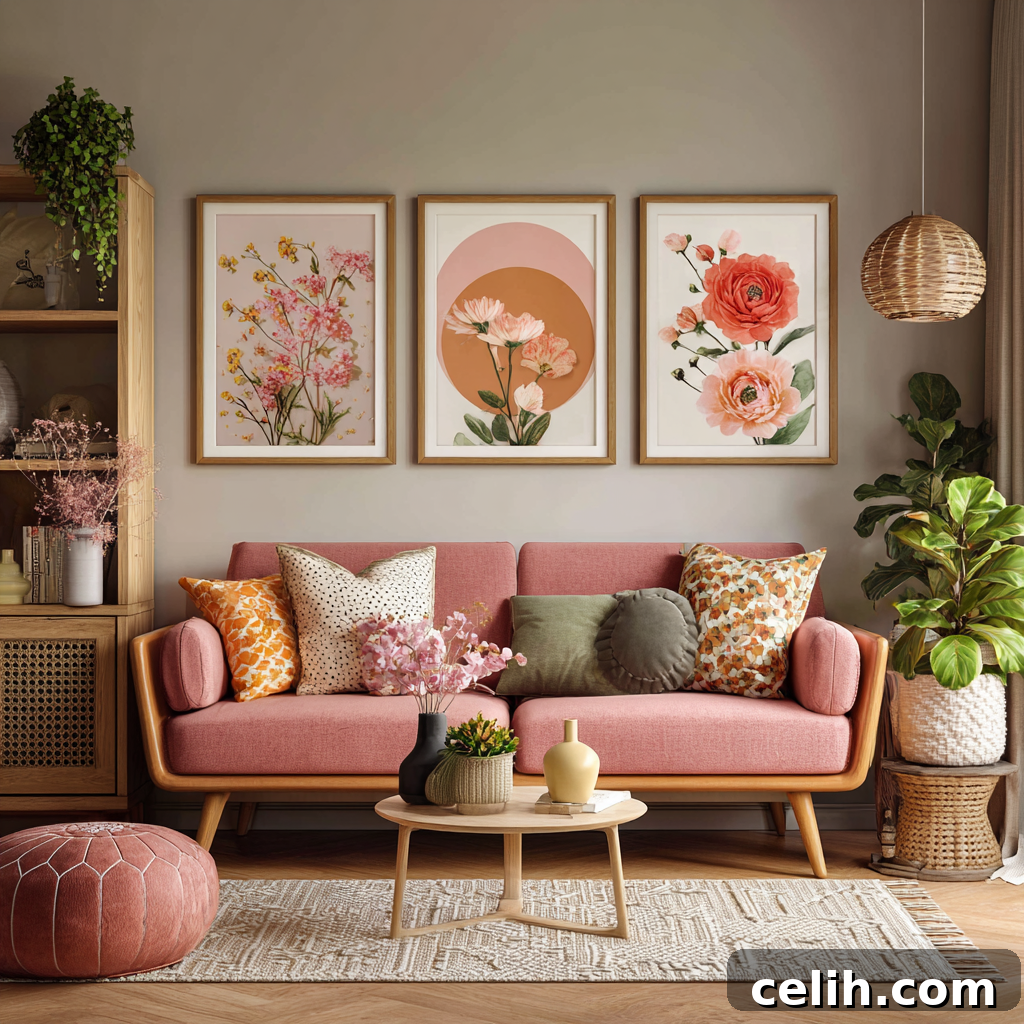
Choosing a new sofa, while seemingly straightforward, is a decision that holds significant weight for any homeowner. It’s not merely about selecting a piece of furniture; it’s about investing in the heart of your living space. The sofa often serves as the largest and most central item in a room, a silent witness to countless moments – from quiet evenings spent unwinding to lively family gatherings and cozy movie nights. Given its prominent role and daily use, a sofa must be much more than just visually appealing; it needs to offer comfort, seamlessly integrate with your existing decor and spatial dynamics, and possess the durability to withstand the rigors of everyday life for years to come.
This pivotal purchase represents a substantial financial commitment, making the prospect of a misguided choice both frustrating and costly. A sofa that captivates you in the showroom might, within weeks, reveal itself to be too firm for your liking, disproportionately large for your intimate living room, or highly susceptible to showing every smudge if you share your home with children or pets. The key to sidestepping these common pitfalls and ensuring your chosen sofa perfectly complements your home and lifestyle lies in asking the right questions—both of yourself and of the retailers—before you commit. This comprehensive guide will walk you through the most crucial considerations, transforming a potentially overwhelming decision into an informed and confident one.
Below, we delve into the essential questions to ponder and discuss, whether you’re browsing online catalogs or personally evaluating options in a furniture showroom. These insights will empower you to select a sofa that not only looks fantastic but truly enhances your living experience.
How Will Your Sofa Truly Be Used? Defining Its Role in Your Home
The primary function of your new sofa is arguably the most critical factor to consider, yet it’s often overlooked in favor of aesthetic appeal. Before diving into design trends, take a moment to honestly assess how this central piece of furniture will integrate into your daily life. Is it predominantly a sanctuary for evening relaxation and television viewing? Or will it be a bustling hub where children play, pets nap, guests gather for conversation, and perhaps even double as an occasional bed for visitors?
For homes where the sofa is a haven for daily lounging and unwinding, features like deeper seats and plush, softer cushions are paramount. These elements encourage stretching out and provide a more enveloping comfort. Conversely, if your home is a frequent venue for entertaining, a slightly firmer sofa with a more upright seating posture can facilitate easier conversation and a more formal, yet still comfortable, experience. Consider also your family dynamics: if you have young children, durability and ease of cleaning will likely outweigh delicate aesthetics. Pet owners will prioritize stain-resistant and claw-proof fabrics.
Furthermore, if your living space needs to be versatile, perhaps accommodating overnight guests, a sofa bed or a generously deep sofa design that can comfortably host someone lying down might be a more practical investment. Being upfront about these real-world uses will dramatically streamline your selection process, ensuring the final choice aligns perfectly with your lifestyle needs and demands.
Selecting the Ideal Sofa Shape for Your Space and Lifestyle
Sofas are available in a fascinating array of shapes and configurations, each designed to cater to different room sizes, architectural styles, and functional requirements. Choosing the right shape is crucial for optimizing both the flow and utility of your living area. For compact rooms or those seeking a classic, streamlined arrangement, a traditional two or three-seater sofa often provides an ideal solution. These versatile pieces offer sufficient seating without overwhelming the space, maintaining an open and airy feel.
In contrast, larger living rooms, especially those with open-plan layouts, can greatly benefit from the expansive seating and defining presence of a sectional or corner sofa. L-shaped sofas, for instance, are particularly popular in open-concept homes. They excel at creating a distinct and inviting relaxation zone, effectively delineating the seating area from other parts of the room without the need for multiple, disjointed furniture pieces. This design fosters a sense of intimacy and coziness within a larger space.
For families or individuals who frequently host large gatherings or enjoy ample space for movie nights, U-shaped sectionals are an excellent choice, offering maximum seating capacity. However, their considerable footprint requires a spacious room to prevent the area from feeling cramped or overwhelmed. If adaptability is a key priority, modular sofas present an innovative solution. These flexible units can be rearranged and reconfigured over time, allowing you to adjust your living space layout as your needs evolve, making them perfect for dynamic households. Understanding the spatial impact and functional benefits of each shape ensures your sofa not only fits but actively enhances the way you utilize your living environment.
Ensuring a Perfect Fit: Sofa Dimensions and Room Proportions
One of the most frequently encountered and easily avoidable errors when purchasing a sofa is misjudging its size relative to the room. A sofa that is either too large or too small can drastically disrupt the balance and comfort of your living space. Before you even begin to explore styles and fabrics, the first crucial step is meticulous measurement. Take precise measurements of your room, paying close attention to the wall where the sofa will reside, but also considering the overall layout and how the sofa will interact with other key furniture pieces.
Think beyond just length and width; consider the depth of the sofa, its height, and how these dimensions will impact walking paths, the placement of coffee tables, end tables, and any additional seating. A highly effective method to visualize the sofa’s footprint is to use masking tape or newspaper to mark its exact dimensions on your floor. This simple trick provides a tangible representation of the space it will occupy, allowing you to gauge whether there will be ample room to move comfortably around it, open doors, and maintain a harmonious flow.
While an expansive sectional might look magnificent in an open-plan setting, the same piece can quickly overpower a smaller room, making it feel congested and cramped. Conversely, a sofa that is too modest in size for a grand space may appear insignificant and fail to provide adequate seating or anchor the room effectively. Achieving the correct proportions is fundamental to creating a balanced, inviting, and functional living area, profoundly influencing the room’s overall aesthetic and user experience.
The Comfort Quotient: Prioritizing Seat Depth for Ergonomic Support
Beyond its visual appeal, a sofa’s true value lies in its comfort, and seat depth is an unsung hero in this regard. This critical dimension, often overlooked, dictates how your body will be supported and how relaxed or upright your posture will be. Deep sofas often exude an air of luxurious indulgence, inviting you to recline, stretch out, and truly unwind. They are perfect for cozy evenings curled up with a book or sprawling out for a movie marathon. However, this level of depth might not suit everyone. Individuals who prefer to sit with their feet firmly planted on the floor, or those with shorter statures, may find deep seats less comfortable, requiring extra cushions for back support.
On the other hand, shallower sofas provide a more structured and upright sitting experience. They offer enhanced lumbar support and make the act of sitting down and standing up considerably easier. This feature is particularly beneficial for older family members, individuals with mobility challenges, or anyone who values ergonomic support over a laid-back slouch. When evaluating a sofa, especially if shopping in person, make sure to test different seat depths thoroughly. Sit as you normally would, lean back, and spend a few minutes assessing how your body feels. A truly comfortable sofa should naturally support your back and posture without forcing you into an awkward position or necessitating a stack of pillows. Since comfort is an intensely personal preference, dedicating time to explore various seat depths is key to discovering the perfect balance for your unique needs and ensuring lasting satisfaction.
Understanding Cushion Fillings: The Core of Your Sofa’s Comfort and Durability
The internal composition of your sofa cushions significantly influences its overall feel, its aesthetic longevity, and the level of maintenance it will require. Each type of filling offers a distinct experience, making your choice a crucial element in achieving your desired comfort and practicality. Foam cushions, for instance, are celebrated for their firm, structured support. They excel at maintaining their shape over extended periods, making them a popular choice for contemporary sofa designs that favor clean lines and minimal fuss. Their low-maintenance nature appeals to those seeking an effortlessly neat appearance.
At the opposite end of the spectrum, feather-filled cushions deliver a sumptuously soft, relaxed, and sink-in feel. They impart a wonderfully lived-in, slightly rumpled aesthetic that beautifully complements casual and bohemian interior styles. However, this luxurious softness comes with a trade-off: feather cushions demand regular plumping and rotation to prevent them from compacting and losing their inviting loft. Occupying the middle ground are fibre-filled cushions, which strike a balance between softness and structure. They offer a comfortable, yielding feel that is softer than foam but requires less active maintenance than pure feathers, though they may gradually flatten over time with consistent use.
For those desiring the best of both worlds, many high-end sofas ingeniously combine foam cores with a feather or fibre wrap. This hybrid construction provides the foundational support and resilience of foam, coupled with the inviting softness and gentle give of a softer outer layer. Familiarizing yourself with these diverse filling options is essential. It enables you to select a sofa that not only aligns with your preferred level of comfort but also matches your willingness and capacity for ongoing maintenance, ensuring long-term satisfaction.
The Durability of Upholstery Fabric: Balancing Style with Practicality
The choice of upholstery fabric is not merely an aesthetic decision; it’s a critical determinant of your sofa’s performance, resilience, and longevity in your home. The right fabric must withstand the daily wear and tear specific to your household, balancing visual appeal with robust functionality. For homes bustling with children or pets, prioritizing highly durable, stain-resistant, and easily cleanable fabrics is paramount. Performance fabrics, engineered for enhanced resilience, along with tightly woven materials like microfibers, synthetic blends, or even certain treated natural fabrics, are excellent choices. Darker colors or patterned fabrics are also highly practical, as they are adept at concealing everyday marks, spills, and pet fur.
Natural fabrics such as linen, cotton, and velvet offer undeniable beauty and a luxurious, inviting texture. However, they may be more prone to showing stains, wrinkles, or wear, making them better suited for homes with less intense daily use. Leather stands out for its exceptional durability and its ability to be easily wiped clean, making it a robust option for busy households. Over time, leather develops a unique patina, adding character, though some prefer a more pristine look. When evaluating fabrics, it’s also highly advisable to check the fabric’s abrasion rating, commonly measured using the Martindale score. A higher Martindale score signifies greater resistance to wear and tear, indicating a fabric’s suitability for high-traffic areas and intense daily use. By carefully considering both style and practicality, you can select an upholstery fabric that ensures your sofa remains beautiful and functional for many years.
The Unseen Strength: Assessing the Quality of the Sofa Frame
While the plush cushions and inviting upholstery often capture immediate attention, the underlying frame is the veritable backbone of your sofa, determining its stability, structural integrity, and ultimate lifespan. A high-quality frame is the foundation upon which comfort and durability are built. When testing a sofa, pay close attention to how the frame feels: it should be remarkably solid and sturdy, exhibiting no creaking, wobbling, or noticeable flexing when you sit down, shift your weight, or stand up. This robustness indicates a well-constructed piece.
Hardwood frames, particularly those crafted from kiln-dried wood, are widely regarded as the gold standard for sofa construction. Kiln-drying removes moisture from the wood, preventing warping, cracking, and structural instability over time. Woods like oak, maple, birch, and ash offer exceptional durability. In contrast, cheaper sofas often utilize particleboard, fiberboard, or softwood frames (such as pine). While more affordable, these materials are less resilient and may not withstand the stresses of daily use, leading to premature sagging, squeaking, or even breakage.
Beyond the material, the method of joint construction is equally vital. Frames assembled using a combination of techniques—gluing, doweling, and screwing, often reinforced with corner blocks—provide superior strength and longevity. Avoid frames held together solely by staples, as these tend to be less secure and prone to failure over time. Though hidden beneath the layers of upholstery, a robust frame is a non-negotiable component that plays the most significant role in ensuring your sofa endures for many enjoyable years.
The Delivery Dilemma: Will Your Sofa Fit Through the Door?
This seemingly obvious question is, surprisingly, one of the most common oversights in the sofa-buying process, often leading to stressful and frustrating delivery day surprises. A sofa that looks absolutely perfect within the generous confines of a showroom or perfectly scaled in your imagination for your living room still needs to navigate the physical realities of your home’s entrance. This means meticulously measuring every potential choke point along its path: the width and height of all doorways, the dimensions of hallways, the clearances of staircases (including turns and landings), and any tight corners or narrow passages. Don’t forget to measure the diagonal width of doorways, as this is often the maximum width an item can pass through.
Professional delivery teams possess considerable expertise in maneuvering large furniture, but even their skills have limits when faced with exceptionally large or rigid sofa frames. If your home presents particular access challenges, such as being an apartment on an upper floor with a small elevator or a period property with winding, narrow staircases, consider specific sofa designs. Modular sofas, which come in separate pieces, or those with removable legs and arms, are game-changers for difficult deliveries. Flat-pack sofas or sectionals that can be assembled in situ are also incredibly practical options, significantly simplifying the logistics of getting your new furniture where it needs to be. Taking these preventative measurements and considering practical design features can save a considerable amount of anxiety and ensure a smooth, successful delivery day.
Understanding Maintenance: Your Commitment to Sofa Upkeep
The long-term enjoyment of your sofa is intricately linked to the level of maintenance it requires, and your willingness to commit to that upkeep. Different sofa types and materials demand varying degrees of attention, making it essential to choose a piece that aligns with your lifestyle and available time. For example, sofas with feather-filled cushions, while offering superior softness, necessitate regular plumping and rotation to retain their shape, volume, and uniform comfort. Neglecting this can lead to flattened, lumpy cushions and a tired appearance.
Lighter-colored fabrics, while often elegant, are more prone to showing dirt, dust, and stains, thus requiring more frequent cleaning and potentially professional upholstery services. If you have a busy household with children or pets, this could quickly become a burden. Conversely, some slipcovered sofas offer an incredibly practical solution: their covers can be removed and often machine-washed, making them ideal for family homes where spills and everyday messes are common occurrences. This feature significantly simplifies cleaning and helps maintain a fresh look.
If your preference leans towards a low-maintenance option, seek out sofas upholstered in durable, performance-oriented fabrics or robust leather, paired with structured cushions (like high-density foam) that hold their shape well. Darker colors or subtle patterns are also excellent choices for disguising minor wear and tear, reducing the visible impact of daily use. By thoughtfully considering the maintenance requirements upfront, you ensure your sofa remains a source of comfort and joy, rather than an ongoing chore.
Timeless Appeal: Will Your Sofa’s Style Endure?
It’s all too easy to be captivated by a sofa that makes a striking statement in a showroom, embodying the latest design trends. However, given the significant investment and long-term presence of a sofa in your home, it’s vital to pause and consider its enduring appeal. Will this style continue to resonate with you and complement your home’s aesthetic several years down the line? Large furniture pieces, unlike smaller accents, typically remain in our homes for a considerable duration, so opting for a design that is overly trend-driven can sometimes lead to aesthetic fatigue or regret as styles evolve.
Sofas characterized by classic proportions, clean lines, and neutral upholstery colors (such as greys, beiges, creams, or subtle blues) tend to possess a remarkable timelessness. Their versatility allows them to seamlessly integrate with a wide array of interior design styles, adapting gracefully as your tastes or decorative schemes change. The beauty of a neutral base is its inherent flexibility: you can effortlessly refresh and update the entire look of your living space by simply swapping out throw pillows, blankets, and other accessories to reflect current trends or seasonal changes.
Choosing a classic doesn’t imply sacrificing character. A well-designed sofa can still exude personality through interesting textures, subtle patterns, distinctive leg designs, or elegant armrest profiles. These thoughtful details add sophistication and individuality without anchoring the design to a fleeting trend. Ultimately, a truly well-chosen sofa should feel like a cherished, enduring fixture in your home, rather than a temporary statement piece destined for obsolescence.
Reflecting Your Home’s Ambiance: Does the Sofa Evoke the Right Feeling?
Beyond the tangible aspects of measurements, materials, and functional features, lies a deeply personal and equally crucial question: Does this sofa contribute to creating the desired atmosphere and emotional resonance within your home? A sofa is more than just a place to sit; it’s a powerful tool for shaping the mood and character of your living space.
Some sofas inherently project a formal and structured elegance, making them perfectly suited for sophisticated living rooms, reception areas, or spaces primarily designed for entertaining guests with refined conversation. Their upright posture and tailored appearance encourage a sense of decorum. In contrast, other sofas are designed to feel irresistibly relaxed and inviting, beckoning people to sink in, curl up with a good book, or engage in long, intimate evening conversations. These often feature softer lines, deeper seats, and plush cushions, fostering an environment of ease and warmth.
The right sofa should seamlessly support the emotional landscape you wish to cultivate in the room. It should make the space feel genuinely comfortable, deeply welcoming, and authentically lived-in, rather than merely staged or impersonal. In many households, the sofa transcends its role as furniture to become the very epicenter of daily life – a gathering point for family, a sanctuary for personal reflection, a stage for cinematic adventures, and sometimes even a casual workspace or dining spot. Choosing a sofa that harmonizes both with the practical demands of your household and the overarching emotional tone you desire for your home ensures it transforms from a simple purchase into a beloved, integral part of your everyday life, cherished for years to come.
Understanding Your Investment: What About the Warranty or Guarantee?
A sofa represents a considerable investment in your home, making it prudent and highly advisable to thoroughly investigate the warranty or guarantee offered with your purchase. This critical layer of protection provides peace of mind and indicates the manufacturer’s confidence in their product’s quality and durability. Most reputable sofa manufacturers offer specific guarantees on the structural components, such as the frame and springs, with these warranties often extending for periods of ten years or even longer. Such a lengthy guarantee on the foundation of the sofa speaks volumes about its expected longevity and resilience.
It’s important to note, however, that warranties for upholstery fabrics, cushions, and other more perishable components typically have shorter coverage periods, often ranging from one to five years. Always take the time to read the warranty documentation carefully to understand precisely what is covered, for how long, and under what conditions. Clarify whether the warranty covers defects in materials and workmanship, and what actions (repair, replacement, refund) the manufacturer is obligated to take. Additionally, inquire about the availability of repair services or replacement parts beyond the warranty period, particularly if you are investing in a high-quality, heirloom-grade piece intended to last for many decades. A clear understanding of the warranty terms is a crucial step in safeguarding your investment and ensuring long-term satisfaction with your new sofa.
Final Thoughts: Making an Informed Sofa Decision
The journey of buying a sofa extends far beyond simply choosing an attractive piece in a shop or from an online catalog. It’s an intricate process of finding a furniture piece that harmoniously integrates with your living space, diligently supports your daily routines, and consistently delivers comfort long after the initial excitement of a new purchase has subsided. A sofa isn’t just an object; it’s a significant element of your home’s functionality and personality.
By diligently asking thoughtful questions about critical factors such as size, comfort, durability, maintenance, and style, you empower yourself to navigate the myriad options and deftly avoid the common pitfalls that often lead to dissatisfaction. An informed decision ensures that the sofa you bring home feels instinctively right, as if it were always meant to be a part of your living environment, from the very moment it arrives through your door.
When you commit the time and effort to carefully deliberate these key considerations, the outcome is a sofa that transcends mere aesthetics. It becomes a piece of furniture that not only looks exceptional but genuinely enhances your way of life. This level of considered choice transforms a substantial purchase into a lasting source of comfort, joy, and functional beauty—a decision you will undoubtedly appreciate for many fulfilling years to come.