
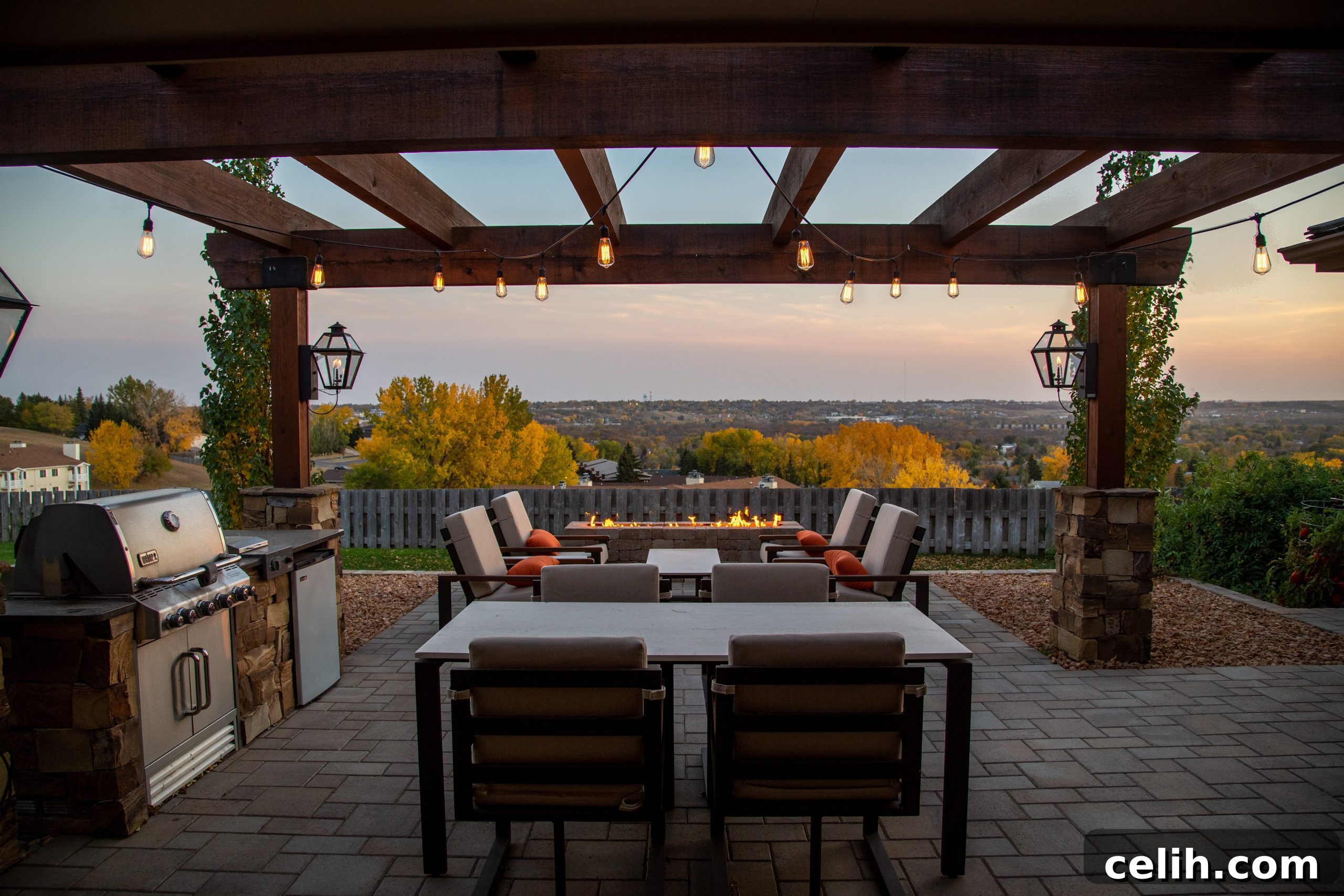
The past few years have profoundly reshaped our relationship with our homes. With more time spent indoors, the desire for comfortable, functional, and aesthetically pleasing outdoor spaces has surged. Homeowners are increasingly seeking features that allow them to fully enjoy life at home, even during times of restricted movement. Among the most sought-after enhancements are outdoor kitchens, which seamlessly blend the joy of cooking with the beauty of nature.
Indeed, a significant 82 percent of homeowners surveyed expressed a strong desire to upgrade their outdoor living areas. For those envisioning a luxurious and practical backyard kitchen as part of this transformation, prefab outdoor kitchens present a compelling option. But with various choices available, how do you determine if a prefab outdoor kitchen is the right fit for your lifestyle and property? Making an informed decision requires careful consideration of several crucial factors.
Thorough Research is Your Foundation
The journey to acquiring a new backyard kitchen, particularly a prefab model, must begin with extensive research. It’s incredibly easy to be captivated by stunning, professionally photographed images of prefab outdoor kitchens online or in brochures. These visuals often depict the units in impeccably styled, luxurious settings, designed to entice potential buyers. However, it’s vital to recognize that the kitchen you receive might not perfectly replicate that idealized image in your unique backyard. Manufacturers frequently use advanced photography and digital manipulation to present their products in the most appealing light, subtly enhancing their appearance and integrating them into dreamscapes.
Realistically, the same prefab outdoor kitchen unit will adopt a distinct character in every different home environment. Factors like your existing patio materials, landscaping, lighting conditions, and the surrounding architecture will all influence its final look and feel. Therefore, as you explore various prefab kits, actively visualize how each option will integrate into your specific outdoor living space. Don’t just admire the product; imagine it within your own context. Leveraging modern technology can be immensely helpful here; consider using a computer program or a virtual design tool to mock up how the prefab kitchen kit will look and function in your backyard. This proactive approach helps bridge the gap between idealized marketing images and the reality of your personal outdoor kitchen project, preventing potential disappointment down the line. Beyond aesthetics, research into the manufacturer’s reputation, customer reviews, and warranty policies is equally critical to ensure you’re investing in a reliable product from a trusted source.
Prioritizing Quality and Material Durability
When conducting your research into prefab outdoor kitchens, a critical focus should be placed on the quality of the materials used in the kit’s construction. An outdoor kitchen is a significant investment that will be exposed to the elements year-round. Therefore, its longevity and performance are directly tied to the durability and resilience of its components. Will the materials chosen stand up to the specific challenges of your local climate – be it intense sun, heavy rain, high humidity, freezing temperatures, or salt air? It’s important to remember that an unusually low price point often signals the use of lower-quality materials, which can lead to premature wear, corrosion, and costly repairs in the long run.
Investigate the specifications of every material within the kit, from the cabinetry and countertops to the framing and appliances. For instance, homeowners residing in coastal areas face unique environmental challenges due to constant exposure to salt spray and high humidity. For these locations, opting for robust materials like 304-grade stainless steel for grills and other metal components is not merely a preference but a necessity. This specific grade of stainless steel is renowned for its superior resistance to corrosion and rust, making it an ideal choice for homes situated by the ocean or in other environments where salt exposure is a significant concern. Conversely, in areas with intense UV radiation, you might prioritize UV-resistant countertop materials and finishes to prevent fading and degradation.
Beyond individual material properties, consider the overall construction quality. Look for kits that feature sturdy framing, weather-sealed components, and finishes designed to withstand the rigors of outdoor use. If possible, consult with an experienced outdoor kitchen manufacturer or a local contractor who specializes in outdoor living features. They can offer invaluable recommendations tailored to your specific climate and provide insights into materials that offer the best long-term value and performance, ensuring your backyard kitchen remains beautiful and functional for years to come.
Understanding the Limitations of Customization
One of the primary distinctions between prefab outdoor kitchens and custom-built units lies in the degree of personalization. When you choose a prefab kitchen, you are inherently limited in your ability to customize the layout, features, and aesthetic to perfectly align with your unique needs and the specific contours of your outdoor space. These kits typically come in predetermined configurations, with fixed dimensions, appliance cut-outs, and material choices. While this can offer a streamlined and often more budget-friendly solution, it means compromising on bespoke design.
For homeowners with very specific requirements – perhaps an unusually shaped patio, a desire for particular high-end appliances, a unique aesthetic vision, or a need to integrate seamlessly with existing landscaping – the lack of customization in prefab units can be a significant drawback. This is precisely why many individuals opt to collaborate with a skilled contractor or outdoor living specialist. By working with a professional, they can have their outdoor kitchen meticulously designed and constructed to fulfill their exact specifications. This ensures that every element, from the placement of the grill and refrigerator to the choice of countertop material and cabinetry style, is precisely what the homeowner desires. The result is a truly personalized outdoor kitchen that maximizes both functionality and aesthetic appeal, perfectly complementing the home’s overall design and the owner’s outdoor entertaining preferences.
It is crucial, however, to choose a contractor who possesses specialized expertise in constructing outdoor kitchens and related outdoor living features. A general contractor, while capable of many home renovation projects, may not have the nuanced understanding of outdoor material durability, weatherproofing techniques, utility requirements (gas, water, electric), and specific building codes pertinent to outdoor installations. A specialist will ensure that your custom outdoor kitchen is not only beautiful but also built to last, safe, and fully compliant with all local regulations. They can also offer creative solutions for challenging spaces and guide you through the vast array of material and appliance options to achieve your dream outdoor culinary haven.
Demystifying the Installation Process and Costs
Beyond the initial purchase price of the prefab outdoor kitchen kit itself, many homeowners overlook or underestimate the significant cost and complexity associated with its installation. The perceived simplicity of “prefabricated” can be misleading; while the core modules are pre-built, integrating them into your backyard environment requires considerable professional expertise and several distinct trades.
Firstly, the electrical components of an outdoor kitchen, including power for refrigerators, lighting, outlets, and potentially rotisseries or special cooking appliances, necessitate the services of a qualified electrician. This professional ensures that all wiring is correctly installed, safely grounded, weather-protected, and compliant with local electrical codes. Secondly, if your prefab kit includes a sink, ice maker, or any other feature requiring running water and drainage, a licensed plumber will be indispensable. They will handle the connection to your home’s water supply and wastewater system, ensuring leak-free operation and proper drainage. Furthermore, if your outdoor kitchen incorporates a gas grill, side burner, or pizza oven, a certified gas technician is required to safely connect these appliances to your home’s natural gas line or to manage propane tank connections, adhering strictly to safety protocols.
Beyond these essential utility connections, other installation considerations include preparing a level and stable foundation for the kitchen, ensuring proper ventilation for grills, and securely anchoring the units to prevent movement. There may also be local permitting requirements to consider for outdoor structures and utility hookups, which can vary significantly by municipality. Failing to obtain necessary permits can lead to fines, project delays, or even the forced removal of your new outdoor kitchen.
By opting to work with a contractor who specializes in constructing outdoor kitchens and outdoor living spaces, the homeowner effectively delegates these complex tasks and responsibilities. The contractor acts as a project manager, overseeing the entire installation process. They are adept at coordinating the various trades – electricians, plumbers, gas technicians, and general laborers – to ensure that each phase of the installation is completed efficiently, correctly, and in accordance with all safety and building codes. This integrated approach simplifies the process for the homeowner, providing peace of mind and guaranteeing a professionally installed and fully functional outdoor kitchen. Understanding these installation fees upfront is crucial for accurate budget planning.
Establishing a Realistic Budget
One of the foundational steps in any home improvement project, especially one as significant as an outdoor kitchen, is setting a comprehensive and realistic budget. A well-defined budget serves as your financial roadmap, ensuring that you can acquire the features and functionalities you desire most without overspending or encountering unexpected financial strain. It allows you to prioritize effectively, making informed decisions about where to allocate your resources.
When budgeting for a prefab outdoor kitchen, consider all potential costs, not just the sticker price of the kit. This typically includes:
- **The Prefab Kit Itself:** This is the base cost, but remember variations in size, materials, and included appliances will greatly impact this.
- **Appliances:** While some kits include basic appliances, you might want to upgrade or add specialized items like a pizza oven, beverage cooler, or high-performance grill.
- **Installation Labor:** As discussed, hiring electricians, plumbers, and gas technicians is crucial, and their fees must be factored in.
- **Utility Hookups:** Costs associated with running new electrical lines, water pipes, or gas lines from your main house to the outdoor kitchen location.
- **Site Preparation:** This could involve grading the land, pouring a concrete slab, or preparing a level base for the kitchen.
- **Permits:** Local building permits are often required for outdoor structures and utility modifications.
- **Landscaping Adjustments:** You may need to modify surrounding landscaping or add features like pergolas or shade structures to complete the look.
- **Contingency Fund:** Always allocate 10-15% of your total budget for unforeseen expenses.
As you delve into the cost of each individual feature and component, you can systematically weigh its importance against your overall financial allocation. This analytical approach empowers you to make conscious choices – perhaps opting for a slightly less expensive countertop material to free up funds for a premium grill, or deciding against an ice maker if it pushes you over budget. A clear budget, coupled with detailed research, is your best tool for achieving a desirable outdoor kitchen that enhances your home and lifestyle without creating financial stress.
Making Your Final Decision: Prefab vs. Custom Outdoor Kitchens
Prefab outdoor kitchens undeniably offer an appealing option for homeowners eager to enhance their outdoor living space with a dedicated cooking area. They can provide a quicker, often more cost-effective solution compared to a fully custom build, especially for those with simpler needs or smaller spaces. However, it is paramount that individuals thoroughly explore all available options and critically assess their personal requirements before committing to a prefab solution.
The decision between a prefab and a custom-built outdoor kitchen hinges on a balance of budget, desired level of customization, aesthetic preferences, and the specific characteristics of your backyard. While prefab units offer convenience and often a lower initial price point, they come with inherent limitations in design flexibility, material choices, and appliance integration. Custom outdoor kitchens, conversely, provide unparalleled personalization, allowing for a kitchen that perfectly fits your unique space, culinary ambitions, and design vision, though typically at a higher cost and with a longer project timeline.
A highly recommended approach is to engage with a reputable outdoor kitchen contractor or designer early in your planning process. Such a professional can offer invaluable insights into the pros and cons of both prefab and custom options as they relate to your specific situation. They can help you evaluate whether a particular prefab kit meets your quality expectations and climatic needs, and crucially, if it can be customized (even minimally) to better suit your preferences. This consultation can illuminate potential challenges or opportunities you might not have considered, ensuring that the chosen solution, whether prefab or custom, is the absolute best fit for your home and lifestyle. By conducting diligent research, prioritizing quality, understanding installation complexities, and meticulously budgeting, you significantly increase the likelihood of achieving complete satisfaction with your beautiful and functional outdoor kitchen project, transforming your backyard into an ultimate entertaining and relaxation hub.