
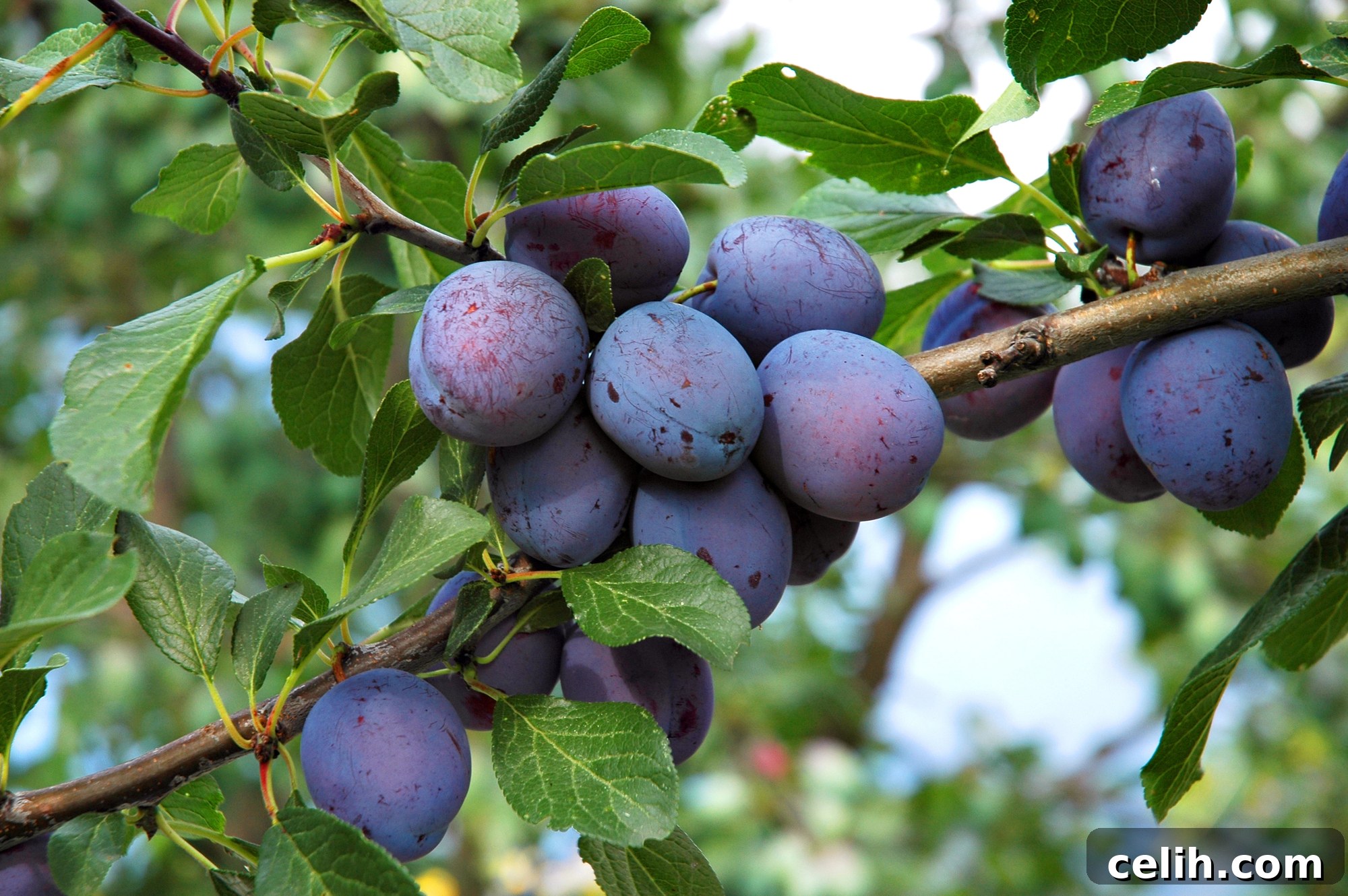
Transplanting trees is a transformative endeavor for any landscape, offering the opportunity to revitalize your garden, improve property aesthetics, and relocate cherished specimens. However, this seemingly straightforward task is fraught with potential pitfalls that can jeopardize a tree’s survival and long-term health. Successful tree relocation hinges on meticulous planning, precise execution, and diligent aftercare. Failing to adhere to best practices can lead to significant stress for the tree, stunted growth, or, tragically, its demise. This comprehensive guide delves into the most common mistakes encountered during the tree transplanting process, providing detailed insights and actionable advice to help you avoid these errors and ensure your trees thrive in their new home. By understanding and implementing these crucial strategies, you can significantly enhance the success rate of your tree transplant projects.
1. Choosing the Wrong Time for Transplanting
The timing of a tree transplant is arguably the single most critical factor determining its success. A widespread mistake is attempting to move a tree during its active growth phase or under extreme weather conditions. The ideal window for transplanting most tree species, particularly deciduous ones, is during their dormant season. This typically falls in late autumn after leaf drop or in early spring before bud break. During dormancy, a tree’s metabolic activity slows significantly, minimizing the shock and stress associated with root disturbance. The cooler temperatures and increased rainfall of these seasons also provide a less challenging environment for the tree to establish new roots without the intense demands of summer heat or the risk of winter desiccation.
Attempting to transplant a tree during the scorching heat of summer places immense stress on its system. The tree is actively photosynthesizing and transpiring, requiring a vast amount of water that its newly compromised root system struggles to supply. This often leads to severe wilting, leaf scorch, and ultimately, tree failure. Similarly, transplanting in the freezing temperatures of winter, especially when the ground is frozen solid, can damage roots, impede new growth, and expose the tree to frost heave. For evergreen trees, while late summer to early fall can sometimes be viable, the dormant season principles still largely apply, with early spring often being preferred to give them a full growing season to establish before the next winter. Always consider your local climate and specific tree species to pinpoint the most favorable transplanting period.
2. Improper Root Pruning and Preparation
A tree’s root system is its lifeline, and proper preparation before a transplant is paramount for its survival. A common and detrimental mistake is failing to adequately prune or prepare the roots well in advance of the move. For larger, established trees, pre-transplant root pruning is a crucial step that should ideally occur several months, or even a full year, before the actual relocation. This process involves severing specific roots around the tree’s base, encouraging the development of a dense network of new feeder roots closer to the trunk within the planned root ball circumference. These new, vigorous roots will be more efficient at absorbing water and nutrients in the new location, significantly improving the tree’s chances of establishment.
When the time comes for the actual transplant, the root ball itself must be handled with extreme care. Digging up a tree without ensuring an adequately sized and intact root ball is a recipe for disaster. The general rule of thumb for root ball diameter is approximately 10-12 inches for every inch of trunk diameter measured at breast height (DBH). The depth should encompass most of the active root system. Severing too many roots, allowing the root ball to dry out, or letting it crumble during transport will severely reduce the tree’s ability to recover. The root ball should be carefully wrapped in burlap or a specialized tree wrap immediately after digging to maintain its integrity and moisture content until it’s placed in its new home. Minimizing root damage at every stage, from excavation to placement, is a non-negotiable aspect of a successful tree transplant.
3. Inadequate Soil and Site Preparation
The success of a transplanted tree is heavily reliant on the quality and preparation of its new home. A frequent and costly mistake is neglecting proper soil and site preparation. Simply digging a hole and placing the tree into it without considering the soil composition or drainage capabilities sets the tree up for failure. The new planting site must offer an environment conducive to healthy root growth and overall tree vigor. Before planting, conduct a soil test to understand its pH, nutrient levels, and composition. This will inform any necessary amendments. Ideally, the soil should be well-draining, moderately fertile, and have a pH range suitable for the specific tree species.
The planting hole itself must be prepared with foresight. A common error is digging a hole that is too narrow or too deep. The hole should be two to three times wider than the root ball, allowing the roots ample space to spread into loosened soil. However, the hole should be dug only as deep as the root ball, ensuring the tree is planted at the same depth it was growing in its original location. Planting too deep can lead to root suffocation, crown rot, and impaired water and nutrient absorption, while planting too shallow can expose roots to drying out. Loosen the soil at the bottom and sides of the hole to prevent glazing and encourage root penetration. Incorporating organic matter, such as compost, into the backfill can improve soil structure and fertility, but avoid adding large quantities of different soil types directly into the hole, as this can create drainage issues and discourage roots from extending beyond the immediate planting zone.
4. Neglecting Watering Requirements
Watering is a pivotal element of post-transplant care, yet it is frequently mismanaged, leading to detrimental outcomes. Both overwatering and underwatering can be equally fatal for a newly transplanted tree, which has a compromised root system and heightened water demands. The goal is to maintain consistently moist soil without allowing it to become waterlogged. Overwatering starves roots of oxygen, leading to root rot, a fungal disease that rapidly declines tree health. Conversely, underwatering causes dehydration, leading to wilting, leaf drop, and the tree’s inability to establish itself and photosynthesize effectively.
The key to proper watering is regular monitoring and adjustment based on weather conditions, soil type, and the tree’s specific needs. For the first few weeks after transplanting, deep watering once or twice a week is often necessary, ensuring the entire root ball is thoroughly saturated. A slow, steady drip or a soaker hose is ideal, allowing water to penetrate deeply without runoff. Check soil moisture by hand; insert your finger about 2-3 inches into the soil near the root ball. If it feels dry, it’s time to water. Reduce watering frequency as the tree establishes, but continue supplemental irrigation during dry periods for at least the first two to three years. Factors like rainfall, temperature, and wind can drastically alter a tree’s water requirements, making a fixed schedule less effective than responsive, mindful watering practices.
5. Failing to Provide Proper Support
Newly transplanted trees, especially those with larger canopies or in windy locations, often require temporary external support to establish properly. A common oversight is neglecting to stake the tree, or worse, staking it incorrectly. Proper staking prevents the tree from swaying excessively in the wind, which can disrupt the delicate new root connections attempting to form in the surrounding soil. Constant movement can tear these new roots, delaying establishment and weakening the tree’s overall structure. It also helps the tree remain upright, preventing leaning or falling.
However, improper staking can be more damaging than no staking at all. Common mistakes include tying the tree too tightly, using abrasive materials, or leaving stakes in place for too long. Ties that are too tight can girdle the trunk, cutting off nutrient and water flow and creating wounds that invite pests and diseases. Use broad, flexible materials like specialized tree ties, canvas straps, or old rubber hose to protect the bark. Ensure there is enough slack to allow some natural movement, which encourages the development of a strong trunk taper and robust root system. The stakes themselves should be placed outside the root ball and should be removed once the tree has established itself, typically after 6-12 months, or when it can stand independently against typical winds. Prolonged staking hinders the tree’s natural development, making it weaker and more dependent.
6. Ignoring Post-Transplant Care
The period immediately following a tree transplant is a critical recovery phase, and neglecting proper post-transplant care is a significant mistake. Many assume that once the tree is in the ground, the hard work is over. In reality, consistent and attentive aftercare significantly enhances the tree’s chances of survival and its long-term health. This crucial phase encompasses more than just watering; it includes mulching, appropriate fertilization, vigilant monitoring for stress or disease, and protective measures.
Mulching is a simple yet incredibly beneficial practice often overlooked. A 2-4 inch layer of organic mulch (such as wood chips or shredded bark) spread in a wide ring around the base of the tree (keeping it a few inches away from the trunk) offers numerous advantages. It helps retain soil moisture, suppresses weed growth that competes for nutrients, moderates soil temperature, and enriches the soil as it decomposes. Fertilization, if necessary, should be approached with caution. Generally, it’s best to avoid heavy fertilization immediately after transplanting, as this can burn new roots or encourage top growth at the expense of root development. A slow-release, balanced fertilizer might be appropriate after the tree shows signs of initial establishment, perhaps after the first year. Regularly inspect the tree for signs of stress, such as wilting, discolored leaves, unusual leaf drop, or pest infestations. Early detection and intervention are key to mitigating problems before they become severe. Protect the trunk from sunscald and rodent damage, especially in colder climates, by using tree wraps or guards for the first few winters. Comprehensive aftercare ensures the tree can dedicate its energy to healing and establishing a robust root system.
7. Lack of Patience
Transplanting a tree is not a sprint; it’s a marathon that demands patience and a long-term perspective. One of the most common psychological mistakes is expecting immediate results and becoming disheartened if the tree doesn’t flourish instantly. Trees, especially larger specimens, experience significant shock during relocation. It can take several months, or even several years, for a tree to fully recover from the trauma of transplanting and establish itself in its new environment. This period is often referred to as the “establishment period.”
During the first year, a newly transplanted tree is primarily focused on regenerating its root system. You might observe minimal new shoot growth or even some initial dieback in the canopy – this is often a natural adjustment as the tree balances its root-to-shoot ratio. Don’t be tempted to over-fertilize or over-prune during this critical phase, as these actions can add further stress. The second and third years typically show more noticeable signs of establishment, with increased leaf production and moderate shoot growth. Continued consistent care, including appropriate watering, mulching, and monitoring, is vital throughout this entire establishment period. Understanding that a tree’s growth and recovery are gradual processes allows you to provide the consistent care it needs without undue anxiety, ultimately leading to a healthy, thriving tree that enhances your landscape for decades.
Conclusion
Tree transplanting, while challenging, is an immensely rewarding horticultural practice when executed with precision and forethought. By meticulously avoiding the common mistakes outlined in this guide, you dramatically increase the likelihood of a successful tree transplant and ensure your relocated specimens flourish in their new homes. The keys to success lie in careful planning, understanding the tree’s physiological needs, and committing to diligent long-term care. From selecting the optimal transplanting season to preparing the soil, nurturing the root system, providing structural support, and maintaining a vigilant post-transplant care regimen, every step contributes to the tree’s ability to adapt and thrive. Remember that patience is a virtue in arboriculture; a newly transplanted tree requires time and consistent support to fully establish. By integrating these expert strategies into your tree relocation efforts, you not only ensure the survival and health of your trees but also enhance the beauty, ecological value, and longevity of your landscape for many years to come. When in doubt, consulting with a certified arborist can provide invaluable professional guidance for complex transplant projects.